













In April 2026, the US government committed $144 million to a program called STOMP (Systematic Targeting Of MicroPlastics) with a sobering mandate to figure out how to measure and remove microplastics from the human body. The program exists because, as ARPA-H Director Alicia Jackson put it, “nobody wants unknown particles accumulating in their body” and there is currently no validated way to get them out.
You don’t have to wait for that research to make a difference, though. While scientists work on measuring and eventually removing microplastics from human tissue, you can start reducing your exposure today with practical swaps in your kitchen, laundry room, and daily routines.
Reducing your personal exposure also means less plastic in our oceans, soil, and food chain, which makes avoiding microplastics both a health decision and a sustainability one.
Related Guides: Non-Toxic Living, What Are Forever Chemicals?, Ingredients To Avoid In Skincare, What Does Non-Toxic Mean?, Is Stainless Steel Non-Toxic?
At A Glance: How to Avoid Microplastics
- There is currently no validated way to remove microplastics from the human body. The US government is working on the problem but prevention is your best and only strategy right now.
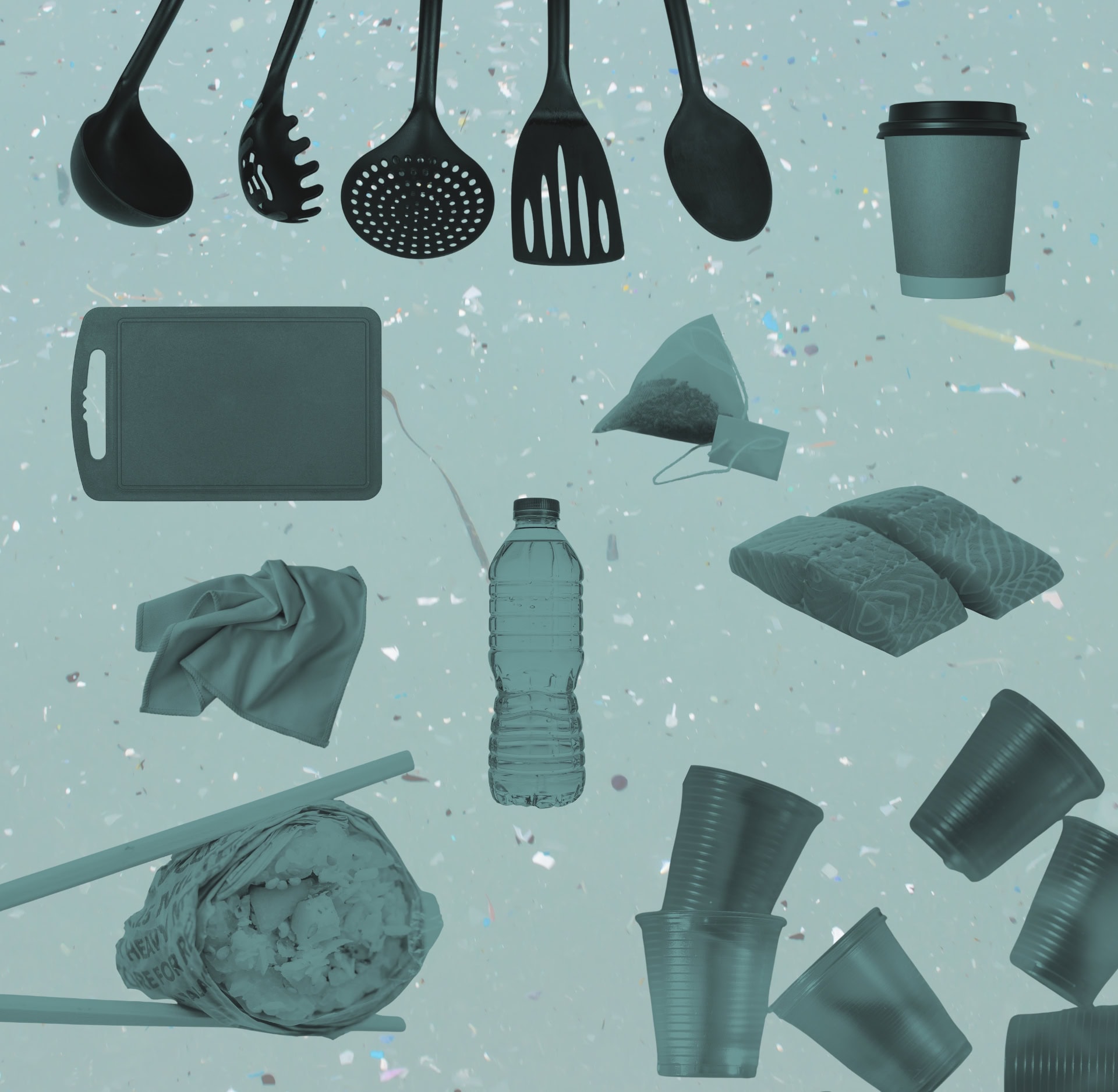
- Kitchen: Where possible, ditch the plastic cutting boards, cooking utensils, teabags, food storage containers, coffee makers, and more. Swap to wood, glass, and stainless steel wherever possible.
- Water: A reverse osmosis filter at home is the most effective household method for removing microplastics from water.
- Clothing & Textiles: Choosing natural fibers, washing synthetics less often, and installing a washing machine microfiber filter all make a measurable difference.
Table of Contents: How To Avoid Microplastics
- What Are Microplastics? Jump to section
- How to Avoid Microplastics in Your Kitchen Jump to section
- How to Reduce Microplastics in Your Food Jump to section
- How to Avoid Microplastics in Your Water Jump to section
- What Are Microfibers? How to Avoid Microplastics From Clothing Jump to section
- How to Reduce Microplastics in Your Home Jump to section
- Does BPA-Free Mean No Microplastics? Jump to section
- Can You Remove Microplastics From Your Body? Jump to section
- Why Avoiding Microplastics Is Also A Sustainability Issue Jump to section
- FAQs About Avoiding Microplastics Jump to section
What Are Microplastics?
Microplastics are plastic particles smaller than 5 millimeters, roughly the size of a sesame seed or smaller. Some form when larger plastic items (water bottles, food packaging, car tires, synthetic clothing) break down over time. Others are manufactured intentionally small, such as the microbeads once common in exfoliating scrubs and toothpaste. Nanoplastics are even tinier, smaller than 1 micrometer, invisible without a microscope, and potentially more dangerous because they can cross biological barriers more easily.
Researchers have now detected microplastics in virtually every part of the human body. A 2024 study in The New England Journal of Medicine found microplastics and nanoplastics in the arterial plaque of patients undergoing surgery, and those with detectable plastics had a significantly higher risk of a primary end-point event (nonfatal myocardial infarction, nonfatal stroke, or death from any cause).
Separate research from the University of New Mexico found that human brain tissue contained more microplastics than other organs. Plastics have also been found in human blood, lung tissue, placentas, breast milk, and 100% of human testicle samples examined.
Microplastics are accumulating in our bodies rapidly and we don’t yet fully understand their impact. The emerging evidence points toward inflammation, endocrine disruption, and cardiovascular risk, but the science is still catching up. What we do know is that no validated method exists to remove them once they’re inside us, which makes reducing our ongoing exposure pretty much the only action we can take for now.
One important clarification here is that microplastics are not the same thing as PFAS (forever chemicals), though the two problems overlap. Microplastics can carry PFAS, phthalates, and other harmful chemicals on their surface, acting as tiny vehicles for toxins. They’re related threats and both should be avoided, but they are distinct pollutants with different sources.
How to Avoid Microplastics in Your Kitchen
Your kitchen is the highest-impact room for microplastic exposure, because heat, friction, and acidic foods all accelerate plastic breakdown. Fortunately, the swaps here are among the easiest and most affordable.
Ditch Plastic Cutting Boards
A 2023 study published in Environmental Science & Technology found that chopping food on polyethylene and polypropylene boards could release between 14 and 71 million microplastic particles per person per year.
A 2025 systematic review in the Journal of the Academy of Nutrition and Dietetics confirmed plastic cutting boards as a major and overlooked contributor to dietary microplastic ingestion, in both households and commercial kitchens.
Wood, bamboo, and stainless steel are all safer alternatives. We’ve done the homework on the best options in our guide to non-toxic cutting boards.
Swap Plastic Food Storage and Wraps
Plastic food containers leach chemicals and particles into food, and the problem gets dramatically worse when heated. Microwaving food in plastic containers or covering food with cling wrap in the microwave significantly increases microplastic release. Even at room temperature, plastic containers in regular use shed particles over time as they scratch and wear.
Switch to glass jars (save the ones from sauces and pickles for a free option), stainless steel containers, or beeswax wraps for covering leftovers. Check out our guide to plastic-free food storage for vetted recommendations.
Replace Plastic Kitchen Utensils & Non-stick Cookware
Plastic spatulas, stirring spoons, and serving utensils shed microparticles with every use, and heat and friction make the problem worse.
Black plastic utensils deserve special attention, because a 2024 study in Chemosphere found that 85% of black plastic kitchen products tested contained toxic flame retardants (including EPA-banned deca-BDE), carried over from recycled electronics.
Switch to wood, bamboo, or stainless steel, and our guide to non-toxic cooking utensils covers the best options.
For cookware itself, nonstick coatings can shed microplastics when scratched or overheated, so cast iron, stainless steel, glass or titanium are better choices. See our non-toxic cookware guide for more.
Watch Your Tea Bags
Tea bags catch most people off guard, because many of them (especially the silky pyramid-style bags) are made from nylon or PET plastic. A 2026 study found that nylon tea bags steeped in hot water for five minutes released 16,000 to 24,000 microplastic particles per milliliter. An earlier study found that a single plastic teabag at brewing temperature released approximately 11.6 billion microplastics and 3.1 billion nanoplastics into a single cup.
Use loose-leaf tea with a stainless steel infuser, or look for brands that use paper-only bags (no nylon, PET, or polypropylene). Some brands market “plant-based” or “corn-based” (PLA) tea bags, which are better than petroleum-based plastic but still not compostable in most home conditions. Our guide to plastic-free tea brands covers which brands avoid plastic entirely.
Choose Non-Plastic Coffee Makers
If you’re drinking hot liquid that’s been in contact with plastic every morning, you’re starting each day with a dose of microplastics. Plastic reservoirs, tubing, and pour-over cones all shed particles into hot water. K-cups are another concern because the plastic pod comes into direct contact with boiling water during brewing.
Switch to a stainless steel or glass coffee maker, a ceramic pour-over, or a French press with a glass carafe. See our guide to plastic-free coffee makers for options, and our tips on zero waste coffee for a plastic-free brew overall.
Disposable Coffee Cups
Paper takeaway coffee cups are lined with a thin layer of plastic (usually polyethylene) to make them waterproof, and hot beverages cause that lining to break down and release microplastics into your drink. As Dr Rhonda Patrick says, it’s like drinking microplastic soup.
Reusable stainless steel or ceramic travel mugs eliminate this source of microplastics. If you’re looking for specific products, our reusable products guide includes recommendations.
A Note on Dishwashers
A 2025 study in ACS ES&T Water found that mechanical dishwashing releases micro and nanosized plastic particles from dishwasher-safe plastics. Washing plastic items in the dishwasher accelerates their degradation compared to hand washing, so if you still have plastic containers or utensils, hand washing them gently (or better yet, replacing them) will reduce shedding.
Some dishwasher pods also contain PVA (polyvinyl alcohol), a water-soluble synthetic polymer. Our guide to what PVA is breaks down whether that’s a concern, and our non-toxic dishwasher detergent guide covers PVA-free alternatives.
Skip Melamine “Magic” Sponges
The white “magic” eraser sponges are another sneaky source, because they’re melamine foam and shed microplastics as they wear down.
How to Reduce Microplastics in Your Food
Beyond the tools you use to prepare food, the food itself can be a source of microplastic exposure. This doesn’t mean you need to panic about every meal, but some targeted choices can meaningfully reduce your intake.
Processed foods vs. whole foods
Studies have found higher concentrations of microplastics in ultra-processed foods (like chicken nuggets and packaged snacks) compared to minimally processed alternatives (like whole chicken breast or fresh produce). Processing involves more contact with plastic equipment, plastic packaging, and plastic-lined surfaces, all of which introduce particles.
Choosing whole, unprocessed foods when possible reduces this exposure.
Seafood and shellfish
Filter-feeding shellfish like mussels, clams, and oysters are particularly efficient at concentrating microplastics from surrounding water. One estimate suggests that European bivalve consumers ingest over 11,000 microplastic particles per year through shellfish alone.
Fish accumulate microplastics in their gut tissue, though filleting (removing the gut) reduces the amount consumed.
This doesn’t necessarily mean you need to avoid seafood entirely (though some health experts like Rhonda Patrick have chosen to no longer eat fish and seafood), but it’s another reason to pay attention to sourcing and to support cleaner oceans.
Salt
Sea salt is more vulnerable to microplastic contamination than rock salt or lake salt, because ocean water now contains more plastic particles. If you’re choosing between salt types and microplastics are a concern, rock salt or mined salt has a lower microplastic load.
Packaging matters
Food packaged in plastic, particularly fatty or acidic foods, absorbs more microplastics from its container over time. Choosing products in glass jars or metal cans where available, and transferring foods out of plastic packaging at home, helps reduce exposure.
Beverages and canned food are part of this picture too, because cans have plastic linings and plastic bottles are a well-documented microplastic source.
How to Avoid Microplastics in Your Water
Drinking water is one of the most significant and most addressable sources of microplastic exposure.
Filter Your Tap Water
Reverse osmosis (RO) filtration is widely considered the most effective household method for removing microplastics from drinking water. RO systems force water through a membrane with pores small enough to capture micro- and nanoplastic particles along with many other contaminants.
Standard activated carbon pitcher filters (like the basic Brita) are not designed or certified to remove microplastics, and their pore size isn’t fine enough to catch most particles. Brita’s newer Elite filter does carry NSF/ANSI 401 certification for microplastic reduction, but the plastic pitcher housing itself raises a separate question about whether filtered water picks up particles during storage. If microplastics are a primary concern, RO is the way to go.
Our guide to plastic-free water filters covers both RO and carbon options, and our broader guide on how to purify water covers the full range of filtration methods.
Stop Buying Bottled Water
Bottled water consistently contains significantly more microplastics than filtered tap water. A study published in Proceedings of the National Academy of Sciences found approximately 240,000 nanoplastic particles per liter in bottled water from popular US brands, with 90% of the particles being nanoplastics small enough to cross into the bloodstream and organs. The study’s methodology has faced some academic scrutiny, but the broader point holds.
A reusable stainless steel or glass water bottle with filtered tap water produces less waste and avoids this concentrated source of exposure entirely. See our guide to plastic-free water bottles for options.
What Are Microfibers? How to Avoid Microplastics From Clothing
Microfibers are a type of microplastic released when synthetic textiles shed tiny threads during wear and washing. If you’ve ever cleaned your dryer’s lint trap, you’ve seen microfibers with the naked eye. But the ones that matter most for pollution are invisible, small enough to pass through washing machine filters and wastewater treatment plants and flow straight into waterways.
The Scale of the Problem
According to an IUCN report, textiles account for approximately 35% of ocean microplastic pollution, making them the single largest source of primary microplastics entering the marine environment.
A 2021 study in PLOS ONE measured microfiber release from 37 different consumer textiles and found that a single wash could release anywhere from 8,800 to over 6.8 million microfibers depending on the fabric. Polyester fleece shed roughly six times more microfibers than nylon.
Research from the Pew Charitable Trusts published in May 2026 found that redesigning fabrics to shed fewer fibers could account for 52% of all reductions in textile microplastic pollution by 2040, making it the single most effective intervention available.
Choose Natural and Low-Shedding Fibers
Organic cotton, linen, hemp, and wool shed fibers too, but those fibers are natural and biodegradable rather than plastic. Polyester and nylon, the two most common synthetic fibers in clothing, shed plastic microfibers throughout their lifespan.
Our guide on whether polyester is bad for you covers the health and environmental picture, and our nylon guide does the same for nylon.
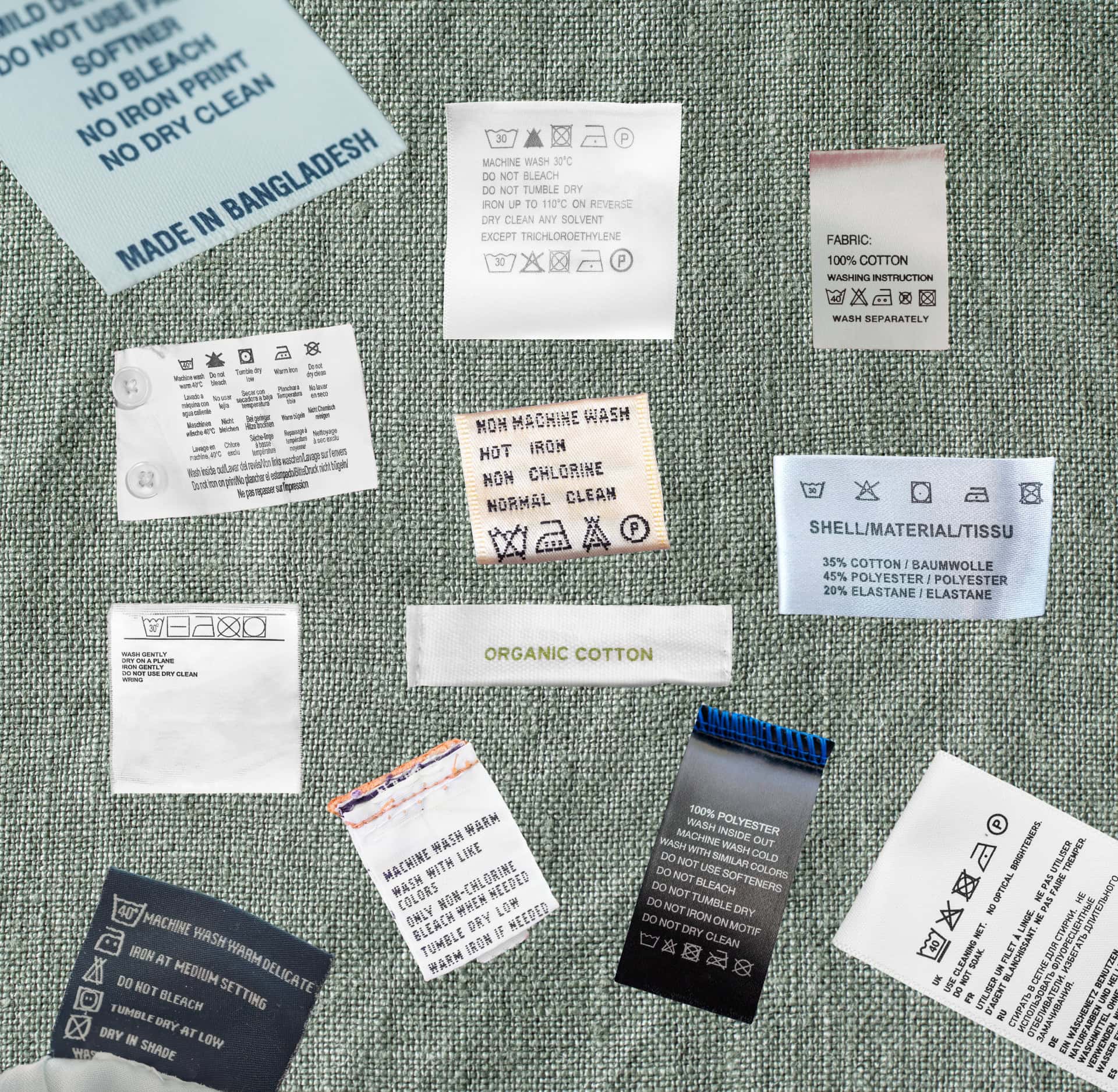
Learning to read your clothing labels is the quickest way to identify what your clothes are made of. Our guide to reading clothing tags walks you through the symbols and fiber codes. And for a broader look at which textiles have the lowest environmental impact, see our sustainable fabrics guide.
Wash Smarter
You don’t need to throw out every synthetic garment you own. But changing how you wash them can dramatically reduce microfiber release.
Wash synthetic clothing less frequently, use cold water, and run shorter cycles. Cold water and less mechanical agitation mean less fiber shedding. Installing a washing machine microfiber filter is an easy action you can take at home, because the same PLOS ONE research found that lint traps can retain up to 90% of polyester fibers before they reach the drain. See our guide to washing machine microfiber filters for more guidance on this.
France became the first country to require microfiber filters in all new washing machines, with the mandate taking effect in January 2025. The EU is developing similar requirements through its Ecodesign for Sustainable Products Regulation, with a textiles-specific delegated act expected by 2027.
If you’re shopping for a new machine, our guide to eco-friendly washing machines includes models with built-in microfiber capture as well as external filters.
How to Reduce Microplastics in Your Home
Beyond the kitchen and laundry room, microplastics settle into household dust from synthetic carpets, curtains, upholstery, and even mattresses made with polyester or polyurethane foam. Because children and pets spend more time close to the ground, they’re especially exposed.
A few practical steps help reduce indoor microplastic levels. Vacuum regularly (ideally with a HEPA-filtered vacuum), and open windows to ventilate rather than recirculating particles. When it’s time to replace carpets, curtains, or upholstered furniture, choose natural fiber alternatives like wool or organic rugs, cotton or linen curtains, and organic mattresses.
Personal care products are another overlooked source. The US banned plastic microbeads in rinse-off products (face washes, toothpaste) in 2015, but microplastics can still be added to leave-on products like lotions, lipstick, and sunscreen. Check ingredient lists for polyethylene (PE), polypropylene (PP), polyurethane, and acrylates, all of which indicate plastic content.
Does BPA-Free Mean No Microplastics?
No. BPA (bisphenol A) is a specific chemical used in some plastics, and “BPA-free” simply means that chemical has been removed or replaced. A product can be completely BPA-free and still shed millions of microplastic particles.
To make things more complicated, many BPA-free plastics use replacement chemicals like BPS (bisphenol S) or BPF (bisphenol F), which early research suggests may carry similar endocrine-disrupting risks. “BPA-free” is more of a marketing response to consumer concern than a comprehensive safety assurance.
If your goal is to reduce microplastic exposure, glass, stainless steel, and ceramic don’t shed microplastics regardless of what labels they carry.
Can You Remove Microplastics From Your Body?
At the time of writing, there is no scientifically validated method for removing microplastics from the human body. ARPA-H states it plainly on the STOMP program page. The program’s third technical area, focused specifically on removal technologies, hasn’t even opened for proposals yet because the measurement and mechanism phases need to come first.
Various “microplastic detox” protocols circulate online, often involving specific supplements, foods, or chelation therapies. None of these have peer-reviewed evidence demonstrating they remove microplastic particles specifically from human tissue. Some of the recommended foods and supplements (fiber-rich diets, antioxidants, adequate hydration) are good for your health regardless, but framing them as microplastic detoxes goes beyond what the science supports.
What your body does naturally is eliminate some particles through digestion and other normal processes. Not all microplastics that enter your body stay permanently. But the concern is about accumulation over time, particularly of nanoplastics small enough to cross into organs, blood, and brain tissue.
Until the science catches up, reducing ongoing exposure is your most effective strategy.
Why Avoiding Microplastics Is Also A Sustainability Issue
Every microplastic in your body started as a piece of plastic in the environment. The synthetic fleece jacket shedding microfibers in your washing machine sends those fibers into waterways, where they enter the marine food chain, get eaten by fish and shellfish, and end up back on your plate. The plastic water bottle you toss after one use breaks down over decades into smaller and smaller particles that contaminate soil, water, and air.
Damage to Marine Life & Coral Reefs
A 2025 study in PNAS analyzing more than 10,000 animal necropsies found that as few as 6 pieces of ingested plastic can lead to a 90% chance of mortality in seabirds, marine mammals, and sea turtles. Two-thirds of marine mammal species, half of all seabird species, and all seven sea turtle species have been documented as harmed by plastic debris.
A Scientific Reports study examining marine mammals stranded around the British coast found microplastics in every single animal tested, with nylon (the same polymer shed from clothing) as the most prevalent type. Filter-feeding whales are especially vulnerable because their feeding strategy means swallowing enormous volumes of contaminated water with every mouthful.
Research published in Biochemical Society Transactions found that corals preferentially ingest certain microplastics, leading to feeding impairment, tissue damage, altered gene expression, and disrupted microbiomes.
Because corals are habitat-forming species (supporting roughly 25% of all marine life while covering less than 1% of the ocean floor), their decline has cascading effects across entire ecosystems.
Damage to Life on Land
Microplastics accumulate in agricultural soils through irrigation, biosolids, compost, and degrading plastic mulch films. A 2019 study in Environmental Science & Technology found that microplastics can alter soil structure, water dynamics, and microbial activity, with downstream effects on seed germination and crop growth. Earthworms, which are essential to soil health, ingest microplastics and transport them deeper into the soil profile, spreading contamination further.
Our actions matter and every swap or change in this guide has a dual benefit, because less plastic exposure for you means less plastic pollution for the ecosystems we all depend on. For a broader look at reducing plastic across your whole life, our zero waste swaps guide is a good starting point.
FAQs About Avoiding Microplastics
Are PFAS the Same as Microplastics?
No. PFAS (per- and polyfluoroalkyl substances, also called “forever chemicals”) are a class of synthetic chemicals, while microplastics are tiny physical particles of plastic. They’re distinct pollutants with different sources and behaviors. However, microplastics can carry PFAS on their surface, acting as vehicles for chemical exposure. Some plastic products also contain PFAS in their formulation.
Does Silicone Have Microplastics?
Silicone is technically a synthetic polymer (a type of plastic), and some research suggests it can shed microparticles under certain conditions. However, silicone is generally more stable and heat-resistant than conventional plastics like polyethylene or polypropylene.
For a full breakdown of the evidence, see our guide on whether silicone is safe. If you’re trying to minimize microplastic exposure in the kitchen, glass and stainless steel remain the safest options.
Do Nylon Fabrics Shed Microplastics?
Yes. Nylon is a synthetic polymer and sheds microfibers during both wear and washing. Research shows it sheds less than polyester (roughly one-sixth as much per wash according to the PLOS ONE study referenced above), but it still contributes to microplastic pollution.
Does Reverse Osmosis Remove Microplastics?
Reverse osmosis is considered the most effective household filtration method for removing most microplastics from drinking water because its membrane pore size is small enough to capture both micro- and nanoplastic particles.
Do Tea Bags Contain Microplastics?
Tea bags made from nylon or PET (the silky, pyramid-shaped bags) release billions of micro and nanoplastic particles when steeped in hot water. Not all “silken” or “mesh” bags are plastic, as some brands use plant-based materials, but you need to check carefully because labeling can be vague. Paper-only tea bags and loose-leaf tea brewed with a stainless steel infuser are the better choice.
Are There Microplastics in Bottled Water?
Research consistently finds that bottled water contains significantly more micro and nanoplastic particles than filtered tap water, largely because the plastic bottle itself sheds particles into the water (especially when exposed to heat or sunlight).
How Are Microplastics an Environmental Problem?
Microplastics contaminate oceans, rivers, soil, and freshwater systems worldwide, harming marine life and entering the food chain at every level. Textile microfibers alone account for roughly 35% of ocean microplastic pollution.
Final Thoughts on How to Avoid Microplastics
We’d love to tell you there’s a simple fix for microplastics, some supplement or filter or government regulation that makes the problem disappear. There isn’t (yet), but there’s something oddly empowering about the fact that the most effective strategy available right now is also the simplest. We can and should all use less plastic.
You don’t need to overhaul your entire life in a weekend. Start with the highest-impact swaps, like filtering your drinking water, ditching plastic food containers, switching to loose-leaf tea, and installing a microfiber filter on your washing machine. Each one meaningfully reduces both your personal exposure and the amount of plastic flowing into the environment.
We hope this article helps you better understand the microplastic problem and approaches to avoid generating further microplastics. Please share this with anyone you think might find it helpful.

Joy has been a passionate advocate for the environment since she was a small child. She grew up in South Africa and has been lucky enough to be exposed to the wonders of nature not just in Africa but all over the world. She founded Sustainable Jungle (together with her husband Lyall) back in 2017 after becoming enraged by the devastating impact of palm oil. She then founded the Sustainable Jungle Podcast and together with Lyall interviewed remarkable people from all over the world who were finding ways to create positive impact. Outside of Sustainable Jungle, Joy has always worked in the corporate world, starting out as an auditor and later moving into management consulting. More recently she specialized in Climate Investing for the Asia Pacific region. Given her experience, her current passion is Brand Ratings. She is very much enjoying going deeper on what it really means to drive sustainability performance and true impact through business operations.