














Like most things with a price tag, there are two sides to organic comforters, and not just the warm and the cool side. In this case, those sides are sustainability and safety.
A comforter can make or break a good night’s sleep. But too often, conventional comforters are stuffed with synthetic fibers or treated with harsh chemicals that don’t belong anywhere near your lungs or skin. It can do the same for the health of our planet. From pesticide-laden cotton fields to polyester made from fossil fuels, the hidden cost of conventional comforters is steep (think: water waste, carbon emissions, and microplastic pollution).
That’s why when we hunt for better, more sustainable comforters, we look for natural, organic and renewable fibers, third-party certifications that prove safety and ethics, real-world performance, and brands that think beyond profit. If you’d like to go deeper, jump to the bottom of this article where we cover more about why this is important and how we went about finding the non-toxic comforter brands on this list.
Note: You may notice several “rated” brands on our list of comforters below. This means they have been assessed through our Brand Rating System which assesses brands against a much wider range of sustainability-related criteria, like chemical use, circularity, chemical management, health & safety, biodiversity impact, climate action, and more. You can find other rated brands in our directory.
Related guides: Sustainable & Non-toxic Mattresses, Sustainable & Non-toxic Bedding
We independently research all featured brands, and we ask them to confirm their claims. In many cases we personally review recommended products. This post contains affiliate links which means we may earn a commission if you buy something. We explain this further in our Terms of Use.
The Best Sustainable & Organic Comforters As Comprehensively Rated By Us
The following comforter brands have been comprehensively rated by us on their sustainability credentials (which includes criteria around customer safety and chemical use).
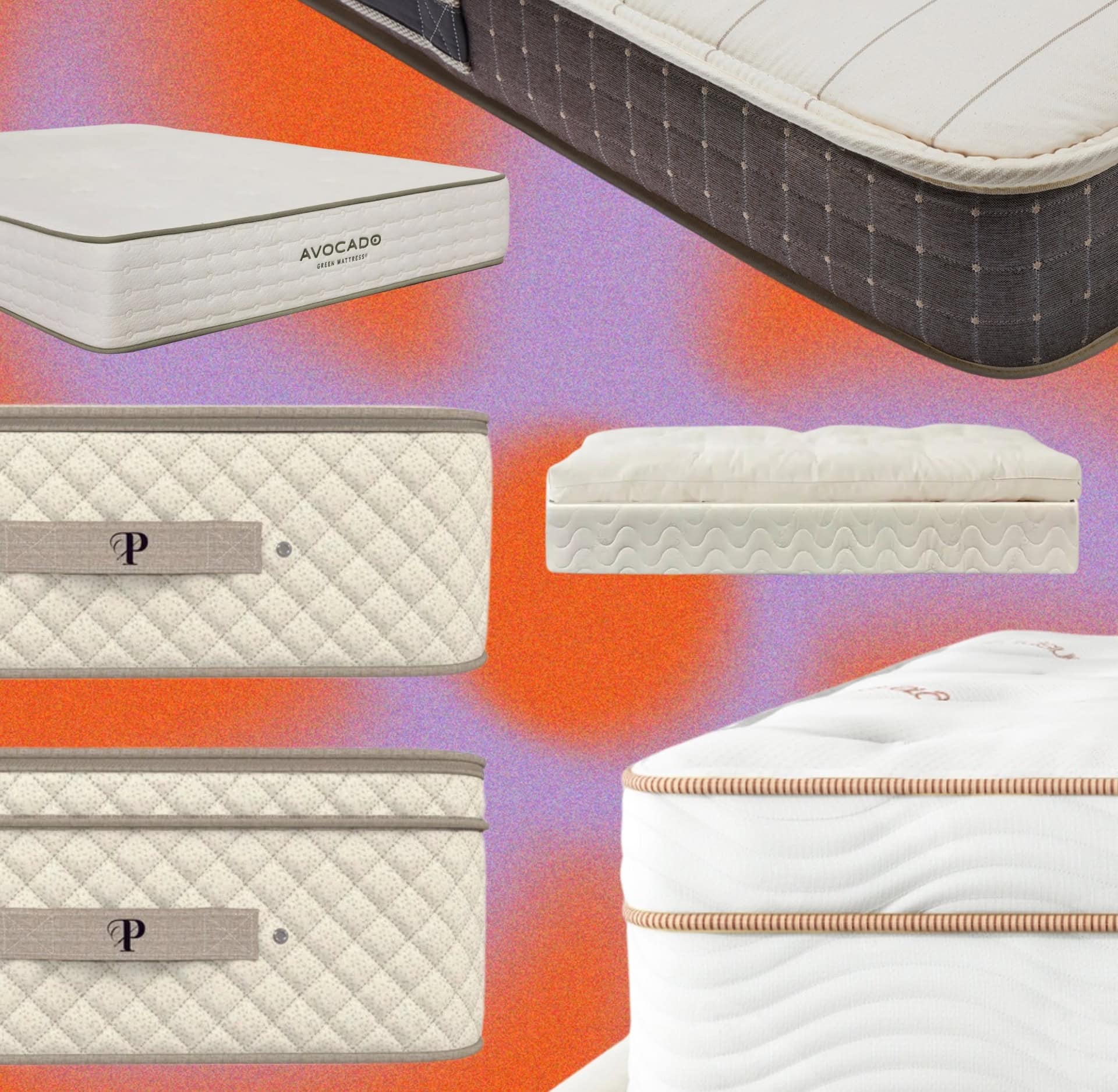
Avocado offers three types of comforters filled with RDS certified down, alpaca fiber, and recycled mulberry silk respectively. The latter two are covered in GOTS-certified organic cotton. The brand is certified by almost all major safety related certifications and they’re also B Corp and The Climate Label certified. See the full rating.
Eucalypso makes a luxurious duvet insert from 100% TENCEL™ Lyocell. Their fibers are certified by OEKO-TEX®, and packaging is largely plastic-free. They’re also focused on supporting small, women and minority-owned suppliers across their operations. See the full rating.
Nest Bedding’s natural fiber comforter collection is made with either fair-trade organic cotton or wool. We’ve been snoozing with their washable wool comforter and can’t recommend it enough. Its temperature-regulating properties mean we can snooze with it all year round. See the full rating.
PlushBeds offers two non-toxic comforters: one crafted with GOTS-certified organic cotton and wool, and another made entirely from OEKO-TEX® certified TENCEL™ Lyocell. See the full rating.
Pact offers quilts made with a GOTS-certified organic cotton sateen shell and a 100% organic cotton fill. Their products are made in factories that ensure safe conditions, fair wages, and community development funds. See the full rating.
Index: Non-Toxic & Organic Comforters
- Avocado Jump to brand
- Eucalypso Jump to brand
- Nest Bedding Jump to brand
- PlushBeds Jump to brand
- Pact Jump to brand
- Coyuchi Jump to brand
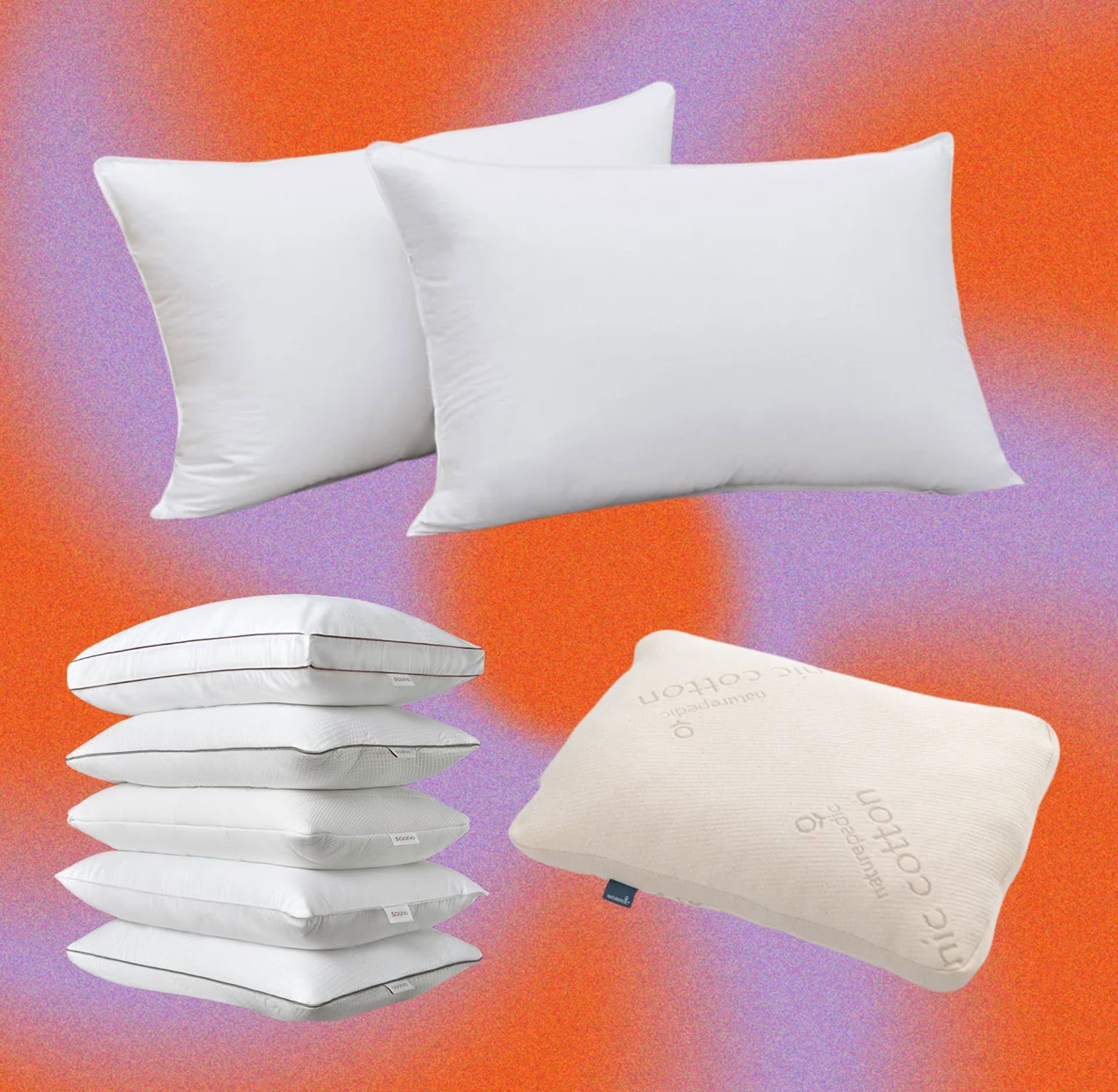
- Naturepedic Jump to brand
- Sijo Jump to brand
- Buffy Jump to brand
Avocado



Carbon Neutral
Brand has been certified as Carbon Neutral.
Ethical Sourcing
Raw materials have been sourced ethically with people and planet in mind.
Non-toxic
All products are made with ingredients or materials that are currently considered non-toxic
Organic
Products are made from organic materials.
Sustainable Materials or Ingredients
Either all or most products are made with sustainable materials or ingredients.
Zero Waste
Products are made with a low or zero waste approach where ideally no or limited waste is created throughout the production process or at the end of life.
1% for the planet
B Corp
Certified Vegan
eco-INSTITUT
EWG
FSC®
GOLS
GOTS
Green America
Greenguard
MADE SAFE®
OEKO-TEX®
PETA
RWS
The Climate Label
USDA Organic
1% for the planet
Certified Environmental Giving — Businesses give 1% of their annual sales directly to vetted environmental partners.B Corp
The B Corp Certification, administered by the nonprofit B Lab, recognizes companies that meet high standards of verified social and environmental performance, transparency, and accountability. Certified B Corps balance profit with purpose, committing to responsible practices that benefit workers, communities, customers, and the planet while embedding sustainability into their business model.Certified Vegan
The Certified Vegan logo, managed by the Vegan Awareness Foundation (Vegan Action), ensures that products contain no animal ingredients or by-products and have not been tested on animals. It’s one of the most recognized vegan certifications, helping consumers identify items that meet strict vegan and cruelty-free standards across food, cosmetics, clothing, and household products.eco-INSTITUT
The eco-INSTITUT certification, issued by the independent German testing body eco-INSTITUT Germany GmbH, verifies that products meet rigorous standards for low emissions and pollutant-free materials. It’s commonly used for mattresses, furniture, flooring, and building materials, ensuring they are free from harmful chemicals like VOCs, formaldehyde, and heavy metals, and are safe for indoor air quality.EWG
The EWG Verified® mark, issued by the Environmental Working Group, identifies products that meet the organization’s strictest standards for health and transparency. To earn the label, products must avoid ingredients of concern, fully disclose all ingredients (including fragrance components), and follow good manufacturing practices.FSC®
The FSC® (Forest Stewardship Council) certification ensures that wood, paper, and other forest-based materials come from responsibly managed forests that provide environmental, social, and economic benefits. Products bearing the FSC® label support biodiversity, protect the rights of forest communities and workers, and promote sustainable forestry practices.GOLS
The GOLS (Global Organic Latex Standard) certification ensures that latex products contain more than 95% certified organic raw material and meet strict environmental and social criteria throughout production. Managed by Control Union, GOLS verifies that latex is sourced from organically managed plantations without harmful chemicals and that processing facilities uphold fair labor practices and sustainable manufacturing standards.GOTS
The GOTS (Global Organic Textile Standard) certification is the world’s leading standard for organic fibers. It covers every step of production, from harvesting raw fibers to environmentally and socially responsible manufacturing, and prohibits toxic dyes, GMOs, and harmful chemicals. GOTS also enforces fair labor practices.Green America
The Green America Certified Business seal recognizes companies that meet high standards for social and environmental responsibility. Administered by Green America, the certification evaluates businesses on their commitment to fair labor, environmental sustainability, community impact, and ethical business practices.Greenguard
The GREENGUARD Certification, issued by UL Solutions, ensures that products meet strict chemical emissions limits to help reduce indoor air pollution and exposure to VOCs (volatile organic compounds). Commonly applied to furniture, mattresses, paints, and building materials, it verifies that products contribute to healthier indoor environments.MADE SAFE®
The MADE SAFE® certification is a comprehensive non-toxic seal that verifies products are made with safe ingredients not known or suspected to harm human health, animals, or ecosystems. Overseen by the MADE SAFE nonprofit, it screens every ingredient against a database of toxicological and environmental science criteria.OEKO-TEX®
The OEKO-TEX® Standard 100 certification ensures that every component of a textile product (threads, buttons, zippers, and fabrics) has been independently tested for harmful substances. Managed by the International Association for Research and Testing in the Field of Textile and Leather Ecology, it guarantees products are safe for human health, meeting strict global limits for chemicals such as pesticides, heavy metals, formaldehyde, and PFAS.PETA
The PETA-Approved Vegan certification verifies that a brand’s certified products are completely free from animal-derived materials and that no animal testing is conducted at any stage of production. Managed by People for the Ethical Treatment of Animals (PETA), the label helps consumers easily identify fashion, beauty, and lifestyle products that align with a fully vegan and cruelty-free standard.RWS
The Responsible Wool Standard (RWS) is a global certification that ensures wool comes from farms that protect animal welfare and practice progressive land management. It also tracks the certified wool through every stage of production to maintain transparency and traceability.The Climate Label
The Climate Label certifies companies that measure and publicly disclose their greenhouse-gas emissions, set a financial commitment (a “climate transition budget”) tied to those emissions, and allocate verified funding for projects that reduce or remove emissions from their operations, supply-chain and beyond. Unlike a simple “carbon-neutral” claim, the label emphasises actual investment in the transition to a low-carbon future, not just offsets, and is designed to increase transparency and credibility for climate action by businesses.USDA Organic
The USDA Organic certification, regulated by the U.S. Department of Agriculture’s National Organic Program (NOP), verifies that products are made with ingredients grown and processed according to strict organic standards. It prohibits synthetic pesticides, fertilizers, GMOs, and harmful additives, while requiring practices that promote soil health, biodiversity, and animal welfare.Price Range: $299–$499
Avocado brings the same sustainable luxury to its all natural comforters as it does to its top rated mattresses. The Certified B Corp and 1% for the Planet member offers three non-toxic and natural options:
- Luxury Down Alternative Duvet Insert: Filled with warm down that adheres to the Responsible Down Standard (RDS) and encased in cotton sateen. This comforter is OEKO-TEX® Standard 100 certified.
- Alpaca Duvet Insert: Features ethically sourced Peruvian alpaca wool for lightweight warmth and temperature regulation, with a soft GOTS-certified organic cotton percale case.
- Silk Duvet Insert: A breathable and naturally moisture-wicking option made with recycled mulberry silk filling inside a GOTS-certified organic cotton shell.
Avocado boasts numerous safety related certifications including GOTS, GOLS, MADE SAFE®, GREENGUARD Gold, OEKO-TEX® Standard 100, EWG Verified®, and eco-INSTITUT. They also hold The Climate Label certification and is a member of Green America and the Sustainable Furnishings Council.
Produced in their low waste, renewable-energy-powered LA factory, Avocado’s comforters are mostly packaged in recycled and FSC-certified materials. We found the brand to be highly committed to transparency during our rating process with them (as demonstrated by their publishing of PFAS testing results, among other things).
Avocado has been rated by Sustainable Jungle. See the full rating.
Eucalypso



Compostable
All or some products are compostable, either in an industrial facility or at home
Cruelty-free
Products are not test on animals at any stage in their production.Ethical Sourcing
Raw materials have been sourced ethically with people and planet in mind.
Minority Owned
Brand is owned by Black, Indigenous, and/or people of color.Non-toxic
All products are made with ingredients or materials that are currently considered non-toxic
Plastic-free
All products are entirely plastic-free
Small business
This brand is a small business run by less than 15 peopleSustainable Materials or Ingredients
Either all or most products are made with sustainable materials or ingredients.
Thoughtful packaging
Product packaging has been designed and created with the end of life outcome in mind and can be easily recycled or composted.
Vegan
This brand does not use any animal products or by-products in their products
Woman Owned
This brand is owned by a woman or a group of women.
FSC®
OEKO-TEX®
PEFC
Responsible Care®
USDA BioPreferred
FSC®
The FSC® (Forest Stewardship Council) certification ensures that wood, paper, and other forest-based materials come from responsibly managed forests that provide environmental, social, and economic benefits. Products bearing the FSC® label support biodiversity, protect the rights of forest communities and workers, and promote sustainable forestry practices.OEKO-TEX®
The OEKO-TEX® Standard 100 certification ensures that every component of a textile product (threads, buttons, zippers, and fabrics) has been independently tested for harmful substances. Managed by the International Association for Research and Testing in the Field of Textile and Leather Ecology, it guarantees products are safe for human health, meeting strict global limits for chemicals such as pesticides, heavy metals, formaldehyde, and PFAS.PEFC
The PEFC (Programme for the Endorsement of Forest Certification) label ensures that wood and paper products come from responsibly managed forests. It verifies sustainable forest practices that protect biodiversity, support local communities, and ensure long-term forest health.Responsible Care®
The Responsible Care® certification is a global initiative developed by the chemical industry to ensure safe, ethical, and environmentally responsible operations. It verifies that companies continuously improve health, safety, and environmental performance across their manufacturing and supply chains.USDA BioPreferred
The USDA Certified Biobased Product label, part of the BioPreferred® Program run by the U.S. Department of Agriculture, identifies products made from renewable biological ingredients. It displays the percentage of biobased content verified by the USDA.Price Range: $240–$320
Eucalypso brings a touch of silky softness to their sustainable comforters. Founded by Elle Liu, the brand’s bedding is loved by its customers for being naturally breathable, hypoallergenic, and gentle on skin.
Their Eucalypso Comforter is made entirely from eucalyptus-based TENCEL™ Lyocell, a sustainable fiber produced in a closed-loop system that recycles 99% of water and solvents. It’s fully compostable, vegan, and OEKO-TEX® Standard 100 certified (tested free from harmful chemicals). The Box Stitch Quilt (available in a range of soft, natural hues) offers the same cooling, lightweight comfort, while the Heavenly Duvet Cover adds a luxurious finish that’s both smooth and moisture-wicking.
All Eucalypso fibers are certified by OEKO-TEX®, and the USDA Certified Biobased program. Their TENCEL™ Lyocell is derived from sustainably managed (FSC® certified) forests, meaning no ancient or endangered wood sources are used.
Eucalypso’s packaging is minimal, recyclable, and largely plastic-free. They also donate returned products to nonprofits and supports small, women and minority-owned suppliers across its operations.
Eucalypso has been rated by Sustainable Jungle. See the full rating.
Nest Bedding


Ethical Sourcing
Raw materials have been sourced ethically with people and planet in mind.
Made To Order
Products can be made to order, thus limiting unnecessary productionNon-toxic
All products are made with ingredients or materials that are currently considered non-toxicOrganic
Products are made from organic materials.
Recycled materials
Some or all products are made with recycled materialsThoughtful packaging
Product packaging has been designed and created with the end of life outcome in mind and can be easily recycled or composted.Woman Owned
This brand is owned by a woman or a group of women.
CertiPUR
Fair Trade
FSC®
CertiPUR
The CertiPUR-US® certification applies to flexible polyurethane foam used in mattresses, pillows, and upholstered furniture. It ensures the foam is made without harmful chemicals like ozone depleters, formaldehyde, heavy metals, PBDE flame retardants, or phthalates, and that it meets strict standards for low VOC emissions.Fair Trade
The Fair Trade certification ensures that products are made according to rigorous social, environmental, and economic standards that protect workers and the planet. Overseen by organizations such as Fair Trade USA and Fairtrade International, it guarantees fair wages, safe working conditions, environmental sustainability, and community development funds, helping producers build more equitable and resilient supply chains.FSC®
The FSC® (Forest Stewardship Council) certification ensures that wood, paper, and other forest-based materials come from responsibly managed forests that provide environmental, social, and economic benefits. Products bearing the FSC® label support biodiversity, protect the rights of forest communities and workers, and promote sustainable forestry practices.Price Range: $187–$224
Nest Bedding has quickly become a household name. Between long-lasting mattresses, pillows that solve neck pain, and some of the best organic duvets, inserts, and blankets, you’ll have several reasons to invite them into the nest.
They have a range of non-toxic comforters however we would recommend the wool comforter which is wrapped in organic cotton. The wool is sourced from New Zealand where muelsing is not practiced and the organic cotton is Fair Trade-certified. Note that while this comforter is labelled as washable, it still needs to be professionally washed.
Nest Bedding’s textile partners hold several certifications including SEDEX, Fair Trade USA, Fairtrade International, and GOTS. They use reusable cotton bags instead of plastic poly bags for packaging.
We tested Nest Bedding’s Washable Wool Comforter – see results of our testing below.
Nest Bedding has been rated by Sustainable Jungle. See the full rating.
My Personal Review of Nest Bedding’s Washable Wool Comforter:
“For an all-season good night’s sleep, you can’t go wrong with the Washable Wool Comforter. Made of ethically sourced wool encased in an ultra-soft, natural-colored organic cotton cover, this all-season comforter regulates temperature so well that you’ll find it on our own bed just about all year round.”
Review by Amber McDaniel, SJ’s Head of Content
PlushBeds


Ethical Sourcing
Raw materials have been sourced ethically with people and planet in mind.
Locally Made
Products are made local to the brand's headquarters.Made To Order
Products can be made to order, thus limiting unnecessary productionNon-toxic
All products are made with ingredients or materials that are currently considered non-toxicOrganic
Products are made from organic materials.Sustainable Materials or Ingredients
Either all or most products are made with sustainable materials or ingredients.
Arpico
CertiPUR
eco-INSTITUT
FSC®
GOLS
GOTS
Green America
Greenguard
OEKO-TEX®
Rainforest Alliance
USDA Organic
CertiPUR
The CertiPUR-US® certification applies to flexible polyurethane foam used in mattresses, pillows, and upholstered furniture. It ensures the foam is made without harmful chemicals like ozone depleters, formaldehyde, heavy metals, PBDE flame retardants, or phthalates, and that it meets strict standards for low VOC emissions.eco-INSTITUT
The eco-INSTITUT certification, issued by the independent German testing body eco-INSTITUT Germany GmbH, verifies that products meet rigorous standards for low emissions and pollutant-free materials. It’s commonly used for mattresses, furniture, flooring, and building materials, ensuring they are free from harmful chemicals like VOCs, formaldehyde, and heavy metals, and are safe for indoor air quality.FSC®
The FSC® (Forest Stewardship Council) certification ensures that wood, paper, and other forest-based materials come from responsibly managed forests that provide environmental, social, and economic benefits. Products bearing the FSC® label support biodiversity, protect the rights of forest communities and workers, and promote sustainable forestry practices.GOLS
The GOLS (Global Organic Latex Standard) certification ensures that latex products contain more than 95% certified organic raw material and meet strict environmental and social criteria throughout production. Managed by Control Union, GOLS verifies that latex is sourced from organically managed plantations without harmful chemicals and that processing facilities uphold fair labor practices and sustainable manufacturing standards.GOTS
The GOTS (Global Organic Textile Standard) certification is the world’s leading standard for organic fibers. It covers every step of production, from harvesting raw fibers to environmentally and socially responsible manufacturing, and prohibits toxic dyes, GMOs, and harmful chemicals. GOTS also enforces fair labor practices.Green America
The Green America Certified Business seal recognizes companies that meet high standards for social and environmental responsibility. Administered by Green America, the certification evaluates businesses on their commitment to fair labor, environmental sustainability, community impact, and ethical business practices.Greenguard
The GREENGUARD Certification, issued by UL Solutions, ensures that products meet strict chemical emissions limits to help reduce indoor air pollution and exposure to VOCs (volatile organic compounds). Commonly applied to furniture, mattresses, paints, and building materials, it verifies that products contribute to healthier indoor environments.OEKO-TEX®
The OEKO-TEX® Standard 100 certification ensures that every component of a textile product (threads, buttons, zippers, and fabrics) has been independently tested for harmful substances. Managed by the International Association for Research and Testing in the Field of Textile and Leather Ecology, it guarantees products are safe for human health, meeting strict global limits for chemicals such as pesticides, heavy metals, formaldehyde, and PFAS.Rainforest Alliance
The Rainforest Alliance Certified™ seal ensures that products are made according to rigorous standards for environmental, social, and economic sustainability. The certification supports biodiversity conservation, climate resilience, and fair livelihoods by promoting responsible farming, forestry, and supply chain practices.USDA Organic
The USDA Organic certification, regulated by the U.S. Department of Agriculture’s National Organic Program (NOP), verifies that products are made with ingredients grown and processed according to strict organic standards. It prohibits synthetic pesticides, fertilizers, GMOs, and harmful additives, while requiring practices that promote soil health, biodiversity, and animal welfare.Price Range: $474–$876
When PlushBeds CEO Michael Hughes lost his father to Parkinson’s Disease, he waged a war on home chemicals—like the flame retardants in mattresses—that may have contributed to his health problems.
Today, PlushBeds make two types of non-toxic comforters including:
- Natural Wool Comforter: Lightweight and breathable, this comforter is made with a GOTS certified organic cotton sateen cover (344 thread count) and wool sourced from farmers who are dedicated to sustainable land use and humane wool shearing.
- TENCEL™ Lyocell Comforter: Made for warmer climates and/or hot sleepers, both the fill and the shell of this comforter are made with TENCEL™ Lyocell which surpass the OEKO-TEX® Standard 100 certification (Class I) which means it has been tested to be free of harmful chemicals.
PlushBeds’ products are made in GOTS and GOLS-certified organic factories in California. They are also a Green America Certified business and Sustainable Furnishings Council member (which works to promote sustainable furniture manufacturing at an industry-wide level).
They also offset the emissions of their website by funding clean energy through a partnership with TerraPass Carbon Neutral.
PlushBeds has been rated by Sustainable Jungle. See the full rating and our PlushBeds product review.
Pact


Ethical Sourcing
Raw materials have been sourced ethically with people and planet in mind.Non-toxic
All products are made with ingredients or materials that are currently considered non-toxicOrganic
Products are made from organic materials.Sustainable Materials or Ingredients
Either all or most products are made with sustainable materials or ingredients.Thoughtful packaging
Product packaging has been designed and created with the end of life outcome in mind and can be easily recycled or composted.Vegan
This brand does not use any animal products or by-products in their products
Fair Trade
GOTS
Fair Trade
The Fair Trade certification ensures that products are made according to rigorous social, environmental, and economic standards that protect workers and the planet. Overseen by organizations such as Fair Trade USA and Fairtrade International, it guarantees fair wages, safe working conditions, environmental sustainability, and community development funds, helping producers build more equitable and resilient supply chains.GOTS
The GOTS (Global Organic Textile Standard) certification is the world’s leading standard for organic fibers. It covers every step of production, from harvesting raw fibers to environmentally and socially responsible manufacturing, and prohibits toxic dyes, GMOs, and harmful chemicals. GOTS also enforces fair labor practices.Price Range: $175 – $275
Pact may be best known for its sustainable basics, but the brand also extends its sustainability credentials into the bedroom with its quilted organic comforter.
Made with a 100% GOTS-certified organic cotton sateen shell and a 100% organic cotton fill, this quilt delivers breathable warmth without synthetic fibers, pesticides, or harmful chemical finishes. It’s machine washable (cold water, tumble dry low) for ease of care, making it practical for everyday use.
Each sustainable quilt is stitched in a Fair Trade Certified™ factory in India that empowers 329 workers with safe conditions, fair wages, and community development funds. Pact also calculates and offsets the carbon impact of every product through reforestation and renewable energy projects.
Pact has been rated by Sustainable Jungle. See the full rating.
Coyuchi


Coyuchi has not been rated.
Price Range: $318–$700
California-based Coyuchi outfits you and your home with sustainable textiles from robes to towels. That means some of the best sustainable comforters, duvet inserts, and quilts—like the insulated Diamond-Stitched cotton comforter (in all its soft, beautiful colors) that make for an ideal sustainable winter quilt.
Choose between GOTS-certified organic cotton, GRS-certified recycled cotton, and natural linen comforters. Non-vegan options include organic down comforters and organic wool comforters.
Coyuchi prioritizes Fair Trade and GOTS certified suppliers. The wool in their Washable Wool Filled Comforter is NATIVA™ Wool which is 100% traceable and regenerative. Coyuchi say that the down they use is sourced from the US and they have strict animal welfare standards and regular audits in place for this supplier. The cotton fill used in their Climate Beneficial™ Cotton Duvet Insert is grown using regenerative farming techniques.
Products come in a reusable cloth bag or recycled poly bag. You can recycle old Coyuchi bedding through their 2nd Home Take Back, which yields their recycled cotton.
Naturepedic


Naturepedic has not been rated.
Price Range: $320–$600
Naturepedic is best known for its certified-organic mattresses, but the family-owned brand also offers a range of sustainable duvet inserts and comforters made with the same non-toxic ethos. Each option is made in GOTS-certified factories, backed by certifications like OCS, RWS, MADE SAFE®, and GreenGuard Gold, ensuring low emissions, clean materials, and strict animal welfare standards.
Naturepedic makes four types of non-toxic and organic comforters. The Alpaca, Down and Kapok options are available in kids sizes too.
- Alpaca Wool Duvet Insert: Made in the Peruvian Andes with responsibly sourced alpaca wool and covered in OCS-certified organic cotton. Available in lightweight (400 GSM) and all-season (500 GSM) fills, it’s hypoallergenic, breathable, and naturally flame-resistant without chemical additives.
- Organic Wool Duvet Insert: Filled with GOTS-certified organic wool and wrapped in GOTS-certified cotton percale. Known for its moisture-wicking and temperature-regulating properties, this insert adjusts to the seasons to keep sleepers cool in summer and warm in winter.
- Kapok Duvet Insert: A vegan-friendly duvet option using silky, lightweight kapok fiber (sometimes called “vegan down”) blended with organic cotton for a loftier feel. Kapok grows naturally without pesticides, making it a more sustainable, plant-based fill.
- Down Duvet Insert: Filled with ethically sourced down that meets Responsible Down Standard (RDS) requirements, and finished with an organic cotton encasement.
Beyond materials, Naturepedic is a Green America Gold Certified business and a member of 1% for the Planet, donating at least 1% of sales to environmental causes. They package products in recyclable kraft paper to avoid plastic, and transparently share their sustainability progress in their sustainability reports.
Sijo


Sijo has not been rated.
Price Range: $235–$295
POC and woman-owned Sijo is all about providing a solid night of sleep via products engineered for comfort and cooling—from pillows to pajamas. Fit for a king, their organic king comforter also fits Cali King beds, and the smaller size suits both full and queen sizes.
Whether you sleep hot or cold, Sijo’s got a solution. Their OEKO-TEX® Certified TempTune comforter uses Clima™ tech (aka a blend of TENCEL™ Lyocell, recycled polyester, and thermo-conducting mica nylon) to keep you cool, any season, any weather.
To keep you warm—but not hot and sweaty—the breathable AiryWeight lightweight comforter is made with 100% OEKO-TEX® Certified TENCEL™ Lyocell.
If you can sleep through anything, we’d recommend the latter sustainable summer quilt comforter as it’s free of plastic (recycled polyester and nylon). A duvet cover is available in the same materials, plus French linen and GOTS certified organic cotton duvets.
SIJO’s final products are constructed in Shanghai. The factories adhere to ethical practices and provide living wages. This Certified B Corp donates a percentage of sales to support various charities which customers can choose from.
My Personal Review of Sijo’s AiryWeight Eucalyptus Comforter + Duvet Cover:
“SIJO’s AiryWeight Eucalyptus Comforter is a really lovely summer weight comforter that satisfies my need to have something covering my body when sleeping without stifling me under something too warm. The duvet cover I tested with it keeps it nice and safe in a sleek, silky package, though I will say the silkiness of both actually means the duvet slips to the bottom of the cover and bunches there. I find myself having to readjust the duvet inside every few days, but it doesn’t take much time.”
Review by Amber McDaniel, SJ’s Head of Content
Buffy


Buffy has not been rated.
Price Range: $150–$250
Buffy makes award winning vegan comforters. Their Breeze Comforter is their non-toxic comforter made from OEKO-TEX tested lyocell fabric (both the shell and the fill) which bears temperature-regulating properties, making it perfect for summer. It’s dyed in a closed loop facility using minimal chemicals.
For a warm comforter, the puffy Cloud Comforter is made with the same lyocell shell and filled with 100% GRS/RCS certified recycled BPA-free PET. See our notes at the bottom of this article which explain how these certifications help build confidence around toxicity – the TL:DR is that rPET (even if recycled and GRS certified) may still contain toxins so if you’re looking for a comforter that is non-toxic, we’d recommend opting for the organic cotton or TENCEL™ Lyocell options on this list.
Or opt for Buffy’s lighter Linen Quilt made from linen and hemp fibers which naturally need less chemicals to product and are more sustainable from a carbon and resource perspective. This comforter is lightened with natural hydrogen peroxide, and dyed with water-saving, toxic-chemical-free dyes.
The CO2 emissions of all Buffy’s freight and customer shipments are offset and their packaging is FSC-certified.
Why Choose Organic & Non-toxic Comforters, Duvet Inserts and Duvets
If you think about it, you’ll spend more time wrapped in your comforter than in most of the clothes in your wardrobe. So it’s worth asking: what exactly are you sleeping under?
Chemicals In Conventional Comforters
Most comforters are made with conventional cotton and synthetic fibers like polyester, which can come laced with unwanted extras:
- Flame retardants & PFAS (“forever chemicals”) often used to meet flammability standards.
- Formaldehyde, phthalates, and antimicrobials added for wrinkle-free, stain-resistant, or odor-control finishes.
- Pesticide residues from non-organic cotton cultivation.
These chemicals don’t just disappear unfortunately. They can off-gas into your bedroom air, linger in household dust, and come into contact with your skin night after night. Research suggests long-term exposure may contribute to all kinds of health issues including respiratory irritation, hormone disruption, and even developmental or reproductive issues. And children are are particularly vulnerable.
More Problem With Synthetics
Synthetic fills like polyester are popular because they’re cheap and warm, but they come with two other major downsides:
- Microplastic shedding: Each wash can release hundreds of thousands of plastic fibers into waterways, contributing to 16-35% of ocean microplastics. See our guide on dealing with microfibers in your washing machine for more on this topic.
- Petrochemical base: Polyester is fossil-fuel derived, non-biodegradable, and can take centuries to break down.
Other Environmental & Social Concerns:
- Conventional cotton is another common material used to make comforters and according to the UN, it requires enormous amounts of land, pesticides and fertilizers to produce. This means soil degradation, waterway contamination, biodiversity loss and indirect impacts on human health.
- Conventional Wool often involves distressing animal welfare practices such as mulesing, tail docking, and other painful procedures which are sometimes performed without anesthesia to prevent parasitic infections like flystrike.
- Though down is typically presented as a byproduct of the food industry, animal welfare concerns are a major issue. Most notably live-plucking and occasional force-feeding of ducks and geese.
- Much like the broader textile industry (including fashion), human rights issues remain a serious concern in bedding supply chains, with exploitative labor practices still widespread.

What We Look For In The Most Sustainable Comforters
When hunting for the best non-toxic and organic comforters and duvets, we apply the same rigorous standards we use across the broader bedding and fashion industries. Here’s what we focus on:
Materials
We prefer natural materials that are known to have less or no harmful substances applied during production. These include:
- Organic Cotton: Soft, breathable, and grown without toxic pesticides or synthetic fertilizers. This reduces chemical exposure for sleepers and cuts back on the water and chemical intensity of conventional cotton farming.
- Wool: Naturally flame-resistant and temperature regulating, meaning it doesn’t need chemical flame retardants. We only recommend wool that is certified organic or RWS-certified to ensure animal welfare and sustainable land management.
- Plant-Based Alternatives (TENCEL™ Lyocell, Modal, Bamboo): Produced in closed-loop systems that recover solvents and reduce water use, these semi-synthetic fibers are hypoallergenic and moisture-wicking. They avoid the petroleum base of polyester while still offering durability.
- Down: Exceptionally warm and lightweight, but only responsible when certified under the Responsible Down Standard (RDS). This ensures no live-plucking or force-feeding, two major animal welfare concerns.
- Kapok: A natural, silky fiber often called “vegan down.” It grows wild in tropical forests without fertilizers or pesticides, making it both hypoallergenic and low-impact.
We’ve also included brands who use recycled materials like recycled polyester because they reduce waste and give new life to materials otherwise destined for landfill. However rPET and other recycled synthetics may still carry toxicity concerns (like residual BPA), so we personally would prefer natural organic fibers for non-toxic living.
Certifications & Memberships
While certifications are far from perfect they can help provide comfort. These are the most common used by the top comforter brands:
- GOTS (Global Organic Textile Standard): Ensures both environmental and social criteria are met, covering everything from organic fiber production to safe chemical use and fair labor.
- OCS (Organic Content Standard): Verifies the percentage of organic material in a product, though it’s less comprehensive than GOTS.
- OEKO-TEX Standard 100: Tests finished textiles for harmful substances, assuring consumers that what touches their skin is safe.
- MADE SAFE®: Screens products to ensure they’re free from known toxins linked to human and environmental harm.
- GreenGuard Gold: Tests for low chemical emissions, reducing indoor air pollution from off-gassing.
- RDS (Responsible Down Standard): Requires down and feathers come from animals that have not been live-plucked or force-fed.
- RWS (Responsible Wool Standard): Requires high standards of animal welfare and land management in wool production.
- GRS/RCS (Global Recycled Standard / Recycled Claim Standard): Verifies recycled content in textiles and sets social and environmental requirements for production, but does not guarantee the absence of toxic chemicals in recycled fibers like rPET.
- Fair Trade Certified: Focuses on safe working conditions, fair wages, and community development funds.
- B Corp & 1% for the Planet: Indicate broader commitments to ethical business governance, transparency, and giving back.
Product Performance & Reviews
Sustainability isn’t just about what goes into a comforter, it’s also about how long it lasts and how well it functions for the user. A durable, breathable, and easy-to-clean comforter won’t need to be replaced prematurely, keeping it out of landfills. We’ve personally tested some of the products we recommend on this list, and where we haven’t (because we’re a small team that doesn’t need 7+ comforters), we’ve relied on verified customer reviews to ensure comforters perform well.
Broader Green Business Practices
Materials and certifications are super important but just the start. We also value brands that embed additional sustainability related initiatives into everything they do. These may include things like:
- Use of thoughtful, plastic-free or recyclable packaging.
- Offsets or reductions in their carbon footprint with ideally some third party verification.
- Investment in regenerative agriculture or circularity initiatives.
We also invite brands to conduct full brand ratings with us, where we score them across 22 criteria, from supply chain transparency to product performance. Those that have given us additional transparency through our rating system can be found at the top of this list.
Final Thoughts On Sustainable Bed Comforters
A better night’s sleep and a better future for our planet? Yes, please. Anything to help sustainability embed itself into more areas of our lives.
As consumers, we can vote for the kind of world we want to live in with something as basic as an environmentally-friendly comforter when you actually need a new one. But, as always, the most sustainable comforter is the one you already own. Wait until that coffee stain necessitates a replacement.
To urge friends and family to wake up to some of the health issues in the textile industry, pass this along to the bedheads in your life. Besides, a clear conscience makes for a truly good night’s sleep.
Editor’s note: We first published this article in November 2020. Since then, we’ve refreshed it so the brands, certifications, and the issues that matter most to you, like human health and toxin exposure in recent updates, reflect the latest information available.

Joy has been a passionate advocate for the environment since she was a small child. She grew up in South Africa and has been lucky enough to be exposed to the wonders of nature not just in Africa but all over the world. She founded Sustainable Jungle (together with her husband Lyall) back in 2017 after becoming enraged by the devastating impact of palm oil. She then founded the Sustainable Jungle Podcast and together with Lyall interviewed remarkable people from all over the world who were finding ways to create positive impact. Outside of Sustainable Jungle, Joy has always worked in the corporate world, starting out as an auditor and later moving into management consulting. More recently she specialized in Climate Investing for the Asia Pacific region. Given her experience, her current passion is Brand Ratings. She is very much enjoying going deeper on what it really means to drive sustainability performance and true impact through business operations.






As loyal reader of sustainable jungle, im disappointed in this article. Credit where credit is owed, the majority of the article consists of specific straightforward information. But then there are statements with questionable and vague wording, misleading information, and side stepping at least one potential ethical issue.
For example-
Vague wording such as “they use a responsibly grown and harvested cotton cover”. If not organic, then what does that even mean? It sounds like green washing.
And why on earth are we including bamboo viscous in an eco friendly article? SJ absolutely knows that bamboo viscous is perhaps the most greenwashed material of our time via it’s seriously toxic manufacturing practices.
And im shocked at the mention of mulberry silk considering how cruel the entire practice is.
C’mon SJ- you’re better than this.
Seems like every reliable source eventually proves itself to be not so reliable. Disappointing.
Hi Paris, apologies for the long delay in responding. I have just updated this article myself and agree, the article was totally missing the mark. We are better than this and I’m sorry we let you down. I have addressed your very valid concerns and I hope you’ll find the content up to standard now. I’ll shoot you an email as well.