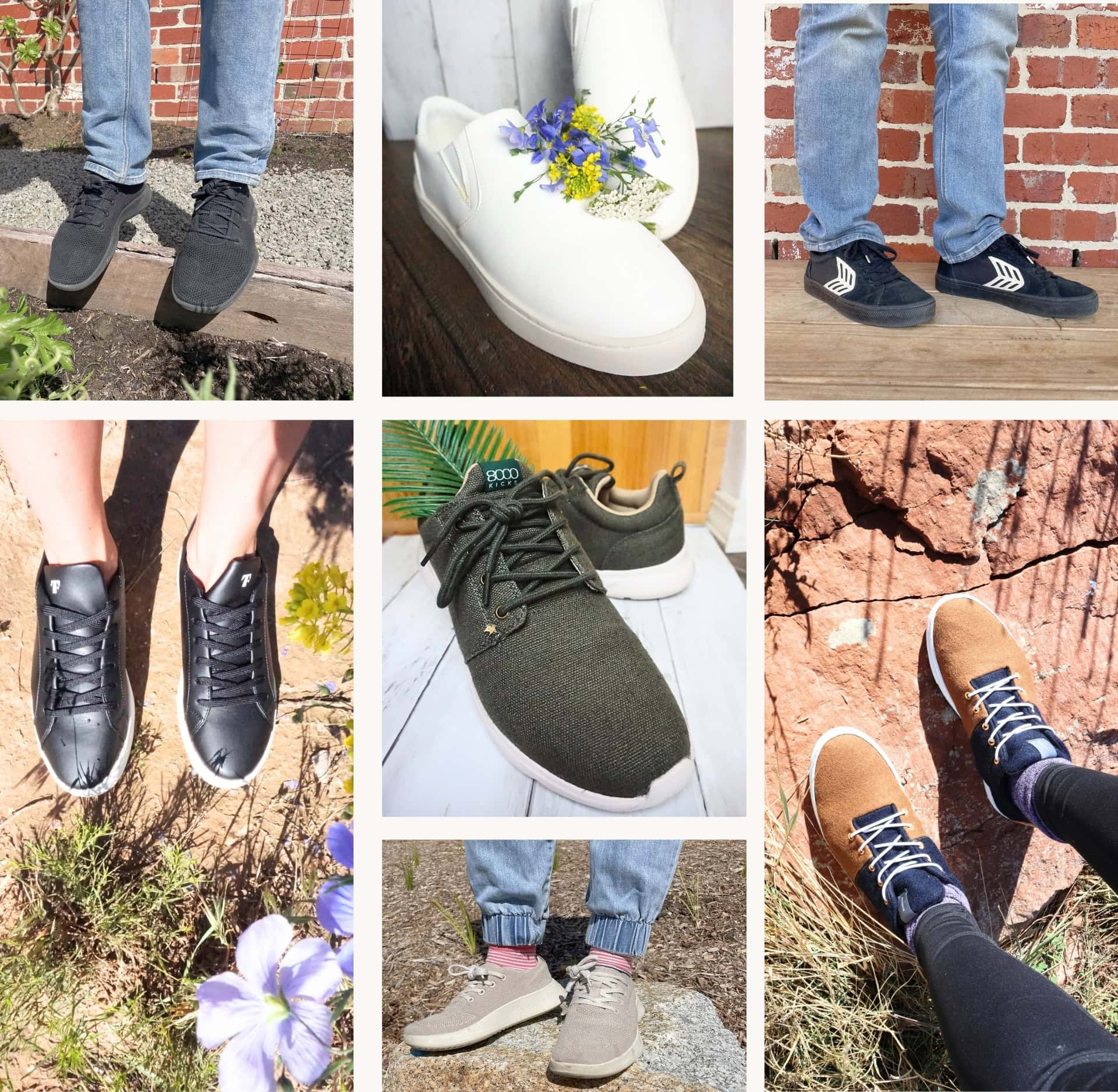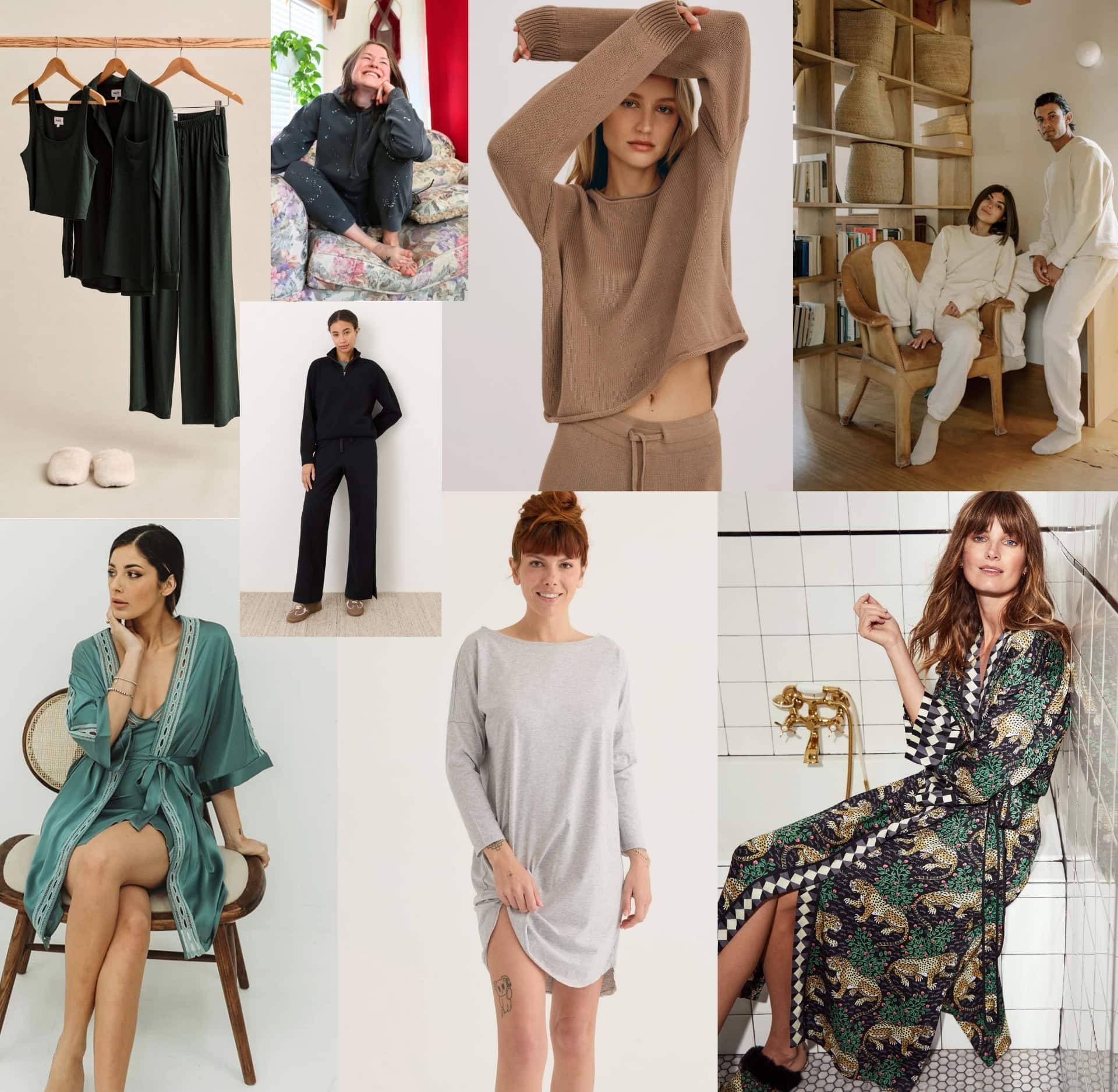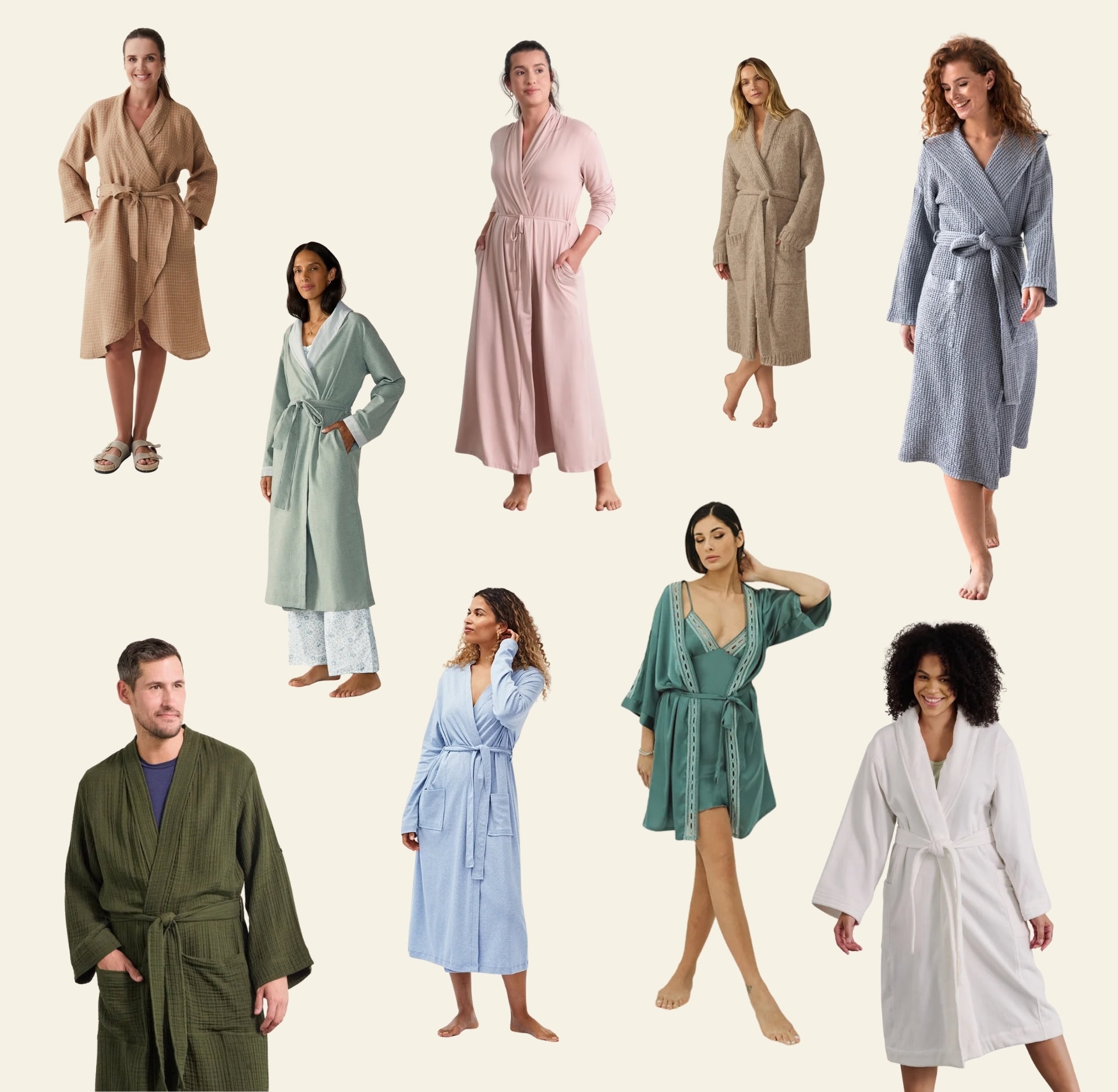













Most clothing is designed to be replaced, not kept. Fast fashion brands release new collections weekly, using cheap materials and exploitative labor to sell garments at prices that don’t reflect their true cost. The result is an industry responsible for roughly 10% of global carbon emissions and enormous textile waste.
Slow fashion is the antidote. But it’s not just another way of saying “sustainable fashion.” Slow fashion brands specifically design timeless, classic pieces in small batches or made-to-order runs. Their ranges stay largely consistent season to season rather than chasing trends. The focus is on fewer, better garments you’ll wear for years rather than a closet full of pieces you’ll discard in months.
After researching dozens of brands and personally wearing pieces from several on this list, we’ve identified the best slow fashion brands that practice what they preach.
How Slow Fashion Differs from Sustainable Fashion
While these terms overlap, they’re not interchangeable. Sustainable fashion is a broad category covering any brand that prioritizes environmental and ethical practices — including large brands producing hundreds of styles per season, so long as they use sustainable materials and fair labor.
Slow fashion is more specific. It’s defined by how a brand approaches design and production:
- Releases fewer pieces and keeps core collections consistent year after year
- Produces in small quantities or made-to-order to avoid waste
- Designs garments meant to be worn across seasons and years, not for a single trend cycle
This distinction matters because if you’re searching for slow fashion brands, you’re likely looking for something different than a massive directory of sustainable labels. We share brands that embody a philosophy of less, better, and longer.
What We Looked For
- Timeless, classic designs that remain consistent across seasons rather than chasing fast-moving trends
- Small-batch or made-to-order production that avoids overproduction
- Sustainable and ethical materials (organic cotton, linen, TENCEL, recycled fibers)
- Fair labor practices with supply chain transparency, third-party audits, or certifications (GOTS, Fair Trade, B Corp, OEKO-TEX, etc.)
- Durability and quality construction
- Environmental commitments including low-waste packaging, carbon reduction, and circularity programs
We prioritized featuring rated brands who have been through our own sustainability assessment against 22 criteria. Find other rated brands in our sustainable brand directory.
Related Guides: What Is Slow Fashion?, Sustainable Clothing Brands, Fast Fashion Alternatives, Linen Clothing Brands, Capsule Wardrobe Guide, What Is Sustainable Fashion?
We independently research all featured brands, and we ask them to confirm their claims. In many cases we personally review recommended products. This post contains affiliate links which means we may earn a commission if you buy something. We explain this further in our Terms of Use.
The Best Slow Fashion Brands (As Rated)
Best Rated Linen: MagicLinen | Made-to-order linen, OEKO-TEX certified, rated “Disrupting” by SJ
Best Rated Artisan: Passion Lilie | Fair trade, organic cotton, hand-block printed, rated “Disrupting” by SJ
Best Rated For Kids: Hahaha | Small batch, GOTS-certified organic cotton garments, interchangeable patch system for restyling (over replacing), rated “Disrupting” by SJ
Best Rated Sleepwear: Maylyn & Co | BIPOC & queer-owned, vegan silk alternative, rated “Rising” by SJ
Best Permanent Collection: ASKET | Swedish essentials brand that never runs sales, every garment comes with an Impact Receipt
Best Made-to-Order: Mila.Vert | Minimalist Slovenian knitwear produced only when ordered, with custom sizing available
Best Handwoven: Ace & Jig | Custom textiles designed from scratch, each taking 6-12 months to develop with Fair Trade artisans
Best for Circularity: Kowtow | 100% Fairtrade organic cotton, plastic-free, free repairs, and a biochar take-back program
Index: Slow Fashion Clothing Brands
- MagicLinen Jump to brand
- Passion Lilie Jump to brand
- Hahaha Jump to brand
- Maylyn & Co Jump to brand
- Additional Slow Fashion Brands: Jump to brand
MagicLinen


Compostable
All or some products are compostable, either in an industrial facility or at home
Ethical Sourcing
Raw materials have been sourced ethically with people and planet in mind.
Handcrafted
Products have been made by hand, typically by an artisan or group of artisans.
Made To Order
Products can be made to order, thus limiting unnecessary production
Non-toxic
All products are made with ingredients or materials that are currently considered non-toxic
Plastic-free
All products are entirely plastic-free
Sustainable Materials or Ingredients
Either all or most products are made with sustainable materials or ingredients.
Thoughtful packaging
Product packaging has been designed and created with the end of life outcome in mind and can be easily recycled or composted.
Vegan
This brand does not use any animal products or by-products in their products
Woman Owned
This brand is owned by a woman or a group of women.
OEKO-TEX®
OEKO-TEX®
The OEKO-TEX® Standard 100 certification ensures that every component of a textile product (threads, buttons, zippers, and fabrics) has been independently tested for harmful substances. Managed by the International Association for Research and Testing in the Field of Textile and Leather Ecology, it guarantees products are safe for human health, meeting strict global limits for chemicals such as pesticides, heavy metals, formaldehyde, and PFAS.MagicLinen’s Slow Fashion Clothing
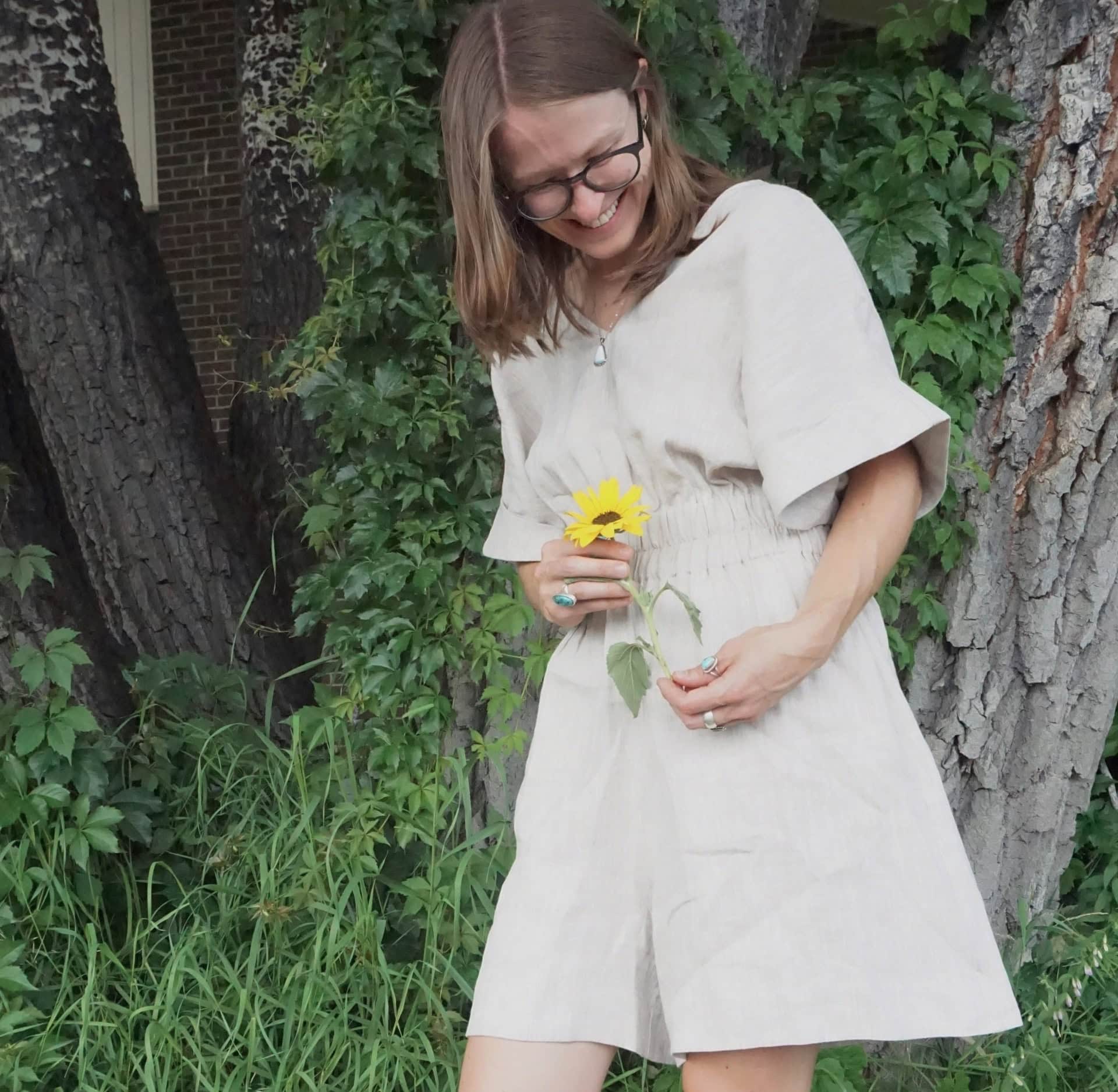
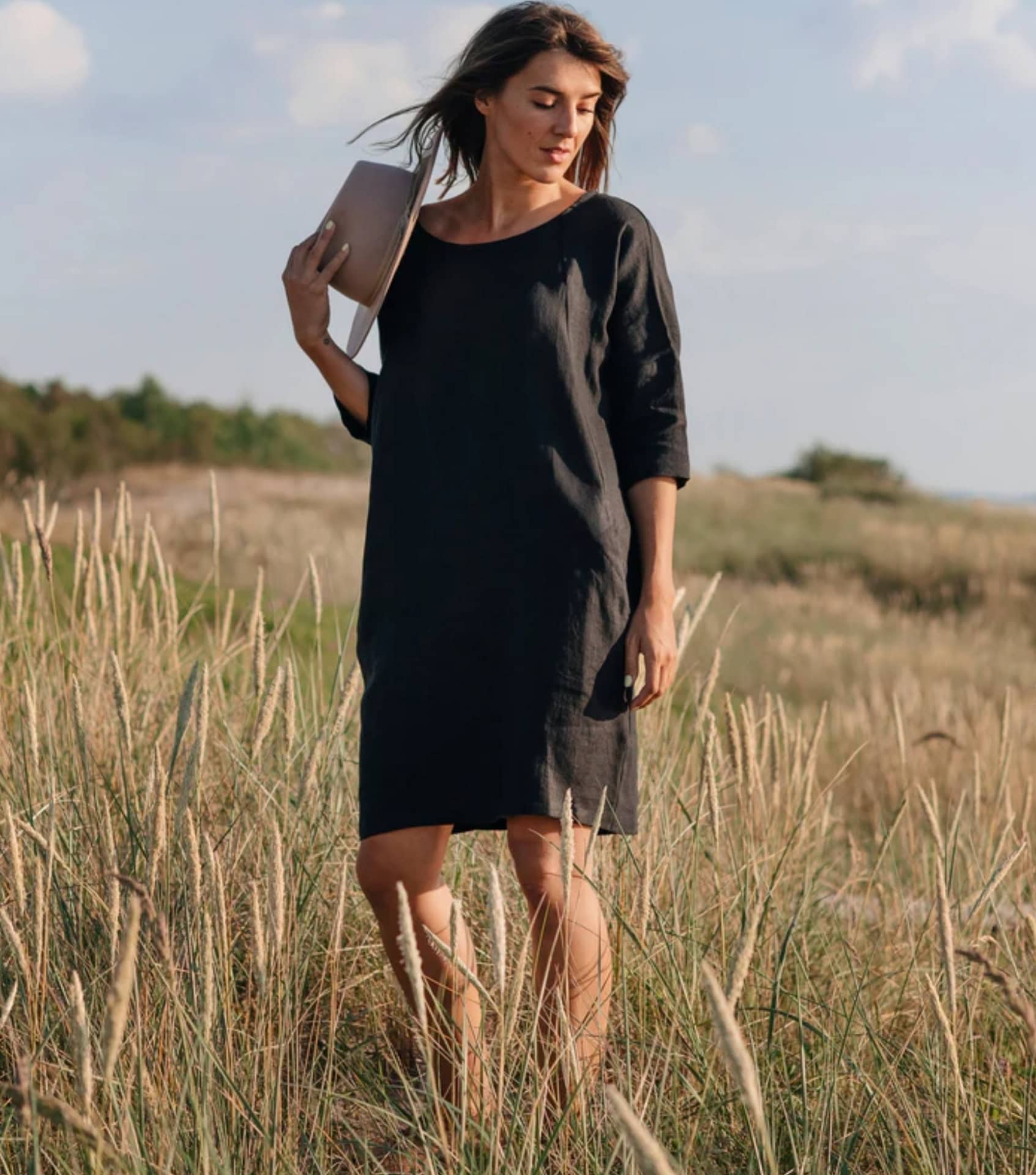
What they make: Timeless linen clothing, loungewear, pajamas, bedding, and home goods for men and women. Pieces include dresses, tops, pants, jumpsuits, and accessories. All made from 100% linen.
What makes it slow fashion: MagicLinen operates a made-to-order model, meaning garments are crafted only when you order them. This eliminates overproduction and warehouse waste. Their designs are classic and consistent and include simple silhouettes in natural colorways that don’t follow seasonal trends.
Materials: OEKO-TEX certified European linen, sustainably stone-washed for softness. Some items feature coconut buttons. All products are plastic-free.
Made in: Lithuania (in-house at their family-owned factory)
Supply chain & labor: MagicLinen’s factory in Lithuania crafts each piece in-house with fairly paid seamstresses. Third-party audited. The flax supply chain is local to Lithuania, supporting regional jobs and reducing transport emissions.
Sustainability highlights: Cornstarch and PBAT compostable mailers. Scrap linen repurposed into garment tags, tote bags, and seasonal items. Woman-owned. Supports local charities.
Sizing: XS–XL in most items
MagicLinen has been rated by Sustainable Jungle. See the full rating.
Personal Reviews of MagicLinen’s Slow Clothing
“I own the Royal TOSCANA linen dress in black and have had it for a few years now. I love that the design is timeless and still fully wearable. It’s a lovely flowing dress and has POCKETS! If I’m honest, I think it doesn’t really suit my short (non-slim) frame, but I wish it did because it’s gorgeous.”
Review by Joy McConnochie, SJ Co-Founder (tested over a few years)
“If you’re looking for easy, breezy, and effortless style, our favorite outfit combo is the Midway Loose-Fit Linen Top and Besalu Baggy Linen Pants. It fits beautifully and is so loose and comfortable that I can wear even these long pants on hot days. There’s no shortage of custom colorways to choose from, but I’m particularly fond of the Tuscan Red I chose for my sample—perfect for sipping some Tuscan red wine outside on a warm summer evening!”
Review by Amber McDaniel, SJ’s Head of Content
Passion Lilie
Ethical Sourcing
Raw materials have been sourced ethically with people and planet in mind.Handcrafted
Products have been made by hand, typically by an artisan or group of artisans.Non-toxic
All products are made with ingredients or materials that are currently considered non-toxic
Organic
Products are made from organic materials.Plastic-free
All products are entirely plastic-free
Small business
This brand is a small business run by less than 15 peopleSustainable Materials or Ingredients
Either all or most products are made with sustainable materials or ingredients.Thoughtful packaging
Product packaging has been designed and created with the end of life outcome in mind and can be easily recycled or composted.
Traceable Supply Chain
Brand is able to fully trace their entire supply chain from end to end.Vegan
This brand does not use any animal products or by-products in their productsWoman Owned
This brand is owned by a woman or a group of women.
Fair Trade
GOTS
Fair Trade
The Fair Trade certification ensures that products are made according to rigorous social, environmental, and economic standards that protect workers and the planet. Overseen by organizations such as Fair Trade USA and Fairtrade International, it guarantees fair wages, safe working conditions, environmental sustainability, and community development funds, helping producers build more equitable and resilient supply chains.GOTS
The GOTS (Global Organic Textile Standard) certification is the world’s leading standard for organic fibers. It covers every step of production, from harvesting raw fibers to environmentally and socially responsible manufacturing, and prohibits toxic dyes, GMOs, and harmful chemicals. GOTS also enforces fair labor practices.Passion Lilie’s Slow Fashion Clothing
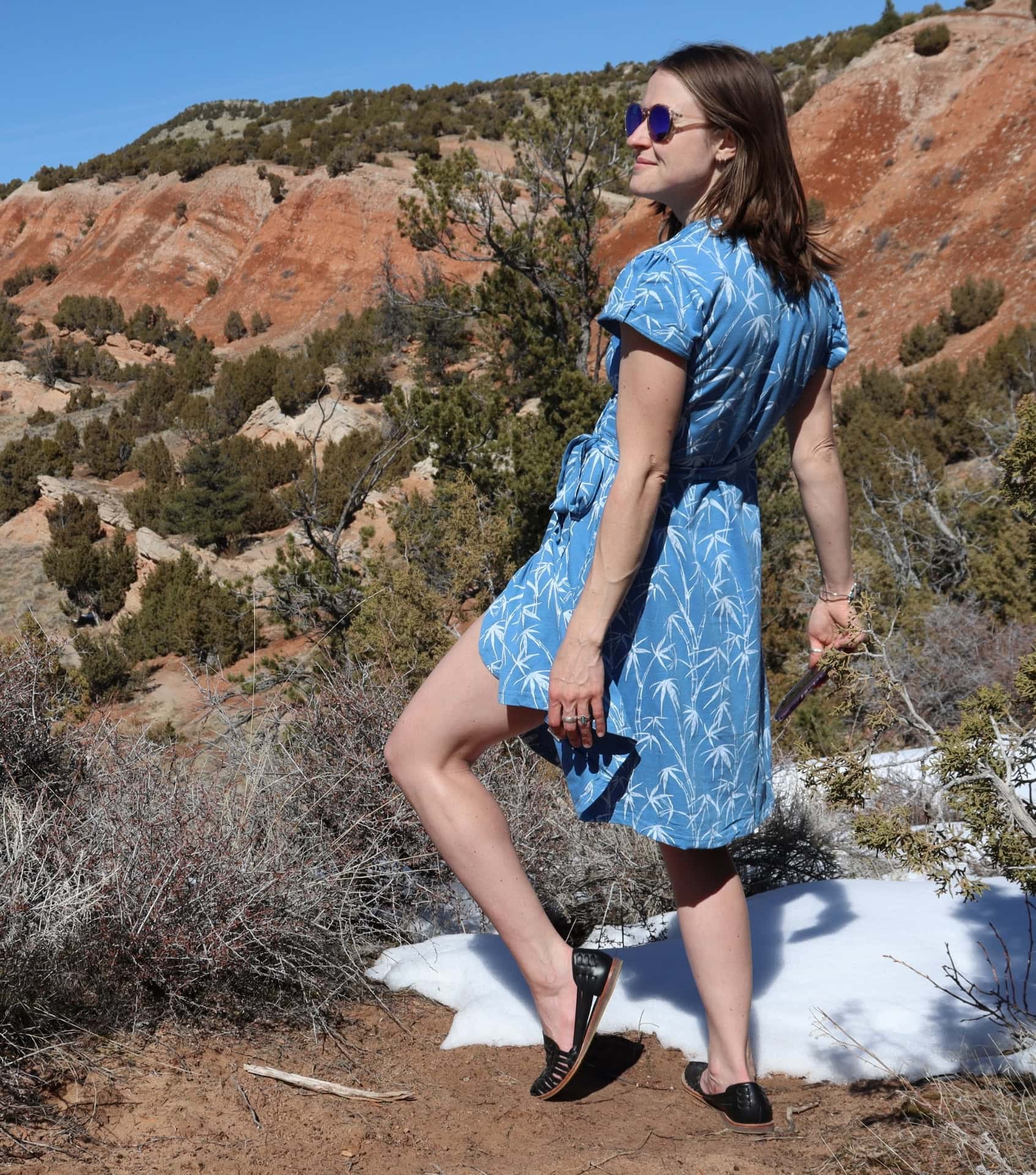
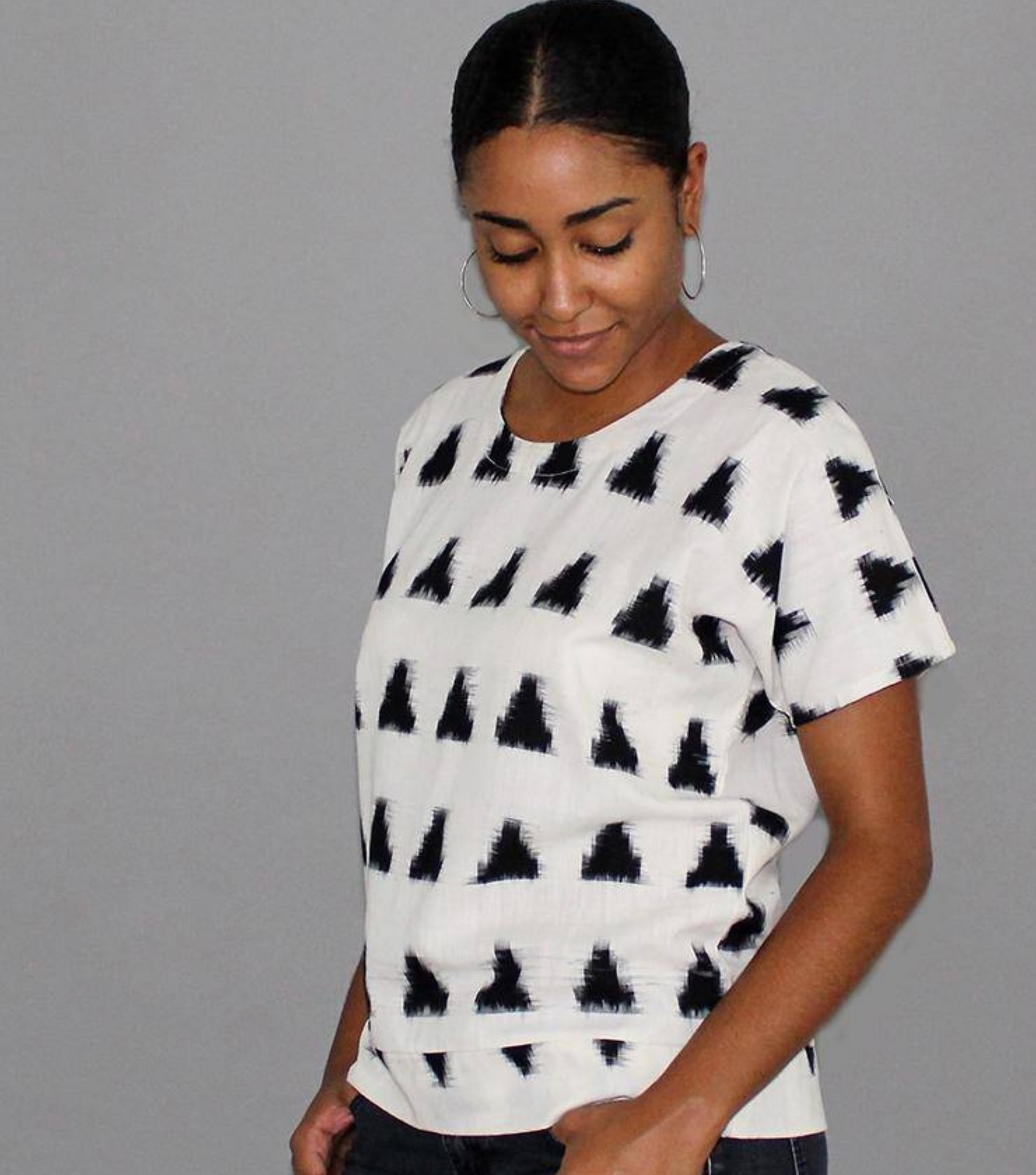
What they make: Women’s clothing including dresses, tops, skirts, pants, and accessories. Known for distinctive hand-block printed designs using traditional Indian artisan techniques.
What makes it slow fashion: Passion Lilie produces in small batches with artisan makers, keeping collections limited and intentional. Their hand-block printing techniques are inherently slow. Each piece requires skilled handwork, making mass production impossible. Designs are classic and wearable across seasons.
Materials: Organic cotton and natural fabrics. Hand-block printed using traditional techniques.
Made in: India (fair trade artisan workshops)
Supply chain & labor: Female-founded with a mission to empower fair trade, environmental stewardship, and local artisans. Direct maker relationships ensure fair wages and safe working conditions.
Sustainability highlights: Organic materials, small-batch production, artisan craftsmanship supporting traditional skills and local economies.
Passion Lilie has been rated by Sustainable Jungle. See the full rating and our interview with their founder.
Personal Review of Passion Lilie’s Coastal Organic Wrap Dress
“I own two Passion Lilie dresses and the Coastal Organic Wrap Dress is hands down my favorite. I’ve actually been searching for this exact wrap style for years, ever since I had to return a nearly identical one that was part of a work uniform I genuinely loved (a rarity). So when this dress arrived, I was thrilled. The design is really clever: there’s an inner opening to loop one of the ties through before wrapping, which keeps everything firmly in place even when you’re on the move. Living in Wyoming where wind is basically a permanent weather feature, that secure fit is a huge plus.”
Review By Amber McDaniel, SJ’s Head of Content (tested over several months)
Hahaha
Ethical Sourcing
Raw materials have been sourced ethically with people and planet in mind.
Locally Made
Products are made local to the brand's headquarters.Non-toxic
All products are made with ingredients or materials that are currently considered non-toxicOrganic
Products are made from organic materials.Small business
This brand is a small business run by less than 15 peopleSustainable Materials or Ingredients
Either all or most products are made with sustainable materials or ingredients.Thoughtful packaging
Product packaging has been designed and created with the end of life outcome in mind and can be easily recycled or composted.Vegan
This brand does not use any animal products or by-products in their products
GOTS
OEKO-TEX®
GOTS
The GOTS (Global Organic Textile Standard) certification is the world’s leading standard for organic fibers. It covers every step of production, from harvesting raw fibers to environmentally and socially responsible manufacturing, and prohibits toxic dyes, GMOs, and harmful chemicals. GOTS also enforces fair labor practices.OEKO-TEX®
The OEKO-TEX® Standard 100 certification ensures that every component of a textile product (threads, buttons, zippers, and fabrics) has been independently tested for harmful substances. Managed by the International Association for Research and Testing in the Field of Textile and Leather Ecology, it guarantees products are safe for human health, meeting strict global limits for chemicals such as pesticides, heavy metals, formaldehyde, and PFAS.Hahaha’s Slow Fashion Clothing
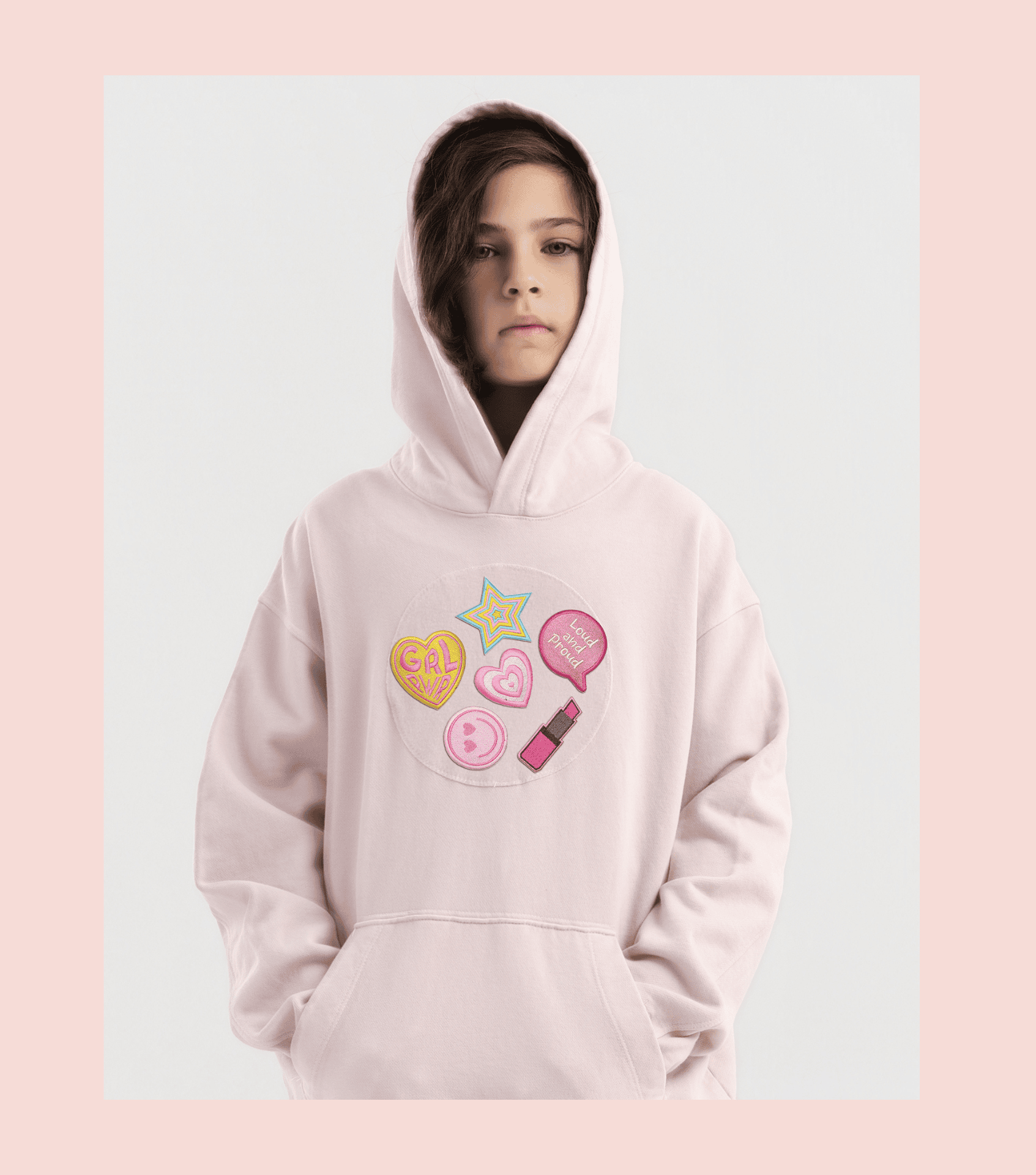
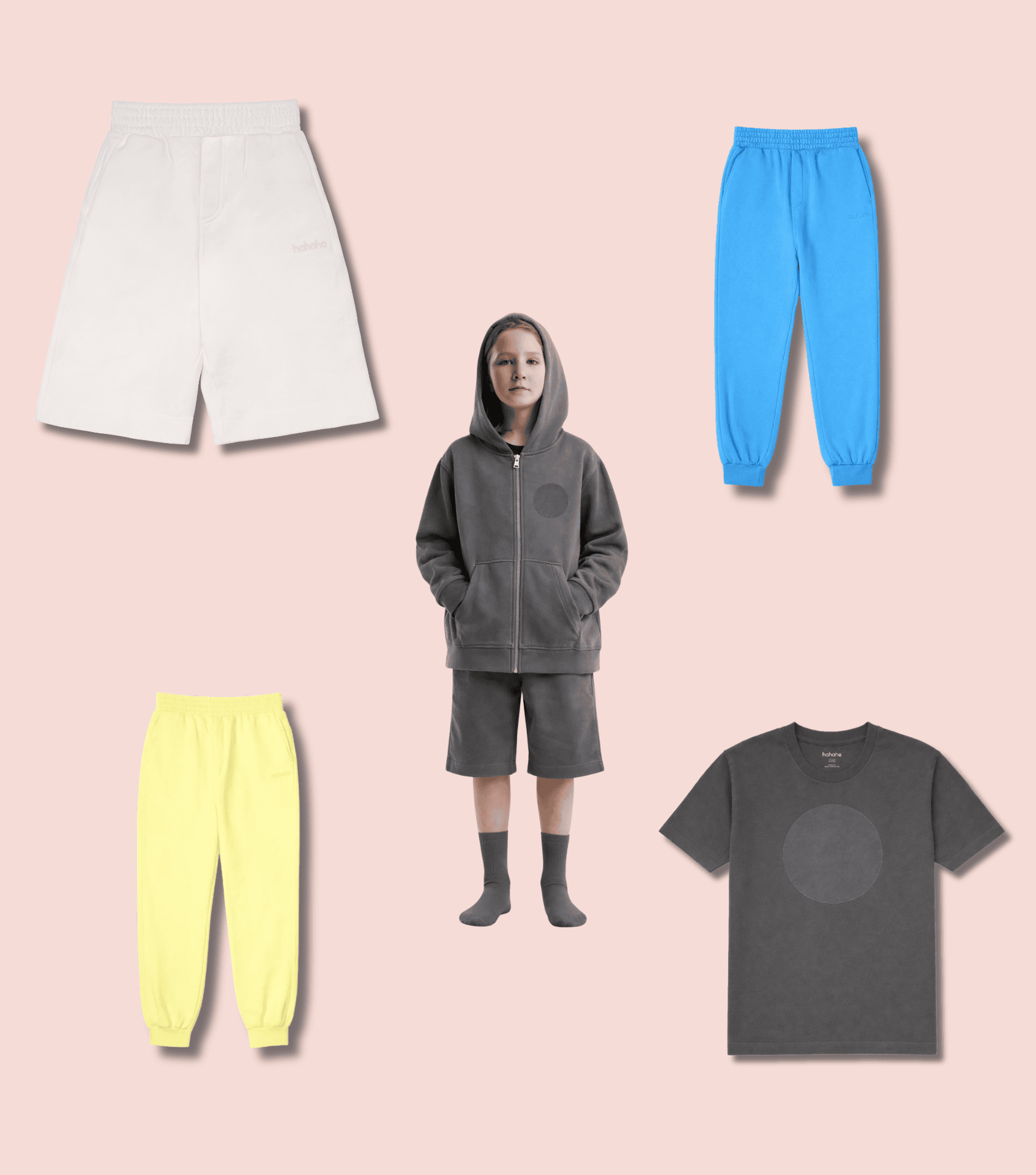
What they make: Kids’ streetwear, accessories, and embroidered patches. The range includes hoodies, tees, joggers, and customizable cultural heritage patch collections celebrating Native American, Mexican, Chinese, Indian, and Armenian communities.
What makes it slow fashion: Hahaha manufactures in small, planned production runs with garments produced to order rather than in bulk. Their interchangeable hook-and-loop patch system lets kids refresh and restyle a single garment as their interests change, reducing the need for new clothing. Each garment also carries a sewn-in label encouraging parents to pass it on to another child when outgrown.
Materials: 100% GOTS-certified organic cotton with no synthetic blends or conventional cotton. All fabrics are OEKO-TEX Standard 100 certified, independently tested against over 350 harmful substances for children’s skin safety. Patches comply with CPSC small parts safety requirements.
Made in: Los Angeles, California (by Euphoric Colors, an independent cut-and-sew facility)
Supply chain & labor: All production takes place at a single LA-based manufacturer operating under California labor law. GOTS certification covers social criteria including fair wages, no child labor, and safe working conditions. The founding team maintains a close, direct relationship with their manufacturing partner.
Sustainability highlights: Recyclable kraft paper packaging with no plastic poly bags for individual garments. 100% vegan (no animal-derived materials). Founded by an Armenian-American immigrant entrepreneur. Very small business with fewer than 15 people.
Sizing: 3-12 years
Hahaha has been rated by Sustainable Jungle. See the full rating.
Maylyn & Co
Ethical Sourcing
Raw materials have been sourced ethically with people and planet in mind.
Inclusive
Brand offers a range of products that are considered inclusive to a wider group of people.
Minority Owned
Brand is owned by Black, Indigenous, and/or people of color.Non-toxic
All products are made with ingredients or materials that are currently considered non-toxic
Recycled materials
Some or all products are made with recycled materialsSmall business
This brand is a small business run by less than 15 peopleSustainable Materials or Ingredients
Either all or most products are made with sustainable materials or ingredients.Thoughtful packaging
Product packaging has been designed and created with the end of life outcome in mind and can be easily recycled or composted.Vegan
This brand does not use any animal products or by-products in their productsWoman Owned
This brand is owned by a woman or a group of women.
PETA
PETA
The PETA-Approved Vegan certification verifies that a brand’s certified products are completely free from animal-derived materials and that no animal testing is conducted at any stage of production. Managed by People for the Ethical Treatment of Animals (PETA), the label helps consumers easily identify fashion, beauty, and lifestyle products that align with a fully vegan and cruelty-free standard.Maylyn & Co’s Slow Fashion Sleepwear
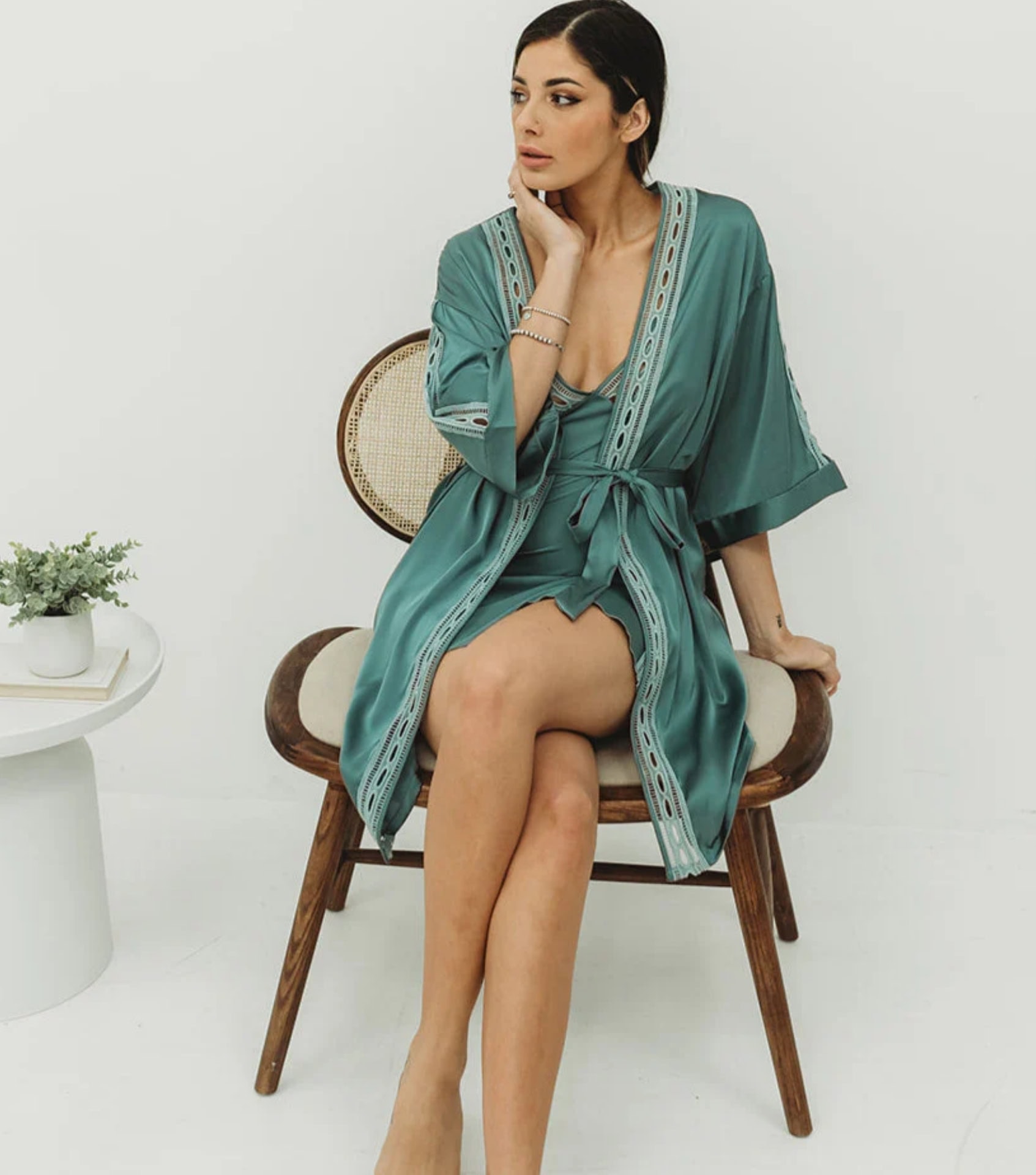
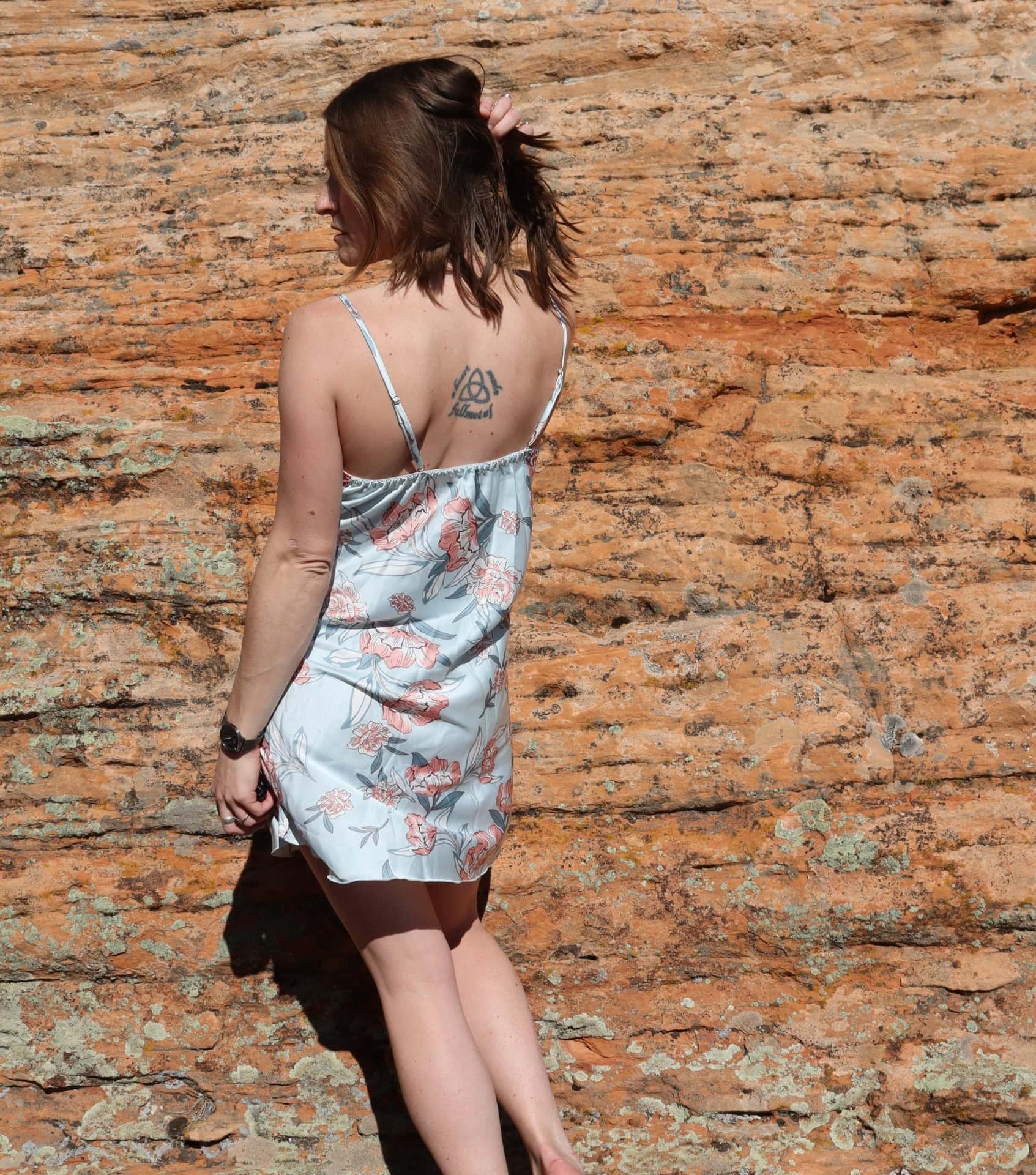
What they make: Luxurious sleepwear and bedding made from a vegan silk alternative material.
What makes it slow fashion: Maylyn & Co produces in small batches with a focused, intentional product range. Rather than expanding into dozens of categories, they specialize in doing sleepwear exceptionally well with unique, high-quality vegan materials.
Materials: Proprietary vegan silk alternative. PETA-approved vegan.
Made in: Canada
Supply chain & labor: BIPOC, queer, and woman-owned. Combines responsible sourcing with thoughtful, small-batch production.
Sustainability highlights: Vegan materials, small-batch production, Canadian-made.
Maylyn & Co has been rated by Sustainable Jungle. See the full rating.
Personal Review of Maylyn & Co’s Slow Clothing
“Maylyn & Co was born out of frustration with synthetic fabrics that feel suffocating against the skin, and as someone who’s experienced that same irritation, I was excited to try their Blueporium Sleepwear chemise. I don’t typically reach for lingerie-style pieces, so I was pleasantly surprised by how this one strikes the perfect balance between feeling flirty and being genuinely comfortable with good coverage. The vegan silk is incredibly soft and has that luxurious silky feel without any of the ethical concerns that come with conventional silk production. It’s become a go-to for me.”
Review By Amber McDaniel, SJ’s Head of Content (tested over several months)
Additional Slow Fashion Brands:
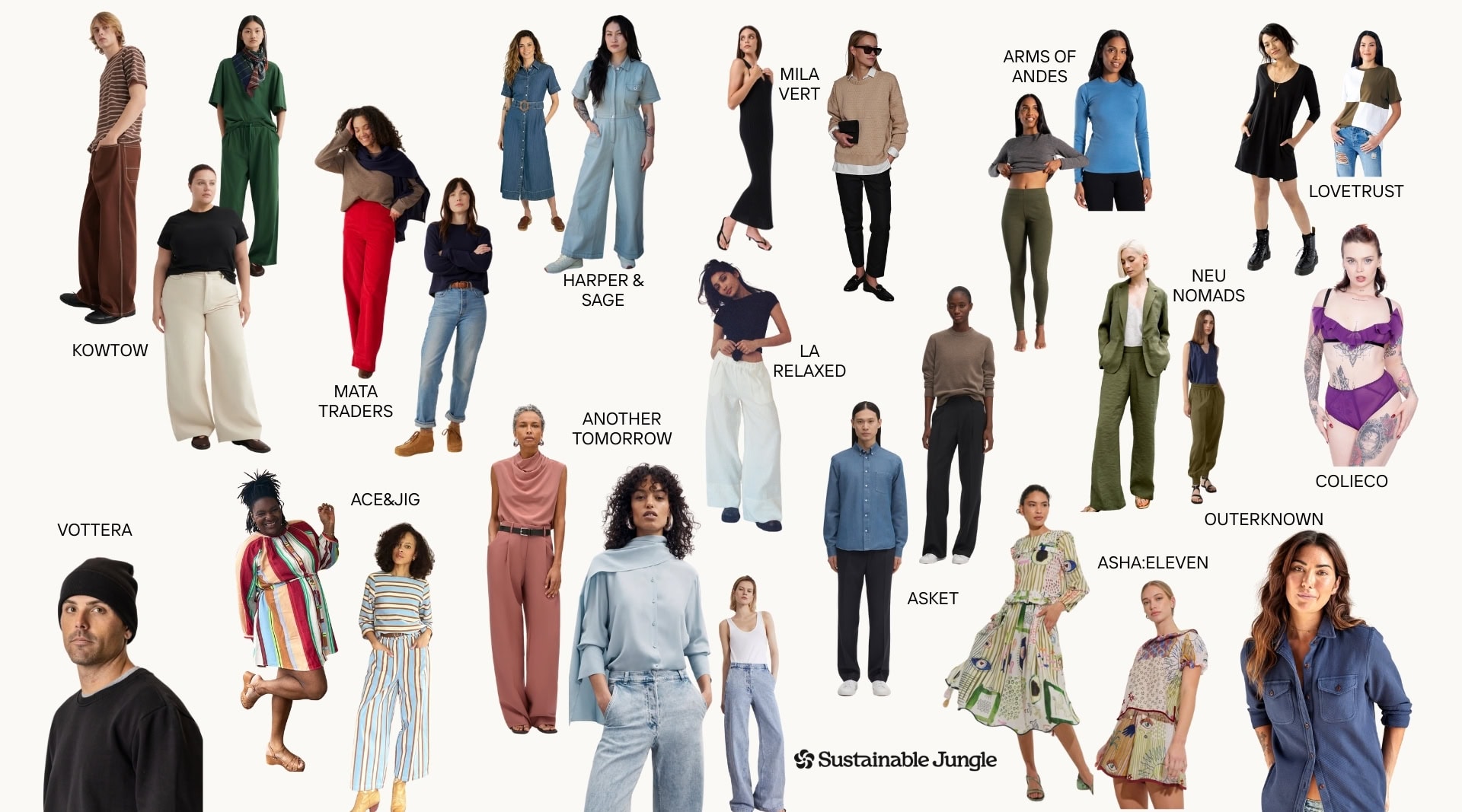
Harvest & Mill
Makes 100% organic cotton basics that are grown, milled, and sewn entirely in the USA — seed to stitch.
What makes them slow fashion: Their complete American supply chain is fully traceable, and their product range stays focused on essential basics (tees, joggers, sweatpants, socks) in natural and dyed organic cotton. Carbon neutral.
Classic T-Shirt Company
Specializes in premium organic cotton t-shirts made in the USA.
What makes them slow fashion: They do one thing (t-shirts) and do it extremely well, with a focused range of cuts and necklines. The deliberate simplicity of their range is slow fashion in its purest form.
Etiko
An Australian Fair Trade certified brand making sneakers, t-shirts, underwear, and basics from organic and Fairtrade cotton.
What makes them slow fashion: As Australia’s first fully Fairtrade certified fashion brand, they keep their range tight and focused on ethical essentials including classic sneaker silhouettes, plain tees, and basics that don’t change with trends.
ColieCo
A sustainable lingerie and swimwear brand handcrafting every piece to order in their own studio in Sagres, Portugal. Uses TENCEL lyocell, bamboo silk, recycled RPET prints, and reclaimed mesh from industry offcuts.
What makes them slow fashion: Made-to-order production means zero overstock and zero waste. Because everything is produced in-house, they can guarantee fair wages and safe working conditions for every worker involved. Fabrics are either inherently low-carbon or reclaimed from mainstream fashion industry waste.
Arms of Andes
A Peruvian-American outdoor apparel brand making performance clothing from 100% alpaca wool. Founded by siblings Meli and Rensso Hinostroza.
What makes them slow fashion: Small consistent range. Their entire supply chain, from fleece sourcing to garment assembly, stays in Peru for full traceability and a minimal carbon footprint. Alpaca wool comes from family-run farms in the Andes where animals are free-roaming. Many garments are 100% biodegradable using natural dyes. PFAS-free. Compostable packaging.
ASKET
A Swedish brand built around a “Permanent Collection” of wardrobe essentials, adding only 3-4 new styles per year.
What makes them slow fashion: Every garment comes with an Impact Receipt showing its full cost breakdown, traceability, and CO2 emissions. They use organic cotton, traceable merino wool, and recycled fabrics, with supply chains certified by WRAP, SA8000, OEKO-TEX, and/or GOTS. They never run sales or promotions.
Harper Sage
A women-owned brand combining feminine and functional styles using deadstock cotton, linen, and TENCEL lyocell.
What makes them slow fashion: 70% of their fabric comes from deadstock sources, and the founder hand-selects fabrics from local Indian markets near their Sedex-certified factory, keeping production small and intentional.
LOVETRUST
A Brooklyn-based brand offering affordable, GOTS-certified organic cotton basics all under $100.
What makes them slow fashion: Simple, timeless designs with a SMETA-certified manufacturer ensuring fair wages, plus a curated vintage collection called LT’s Vault. One of the most affordable slow fashion brands available.
Neu Nomads
Founded by two former fast fashion insiders who decided to build the opposite kind of brand.
What makes them slow fashion: Wardrobe staples produced with a clean supply chain, using organic cotton and low-impact dyes in certified facilities. Designs are versatile and season-proof.
Outerknown
A California-based brand co-founded by surfer Kelly Slater, focused on surf-inspired casualwear.
What makes them slow fashion: Core range of the famous, timeless blanket shirt. 95% preferred fiber usage (organic & recycled), FLA-accredited supply chain, lifetime warranty on S.E.A. denim, and a resale platform (Outerworn) for pre-loved pieces. Designs are clean and timeless.
Mata Traders
A fair trade fashion brand making vibrant, print-forward women’s clothing in ethical factories in India and Nepal.
What makes them slow fashion: They work directly with artisan communities, producing limited runs of bold, timeless designs with fair wages and safe conditions certified to fair trade standards.
Kowtow
A New Zealand-based Certified B Corp making 100% Fairtrade organic cotton clothing that is entirely plastic-free. Founded in 2006, they work with GOTS-certified manufacturing partners in India.
What makes them slow fashion: Kowtow designs with longevity in mind, avoiding trend cycles entirely. Every garment is plastic-free down to the trims and labels. They offer free repairs, run a take-back program that converts end-of-life garments into biochar for soil regeneration, and operate a 9-day working fortnight for staff. Living wage accredited.
Ace & Jig
A bicoastal womenswear brand that designs every textile from scratch, with custom yarn-dye woven fabrics created in collaboration with Fair Trade Certified partners in India. Founded in 2009.
What makes them slow fashion: Each textile is designed in-house and takes six months to over a year to develop. All fabrics are 100% GOTS-certified organic cotton, Fair Trade Certified, and woven by skilled artisans. They run a community closet resale portal and reuse textile offcuts. Plastic-free, recyclable packaging.
Another Tomorrow
A New York-based Certified B Corp luxury label with full supply chain traceability down to the farm level. Uses blockchain-based digital product passports so customers can trace each garment’s journey via QR code.
What makes them slow fashion: Every material decision is guided by three pillars: human, animal, and environmental welfare. They use ethical wool from Tasmanian farms, organic cotton, organic linen, and recycled cashmere. The authenticated resale program extends garment life. Founded by former Morgan Stanley managing director Vanessa Barboni Hallik.
Mila.Vert
A Slovenian brand creating minimalist, timeless womenswear from GOTS-certified organic cotton, TENCEL, and European linen. All-woman team. PETA-certified vegan.
What makes them slow fashion: Everything is produced in small batches using a made-to-order and pre-order system to minimize waste. Manufacturing happens entirely in Slovenia across family-owned partner facilities, ensuring full traceability and fair wages. Designs are classic silhouettes that don’t follow trends, and they offer custom sizing.
LA Relaxed
A Los Angeles brand that designs and manufactures everything under one roof in their own Downtown LA factory. GOTS-certified organic cotton core collection, plus linen, TENCEL, and regenerative cotton from California’s Central Valley.
What makes them slow fashion: Every garment is assembled in under 100 footsteps from design studio to production line. Limited runs to avoid overproduction. Fabrics are sourced within a 10-mile radius from local mills. Living wages for all workers. Plastic-free packaging.
Vottera
A Regenerative Organic Certified (ROC) cotton apparel brand launched in 2025 by the father-daughter team behind Terra Thread. Their cotton comes from 432 Indigenous farmers in India.
What makes them slow fashion: Every garment is traceable from seed to stitch. The cotton is grown using regenerative organic agriculture that rebuilds soil health and biodiversity. Fair Trade Certified factory. GOTS certified. The range is intentionally focused on everyday essentials: tees, hoodies, sweatshirts, polos, and beanies.
Asha:Eleven
A Cape Town-based ethical womenswear brand founded in 2018 by Kenyan-born designer Olivia Kennaway. Uses natural, biodegradable, and upcycled textiles with custom prints created using OEKO-TEX certified digital printing to minimize water use. We interviewed Olivia on our podcast and own a few of their pieces!
What makes them slow fashion: Olivia works hands-on with local African suppliers, artisans, and craftspeople, incorporating traditional skills into every collection. Designs are timeless and trans-seasonal rather than trend-driven, with zero-waste pattern cutting and small-batch production. Part of the Fashion Revolution South Africa team. Offers a repair service to extend garment life.
What Makes a Brand "Slow Fashion"?
Slow fashion is both a philosophy and a set of practices. While there’s no single certification for “slow fashion,” genuine slow fashion brands share several defining characteristics.
Timeless Design Over Trends
The most fundamental aspect of slow fashion is that designs don’t chase seasonal trends. Slow fashion brands create pieces you can wear year after year. Think classic cuts, neutral or enduring colorways, and versatile silhouettes. Some brands, like ASKET, formalize this with a “permanent collection” model.
Small-Batch or Made-to-Order Production
Fast fashion’s core problem is overproduction in that brands manufacture millions of garments before anyone has even ordered them. Slow fashion brands produce in small batches or make items to order, meaning less waste, less unsold inventory heading to landfill, and more intentional use of resources.
Quality Materials and Construction
Slow fashion garments are built to last using higher-quality fabrics (organic cotton, linen, TENCEL, merino wool), reinforced stitching, and construction that withstands repeated wear and washing.
Ethical and Transparent Supply Chains
Knowing who made your clothes and that they were paid fairly is central to slow fashion. Look for third-party audits (SMETA, Sedex, SA8000), fair trade certification, or direct maker relationships.
Environmental Responsibility
Slow fashion brands typically use lower-impact materials, minimize packaging waste, reduce transport emissions, and increasingly offer repair, resale, or recycling programs.
How to Identify The Best Slow Fashion Brands
Positive signals:
- A small, consistent product range that doesn’t dramatically change each season
- Transparency about where and how garments are made
- Use of certified materials (GOTS, OEKO-TEX, Fair Trade)
- No constant sales, discounts, or pressure to buy more
- Garment care instructions and repair/longevity support
Red flags:
- Hundreds of new styles per month (regardless of sustainability claims)
- Heavy reliance on “limited drops” creating artificial urgency
- Vague sustainability language without specific certifications or supply chain details
Slow Fashion on a Budget
Slow fashion doesn’t have to be expensive. While quality costs more per garment, you buy less often, so the cost per wear is often lower than fast fashion. Some tips:
- LOVETRUST keeps everything under $100 with GOTS organic cotton
- Etiko offers Fair Trade basics at accessible Australian pricing
- Secondhand and thrift shopping is the most affordable slow fashion of all
- Capsule wardrobe principles: fewer versatile pieces that mix and match
- Transition gradually by replacing fast fashion items one at a time as they wear out
Frequently Asked Questions About Slow Fashion Brands
What is slow fashion?
Slow fashion is an approach to clothing that prioritizes quality, longevity, and ethical production over speed and volume. Slow fashion brands produce timeless designs in small batches or made-to-order, using sustainable materials and fair labor practices. The term was coined by design activist Kate Fletcher in 2007 as a counterpoint to fast fashion.
What are the best slow fashion brands?
Based on our research and ratings, MagicLinen (made-to-order linen from Lithuania), Passion Lilie (fair trade artisan clothing from India), Maylyn & Co (permanent, luxury collection) and ASKET (permanent collection essentials from Sweden) are among the best slow fashion brands. Each takes a slower approach to design and production vs being a sustainable brand with a large catalog.
Is slow fashion the same as sustainable fashion?
Not exactly. We think of it like this: Sustainable fashion is broader, covering any brand that prioritizes environmental and ethical practices and includes large brands with hundreds of styles. Slow fashion is more specific, emphasizing small-batch production, timeless design, and a deliberate rejection of trend-driven cycles.
Is slow fashion expensive?
Per garment, slow fashion typically costs more than fast fashion because it reflects the true cost of quality materials and fair wages. However, slow fashion garments last significantly longer, so the cost per wear is often lower. Brands like LOVETRUST (under $100) and Etiko show that slow fashion can be affordable.
What is the difference between slow fashion and fast fashion?
Fast fashion brands release new collections weekly, using cheap materials and low-cost labor to sell high volumes at low prices. Slow fashion brands release fewer designs, produce in small quantities, use higher-quality materials, pay fair wages, and design pieces meant to be worn for years.
Can men find slow fashion brands?
Yes. ASKET, Harvest & Mill, Classic T-Shirt Company, Outerknown, and Etiko all offer men’s clothing. MagicLinen also carries men’s linen pieces.
What materials do slow fashion brands use?
Common materials include organic cotton (often GOTS certified), linen, hemp, TENCEL lyocell and modal, merino wool, recycled cotton, recycled polyester, and deadstock fabrics. These are chosen for durability and lower environmental impact.
How do I start building a slow fashion wardrobe?
Start with what you already own. Then wear, mend, and care for existing clothes. When you need to replace something, choose one quality piece from a slow fashion brand rather than multiple cheap items. Consider secondhand shopping first. Transition gradually over time.
Final Thoughts on the Best Slow Fashion Brands
Building a wardrobe around slow fashion is one of the most impactful things you can do as a consumer. It means buying less, choosing better, and supporting brands that value people and planet over profit margins and trend cycles.
The brands on this list represent a range of styles, price points, and specialties. From MagicLinen’s made-to-order linen to Passion Lilie’s fair trade artisan prints to ASKET’s permanent collection essentials. They all share a commitment to producing less, producing well, and creating garments designed to be kept, not discarded.
Slow fashion is the new black. It’s the only way to dress, and it’s where the fashion industry needs to go. Remember ASKET’s take on what slow fashion really means:
“Every garment has a story, a cost and an impact. Green, Conscious, Recycled or Offset isn’t moving the needle. In fact, it’s confusing us into thinking we can actually shop our way out of the problem.”
So the best thing we can do is wear what we already own or buy from second hand stores. Beyond that, join these slow fashion companies in saying F.U. to fast fashion and encourage friends to do the same by passing this article along.
Editor’s Note: Joy McConnochie has been researching and wearing sustainable and slow fashion for 8+ years as part of Sustainable Jungle’s mission to help people make more informed, environmentally responsible choices. All brands are independently researched, and in some cases rated using our comprehensive sustainability rating methodology. This article was first published in June 2021 and has been substantially updated in February 2026 with new rated brands, notable mentions, and additional context on what distinguishes slow fashion from sustainable fashion.

Joy has been a passionate advocate for the environment since she was a small child. She grew up in South Africa and has been lucky enough to be exposed to the wonders of nature not just in Africa but all over the world. She founded Sustainable Jungle (together with her husband Lyall) back in 2017 after becoming enraged by the devastating impact of palm oil. She then founded the Sustainable Jungle Podcast and together with Lyall interviewed remarkable people from all over the world who were finding ways to create positive impact. Outside of Sustainable Jungle, Joy has always worked in the corporate world, starting out as an auditor and later moving into management consulting. More recently she specialized in Climate Investing for the Asia Pacific region. Given her experience, her current passion is Brand Ratings. She is very much enjoying going deeper on what it really means to drive sustainability performance and true impact through business operations.