














It’s time to slow things down. The fashion industry produces billions of garments every year, most worn only a handful of times before being discarded. Behind those low price tags are high costs: unsafe working conditions, underpaid labor, and massive environmental impact. So finding fast fashion alternatives isn’t just about style, it’s about making sure our wardrobes reflect our values.
The best alternatives to fast fashion are brands that put people and the natural environment first, using sustainable fabrics like organic cotton, linen, and recycled fibers; maintaining transparent, ethical supply chains; reducing carbon emissions and waste; and promoting fair working conditions across their operations. In this list, we’ve featured brands that meet these standards, including several we’ve personally tested and others we’ve rated through our sustainability framework.
This article highlights just a small selection of the incredible sustainable fashion brands out there. If you don’t find what you’re looking for, check out our comprehensive guide to sustainable clothing brands and our Sustainable Jungle Brand Directory, which features all the brands we’ve rated in detail (and other great brands too). You can filter our directory for affordability, values, location, certifications, and more.
Read more about the fast fashion industry in our guide full of fast fashion facts.
We independently research all featured brands, and we ask them to confirm their claims. In many cases we personally review recommended products. This post contains affiliate links which means we may earn a commission if you buy something. We explain this further in our Terms of Use.
The Best Alternatives to Fast Fashion
Best Rated Overall (Rated): Organic Basics | GOTS and OEKO-TEX certified, Carbon Neutral, minimalist essentials personally tested | $$
Best Budget (Rated): Pact | GOTS-certified organic cotton, Fair Trade factories, wide range of everyday basics, personally tested | $-$$
Best for Kids (Rated): Hahaha | GOTS and OEKO-TEX certified, made-to-order in LA, unique restyling patch system, top 10% of rated brands | $$$
Best for Style: Reformation | Trend-led sustainable fashion with TENCEL™ and organic cotton, Climate Neutral Certified, third-party audited factories | $$$–$$$$
Best for Comfort: LA Relaxed | Timeless organic cotton staples, personally tested and loved by the SJ team | $$$
Best for Activists: Plant Faced Clothing | Organic cotton slogan tees screen printed in the UK with water-based inks, personally tested | $$
Index: Sustainable Alternatives To Fast Fashion
- Organic Basics Jump to brand
- Pact Jump to brand
- Hahaha Jump to brand
- Reformation Jump to brand
- LA Relaxed Jump to brand
- Mila.Vert Jump to brand
- Afends Jump to brand
- Plant Faced Clothing Jump to brand
- MATE The Label Jump to brand
- CHNGE Jump to brand
Organic Basics



Carbon Neutral
Brand has been certified as Carbon Neutral.
Ethical Sourcing
Raw materials have been sourced ethically with people and planet in mind.
Organic
Products are made from organic materials.
Recycled materials
Some or all products are made with recycled materials
Sustainable Materials or Ingredients
Either all or most products are made with sustainable materials or ingredients.
Thoughtful packaging
Product packaging has been designed and created with the end of life outcome in mind and can be easily recycled or composted.
1% for the planet
Better Work
FSC®
GOTS
GRS
OCS
OEKO-TEX®
REACH
WRAP
1% for the planet
Certified Environmental Giving — Businesses give 1% of their annual sales directly to vetted environmental partners.Better Work
The Better Work program is a collaboration between the International Labour Organization (ILO) and the International Finance Corporation (IFC) that aims to improve labor standards and business competitiveness in the global garment industry. It combines independent factory assessments with advisory services, training, and public reporting to promote safe working conditions, fair pay, and respect for workers’ rights.FSC®
The FSC® (Forest Stewardship Council) certification ensures that wood, paper, and other forest-based materials come from responsibly managed forests that provide environmental, social, and economic benefits. Products bearing the FSC® label support biodiversity, protect the rights of forest communities and workers, and promote sustainable forestry practices.GOTS
The GOTS (Global Organic Textile Standard) certification is the world’s leading standard for organic fibers. It covers every step of production, from harvesting raw fibers to environmentally and socially responsible manufacturing, and prohibits toxic dyes, GMOs, and harmful chemicals. GOTS also enforces fair labor practices.GRS
The GRS (Global Recycled Standard) certification, managed by Textile Exchange, verifies that products contain recycled materials and that these materials are tracked through the entire supply chain. It also ensures responsible social, environmental, and chemical practices in production.OCS
The OCS (Organic Content Standard) certification, managed by Textile Exchange, verifies the presence and amount of organic material in a final product. It tracks the certified organic content from the source to the finished good through a transparent chain-of-custody system, ensuring that labeling claims about organic composition are accurate and independently verified.OEKO-TEX®
The OEKO-TEX® Standard 100 certification ensures that every component of a textile product (threads, buttons, zippers, and fabrics) has been independently tested for harmful substances. Managed by the International Association for Research and Testing in the Field of Textile and Leather Ecology, it guarantees products are safe for human health, meeting strict global limits for chemicals such as pesticides, heavy metals, formaldehyde, and PFAS.REACH
The REACH Regulation (Registration, Evaluation, Authorisation and Restriction of Chemicals) is an EU law designed to protect human health and the environment from risks posed by chemicals. It requires companies to identify and manage chemical risks by registering substances they manufacture or import, ensuring safe use, and promoting the development of safer alternatives. Products compliant with REACH are free from the most harmful or restricted chemicals under EU standards.WRAP
The WRAP (Worldwide Responsible Accredited Production) certification ensures that manufacturing facilities operate safely, ethically, and lawfully. Focused primarily on the apparel, footwear, and sewn products industries, WRAP audits factories against 12 core principles covering labor rights, health and safety, environmental compliance, and legal operations.Pricing: $$
Organic Basics is one of the best ethical alternatives to fast fashion. The Danish brand specializes in minimalist, long-lasting essentials designed with sustainability in mind.
Their range is made primarily from GOTS-certified organic cotton and FSC-certified TENCEL™, with all fabrics meeting OEKO-TEX® Standard 100 and ZDHC chemical safety standards. Organic Basics partners with WRAP and Better Work–audited factories to ensure safe and fair conditions.
They’re also Carbon Neutral certified, measuring and offsetting emissions across their supply chain, and most products are PETA-approved vegan. The brand gives back through 1% for the Planet, supporting environmental initiatives worldwide.
Organic Basics has been rated & reviewed by Sustainable Jungle. See the full rating.
My Personal Review of Organic Basics’ Clothing Range:
“I have tried several items from Organic Basics’ line of basics including tees, joggers, socks, and underwear. Some of their items I’ve owned for years and years. I have found all their items to be of extremely high quality and very comfortable. Being European sizing, some items have been on the small side and the pants are really long (but they always are for me, irrespective of brand).”
Review by Joy McConnochie, SJ Co-Founder
Pact


Ethical Sourcing
Raw materials have been sourced ethically with people and planet in mind.
Non-toxic
All products are made with ingredients or materials that are currently considered non-toxicOrganic
Products are made from organic materials.Sustainable Materials or Ingredients
Either all or most products are made with sustainable materials or ingredients.Thoughtful packaging
Product packaging has been designed and created with the end of life outcome in mind and can be easily recycled or composted.
Vegan
This brand does not use any animal products or by-products in their products
Fair Trade
GOTS
Fair Trade
The Fair Trade certification ensures that products are made according to rigorous social, environmental, and economic standards that protect workers and the planet. Overseen by organizations such as Fair Trade USA and Fairtrade International, it guarantees fair wages, safe working conditions, environmental sustainability, and community development funds, helping producers build more equitable and resilient supply chains.GOTS
The GOTS (Global Organic Textile Standard) certification is the world’s leading standard for organic fibers. It covers every step of production, from harvesting raw fibers to environmentally and socially responsible manufacturing, and prohibits toxic dyes, GMOs, and harmful chemicals. GOTS also enforces fair labor practices.Price Range: $–$$
You can’t talk about affordable alternatives to fast fashion without mentioning Pact. The Colorado-based brand has undoubtedly left an imPACT on us. They’re one of our favorite sustainable basics brands with underwear, sleepwear, hoodies, tops, pants, leggings, dresses, and more.
Pact’s range is made with GOTS-certified organic cotton. Some products contain a small amount of elastane for added stretch. Majority of Pact’s organic cotton is sourced from India, supporting natural farming processes. They work predominantly with Fair Trade Certified factories that ensure safe working conditions and fair wages.
Pact partners with SimpliZero to measure and offset product CO2 emissions and ships in post-consumer recycled paper and biodegradable garment bags.
Pact has been rated by Sustainable Jungle. See the full rating.
My Personal Review of Pact’s Airplane Departure Set:
“I’ve been wearing this cozy set for the last few weeks. Since I haven’t actually been travelling during testing, the combo has been my go-to work from home outfit. It feels like a set of the comfiest day pajamas that look smart too. The fabric is soft, the designs sit beautifully, and I love the pockets. The pants are way too long for me (I’m 5″2) but these can be worn high which means I don’t have to get them taken up.”
Reviews by Joy McConnochie, SJ Co-founder
Hahaha
Ethical Sourcing
Raw materials have been sourced ethically with people and planet in mind.
Locally Made
Products are made local to the brand's headquarters.Non-toxic
All products are made with ingredients or materials that are currently considered non-toxicOrganic
Products are made from organic materials.
Small business
This brand is a small business run by less than 15 peopleSustainable Materials or Ingredients
Either all or most products are made with sustainable materials or ingredients.Thoughtful packaging
Product packaging has been designed and created with the end of life outcome in mind and can be easily recycled or composted.Vegan
This brand does not use any animal products or by-products in their products
GOTS
OEKO-TEX®
GOTS
The GOTS (Global Organic Textile Standard) certification is the world’s leading standard for organic fibers. It covers every step of production, from harvesting raw fibers to environmentally and socially responsible manufacturing, and prohibits toxic dyes, GMOs, and harmful chemicals. GOTS also enforces fair labor practices.OEKO-TEX®
The OEKO-TEX® Standard 100 certification ensures that every component of a textile product (threads, buttons, zippers, and fabrics) has been independently tested for harmful substances. Managed by the International Association for Research and Testing in the Field of Textile and Leather Ecology, it guarantees products are safe for human health, meeting strict global limits for chemicals such as pesticides, heavy metals, formaldehyde, and PFAS.Pricing: $$$
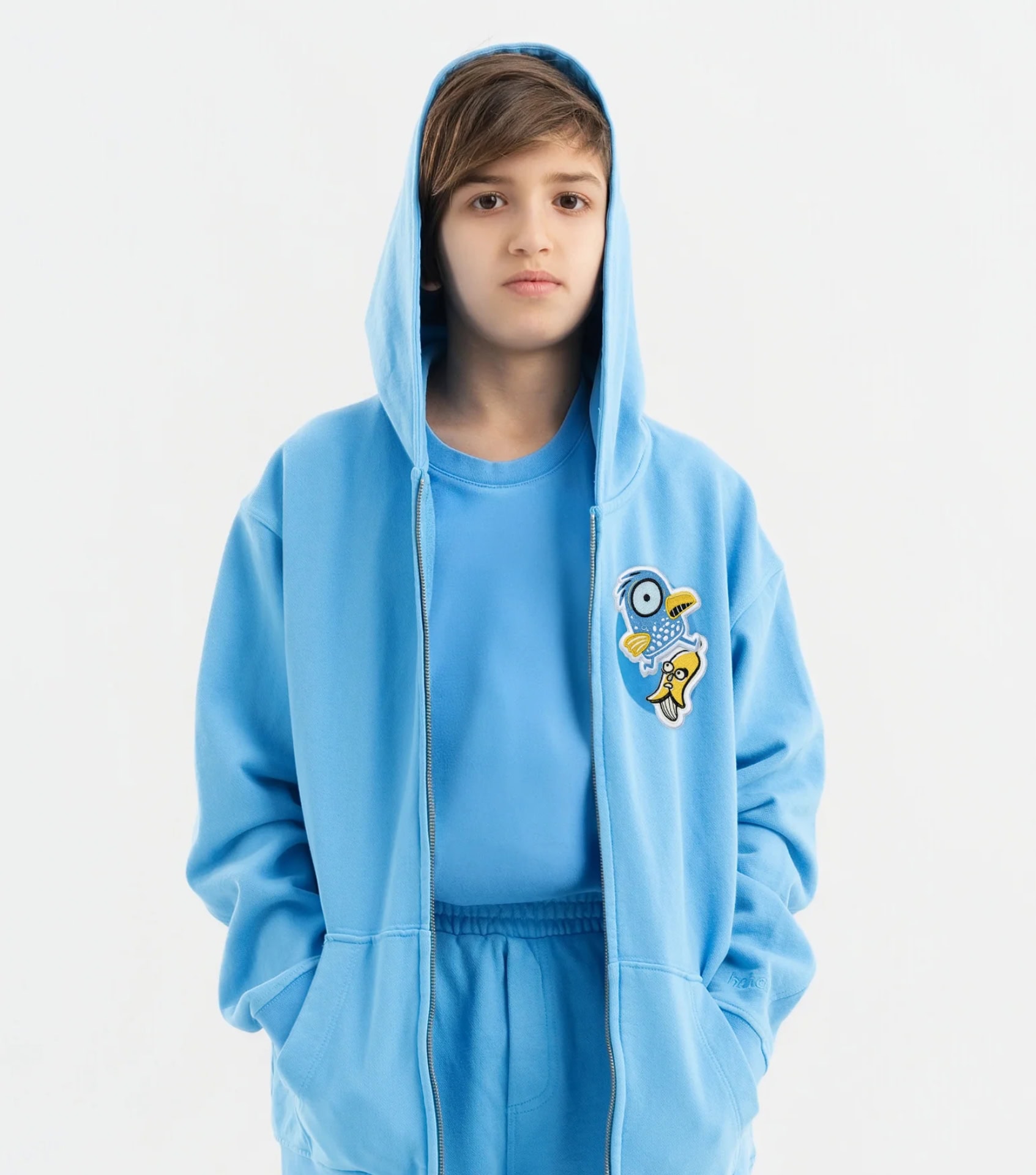
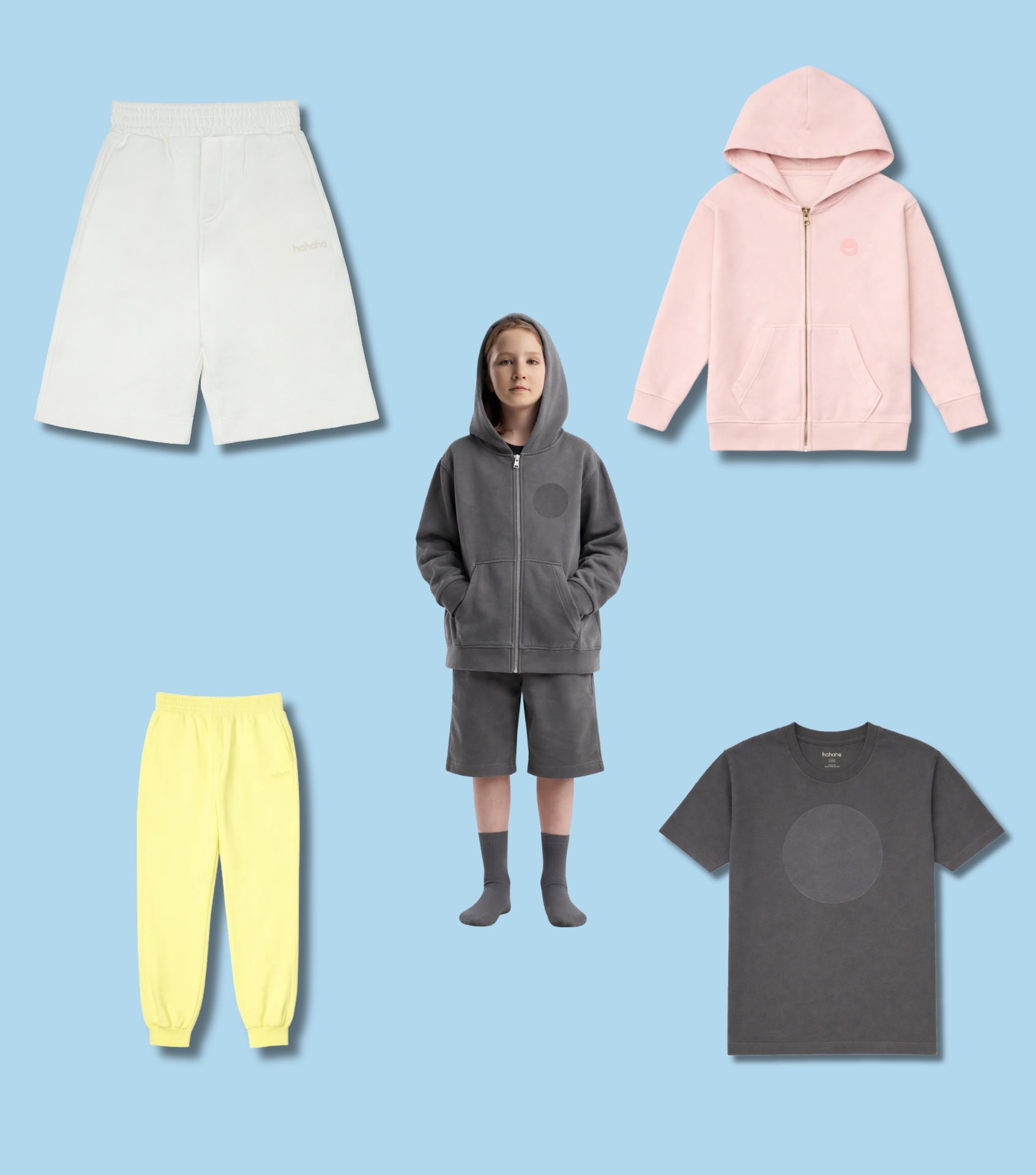
Hahaha is a Los Angeles-based children’s streetwear brand making playful, sustainable kids’ clothing entirely from 100% GOTS-certified organic cotton. All fabrics are also OEKO-TEX Standard 100 certified, independently tested against over 350 harmful substances, making them safe for children’s direct skin contact.
All garments are cut and sewn locally in LA by Euphoric Colors, an independent manufacturing partner operating under California labor law, with GOTS social criteria covering fair wages, no child labor, and safe working conditions. The brand’s interchangeable hook-and-loop patch system lets kids restyle garments as their interests change, reducing the need for constant new fast fashion clothing. Each piece also carries a sewn-in label encouraging parents to pass it on when outgrown.
Hahaha’s cultural heritage patch collections celebrate Native American, Mexican, Chinese, Indian, and Armenian communities, reflecting the diversity of its LA home base. The brand manufactures in small, made-to-order production runs to minimize waste.
Hahaha has been rated by Sustainable Jungle. See the full rating.
Reformation


Reformation has not been rated.
Price Range: $$$–$$$$
Reformation is committed to reforming the fashion industry from the inside out. Not only do they offer sustainable alt fashion options, but they’re also about making fashion accessible. They have something for every woman and every occasion—sustainable wedding dresses included. They also offer plenty of more casual wardrobe staples.
Reformation’s eco-friendly materials include TENCEL™ lyocell, REFIBRA™, modal, organic cotton, recycled cotton, and recycled cashmere. They follow a restricted substances list, and many of their dying partners are certified by OEKO-TEX 100 or bluesign®. You’ll still want to check material labels carefully, as the brand continues to use polyester and other fabrics we don’t recommend.
Reformation works with several factories in downtown LA, including one they own. They also have manufacturing partners around the globe—all of which adhere to a strict Code of Conduct and meet international standards for fair labor conditions and rights. Independent audits are carried out for Tier 1 and Tier 2 suppliers.
Reformation is Climate Neutral Certified and they’re also water neutral, and several of their retail stores and HQ are Green Business certified thanks to energy saving, water saving, recycling, and other green initiatives.
LA Relaxed

LA Relaxed has not been rated.
Price Range: $$–$$$
If you want one of the best non-fast fashion brands, get comfortable with LA Relaxed. Coco Maisonette started the brand shortly after her daughter was born to exemplify what it means to follow your dreams. The brand carries high-quality tops, dresses, blouses, trousers, shorts, and accessories made from eco-conscious materials.
LA Relaxed keeps its garments cozy with eco-friendly materials like GOTS-certified organic cotton, linen, deadstock fabrics, EcoViscose, and TENCEL™ lyocell. Their fabrics and garments are dyed at a BlueSign™ certified local dye house that uses non-toxic and low-impact processes.
It takes LA Relaxed just under 100 footsteps to finish a garment in their Los Angeles studio. They’ve reduced their supply chain to a mere 10-mile radius by working with local mills and partners.
LA Relaxed incorporates a limited-run model, avoiding excess production and sending garments to landfills. They’re committed to using zero plastic in storage and shipping. They store inventory in reusable bins, incorporate plastic-free hang tags, and ship in compostable and recyclable materials.
My Personal Review of LA Relaxed’s Velvet Trousers & Jacinta Organic Dress:
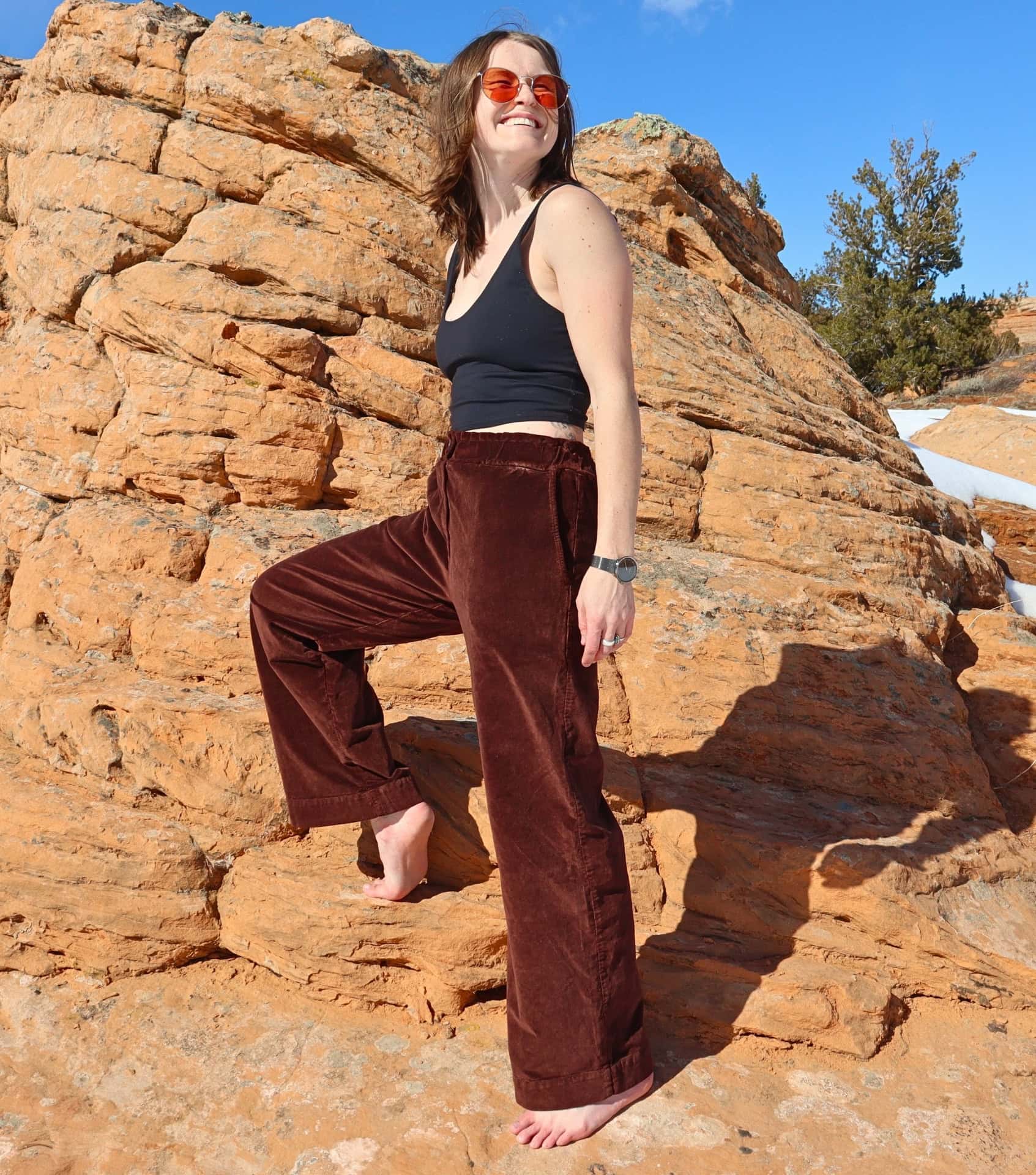
“As much as I love a lot of the things the ’70s gave us—bell bottoms, outlaw country, David Bowie—velour was never on my short list of ’70s nostalgia. Until I tried these pants. Made of an ultra-thick fabric, these things are so comfortable. I love the loosely elastic waist that you can adjust to sit wherever (I like my waist high), and the wide legs have all the billow of bell bottoms but for the whole leg. They’re comfortable for lounging but look great when out and about, too.”
“I personally prefer a more laid-back style, so I don’t find myself in dresses too often, but I absolutely love the Jacinta Dress, which has become one of my wardrobe favorites thanks to its super soft 100% GOTS-certified organic cotton construction and flattering yet incredible functional style. The combination of the long, modest maxi skirt, high neckline, and flirty open-back window make for a unique and comfortable combo, even if you don’t like showing much skin. I’ve worn mine to concerts, out to dinner, while running my art fair stall, and even while gardening!”
Review by Amber McDaniel, SJ’s Head of Content
Mila.Vert


Mila.Vert has not been rated.
Price Range: €€–€€€
Mila.Vert is rooted in the principles of European slow fashion, this Slovenia-based brand offers a refined wardrobe of timeless essentials—from structured dresses and cozy sweaters to tailored trousers, minimalist tops, cardigans, and accessories. Each piece is designed by founder Tina Logar Bauchmüller with intention, quality, and longevity in mind.
Mila.Vert’s garments are crafted from 100% certified organic cotton, dyed using natural, non-toxic dyes. Select non-knitwear items are also made from European linen, TENCEL™, and recycled wool, sourced from trusted partners who ensure ethical and low waste production.
All clothing is locally made in Slovenia through long-term collaborations with partners such as Liniatex, Krona, eSPe sewing, and Jakopina. This close-knit supply chain allows for high-quality production standards, ethical labor conditions, and better transparency.
Mila.Vert operates on a made-to-order model, producing garments only once an order is placed. This low-inventory system reduces overproduction and textile waste while conserving resources and minimizing environmental impact.
Afends


Afends has not been rated.
Price Range: $–$$
Don’t be offended when Afends becomes your favorite affordable non-fast fashion brand. From hemp mini dresses to graphic tees, hoodies, and carpenter pants, the Australia-based sustainable streetwear brand has countless trendy pieces for men and women.
Afends selects materials based on data from the Higg MSI, circularity, and life-cycle studies. Materials include organic cotton, recycled polyester, hemp, and Tencel. Many Afends’ garments have GOTS, OCS 100, and OCS Blended certifications. Though be sure to check for each product you’re interested in.
Afends works with manufacturing partners in China, who they visit at least four times a year. They provide full details for each, including the certifications and memberships they hold (i.e., Fair Wear Foundation, EcoCert, GOTS, Amfori BSCI, OEKO-TEX Standard 100, and SGS) and their various sustainability initiatives, including renewable energy, low waste production methods, and on-site veggie gardens.
Afends HQ, cafe, and warehouse are all powered by solar energy. The brand’s inbound shipments are carbon neutral, and packaging is 100% recyclable or compostable. Retail stores are single-use plastic-free, and they’ve partnered with Retraced to map the supply chain journey of their products, beginning with denim.
Plant Faced Clothing
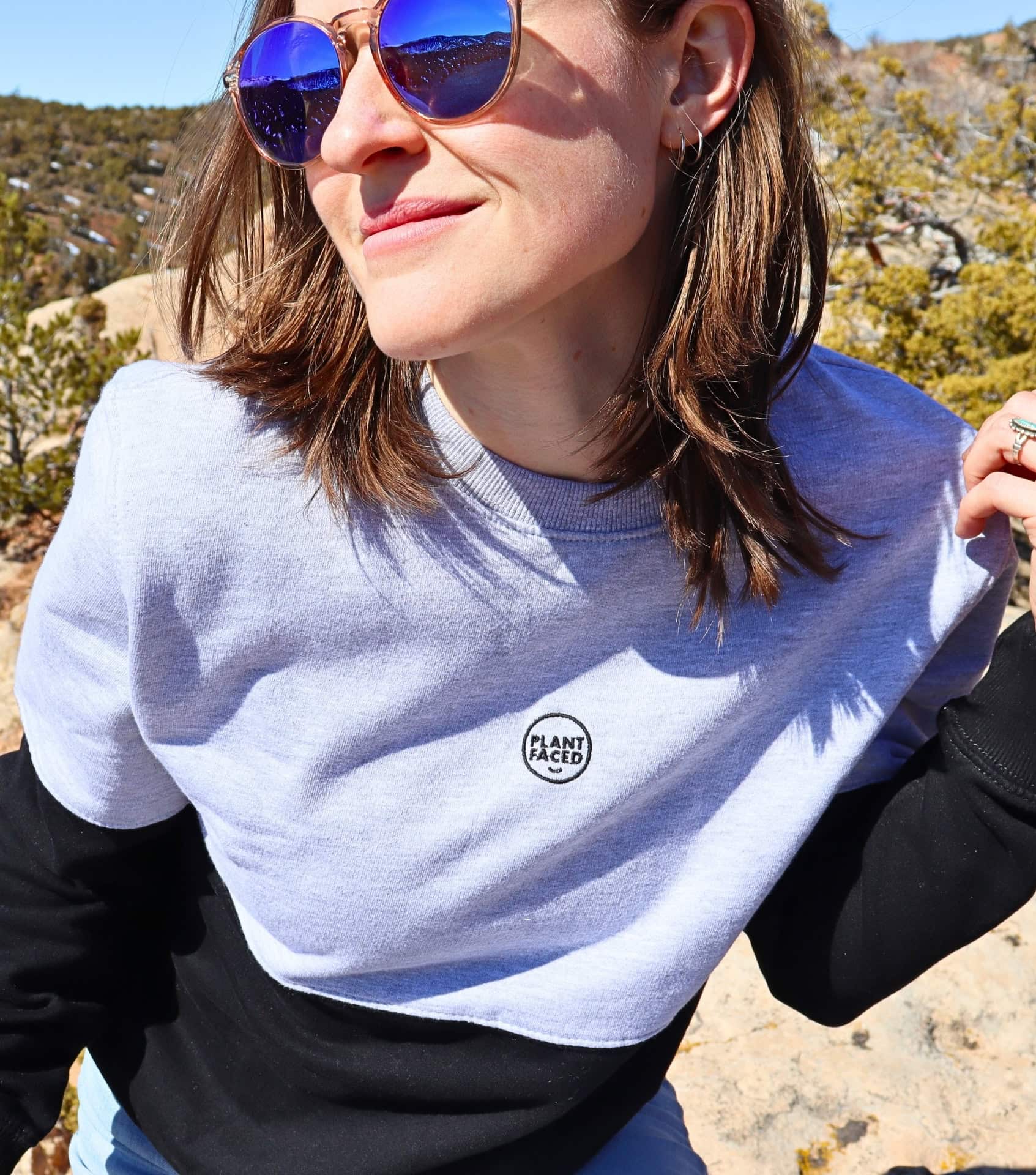
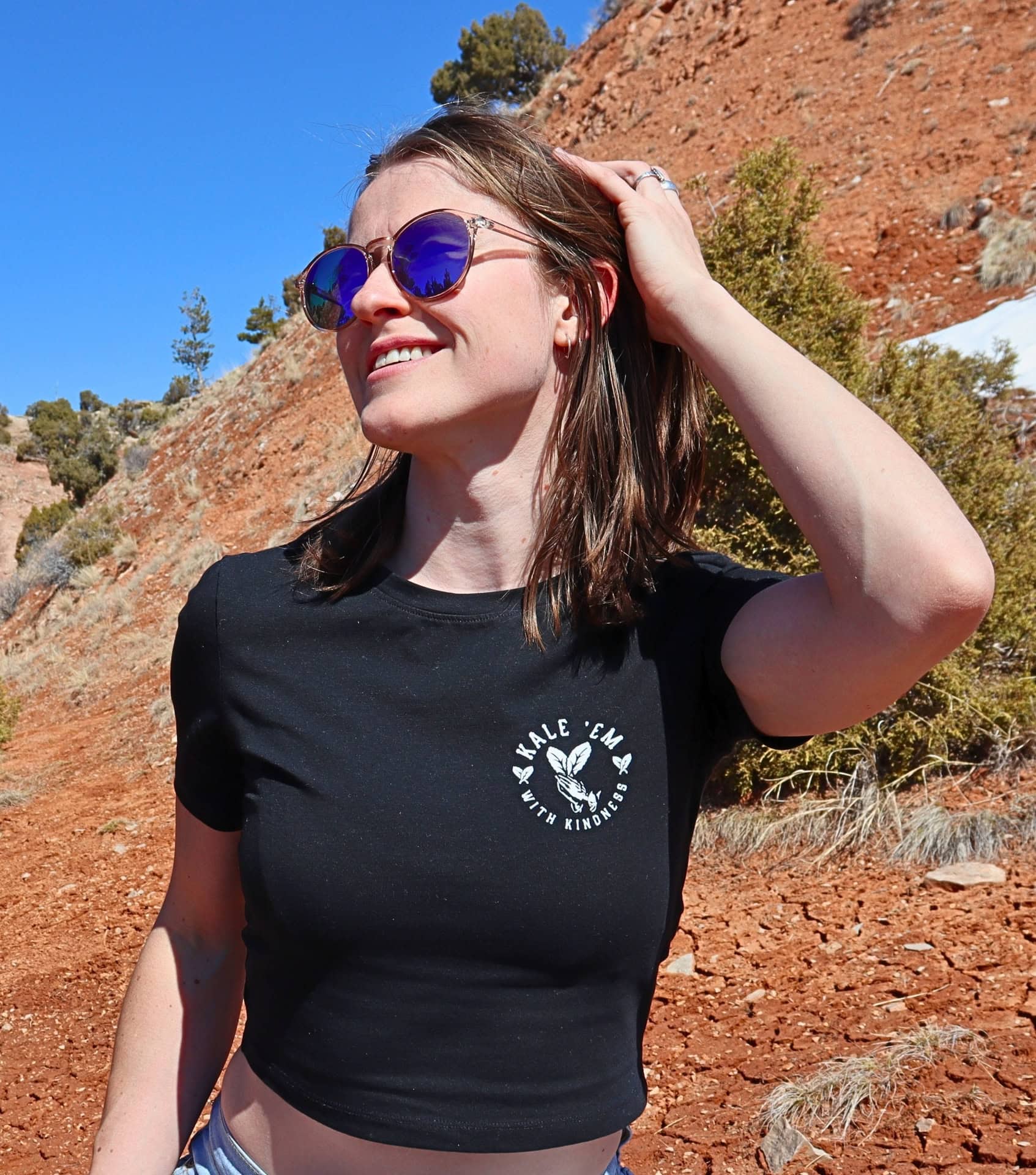
Plant Faced Clothing has not been rated.
Price Range: $–$$
Plant Faced Clothing is one of the best non-fast fashion brands offering vegan styles. The London-based brand develops non-binary tees, sweatshirts, hoodies, shorts, accessories, and more. More than 75% of garments include sustainable fabrics like GOTS-certified cotton and recycled polyester made from plastic bottle waste.
Plant Faced works with manufacturing partners in Bangladesh, Ukraine, and Turkey, nearly 100% of which are Fair Wear or WRAP-certified. Designs are then printed in London using vegan-friendly water-based inks.
Small batch production helps to minimize waste, and orders are shipped in 100% recycled paper mailers – minus the plastic garment bags. Plant Faced has championed several causes like Black Lives Matter Global Network Foundation and WIRES wildlife rescue. They plant one tree for each item sold via Eden Reforestation.
My Personal Review of Plant Faced’s Kale ‘Em With Kindness Crop Top:
“I’ve been wearing the goes-with-anything Kale ’Em With Kindness Crop Top and love its simple, stylish, yet statement-making aesthetic. It’s incredibly stretchy, which means I can wear it even for more active days. I recently went on a five-mile hike in it, and it moved comfortably right along with me (scratch that, it moved better than I did!). Plus, you know I love a good pun—and it turns out, so do most people. I get so many compliments on this top! I also own the unisex Classic Crew Sweater and love how soft and cozy the organic cotton feels, even after repeated washes. As a hand embroidery artist, I can tell that it’s well-made down to every stitch and seam, so I can see it being a wardrobe staple for years to come.”
Review by Amber McDaniel, SJ’s Head of Content
MATE The Label


MATE The Label has not been rated.
Price Range: $$–$$$
MATE the Label is one of our favorite sustainable alt fashion brands that’s developed by women for women (and men and kids). They carry t-shirts, crop tops, undies, bras, sweatshirts, and other basics built to last.
MATE crafts its pieces with non-toxic, natural, and organic materials, including organic cotton, linen, and TENCEL™. Garments are sewn with cotton thread and colored with low-impact sustainable dyes.
To reduce CO2 emissions, MATE has partly localized its supply chain within a 17-mile radius of its headquarters in Los Angeles, California. The Certified B Corp also partners with a GOTS-certified manufacturer in India and a Fair Trade facility in Peru.
MATE is Climate Neutral Certified and has removed all plastic from its labels and packaging. Through the Detox Your Closet Program, customers can easily recycle garments and help create a more circular production model.
MATE the Label is a member of 1% for the Planet.
My Personal Review of MATE the Label’s Organic Waffle Long Sleeve Shirt :
“If you’ve read my other reviews, you may have gathered that I’m obsessed with waffle texture, so I jumped on the chance to test this product. It’s just as cozy as I dreamed it would be, featuring a really thick and snag-resistant waffle weave. The collared button-down design makes it feel like my favorite flannels, except better, warmer, and more versatile, thanks to the easy-to-pair cream colorway I went with.”
Review by Amber McDaniel, SJ’s Head of Content
CHNGE
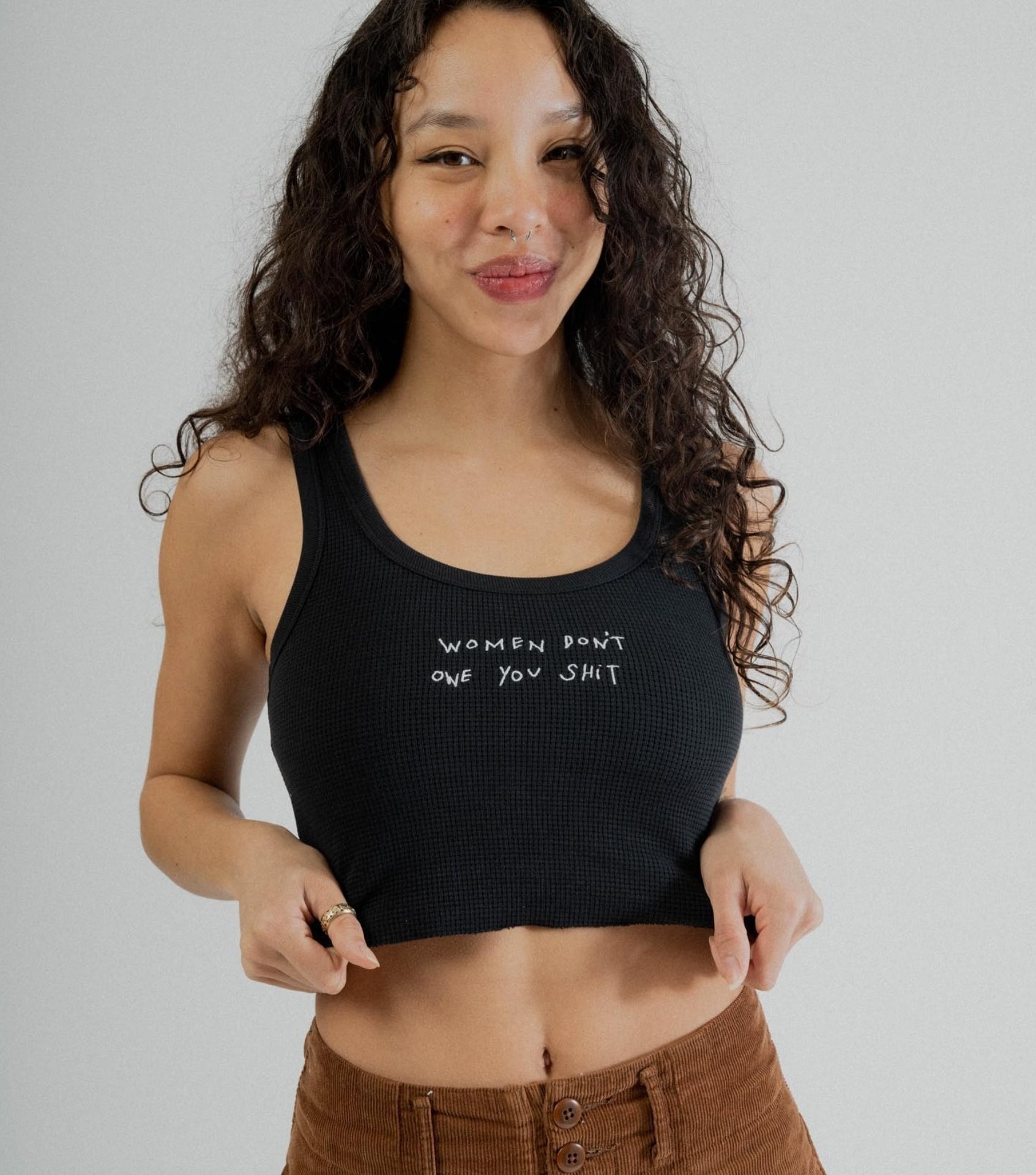
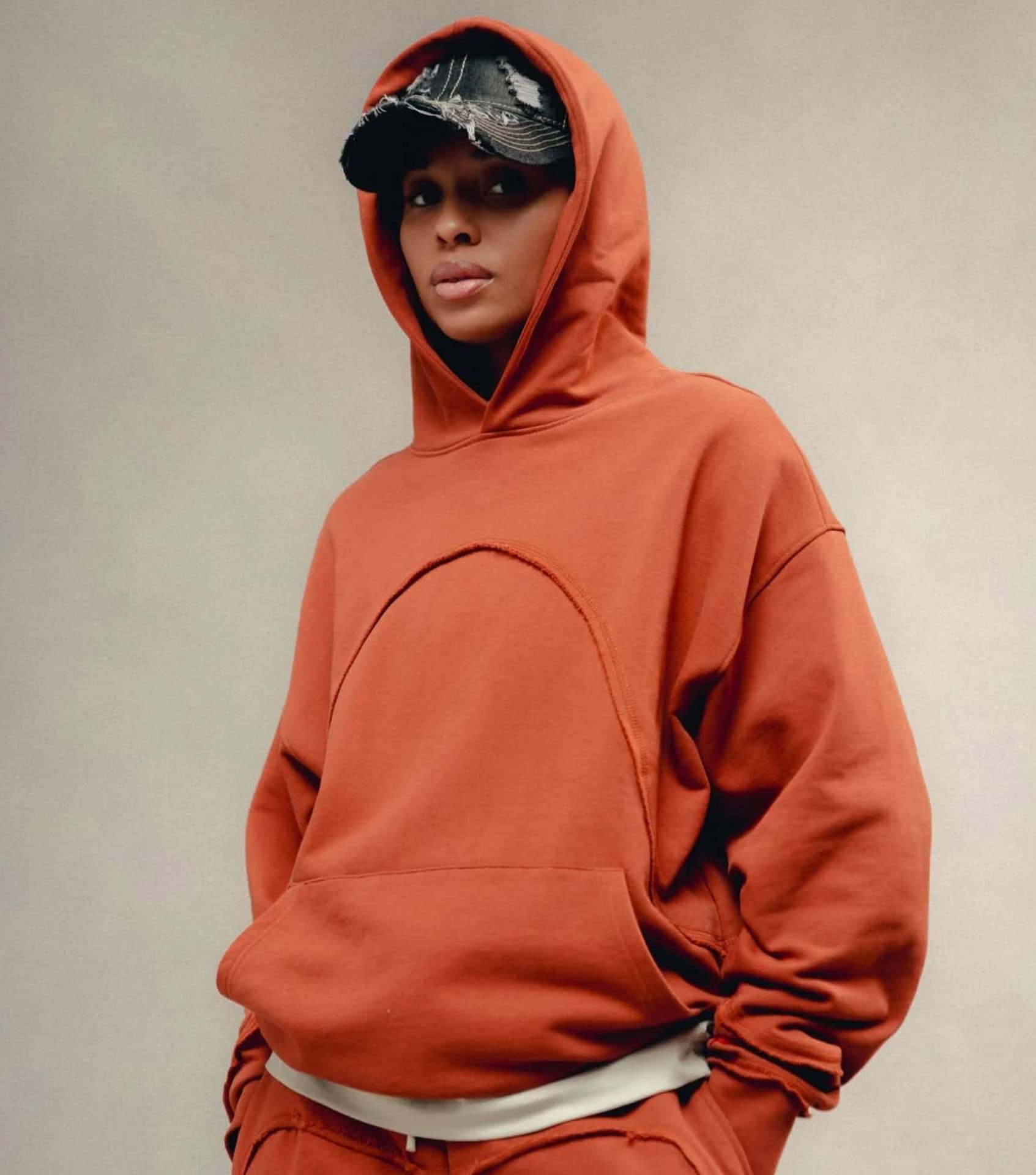
CHNGE has not been rated.
Price Range: $–$$
CHNGE is here to spice things up with bold, fresh sustainable alternative clothing. The brand offers poignant streetwear made with high ethical standards. You’ll find a range of stylish essentials, including graphic slogan tees that support various causes and ultra-comfy sweats. The non-fast fashion brand crafts its pieces from GOTS-certified organic cotton. They use GOTS and OEKO-TEX Standard 100 certified dyes.
CHNGE produces all its garments in a Fairtrade Factory, meaning no forced labor, safe working environments, living wages, and the right to unionize. Extra employee benefits include subsidized meals and on-site medical care.
CHNGE is Climate Neutral Certified. Their factory uses 80% renewable energy, and they recycle 95% of the water used for dying. All the brand’s mailers are made from 100% post-consumer recycled paper; garment bags are made from recycled plastic.
Why Choosing Fast Fashion Alternatives Matters
Fast fashion isn’t just about affordable clothing, it’s about speed, excess, and environmental cost. The industry produces billions of garments each year, most of which end up in landfills or incinerators after only a few wears. Choosing sustainable alternatives to fast fashion is so important because every purchase from an ethical clothing brand helps slow down that cycle, reduce waste, and support fair working conditions. Often it helps support a small business owner too!
When you opt for ethical alt clothing brands, you’re investing in:
- Better materials: Organic cotton, linen, hemp, and recycled fabrics that minimize pollution and microplastic release.
- Fair and safe production: Brands that prioritize living wages, ethical labor, and supply chain transparency.
- Long-lasting design: Timeless, versatile pieces made to last years (not just part of a single season).
It’s easy to feel powerless in the face of global waste and exploitation, but conscious shopping decisions do add up. Supporting eco-friendly alternatives shifts demand toward a fashion industry that values people and the planet over profit and disposability.
Whether you buy from one of the brands we’ve featured, choose secondhand, or simply buy less, each decision helps create a more responsible and sustainable wardrobe.
Related guide: The Best Online Thrift Stores

How We Found The Best Fast Fashion Alternatives
When we know how to avoid fast fashion—AKA mass-produced garments made from (mainly) planet-polluting fabrics in factories that don’t respect workers or the environment—then we see what we need to look for when it comes to non-fast fashion brands.
As always, we used our sustainable fashion guide to select the brands we’re happy to support.
Materials:
Fast fashion’s environmental footprint is staggering, which is why we prioritize sustainable fabrics that are better for both people and the planet.
We look for:
- Natural fibers: Organic cotton, recycled cotton, hemp, and linen.
- Low-impact semi-synthetics: Fabrics derived from renewable natural sources produced in closed-loop systems, like TENCEL™ Lyocell, for example.
- Responsible synthetics: If synthetics are used, they should be recycled or upcycled to minimize waste. Though we’d personally avoid these.
Certifications we value: bluesign®, Forest Stewardship Council (FSC), Global Organic Textile Standard (GOTS), Global Recycle Standard (GRS), OEKO-TEX, Organic Content Standard (OCS), Regenerative Organic Certified®, Responsible Down Standard (RDS), Responsible Wool Standard (RWS), Sustainable Forestry Initiative (SFI),
Supply chain & labor practices:
If you ask most fast fashion brands where their products come from, you’ll rarely get a clear answer, and if you do, it’s often greenwashing. Ethical alternatives are transparent about their supply chains. They ideally trace production from fiber to final stitch and hold certifications or Codes of Conduct that ensure workers are treated fairly and work in safe, humane conditions.
Certifications we value: B Corporation, Business Social Compliance Initiative (BSCI), Fair Labor Association, Fair Trade, Fair Wear Foundation, Worldwide Responsible Accredited Production (WRAP)
Carbon commitments & green practices:
These brands prioritize people and the planet over profit. They take measurable steps to reduce greenhouse gas emissions, minimize waste, use recycled and recyclable packaging, and design for longevity through repair and resale programs that keep clothes in circulation longer.
Community & charitable giving:
Brands that contribute to their local communities through donations, volunteer days, education, and awareness-raising put the icing on the cake in the sustainable fashion world.
FAQs About Fast Fashion Alternatives
Can fast fashion ever be ethical?
It’s highly unlikely. Fast fashion’s business model depends on speed, volume, and low costs, which often come at the expense of garment workers and the environment. Ethical fashion brands, on the other hand, prioritize transparency, fair pay, and sustainable production, which are difficult things to do under an ultra “fast” model.
What are non-fast fashion brands?
Non-fast fashion brands are labels that focus on quality over quantity. They use sustainable materials, ethical manufacturing, and circular practices like recycling, repairing, or reselling to keep garments in use longer. Brands like Pact, MATE the Label, and Afends are great examples.
Why is it important to avoid fast fashion?
Fast fashion fuels overproduction, pollution, and exploitation. The fashion industry emits around 10% of global carbon emissions and generates millions of tons of textile waste each year. By supporting sustainable fashion alternatives, you help reduce that impact and encourage a system that values people and the planet.
How can I tell if a brand is sustainable?
Look for transparency. Ethical brands openly share details about their materials, production methods, and supply chains. Certifications like GOTS, Fair Trade, or B Corp can also verify a brand’s sustainability claims, but so can clear, consistent action, not just buzzwords.
Are fast fashion alternatives affordable?
Sustainable alternatives don’t have to break the bank. Many affordable alternatives to fast fashion exist, offering fair pricing without cutting ethical corners. But largely, the slow fashion movement is about buying less but higher quality items that have been made without exploiting other people. So it’s a mindset shift for the consumer too. If new options are unaffordable, you can also shop secondhand and join clothing swaps which bring down the cost substantially.
What materials should I look for instead of synthetics commonly used in fast fashion?
Choose organic cotton, hemp, linen, and recycled fibers whenever possible. These materials are durable, biodegradable, and often produced with fewer chemicals and less water than polyester or nylon.
How can I start transitioning away from fast fashion?
Start small. Audit your wardrobe, donate or resell what you don’t wear, and research brands that align with your values. Focus on buying timeless, versatile pieces made from sustainable materials, and remember, the most sustainable outfit is the one you already have.
Final Thoughts on Ethical Alternatives to Fast Fashion
Fast fashion brands like YesStyle, Zara, and Cider may lure us in with low prices, but that $3 T-shirt comes at a steep cost to garment workers, ecosystems, and the climate.
The truth is, you shouldn’t be able to find a $3 T-shirt anywhere outside a secondhand store—which is exactly where we recommend starting before shopping new. Buying secondhand, swapping, or supporting sustainable alternatives to fast fashion are all powerful ways to slow the cycle.
If you know someone ready to green their wardrobe, share this list of the best alternatives to fast fashion brands.
Editor’s Note: This article was originally published in November 2022 and has been updated several times since. The latest iteration, published in October 2025, includes new brands, updated sustainability information, and revised testing insights to reflect the most current and credible alternatives to fast fashion.

Joy has been a passionate advocate for the environment since she was a small child. She grew up in South Africa and has been lucky enough to be exposed to the wonders of nature not just in Africa but all over the world. She founded Sustainable Jungle (together with her husband Lyall) back in 2017 after becoming enraged by the devastating impact of palm oil. She then founded the Sustainable Jungle Podcast and together with Lyall interviewed remarkable people from all over the world who were finding ways to create positive impact. Outside of Sustainable Jungle, Joy has always worked in the corporate world, starting out as an auditor and later moving into management consulting. More recently she specialized in Climate Investing for the Asia Pacific region. Given her experience, her current passion is Brand Ratings. She is very much enjoying going deeper on what it really means to drive sustainability performance and true impact through business operations.








Hi, I was excited to read your article but then was disappointed that only 1 of our brands is completely Earth Ethical. Most of them contain either polyester, which is full of microplastics, TENCEl is made with harsh chemicals, recycled polyester from plastic water bottles???? That is crazy and very misleading. I was looking for brands to add to Hippiekit Green Products, but only PACT is truly earth friendly. Just thought I would let you know.
Please you need to be realistic about women’s sizing. While you note several that go to an XXL, the majority of those would appear to have measurements for XXL that match about a US size 16. That is not inclusive, since the average size for US women is reported to be a 16 or 18 (and little data is available on the median, but it is most likely to be about the same.) That suggests that only about HALF of women wear a size 0 to 16/18 — so inversely, 1/2 of women are being ignored. And that doesn’t even address that most of these retailers do not have options for women that are say, busty (i.e. > than a DD) or curvy (high waist/hip difference.) I appreciate your article and writing, but let us start being realistic. We can’t effect change until we start identifying ALL the pieces of the problem. We should not be rewarding when the retailers are just doing what they should be doing – or really doing less than they should – for size inclusivity.