












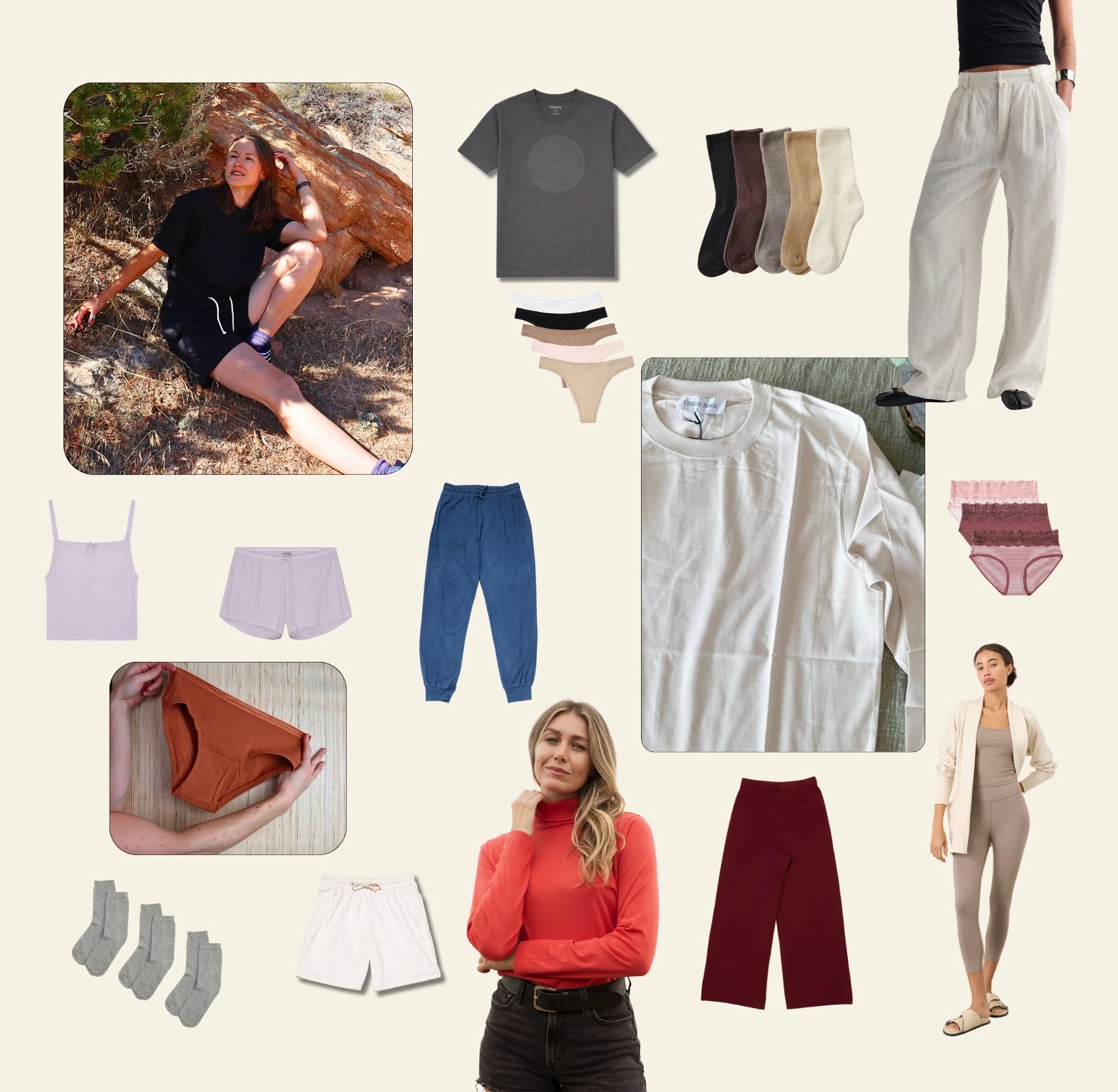
There’s nothing #basic about ethical basics that reduce our impact on the world. Your basics are the unsung heroes of your wardrobe. They’re the first thing on in the morning, the last thing off at night, and the pieces you reach for more than anything else you own.
So it’s important to know what those everyday essentials are made of, and who made them?
Conventional basics from fast fashion brands are often produced with synthetic fabrics treated with chemical finishes, dyes, and softeners that sit against your skin all day. Given that our skin absorbs a portion of what touches it, swapping to organic and non-toxic textiles for the garments closest to your body is one of the simplest changes you can make.
There are plenty of sustainable basics brands making these essentials from safer materials, in factories where workers are paid fairly, using processes that are kinder to the planet.
What We Looked For
- Organic, non-toxic materials (preferably GOTS-certified organic cotton, TENCEL, or hemp) free from harmful chemical treatments
- Third-party certifications backing up sustainability and safety claims (OEKO-TEX, GOTS, Fair Trade, B Corp)
- Transparent, ethical supply chains with fair wages and safe working conditions
- Durable construction that holds up to heavy wear and frequent washing
- Inclusive sizing and accessible price points where possible
Our Research, Ratings & Reviews
We researched and reviewed each of these brands based on their materials, certifications, supply chain transparency, and environmental commitments.
Several have been personally tested by our team (and we’ll note where). For brands we work with through our sustainability rating system, we evaluated their initiatives across 22 criteria. See other rated brands in our sustainable brand directory.
Related Guides: Organic Clothing Brands, Ethical Underwear, Sustainable T-Shirts, Sustainable Socks, Sustainable Hoodies, Sustainable Clothing Brands
We independently research all featured brands, and we ask them to confirm their claims. In many cases we personally review recommended products. This post contains affiliate links which means we may earn a commission if you buy something. We explain this further in our Terms of Use.
The Best Ethical Basics Brands
Best overall (Rated) | Organic Basics | Carbon-neutral Danish brand with GOTS-certified organic cotton across a full range of minimalist basics for men and women. Rated in the top 20% of fashion brands we’ve assessed.
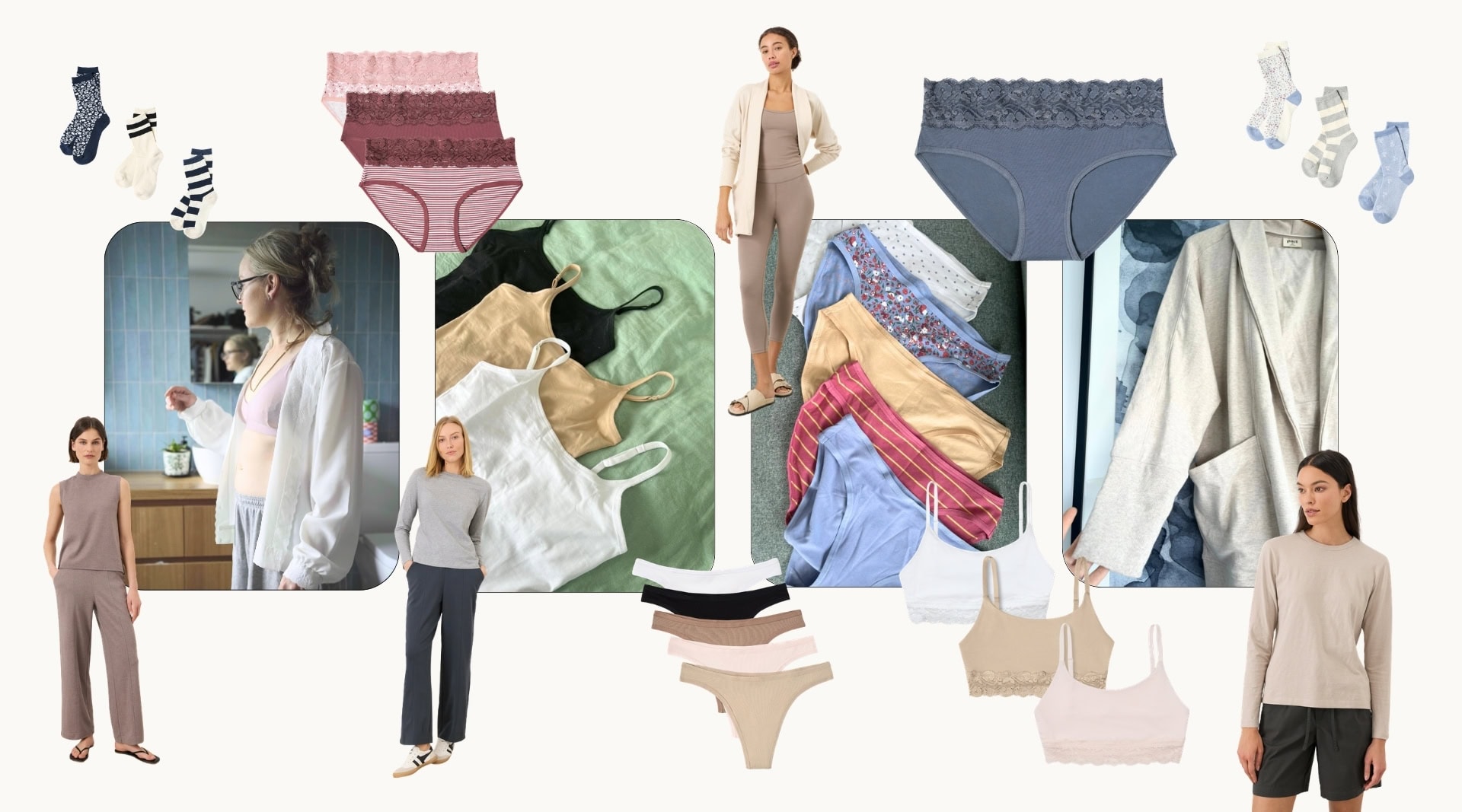
Best affordable option (Rated) | Pact | Fair Trade Certified factory production and GOTS organic cotton at price points that make the switch from conventional basics painless.
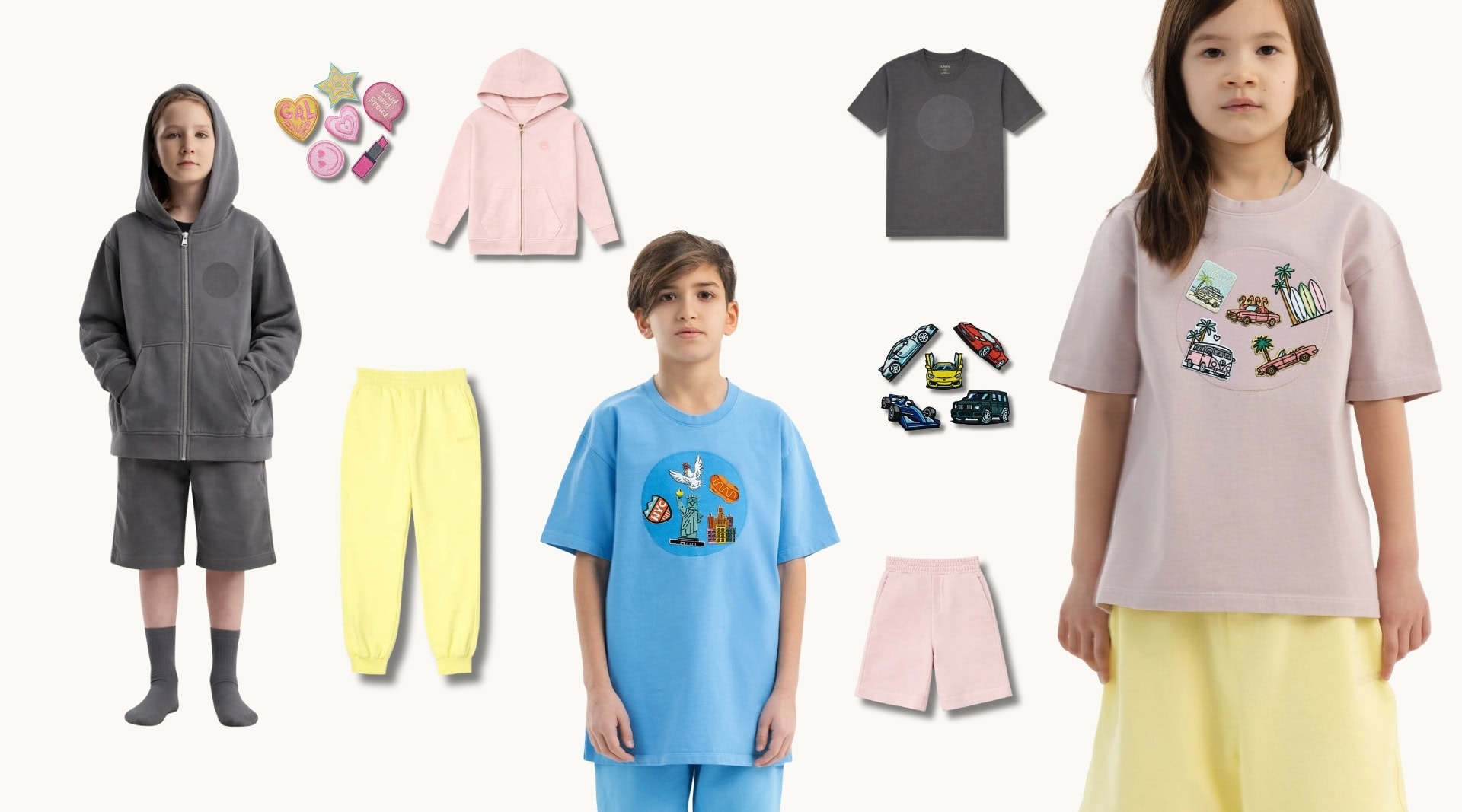
Best for kids (Rated) | HAHAHA | SJ-rated and LA-based brand making organic cotton basics for little ones that can be styled in different ways to extend their lifespan.
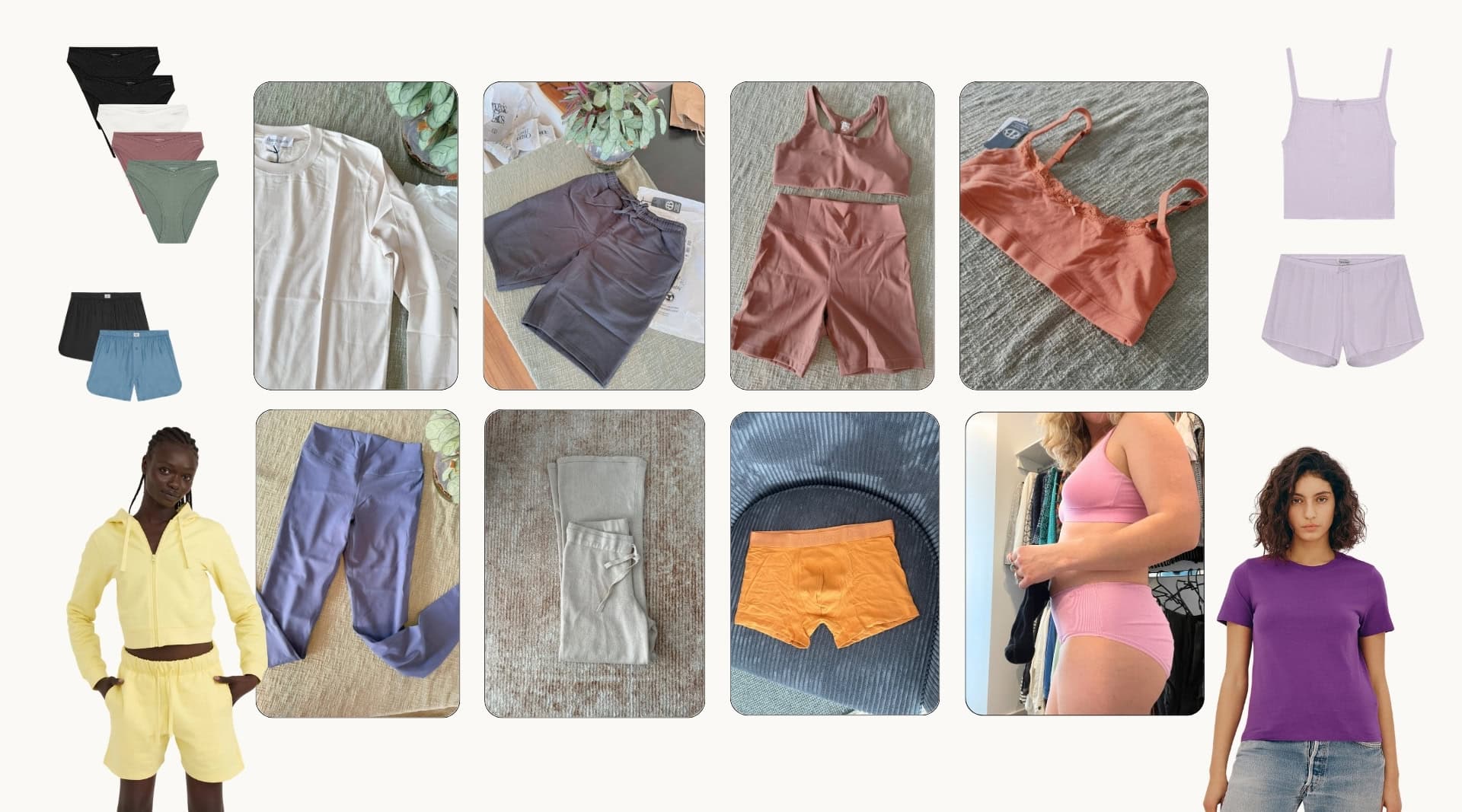
Best range of tested styles | MATE the Label | From tees to leggings to biker shorts, this LA-based B Corp has been extensively tested by our team across dozens of wears.
Best for underwear | Subset | Fair Trade, GOTS organic cotton underwear designed with comfort features like fully enclosed elastic hems. A team favorite after years of wear.
Best for tees | The Classic T-Shirt Company | Premium GOTS organic cotton tees made in Los Angeles with impressive durability and fade resistance.
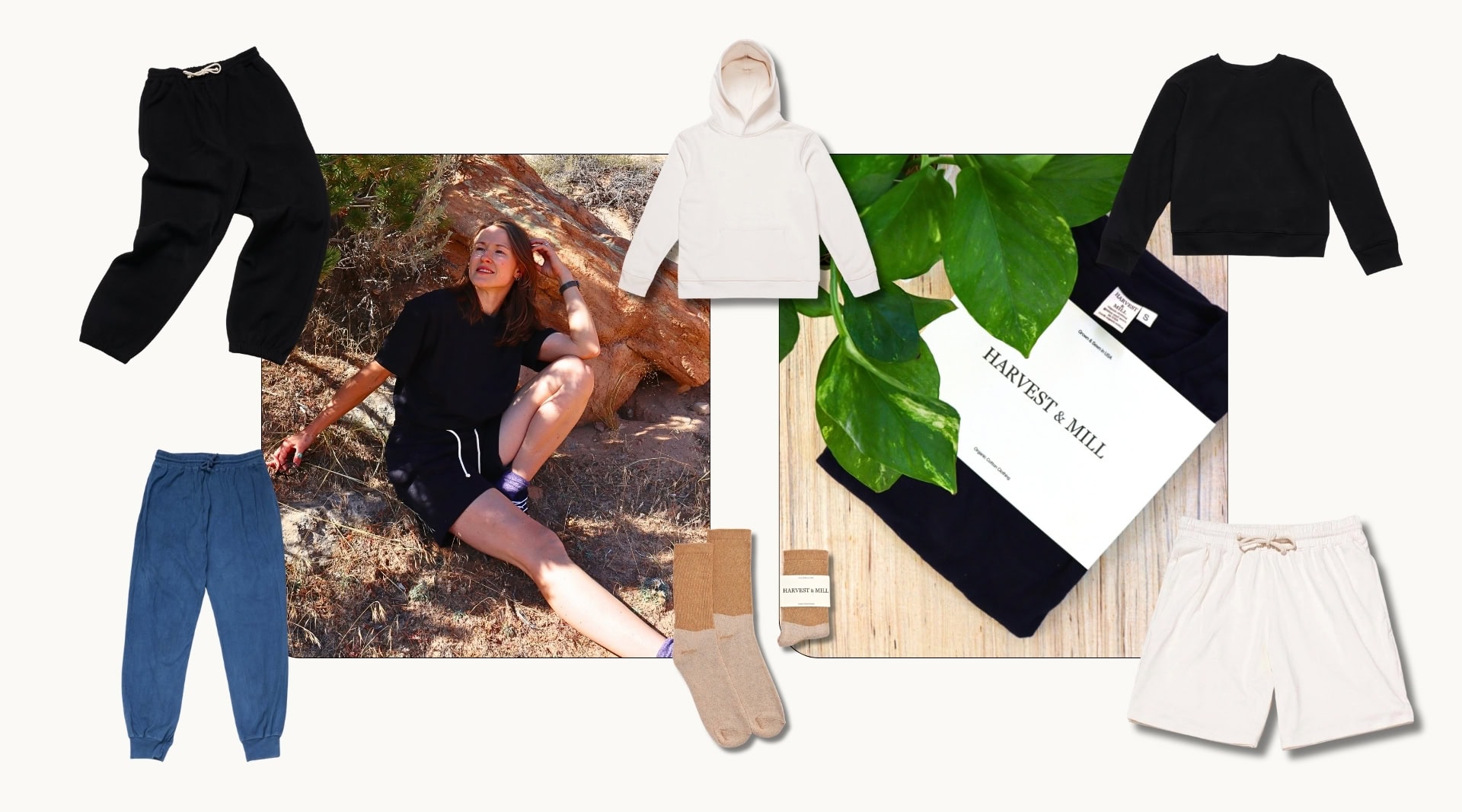
Best USA-made | Harvest & Mill | One of the few brands offering eco basics grown and sewn entirely in the United States, in undyed heirloom organic cotton.
Best certifications | Etiko | Fairtrade, B Corp, GOTS, and vegan-certified across every product. An Australian basics brand that sets an exceptionally high bar.
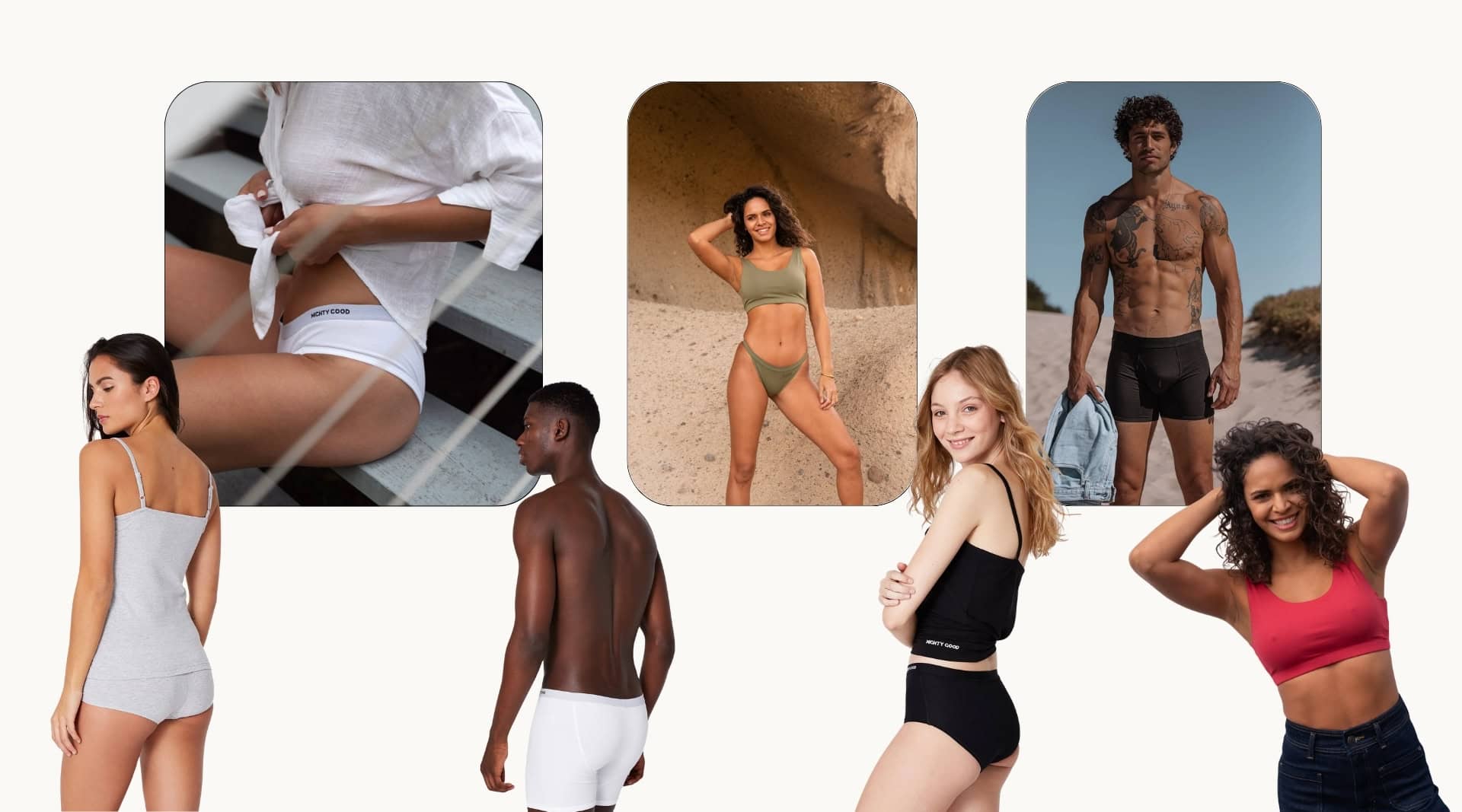
Best for organic underwear | Mighty Good Basics | GOTS-certified, Fair Trade organic cotton underwear made with renewable energy.
Index: Ethical Basics Brands
- Organic Basics Jump to brand
- Pact Jump to brand
- Hahaha Jump to brand
- Harvest & Mill Jump to brand
- MATE The Label Jump to brand
- The Classic T-Shirt Company Jump to brand
- Subset Jump to brand
- Etiko Jump to brand
- Mighty Good Basics Jump to brand
Organic Basics

Carbon Neutral
Brand has been certified as Carbon Neutral.
Ethical Sourcing
Raw materials have been sourced ethically with people and planet in mind.
Organic
Products are made from organic materials.
Recycled materials
Some or all products are made with recycled materials
Sustainable Materials or Ingredients
Either all or most products are made with sustainable materials or ingredients.
Thoughtful packaging
Product packaging has been designed and created with the end of life outcome in mind and can be easily recycled or composted.
1% for the planet
Better Work
FSC®
GOTS
GRS
OCS
OEKO-TEX®
REACH
WRAP
1% for the planet
Certified Environmental Giving — Businesses give 1% of their annual sales directly to vetted environmental partners.Better Work
The Better Work program is a collaboration between the International Labour Organization (ILO) and the International Finance Corporation (IFC) that aims to improve labor standards and business competitiveness in the global garment industry. It combines independent factory assessments with advisory services, training, and public reporting to promote safe working conditions, fair pay, and respect for workers’ rights.FSC®
The FSC® (Forest Stewardship Council) certification ensures that wood, paper, and other forest-based materials come from responsibly managed forests that provide environmental, social, and economic benefits. Products bearing the FSC® label support biodiversity, protect the rights of forest communities and workers, and promote sustainable forestry practices.GOTS
The GOTS (Global Organic Textile Standard) certification is the world’s leading standard for organic fibers. It covers every step of production, from harvesting raw fibers to environmentally and socially responsible manufacturing, and prohibits toxic dyes, GMOs, and harmful chemicals. GOTS also enforces fair labor practices.GRS
The GRS (Global Recycled Standard) certification, managed by Textile Exchange, verifies that products contain recycled materials and that these materials are tracked through the entire supply chain. It also ensures responsible social, environmental, and chemical practices in production.OCS
The OCS (Organic Content Standard) certification, managed by Textile Exchange, verifies the presence and amount of organic material in a final product. It tracks the certified organic content from the source to the finished good through a transparent chain-of-custody system, ensuring that labeling claims about organic composition are accurate and independently verified.OEKO-TEX®
The OEKO-TEX® Standard 100 certification ensures that every component of a textile product (threads, buttons, zippers, and fabrics) has been independently tested for harmful substances. Managed by the International Association for Research and Testing in the Field of Textile and Leather Ecology, it guarantees products are safe for human health, meeting strict global limits for chemicals such as pesticides, heavy metals, formaldehyde, and PFAS.REACH
The REACH Regulation (Registration, Evaluation, Authorisation and Restriction of Chemicals) is an EU law designed to protect human health and the environment from risks posed by chemicals. It requires companies to identify and manage chemical risks by registering substances they manufacture or import, ensuring safe use, and promoting the development of safer alternatives. Products compliant with REACH are free from the most harmful or restricted chemicals under EU standards.WRAP
The WRAP (Worldwide Responsible Accredited Production) certification ensures that manufacturing facilities operate safely, ethically, and lawfully. Focused primarily on the apparel, footwear, and sewn products industries, WRAP audits factories against 12 core principles covering labor rights, health and safety, environmental compliance, and legal operations.And the award for the most apt name in this list goes to Organic Basics.
The carbon-neutral Danish company offers a full range of minimalist, everyday basics for men and women, including underwear, t-shirts, tops, sweaters, loungewear, socks, pajamas, and accessories. If you’re building a minimalist wardrobe from the ground up, this is a strong place to start.
- What they make: T-shirts, underwear, bras, socks, loungewear, sweaters, pajamas, accessories
- Key materials: GOTS-certified organic cotton, TENCEL lyocell and modal, GRS-certified recycled polyester and nylon, certified responsible wool
- Where it’s made: Factories across Europe and Asia, audited by WRAP and Better Work
- What makes it sustainable: Beyond material choice and ethical manufacturing, OB is carbon-neutral, life cycle assessments on all products, low-impact website, member of 1% for the Planet.
- Certifications: GOTS, GRS, OCS, OEKO-TEX, FSC, WRAP, Better Work, Certified B Corp
- What we love: Organic Basics walks the walk across just about every sustainability metric we track. Their product pages include impact data for each item, which is a level of transparency we’d love to see more brands adopt.
Organic Basics has been rated by Sustainable Jungle. Read their full rating, including their position on parent company Delta Galil’s operations.
Performance Review of Organic Basics’ Essentials:
“At the moment, I’m testing Organic Basics’ leggings, bike shorts, sports bra, fine knit v-neck sweater, swimwear, and a bralette. Lyall is testing a pair of shorts and a long sleeve top. In the past we’ve tested underwear, t-shirts, loungewear, socks, and more. I love the consistent quality of Organic Basics’ clothing. I love the looser fitting items in particular and the minimalist style as I find they work well with a lot of my existing wardrobe. I find the pants are always way too long (I’m 5”2 so too long for me is not unusual). And I wish the knitwear didn’t have any synthetic component as this changes the end of life outcome and needs to be washed with a filter. Everything I’ve tested over the years has lasted exceptionally well.”
Review by Joy McConnochie, SJ Co-Founder
Pact
Ethical Sourcing
Raw materials have been sourced ethically with people and planet in mind.
Non-toxic
All products are made with ingredients or materials that are currently considered non-toxicOrganic
Products are made from organic materials.Sustainable Materials or Ingredients
Either all or most products are made with sustainable materials or ingredients.Thoughtful packaging
Product packaging has been designed and created with the end of life outcome in mind and can be easily recycled or composted.
Vegan
This brand does not use any animal products or by-products in their products
Fair Trade
GOTS
Fair Trade
The Fair Trade certification ensures that products are made according to rigorous social, environmental, and economic standards that protect workers and the planet. Overseen by organizations such as Fair Trade USA and Fairtrade International, it guarantees fair wages, safe working conditions, environmental sustainability, and community development funds, helping producers build more equitable and resilient supply chains.GOTS
The GOTS (Global Organic Textile Standard) certification is the world’s leading standard for organic fibers. It covers every step of production, from harvesting raw fibers to environmentally and socially responsible manufacturing, and prohibits toxic dyes, GMOs, and harmful chemicals. GOTS also enforces fair labor practices.Colorado-based Pact has been one of our go-to ethical basics brands for years, and for good reason. They’ve figured out how to make affordable organic cotton basics that are soft, well-made, and priced so that switching from conventional options doesn’t sting too much.
- What they make: T-shirts, underwear, bras, leggings, loungewear, dresses, socks, maternity wear, travel wear
- Key materials: GOTS-certified organic cotton, sometimes blended with a small percentage of elastane/spandex
- Where it’s made: Fair Trade Certified factories in India (the world’s biggest producer of organic cotton)
- What makes it sustainable: GOTS-certified organic cotton throughout, Fair Trade Certified factory production, carbon offsets through SimpliZero, plastic-free FSC-certified packaging
- What we love: Pact hits a sweet spot with certified organic materials, verified fair labor practices, and prices that are more accessible. Their range is broad enough to cover most of your basics needs, from organic cotton bralettes to maternity wear. Their resale program with ThredUp is a nice circular touch.
Pact has been rated by Sustainable Jungle. See the full rating.
Performance Review of Pact’s Sustainable Basics:
“I’ve been wearing Pact’s underwear, bras, t-shirts, tanks, leggings, loungewear and more for years now. I find the underwear to be extremely comfortable and has lasted well. The leggings and loungewear pants are too long (as always for me) but very comfortable. I found the plain featherweight t-shirt to be made of very thin material which doesn’t feel like it’s going to last well. Their camisoles with an in-built shelf bra are amazing and made with nice thick cotton – I live in these. I have their Airplane Departure set (a nice basic set for travelling) but find the sizing to be too big on my frame (and actually a bit too heavy for travelling).”
Review by Joy McConnochie, SJ Co-Founder
Hahaha
Ethical Sourcing
Raw materials have been sourced ethically with people and planet in mind.
Locally Made
Products are made local to the brand's headquarters.Non-toxic
All products are made with ingredients or materials that are currently considered non-toxicOrganic
Products are made from organic materials.
Small business
This brand is a small business run by less than 15 peopleSustainable Materials or Ingredients
Either all or most products are made with sustainable materials or ingredients.Thoughtful packaging
Product packaging has been designed and created with the end of life outcome in mind and can be easily recycled or composted.Vegan
This brand does not use any animal products or by-products in their products
GOTS
OEKO-TEX®
GOTS
The GOTS (Global Organic Textile Standard) certification is the world’s leading standard for organic fibers. It covers every step of production, from harvesting raw fibers to environmentally and socially responsible manufacturing, and prohibits toxic dyes, GMOs, and harmful chemicals. GOTS also enforces fair labor practices.OEKO-TEX®
The OEKO-TEX® Standard 100 certification ensures that every component of a textile product (threads, buttons, zippers, and fabrics) has been independently tested for harmful substances. Managed by the International Association for Research and Testing in the Field of Textile and Leather Ecology, it guarantees products are safe for human health, meeting strict global limits for chemicals such as pesticides, heavy metals, formaldehyde, and PFAS.If you’re outfitting little ones, Hahaha makes the case that kids’ basics deserve the same attention to materials and ethics as adult clothing. Given that children’s skin is more permeable and sensitive than adults’, choosing organic and non-toxic basics for their everyday wear is even more important.
- What they make: Kids’ basics including t-shirts, shorts, joggers, hoodies, and sweatshirts
- Key materials: Organic cotton
- Where it’s made: Los Angeles
- What makes it sustainable: GOTS certified organic cotton that is OEKO-TEX Standard 100 certified and made ethically in small batched by Euphoric Colors in LA.
- What we love: Hahaha offers parents a chance at making their clothing last longer with an innovative approach to styling. Kids use Hahaha’s patches to change their style and differentiate themselves.
Hahaha has been rated by Sustainable Jungle. See the full rating.
Harvest & Mill
Harvest & Mill has not been rated.
If “grown and sewn in the USA” matters to you, Harvest & Mill is one of very few brands that can make that claim across their entire supply chain. Their minimalist approach extends to their fabrics, most of which are undyed heirloom organic cotton in natural earth tones.
- What they make: T-shirts, underwear, shorts, socks, loungewear for men and women
- Key materials: 100% heirloom organic cotton, predominantly undyed (natural colors). Black fabric uses low-impact fiber-reactive dyes.
- Where it’s made: Fabrics, yarns, cotton, and finished garments are all sourced and produced in the USA
- What makes it sustainable: Fully domestic supply chain (one of the shortest carbon footprints you’ll find), organic cotton grown without pesticides or GMOs, minimal processing and no chemical dyes on most products, fair labor guaranteed through local manufacturing
- What we love: Great for anyone with chemical sensitivities or who simply wants the least-processed basics possible. The undyed organic cotton means no dye chemicals whatsoever on most of their range. The all-American supply chain also means full visibility into working conditions.
- Price range: $$-$$$
Performance Review of of Harvest & Mill’s Sustainable Basics Range
“The Natural Pack shirt and short set has been on constant rotation for me. The organic cotton is dreamy soft and breathable, and it’s held up better than I expected given how much I wear it, which I’d put down to the quality stitching and premium fabric. It’s become my go-to for summer lounging and sleeping.”
Review by Amber McDaniel, SJ’s Head of Content
MATE The Label
MATE The Label has not been rated.
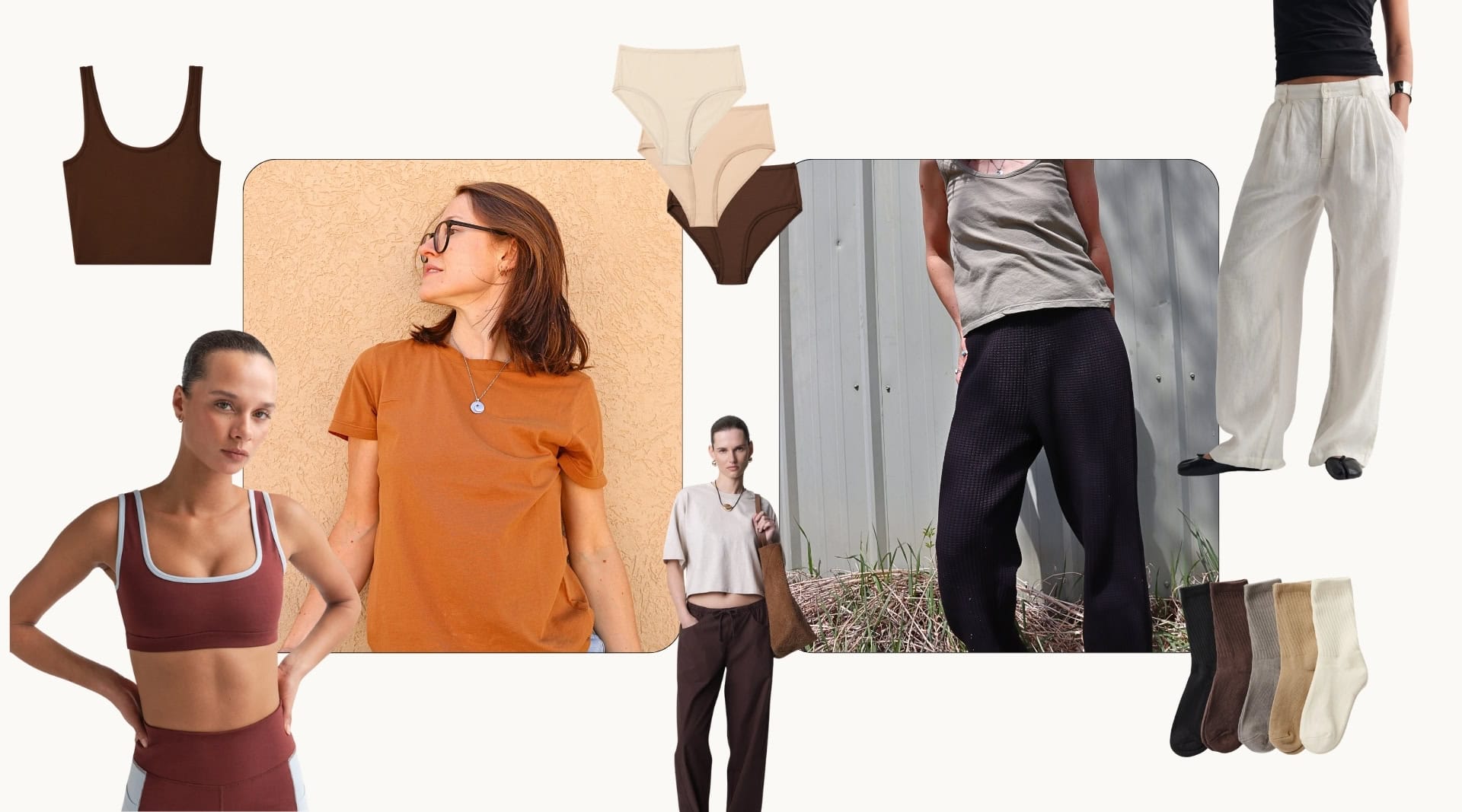
If there’s one brand on this list our team can personally vouch for across the widest range of products, it’s Los Angeles-based MATE the Label. We’ve collectively tested their tees, joggers, leggings, biker shorts, long sleeves, and tank tops, and nearly every piece has earned a permanent spot in someone’s rotation.
- What they make: T-shirts, tanks, leggings, biker shorts, joggers, sweatshirts, dresses, and loungewear
- Key materials: Organic cotton, linen, TENCEL lyocell, alpaca, finished with cotton thread and Azo-free, low-impact dyes
- Where it’s made: GOTS-certified factories in India, Sri Lanka, Peru, and Turkey.
- What makes it sustainable: Certified B Corp, Climate Neutral certified, recycling program for old MATE clothing and production scraps, plastic-free packaging.
- What we love: These pieces hold up to heavy, regular wear without pilling, stretching, or fading, and they really do look great too with super stylish (but comfortable) designs.
- Price range: $$ – $$$
Performance Review of MATE the Label’s Ethical Basics:
“The Organic Cotton Classic Tee has become a wardrobe essential for me. It’s soft, lightweight, and works just as well layered under something as it does on its own in the heat. I’ve also been wearing the Organic Stretch Pocket Legging, and finding leggings made from mostly organic cotton is rare, even among sustainable brands. These ones are flattering, comfortable, and compressive without feeling restrictive. Then there’s the Organic Waffle Relaxed Jogger, which is hands down my favorite pair of sweatpants. The waffle texture is cozy and soft, the organic cotton is breathable and holds up well, and the slouchy fit (which runs a little large) makes them ideal for lounging.”
Reviews by Amber McDaniel, SJ’s Head of Content
The Classic T-Shirt Company
The Classic T-Shirt Company has not been rated.
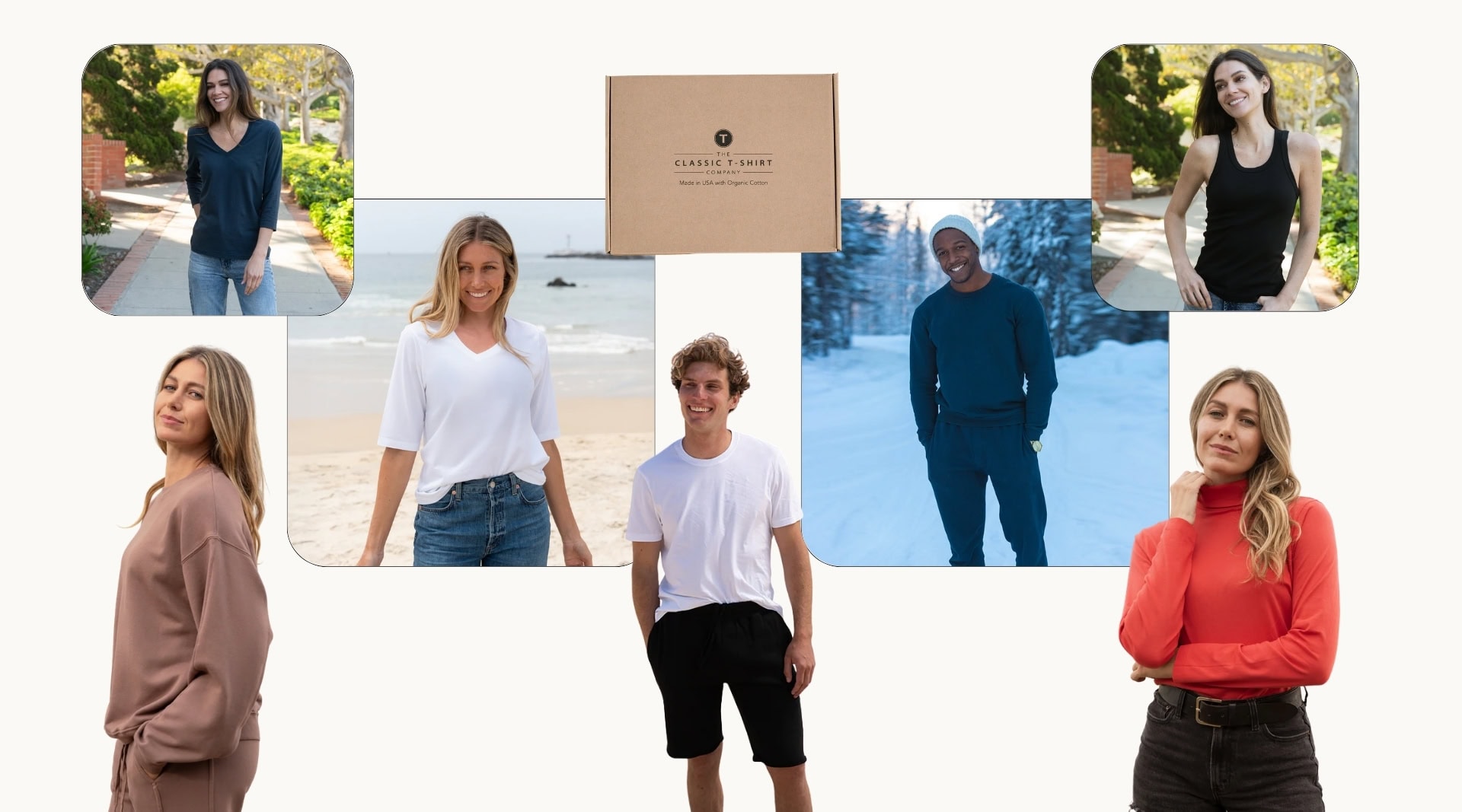
The Classic T-Shirt Company took the most-worn garment in any wardrobe and made it as responsibly as possible. Today, they offer a minimalist range of premium organic cotton basics made in Los Angeles.
- What they make: T-shirts (crew neck, V-neck, French terry), long sleeves, sweatshirts, joggers, and shorts.
- Key materials: 100% GOTS-certified organic cotton (classic and French terry textures), dyed with sustainable, toxin-free dyes. Cotton is combed, ring-spun, and pre-shrunk.
- Where it’s made: A family-owned factory in Los Angeles, California. Cotton sourced from small farms in India.
- What makes it sustainable: GOTS certification across the full supply chain (seed to finished garment), USA manufacturing with fair wages and parental leave, recycled packaging, 1% of equity/profits/time pledged to environmental causes
- What we love: These tees are designed to resist stretching, fading, and pilling, which means they stay looking good far longer than a conventional cotton tee.
- Price range: $$ – $$$
Performance Review of The Classic T-Shirt Company’s Basics
“I tested the Unisex French Terry Box Tee and it’s become one of my most-worn tops. The fabric has the thick, cozy feel of a sweatshirt but in a short-sleeved cut, which makes it surprisingly versatile. After about a year of regular wear, the fabric still looks and feels like it did when it arrived. The unhemmed cut hem curls slightly for a textured look, and even that hasn’t shown any signs of fraying or unraveling.”
Review by Amber McDaniel, SJ’s Head of Content
Subset
Subset has not been rated.
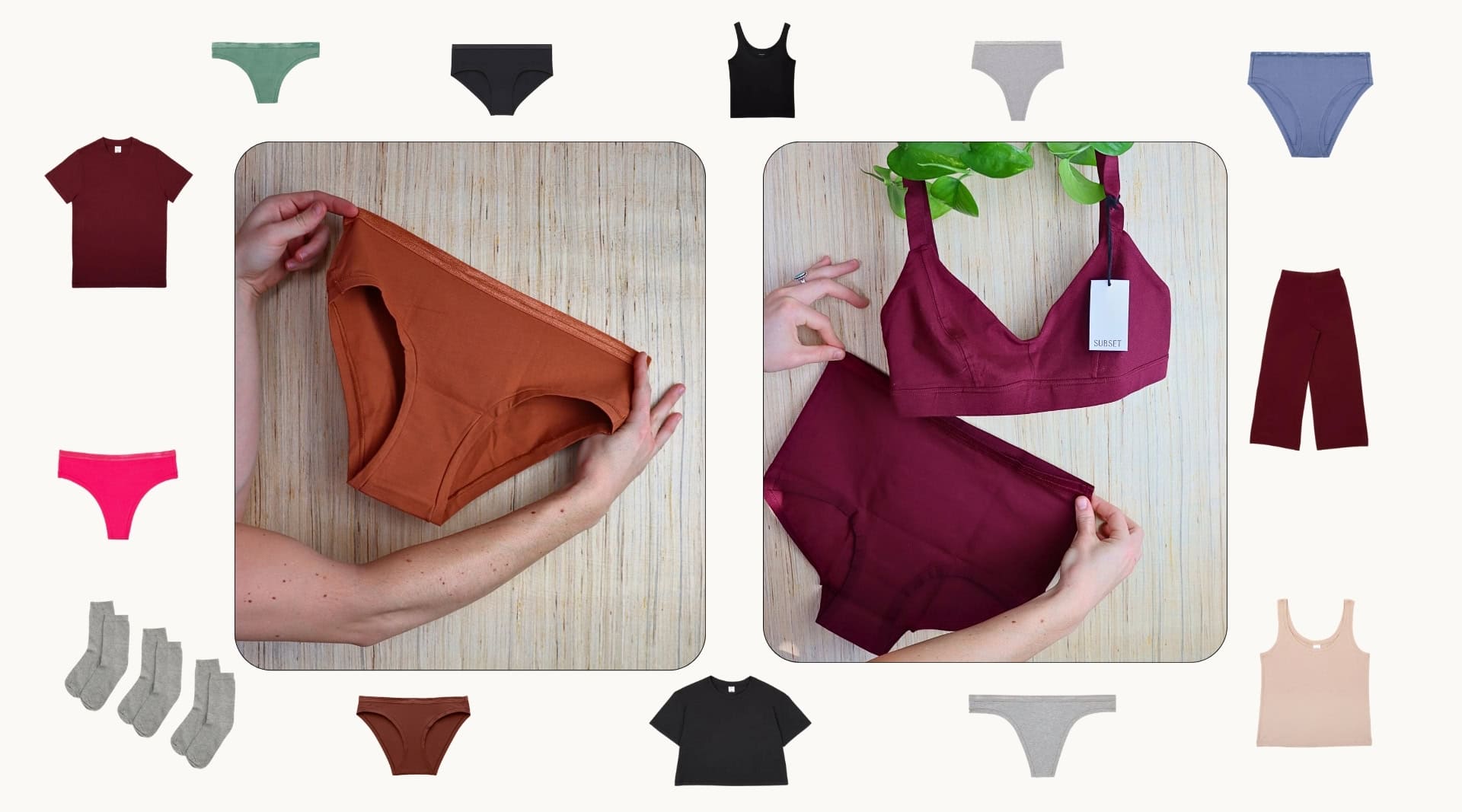
NYC-based Subset has built a reputation for making some of the most comfortable organic underwear you’ll find. Our Head of Content, Amber, wears them “religiously,” so take that as endorsement enough.
- What they make: Underwear, bras, bralettes, loungewear for men and women
- Key materials: 95% GOTS-certified organic cotton, 5% elastane, dyed with OEKO-TEX-approved dyes
- Where it’s made: Primary Fair Trade factory in Tamil Nadu, India. Packaged and shipped from their Vandalia, OH warehouse.
- What makes it sustainable: Fair Trade factory production, recycling program for old undergarments (partnered with Trashie & Supercircle), plastic-free packaging, impact data on each product page (carbon footprint, water savings, land saved from pesticides)
- What we love: The enclosed elastic hems are a small design detail that makes a big difference. No pinching, no digging, no riding up. Subset also designed their women’s undergarments with vaginal and bladder health in mind.
- Price range: $-$$
Performance Review of Subset’s Eco-friendly Basics
“I wear Subset religiously. The fully elastic-wrapped organic cotton hems at the waist and leg openings are what set these apart for me, giving a smooth, pinch-free fit regardless of what I’m wearing over them. The Mid-Rise Retro Briefs are my go-to thanks to their comfortable, tummy-supporting fit. The Keyhole Bralette has earned a permanent spot in my drawer. I’m someone who goes braless most days, but when I do reach for one, this is it. The organic cotton is slim and non-bulky enough to stay hidden under even a skimpy top, and despite having no underwire, it provides more support than you’d expect.”
Reviews by Amber McDaniel, SJ’s Head of Content
Etiko
Etiko has not been rated.
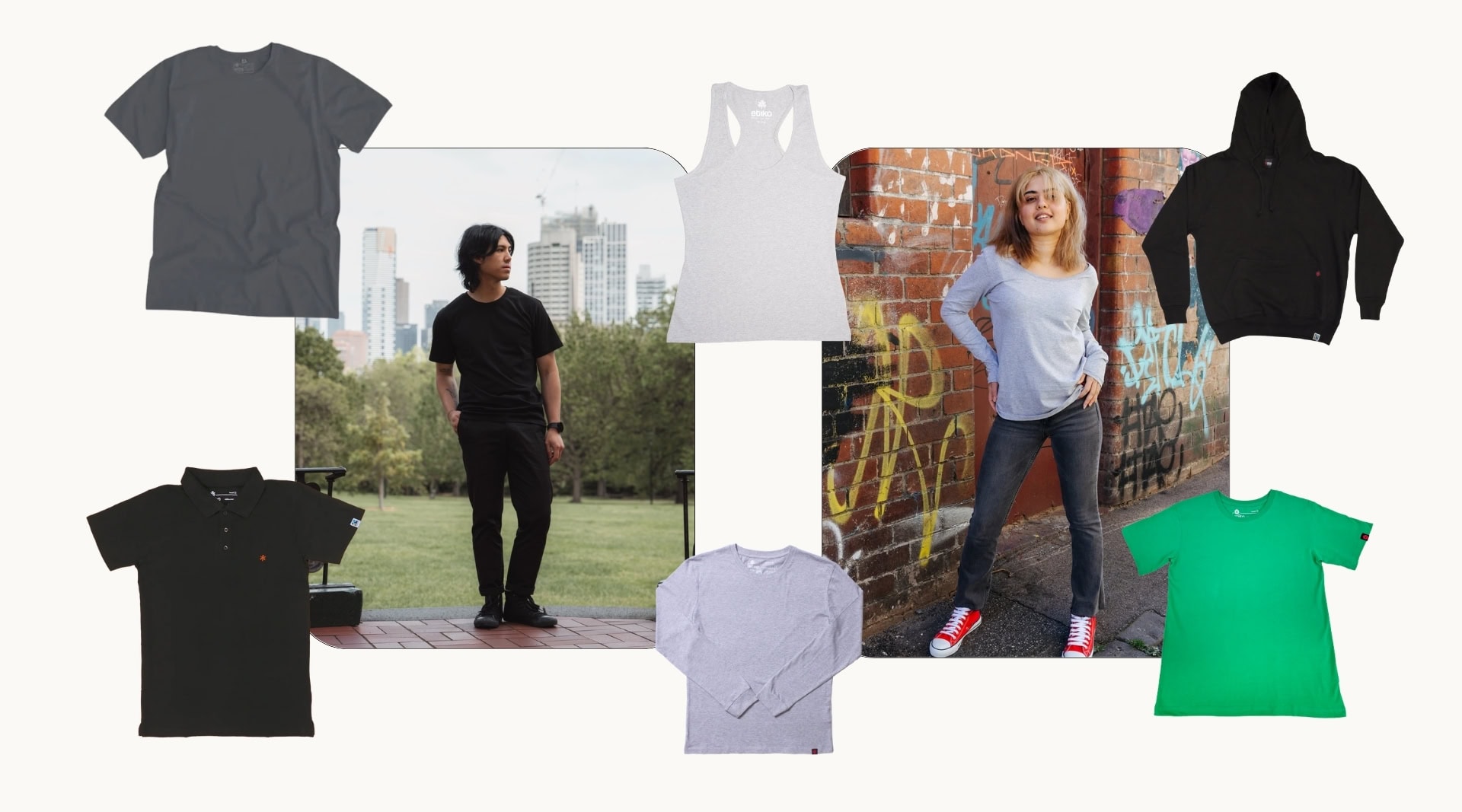
Australian brand Etiko holds a combination of certifications that are rare in the fashion industry including Fairtrade, Certified B Corp, Social Traders, People & Planet First, and GOTS. The brand was founded in Melbourne with a mission to prove that slow fashion can be affordable, stylish, and transparent.
- What they make: Underwear, t-shirts, hoodies, sneakers, thongs (flip-flops), basics for men, women, and kids
- Key materials: GOTS-certified organic cotton for clothing, organic cotton canvas and FSC-certified natural rubber for sneakers, minimal elastane
- Where it’s made: Fairtrade-certified factories. The brand traces and publicly shares its entire supply chain.
- What makes it sustainable: Fairtrade-certified (guaranteeing living wages throughout the supply chain), Certified B Corp, GOTS-certified organic cotton, vegan across all products, take-back program for worn-out sneakers (recycled into outdoor furniture), carbon offsets through tree-planting partnership with WithOneSeed, compostable and FSC-certified packaging
- What we love: Etiko’s transparency is refreshing. They publicly stopped calling themselves “sustainable” a few years ago, rebranding as a “responsible brand with regenerative goals.” Respect.
- Price range: $ – $$
Mighty Good Basics
Mighty Good Basics has not been rated.
Formerly known as Mighty Good Undies, Australian brand Mighty Good Basics lives up to its name with quality, affordable basics made the right way.
- What they make: Underwear for women
- Key materials: GOTS-certified and fairtrade organic cotton
- Where it’s made: Fairtrade and SA8000-aligned factory called Rajlaskhmi Cotton Mills in India.
- What makes it sustainable: GOTS-certified across all products, renewable energy used in the supply chain
- What we love: Mighty Good Basics is super transparent on their website about their entire supply chain and goes into detail about the living wages they provide and the impact they’re creating.
- Price range: $ – $$
How to Choose Ethical Basics That Are Worth the Investment
With so many brands claiming to be “eco-friendly” or “conscious,” it helps to know what to look for (and what to question) when shopping for ethical basics. For more, read our guide on sustainable fashion.
Materials Matter Most for Close-to-Skin Garments
The garments you wear closest to your skin, like underwear, bras, t-shirts, and socks, are the ones where material quality matters most. Conventional cotton is one of the most pesticide-intensive crops globally, and those chemical residues can remain in finished fabrics.
Synthetic materials like polyester and nylon are derived from petrochemicals and are often treated with chemical finishes to add softness, wrinkle resistance, or moisture-wicking properties.
For basics, we recommend prioritizing organic cotton (ideally GOTS-certified), TENCEL lyocell (made from sustainably-harvested wood pulp in a closed-loop process), hemp (naturally pest-resistant and requires minimal water), and linen (durable, biodegradable, and low-input). These sustainable fabrics offer better outcomes for your skin and the environment.
A note on bamboo basics:
While marketed as eco-friendly, most bamboo fabric is bamboo viscose, which involves heavy chemical processing. Unless a brand specifies it uses mechanically-processed bamboo linen (which is rare and more expensive), bamboo viscose is not likely to be as green as it sounds.
Certifications to Look For
Third-party certifications are the most reliable way to verify a brand’s claims. The ones we prioritize for basics:
- GOTS (Global Organic Textile Standard) covers organic fiber content and environmental/social criteria across the entire supply chain, from farm to finished product. This is the gold standard for organic textiles.
- OEKO-TEX Standard 100 tests finished products for harmful substances. If a garment is OEKO-TEX certified, every component (fabric, thread, buttons, zippers) has been tested and found safe for human contact.
- Fair Trade certifications (Fair Trade USA, Fairtrade International) verify that workers receive fair wages and work in safe conditions.
- Certified B Corp assesses a company’s entire social and environmental performance, not just individual products.
For more on how we evaluate brands who have opted in to be rated by us (there are a few on this list), take a look at our sustainability rating methodology.
How to Spot Greenwashing in Basics Brands
Be cautious of brands that use vague language like “eco-conscious,” “green,” or “earth-friendly” without specifying certifications, materials, or manufacturing details. A few red flags that indicate a brand might be greenwashing:
- Claims like “made with organic cotton” without specifying the percentage or certification (it could be 5% organic, 95% conventional)
- No information about where garments are manufactured or under what conditions
- “Sustainable” packaging as the primary selling point, with no attention to the product itself
- Comparison claims like “better than conventional” without third-party verification
The brands on this list all provide specific, verifiable information about their materials and supply chains, which is why they made the cut.
FAQs About Ethical & Sustainable Basics
What Are the Best Ethical Basics Brands?
Some of the best ethical basics brands include Organic Basics (GOTS-certified organic cotton, carbon-neutral), Pact (Fair Trade Certified, affordable organic cotton), MATE the Label (Certified B Corp, Climate Neutral), Subset (Fair Trade organic underwear), and Etiko (Fairtrade, B Corp, GOTS, vegan). The best brand for you depends on what you prioritize, whether that’s price, certifications, specific product types, or where items are manufactured.
Are Ethical Basics More Expensive Than Regular Basics?
Often, yes, but the gap is smaller than you might expect. Brands like Pact and Etiko offer organic, ethically-made basics at price points comparable to mid-range conventional brands. The higher upfront cost also tends to balance out over time, since organic cotton and well-constructed basics typically last longer than their fast fashion equivalents, meaning you replace them less often.
What Is the Best Fabric for Sustainable Basics?
GOTS-certified organic cotton is the most widely available and versatile option for basics. It’s soft, breathable, biodegradable, and grown without synthetic pesticides or GMOs. TENCEL lyocell is another excellent choice, particularly for items where moisture management matters. Hemp and linen are durable, low-input alternatives, though they tend to have a different hand-feel that not everyone prefers for close-to-skin garments.
Is Organic Cotton Worth It for Everyday Clothes?
For basics worn closest to the skin (underwear, bras, t-shirts, socks), organic cotton offers clear advantages. Conventional cotton farming accounts for a significant share of global pesticide use, and chemical residues can remain in finished textiles. Organic cotton eliminates those inputs at the farm level. GOTS certification adds the additional assurance that processing, dyeing, and finishing also meet strict environmental and toxicity standards.
How Can I Tell If a Basics Brand Is Greenwashing?
Look for specifics. Trustworthy brands name their certifications (GOTS, OEKO-TEX, Fair Trade, B Corp), identify where and by whom their products are made, and disclose their material composition in detail. Brands that rely on broad feel-good language without verifiable claims are worth questioning. The slow fashion movement has brought more transparency to the industry, but it’s still on consumers to look past marketing.
What Is GOTS Certification and Why Does It Matter?
GOTS (Global Organic Textile Standard) is the world’s leading standard for organic textiles. It covers every step from harvesting raw fibers through environmentally and socially responsible manufacturing. GOTS prohibits toxic dyes, GMOs, and harmful chemicals, and enforces fair labor practices. When you see a GOTS label on a garment, it means the entire supply chain has been independently audited.
Are Sustainable Basics Available for Men?
Yes. Most brands on this list offer men’s organic clothing, including t-shirts, underwear, socks, and loungewear. Organic Basics, Pact, MATE the Label, Subset, The Classic T-Shirt Company, Harvest & Mill, and Etiko all carry men’s ranges. For dedicated men’s underwear options, check our guide to sustainable men’s underwear.
Can I Find Affordable Ethical Basics?
Pact, Etiko, and Mighty Good Basics are among the most budget-friendly options for certified organic and ethically-made basics. Buying in bundles (Pact and Subset both offer multi-packs at discounted prices) can also bring the per-item cost down. And since quality basics last significantly longer than fast fashion equivalents, the cost-per-wear often works out lower in the long run.
Final Thoughts on Ethical Basics
Your basics might not be the flashiest items in your wardrobe, but they’re the foundation everything else is built on. And it turns out, building that foundation from organic cotton, fair trade factories, and transparent supply chains doesn’t require a complete wardrobe overhaul.
Start where it makes sense for you. Maybe it’s swapping to organic underwear next time your current pairs wear out, or trying a single tee from one of these brands. These are the garments you’ll wear most often, so they’re where your choices add up fastest.
Every brand on this list has done the work to make sure their sustainable and ethical basics are better for the people who make them, safer for the people who wear them, and kinder to the planet we all share. And that’s anything but basic.
Editor’s Note: This article was originally published in February 2022 and has been updated several times since. This April 2026 update includes additional context and new sustainable basics brands. All products are independently researched and in some cases tested personally and rated using our comprehensive sustainability rating methodology.

Joy has been a passionate advocate for the environment since she was a small child. She grew up in South Africa and has been lucky enough to be exposed to the wonders of nature not just in Africa but all over the world. She founded Sustainable Jungle (together with her husband Lyall) back in 2017 after becoming enraged by the devastating impact of palm oil. She then founded the Sustainable Jungle Podcast and together with Lyall interviewed remarkable people from all over the world who were finding ways to create positive impact. Outside of Sustainable Jungle, Joy has always worked in the corporate world, starting out as an auditor and later moving into management consulting. More recently she specialized in Climate Investing for the Asia Pacific region. Given her experience, her current passion is Brand Ratings. She is very much enjoying going deeper on what it really means to drive sustainability performance and true impact through business operations.