













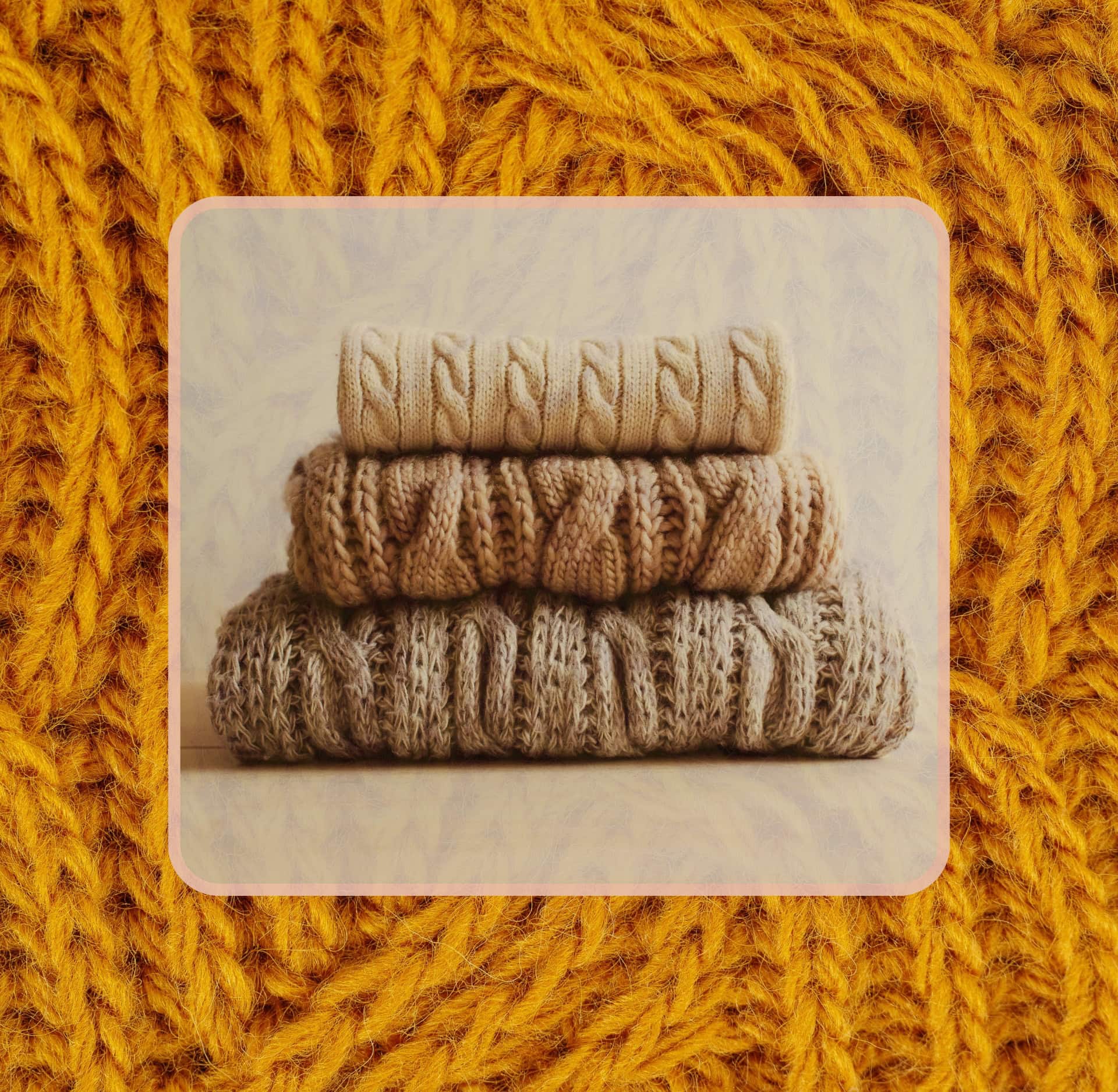
If you own a soft, cheap sweater that felt like a bargain, a fuzzy throw blanket, or a faux-fur anything, there’s a good chance you own acrylic. It is a fraction of the price of wool but can make a $15 sweater feel warm and woolly. I remember my grandmother praising acrylic for its price and warmth so it has a long, long history of playing a role in our wardrobes.
But is acrylic toxic to wear? Is it just polyester by another name? And how bad is it for the planet? Well, acrylic is mostly fine against your skin but it’s pretty rough on the environment.
In this article we cover what acrylic is, common sources, whether it’s safe to wear, and plastic-free alternatives.
Acrylic Fabric at a Glance
- Acrylic is a synthetic fiber spun from a plastic called polyacrylonitrile, which is made from fossil fuels. It is, in effect, plastic knitted into yarn, and it exists mostly as a cheap stand-in for wool.
- For most people, wearing finished acrylic is low-risk. The chemical it is built from, acrylonitrile, is a known human carcinogen, but this is mostly a hazard for the factory workers who breathe it in during production. This is a good reason to stop buying it but it's less of a concern for wearers.
- Acrylic's biggest cost is environmental because it sheds more plastic microfibers in the wash than most other common synthetics (one study measured over 700,000 from a single acrylic load), and it is neither biodegradable nor realistically recyclable.
- For warmth without the plastic, wool and plant or wood-based fibers (organic cotton, hemp, lyocell) are better options.
- If you own acrylic fabric clothing already, washing less and using a microfiber filter is recommended.
Table of Contents: Acrylic Fabric
- What Is Acrylic Fabric? Jump to section
- Where You'll Find Acrylic Jump to section
- Is Acrylic Fabric Toxic or Safe to Wear? Jump to section
- Acrylic and Microplastics Jump to section
- Is Acrylic Sustainable? Jump to section
- Acrylic vs Wool vs Polyester Jump to section
- Better Alternatives to Acrylic Jump to section
- Acrylic Fabric FAQs Jump to section
What Is Acrylic Fabric?
Acrylic is a manufactured fiber made from a plastic called polyacrylonitrile. In the US, the Federal Trade Commission's textile rules define it as a fiber built from a long-chain polymer that is at least 85% acrylonitrile by weight. Acrylonitrile comes from petroleum, so acrylic sits alongside the other synthetic fabrics like polyester and nylon.
To turn that plastic into fabric, manufacturers dissolve the polymer into a syrup, push it through a showerhead-like tool called a spinneret, and draw the strands out into long fibers. Those fibers are crimped so they trap air and hold warmth, which is why acrylic is used as an alternative to warm wool. In fact, it has been nicknamed "poor man's wool". With the current cost of living crisis, cheaper products like this are compelling.
Is Acrylic the Same as Polyester?
Both acrylic and polyester are plastic fibers that are made from fossil fuels, and both shed microplastics. But acrylic is softer, warmer, and more wool-like, which is why it's found in knitwear and blankets. Polyester is stronger and holds its shape better, which is why it's often used in activewear and cheap dresses.
Where You'll Find Acrylic
The most common uses for acrylic include:
- Knitwear: budget sweaters, cardigans, and jumpers, often blended with wool or cotton.
- Blankets and throws: the soft, slightly shiny blankets that cost almost nothing.
- Faux fur and fleece: most faux fur is acrylic, and it appears in some fleece too.
- Winter accessories: hats, gloves, scarves, and cheaper socks.
- Yarn and craft supplies: the majority of craft-store yarn is acrylic.
- Outdoor fabric: awnings, upholstery, and outdoor cushions, where its resistance to fading is more useful.
Here at SJ, we focus a lot on fashion so the rest of this guide sticks mostly to clothing and home textiles.
Is Acrylic Fabric Toxic or Safe to Wear?
Acrylic is built from acrylonitrile, and acrylonitrile is a hazardous chemical. In 2024, the World Health Organization's cancer agency reclassified it as a known human carcinogen, its highest category, based on evidence linking workplace exposure to lung cancer. The US EPA also treats it as a likely carcinogen and it is considered toxic, especially if inhaled.
But once the acrylonitrile has been reacted and spun into fiber, it is locked into a stable plastic, and a knitted sweater is not off-gassing the raw chemical into your day in any documented, meaningful way. So for most people, wearing acrylic is considered low-risk.
The more common complaint about acrylic is comfort. It does not breathe well, so it traps heat and sweat, which is usually what is behind an itchy, irritated reaction (along with dyes and finishing chemicals often used on cheap garments).
If you have sensitive skin or eczema, a breathable natural fiber will almost always feel better against your skin.
Acrylic and Microplastics
To us here at SJ, where we focus a lot on environmental impact, microplastics are the most fundamental issue when it comes to acrylic.
Every time you wash a synthetic garment, it sheds tiny plastic threads called microfibers, and they are small enough to pass straight through wastewater treatment and into rivers and oceans. Of the common synthetics, acrylic is one of the worst offenders. A widely cited 2016 study found that an acrylic wash load released roughly 730,000 microfibers, more than polyester or a polyester-cotton blend shed under the same conditions.
Those fibers end up in waterways, in wildlife, and in us. So if you have been trying to cut microplastics elsewhere in your life, it's probably time to ditch the acrylic. To lower the impact in other ways, you can wash acrylic less often, use cold water and full loads, and catch the fibers with a washing-machine microfiber filter or a filter bag.
Is Acrylic Sustainable?
Acrylic is not a sustainable or eco-friendly fiber by any definition:
- It starts as a fossil fuel
- Turning petroleum into fiber is energy-intensive
- It can cause serious health issues for people involved in its production
- Acrylic fabric is often treated with harmful dyes and finishing chemicals like formaldehyde
- It also does not break down at all at the end of its life (not biodegradable or compostable)
- It is not realistically recyclable. There is no curbside stream for it and blended garments are hard to separate.
Acrylic is sometimes marketed as eco but this is greenwashing. For example, a cheap acrylic sweater marketed as vegan wool. Vegan does not automatically mean low-impact when the alternative is plastic.
If you want to get better at reading these claims, our guides to slow fashion and sustainable fashion are useful.
Acrylic vs Wool vs Polyester
Here are a few comparisons across these three materials:
Warmth:
- Wool is the best
- Acrylic mimics it well for the price
- Polyester is the least warm.
Moisture:
- Wool wicks and stays warm when damp
- Acrylic and polyester trap sweat
- Polyester dries fastest
Durability:
- Acrylic pills quickly and can lose its shape
- Polyester is tougher
- Good wool is very durable and lasts years (it's always a win to find very well made vintage woolen garments when thrifting).
Planet & Impact:
- Acrylic and polyester are fossil-fuel plastics that both shed microfibers
- Wool is natural and biodegradable, though it has its own footprint around land and animal welfare, which we get into in our guide to ethical wool.
Cost:
- Acrylic is almost always the cheapest
Better Alternatives to Acrylic
You don't have to choose between cozy and conscientious. A few swaps that keep the warmth and lose the plastic:
- Wool, merino, or recycled wool for warm knitwear that also biodegrades.
- Organic cotton and hemp for lighter layers and everyday basics.
- Wood-based fibers like bamboo, modal, and lyocell for soft, breathable pieces.
- Plant-based knits if you want animal-free options, covered in our guide to vegan fabrics.
- Secondhand for clothing that already exists. When yours wears out, recycle the old clothes rather than trashing them.
- For workout layers, ethical activewear brands that use natural fibers ideally
- If you knit, swap craft-store acrylic for natural options from our sustainable yarn guide.
And if you do keep any acrylic, wash it less to prevent microfibers washing down the drain. Most knitwear needs airing more than it needs a wash.
Acrylic Fabric FAQs
Is acrylic fabric toxic?
For most people, wearing finished acrylic is considered low-risk. But the chemical it is made from, acrylonitrile, is classified as a human carcinogen, which is a toxic hazard for factory workers and nearby communities who breathe it in. Itchy reactions from wear are usually caused by acrylic's poor breathability and the dyes or finishing chemicals on cheap garments.
Is acrylic plastic?
Yes, acrylic fabric is plastic, made from the petroleum derived chemical, acrylonitrile. Much like polyester, the plastic fibers are woven together to make fabric, so wearing acrylic is essentially wearing plastic.
Is acrylic fabric safe for sensitive skin?
It can be uncomfortable. Acrylic does not breathe well, so it traps heat and sweat, which can irritate sensitive or eczema-prone skin. A breathable natural fiber like organic cotton usually feels better.
Is acrylic warm enough for winter?
Yes, acrylic holds warmth well, which is why it is used for winter knits. It is less warm than wool and does not manage moisture as well, so it can feel clammy, but it will keep you warm.
Is acrylic breathable?
Acrylic is one of the less breathable fibers, so it can trap sweat and heat against the skin.
Does acrylic pill and shrink?
Acrylic pills easily, especially cheaper knits, forming little bobbles with wear and washing. It generally resists shrinking better than wool, but high heat can distort it, so a cool wash and air-dry keeps it looking better for longer.
What are the disadvantages of acrylic fabric?
It does not breathe well, it pills, it is made from fossil fuels, it sheds a lot of microplastics in the wash, it's often finished or dyed with harmful chemicals, it is a potential hazard for people who make it, and it is neither biodegradable nor realistically recyclable.
Final Thoughts on Acrylic Fabric
There's no need to panic-clear your closet. Acrylic against your skin is, for most people, a comfort issue more than a safety one.
But acrylic, in our view, is less than ideal when you look at the bigger picture. It is a fossil-fuel plastic that sheds microfibers every wash and lingers for centuries once you're done with it. It's also often finished with harmful chemicals and dyes that can be toxic to the wearer. One to avoid!
If this made the label on your coziest sweater make more sense, pass it along to a friend who may find it useful too.

Joy has been a passionate advocate for the environment since she was a small child. She grew up in South Africa and has been lucky enough to be exposed to the wonders of nature not just in Africa but all over the world. She founded Sustainable Jungle (together with her husband Lyall) back in 2017 after becoming enraged by the devastating impact of palm oil. She then founded the Sustainable Jungle Podcast and together with Lyall interviewed remarkable people from all over the world who were finding ways to create positive impact. Outside of Sustainable Jungle, Joy has always worked in the corporate world, starting out as an auditor and later moving into management consulting. More recently she specialized in Climate Investing for the Asia Pacific region. Given her experience, her current passion is Brand Ratings. She is very much enjoying going deeper on what it really means to drive sustainability performance and true impact through business operations.