












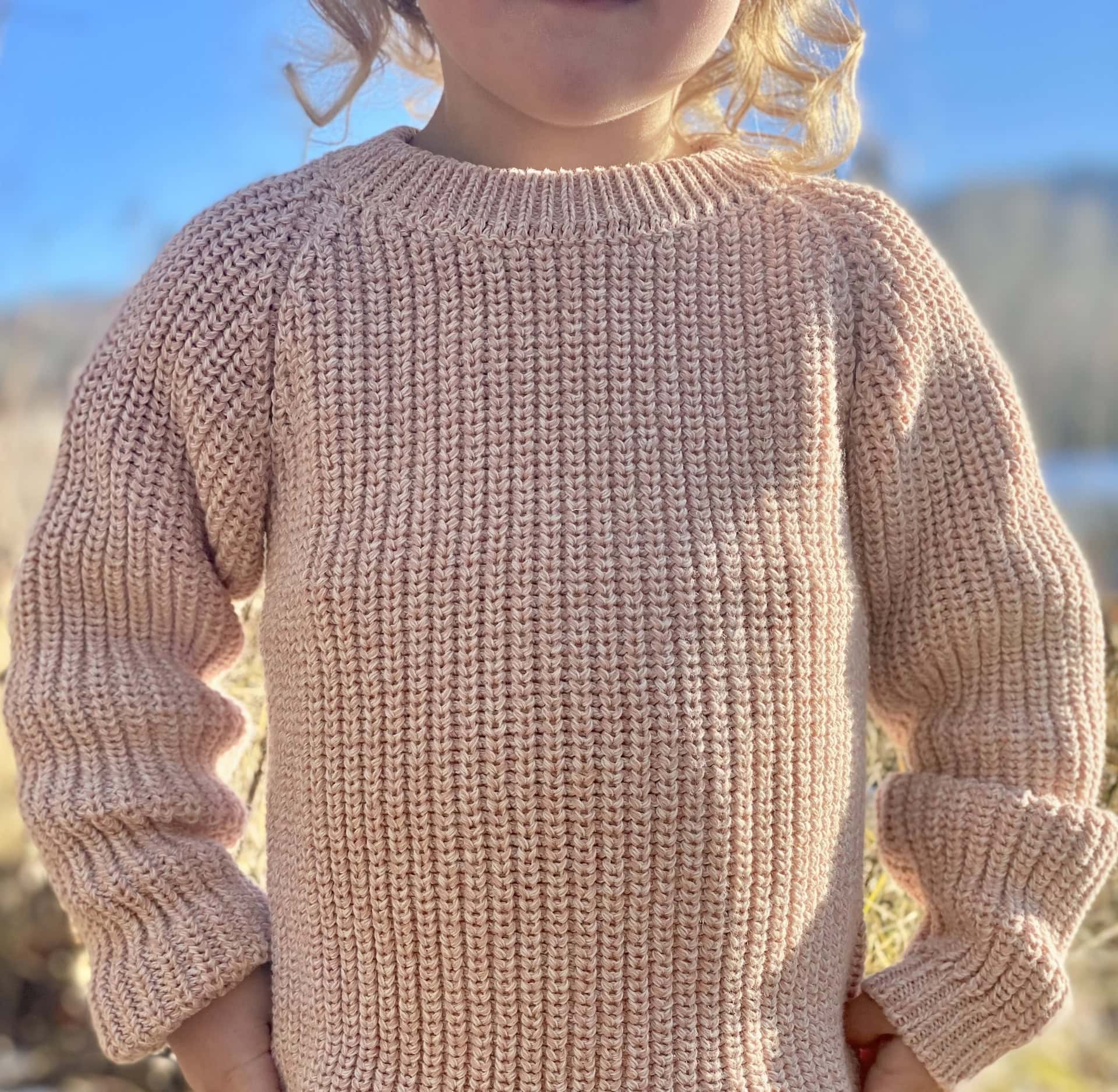
Kids outgrow clothes fast, but that doesn’t mean their wardrobe should come at a cost to the planet or the people making it.
There are a few things every parent wants for their kids including safety, security, and the ability to grow up in a better world. Providing them with comfortable, safe, and sustainable kid’s clothing is one small step in that direction. Around 60% of modern garments contain synthetic fabrics like nylon, polyester, and acrylic, which are essentially plastic. Instead of BPA and phthalate-leaching materials, toxic dyes, and chemical flame retardants, non-toxic kids’ clothes made from organic cotton and other natural materials keep your little ones safe and comfortable as they grow.
Being a parent is hard enough. So we’re thankful these A+ brands ease our anxieties and make sustainability for kids more stylish (and safe) than ever. After researching dozens of brands and personally testing many of them on our own kids (and our team’s kids), we considered materials, ethical manufacturing, sustainable business practices, and more to find the best sustainable, ethical, and organic kids’ clothing brands available.
What We Looked For
In evaluating sustainable kids’ clothing brands for this guide, we prioritized the following (as much as possible):
- Organic, certified, or otherwise responsibly sourced materials (with a preference for GOTS-certified organic cotton)
- Fair labor practices and transparent supply chains, ideally with third-party certifications
- Durability that holds up to the wear and tear of childhood (and ideally passes down to siblings or can be used for many years through clever designs)
- Non-toxic dyes and finishes that are safe for children’s sensitive skin
- Minimized environmental impact through thoughtful packaging, local manufacturing, or circular programs
Our Testing, Ratings & Research
In some cases, we tested these clothes on our own children over weeks and months, assessing comfort, durability, ease of washing, and how well they held up to the rigors of playground life, hikes, sports, and general kid chaos.
For brands we work with through our sustainability rating system, we evaluated their initiatives across 22 criteria including supply chain, labor practices, and environmental commitments. See other rated brands in our sustainable brand directory.
For brands we didn’t test directly or rate, we conducted careful research to bring you the best sustainable children’s clothing available.
Related Guides: Sustainable Baby Clothes, Used Kids Clothes, Sustainable Clothing Brands, Sustainability For Kids, Sustainable Toys, Organic Baby Toys
We independently research all featured brands, and we ask them to confirm their claims. In many cases we personally review recommended products. This post contains affiliate links which means we may earn a commission if you buy something. We explain this further in our Terms of Use.
The Best Sustainable, Non-Toxic & Organic Kids Clothing Brands
Best Overall (Rated): Hahaha | GOTS-certified organic cotton kids’ streetwear, made in LA, with a creative interchangeable patch system that extends garment life (and kids creativity). OEKO-TEX certified. Top rated by Sustainable Jungle.
Best Tested (Organic Cotton): Firebird Kids | 100% GOTS-certified organic Peruvian Pima cotton, manufactured in women-owned factories in LA and NYC. Personally tested and reviewed by Sustainable Jungle.
Best Fair Trade: Mightly | GOTS organic cotton, Fair Trade certified factories, sizes 2T to 14. Original artwork by up-and-coming artists. Personally tested and reviewed by Sustainable Jungle.
Best for Outdoor Adventures: Patagonia | Wide range of sustainable fabrics including organic, recycled, and regenerative materials. Fair Trade sewn. Lifetime repair guarantee.
Best Secondhand: Babymint | Curated secondhand kids’ clothing marketplace. Prices from $6.
Table of Contents: Best Sustainable & Non-Toxic Kids Clothing Brands
- Hahaha Jump to brand
- Mightly Jump to brand
- Firebird Kids Jump to brand
- Babymint Jump to brand
- Makemake Organics Jump to brand
- Patagonia Jump to brand
- Toby Tiger Jump to brand
- Hanna Anderson Jump to brand
- Colored Organics Jump to brand
- Crann Organic Jump to brand
- Additional Sustainable Kids Clothing Options: Notable Mentions Jump to brand
Hahaha

Ethical Sourcing
Raw materials have been sourced ethically with people and planet in mind.
Locally Made
Products are made local to the brand's headquarters.
Non-toxic
All products are made with ingredients or materials that are currently considered non-toxic
Organic
Products are made from organic materials.
Small business
This brand is a small business run by less than 15 people
Sustainable Materials or Ingredients
Either all or most products are made with sustainable materials or ingredients.
Thoughtful packaging
Product packaging has been designed and created with the end of life outcome in mind and can be easily recycled or composted.
Vegan
This brand does not use any animal products or by-products in their products
GOTS
OEKO-TEX®
GOTS
The GOTS (Global Organic Textile Standard) certification is the world’s leading standard for organic fibers. It covers every step of production, from harvesting raw fibers to environmentally and socially responsible manufacturing, and prohibits toxic dyes, GMOs, and harmful chemicals. GOTS also enforces fair labor practices.OEKO-TEX®
The OEKO-TEX® Standard 100 certification ensures that every component of a textile product (threads, buttons, zippers, and fabrics) has been independently tested for harmful substances. Managed by the International Association for Research and Testing in the Field of Textile and Leather Ecology, it guarantees products are safe for human health, meeting strict global limits for chemicals such as pesticides, heavy metals, formaldehyde, and PFAS.Hahaha’s Organic Cotton Kids’ Streetwear
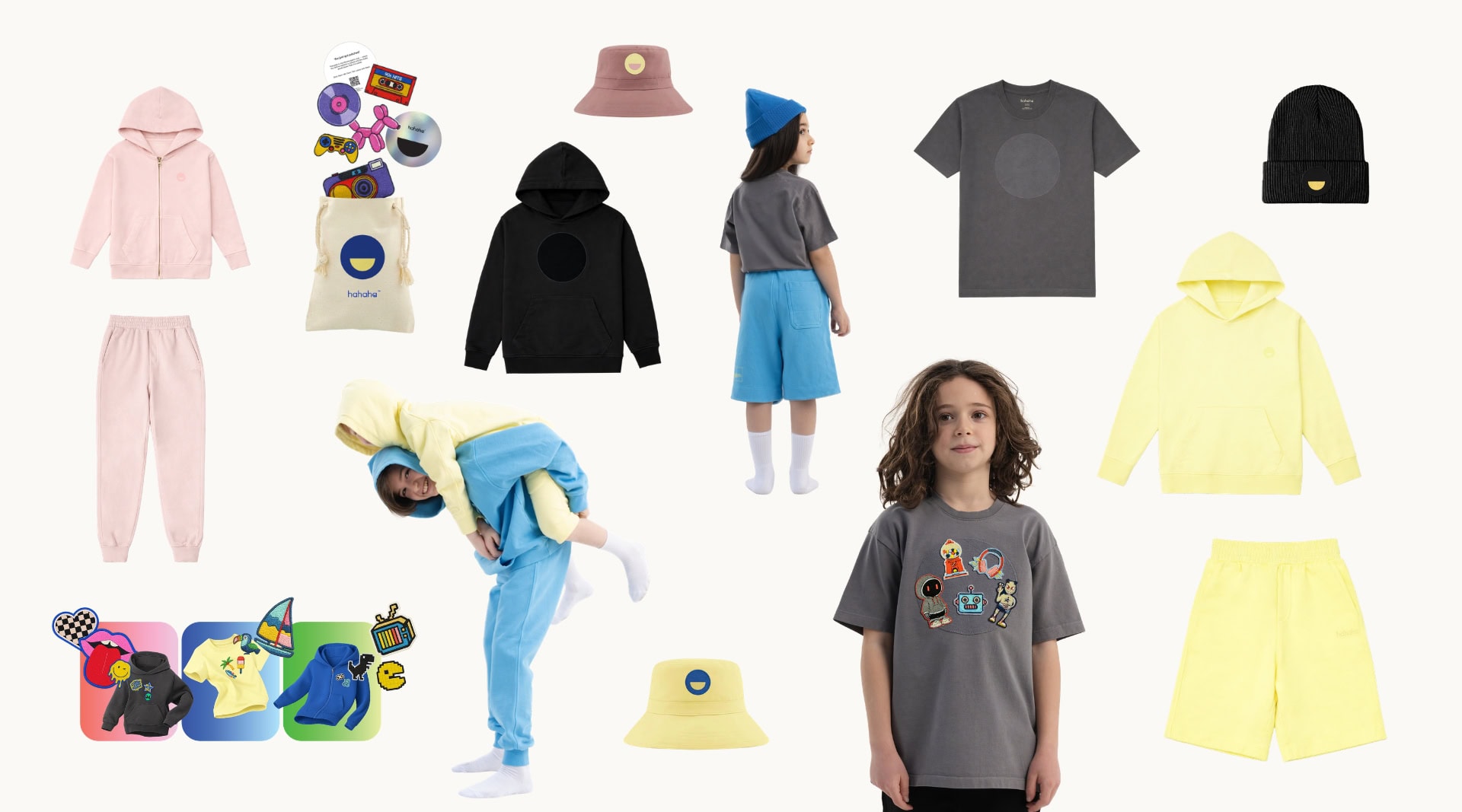
- What it is: A fun, stylish Los Angeles-based children’s streetwear brand making all garments locally and offering a twist of creativity for kids. The range includes tees, hoodies, shorts, joggers, and accessories.
- What makes it sustainable & non-toxic: Fabrics are made from 100% GOTS-certified organic cotton. They are OEKO-TEX Standard 100 certified, independently tested against over 350 harmful substances, making them safe for children’s direct skin contact. All garments are cut and sewn locally by Euphoric Colors, an independent LA-based manufacturer. Small, planned production runs minimize deadstock. Packaging is kraft paper-based and recyclable or compostable. All products are compostable at end of life (once patches are removed).
- What we love: Hahaha’s interchangeable hook-and-loop patch system lets children creatively restyle garments rather than replace them, extending the useful life of each piece. Cultural heritage patch collections celebrate communities including Native American, Mexican, Chinese, Indian, and Armenian cultures. Each garment carries a sewn-in care label encouraging parents to pass items to another child when outgrown.
Hahaha has been rated by Sustainable Jungle. See the full rating.
Mightly
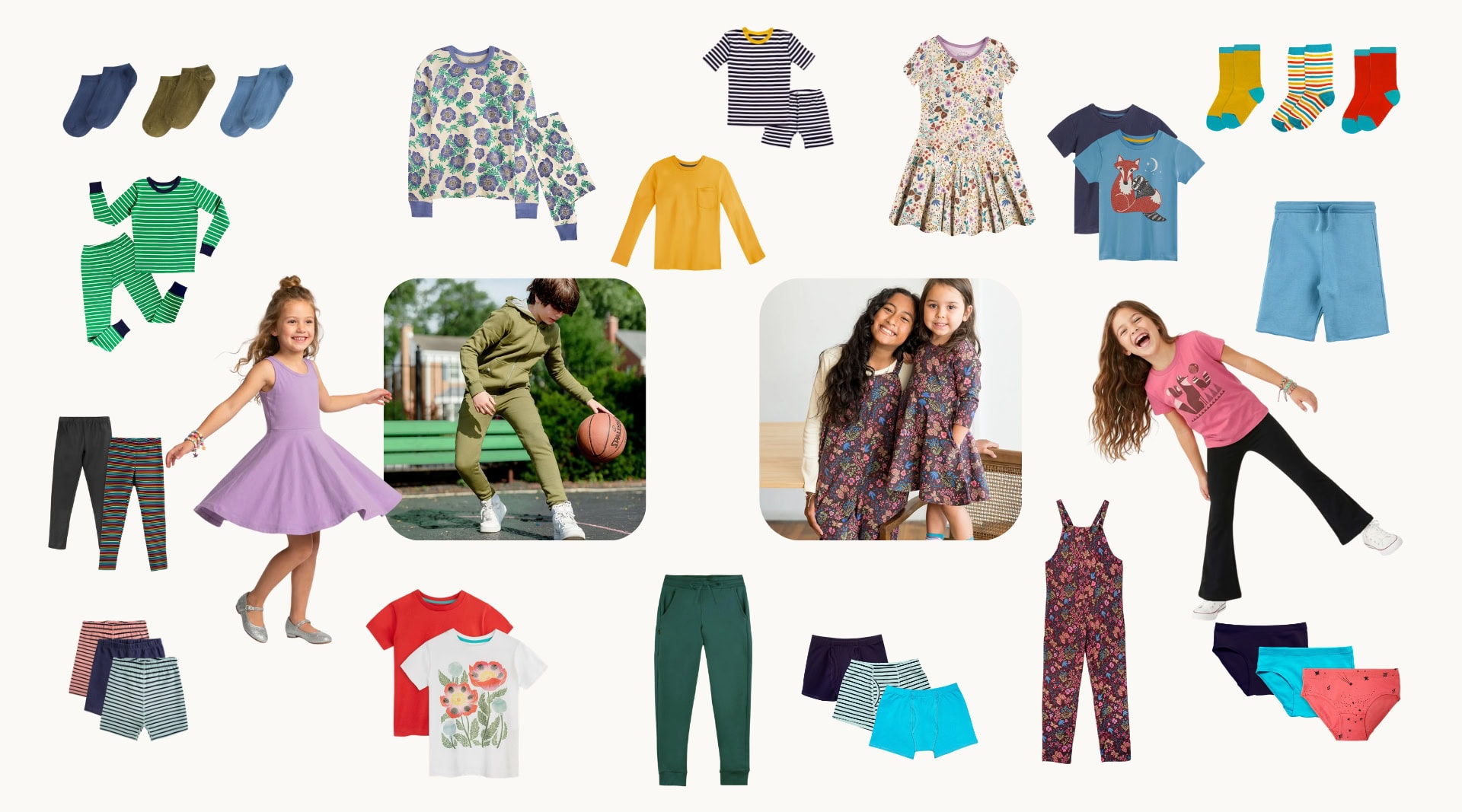
Mightly has not been rated.
Mightly’s Fair Trade Organic Kids’ Clothing
- What it is: Three mothers’ initiative to bring planet-friendly clothing to playgrounds everywhere. The range includes tops, t-shirts, hoodies, leggings, sweatpants, dresses, skirts, shorts, underwear, socks, and more, plus matching family pajamas.
- What makes it sustainable & non-toxic: GOTS-certified organic cotton for all products, sourced through Chetna Organic Farmers Association, a farmer-owned non-profit partnering with small, local farmers in India. Made in Fair Trade certified factories, with Mightly paying a Fair Trade Premium directly back to workers for community projects. 100% recycled paper packaging.
- What we love: Features original artwork from up-and-coming artists. A Lightly Loved secondhand section keeps garments in circulation.
- Sizing: 2T to XXL (14)
- Price: $9-$50
Performance Review of Mightly’s Clothing
“Mightly’s Botanical Floral Dress is our pick for hot summer days. The durable, organic cotton makes for a breathable dress with the perfect amount of twirl. This dress miraculously never showed its wear and tear. Each time we plucked Mightly’s flower dress from the dresser, it was ready to wear and wrinkle-free. Not only does this dress feel great on, without any itchy seams or bothersome fabric, it’s made well in a Fair Trade Certified Factory. We love a dress that makes our little lady feel like a princess while treating those who make it the same way!”
“Mightly’s 2 pack of boys’ shirts came in vibrant hues with subtle designs. The organic cotton shirts were worn repeatedly all season long without a hint of wear. I love Mightly’s quality clothes that survive one sibling’s shenanigans at the park, the beach, on hikes, and during sports, and then pass on to the next sibling for equal love. The price of high-quality materials is well worth it when it lasts for years, is made from safe fabrics and is a go-to in our kids’ closet.”
Reviews By Shelby Loeppky, SJ Writer (multiple products tested)
Firebird Kids
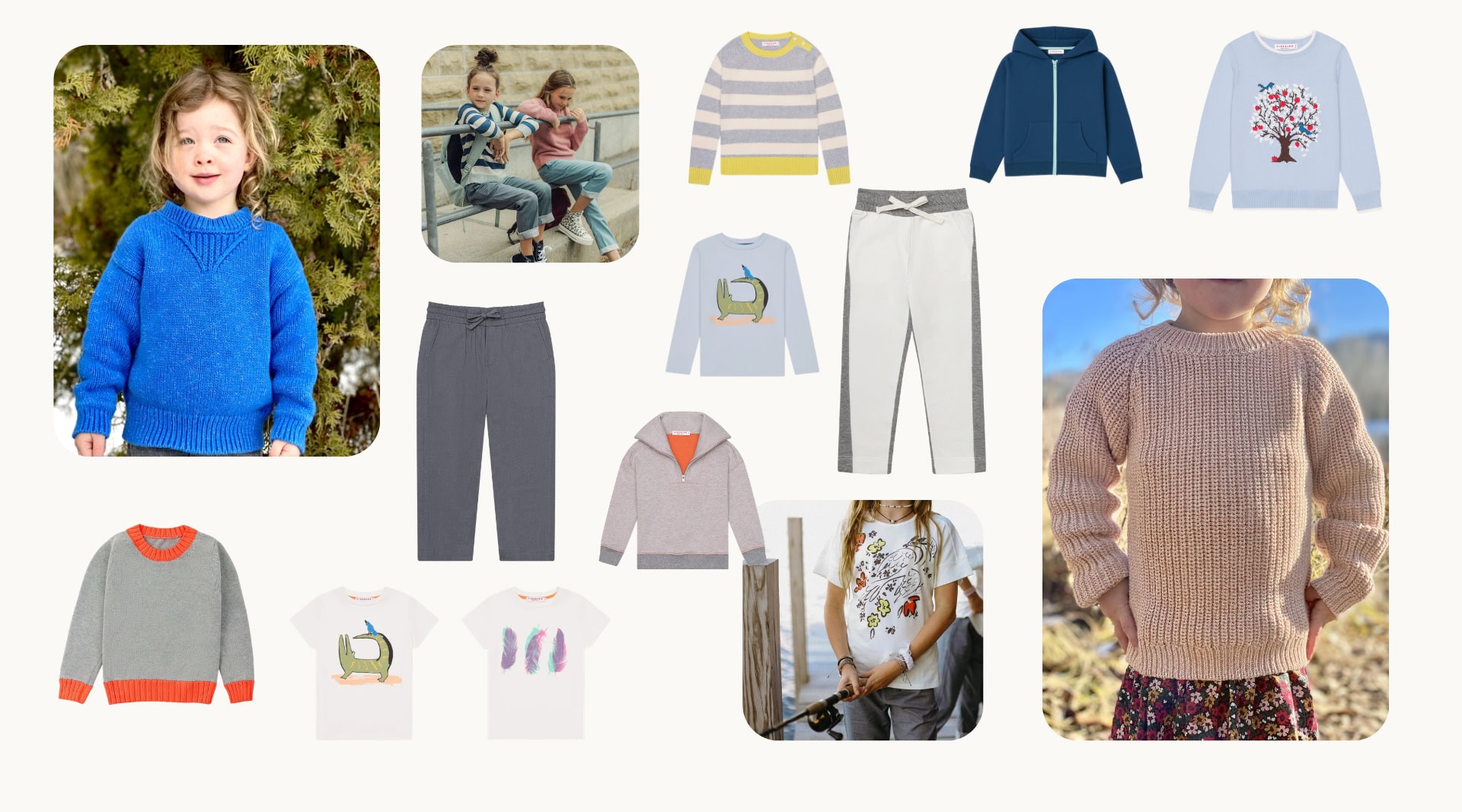
Firebird Kids has not been rated.
Firebird Kids’ Organic Cotton Clothing
- What it is: A sustainable kids’ clothing brand blending European roots with American casual cool. The range includes tees, sweaters, hoodies, and sweatshirts.
- What makes it sustainable & non-toxic: GOTS-certified 100% organic cotton grown from non-GMO seeds, sourced from Peru. Some pieces use Italian organic cotton yarn (for knitwear) or 85% Egyptian Giza cotton with 15% cashmere (for hoodies). Made in small batches in women-owned factories in LA and NYC, USA. 100% recycled and biodegradable boxes or compostable mailers for packaging.
- What we love: USA manufacturing means fewer carbon emissions. Firebird operates a Pass It On resale platform for outgrown pieces, keeping garments in circulation.
- Sizing: 2T to 12-13
- Price: $42-$145 (bundle)
Performance Review of Firebird Kids’ Clothing
“Firebird’s Cableknit Sweaters are reminiscent of old-timey kids’ fashion that were likely once itchy or ill-fitting. The twisted colors give the cable-knit sweater a unique color and texture. While it is undoubtedly warm and close fitting, the roomy midsection allows for a light shirt under the sweater and moveable, grooveable play room.
Whether you and your little one are snuggled up watching a movie or cozy coloring by the fire, the Cotton Cashmere Hoodie by Firebird is like wrapping your little one in a blanket. The hood is spacious, and with a roomy middle, this cashmere hoody allows your little one to run, play, cuddle, and color freely without any scrunching, bunching, or bother. My daughter consistently chooses this sweater on the rainy fall days we experience in Canada.”
Review By Shelby Loeppky, SJ Writer (multiple products tested)
Babymint
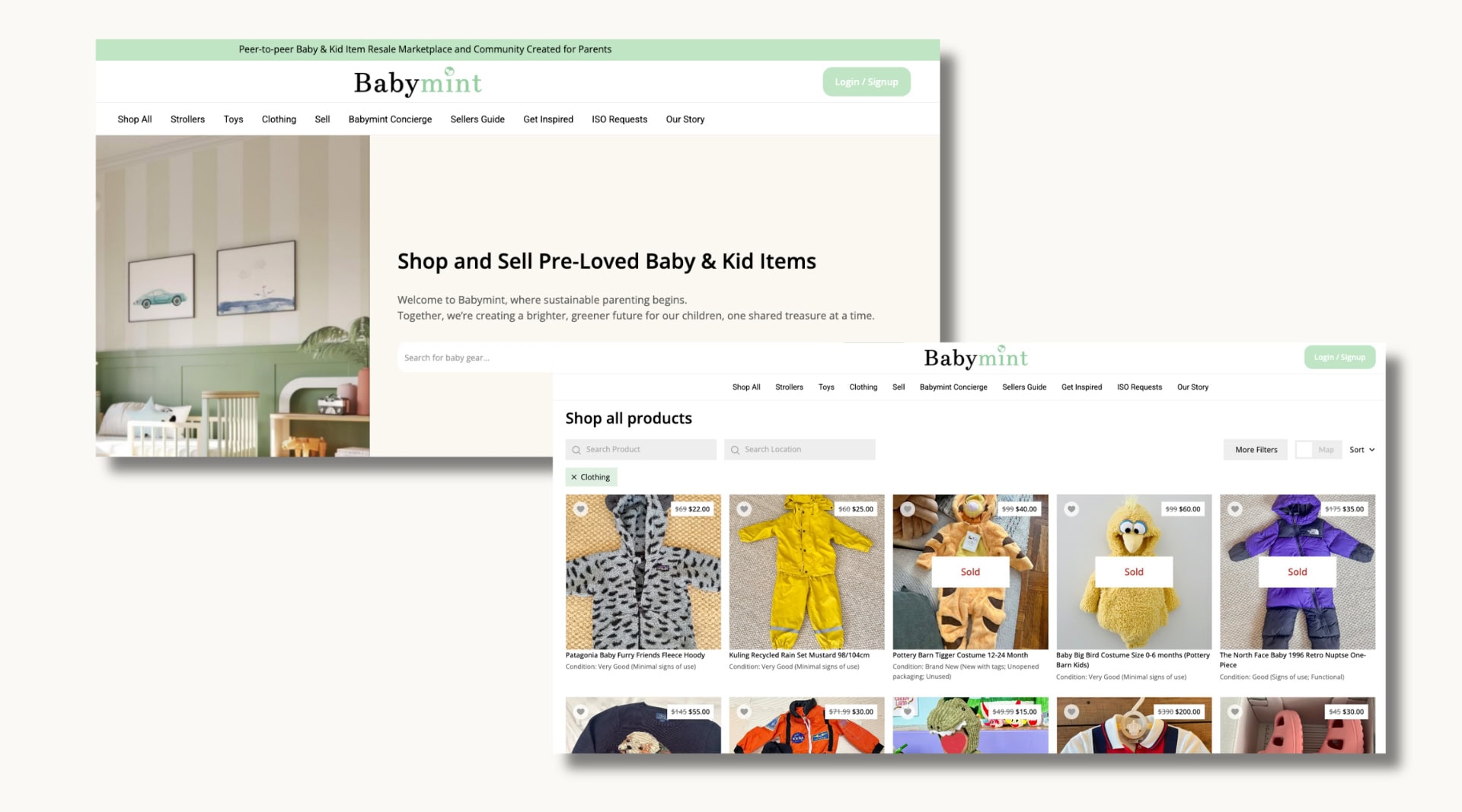
Babymint’s Secondhand Kids’ Clothing
- What it is: A carefully curated secondhand online marketplace for kids and babies covering clothing and a wide range of other products like travel gear, toys, strollers, sports gear, books, and more. Clothing can be filtered by age (0-9 years), distance, condition, and color.
- What makes it sustainable & non-toxic: Babymint’s clever approach helps kids’ clothing stay in use longer while making it more affordable (a problem sustainable kids clothing faces). Being able to filter by distance also helps reduce travel miles and emissions.
- What we love: Babymint’s tech enabled platform makes it easy to both buy and sell clothing. Babymint also offers a concierge service for the New York area (because parenting is BUSY) and a seller’s guide for new sellers. Sellers can also sell bundles which (from experience) is wonderful for busy parents for taking the thinking out of the constant sourcing of clothing for constantly growing kids.
- Sizing: 0 to 9 years
- Price: Varies but at the time of writing $6 to $800 (Moncler Puffer anyone?)
Makemake Organics
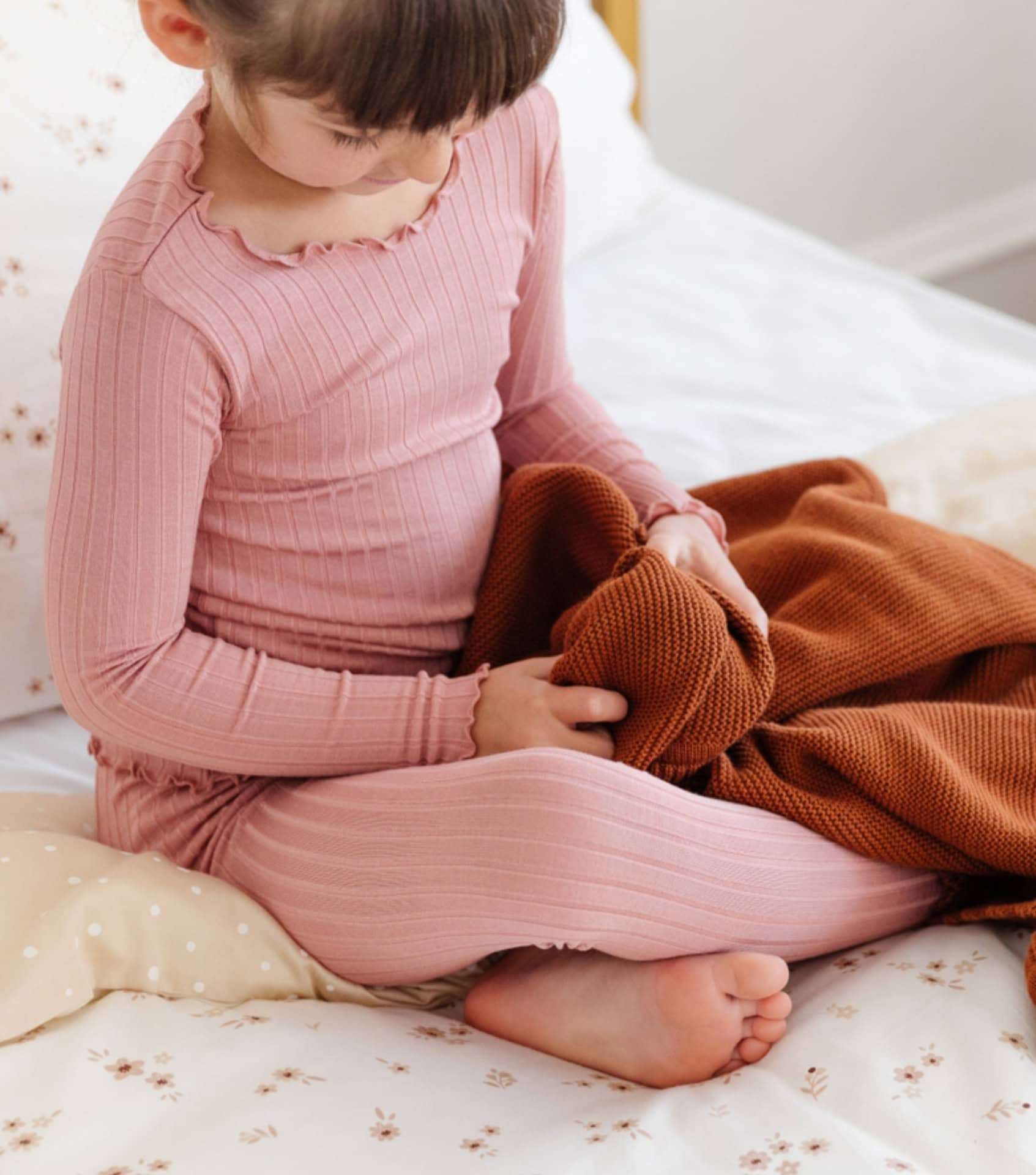
Makemake Organics has not been rated.
Makemake Organics’ Certified Organic Cotton Kids’ Clothing
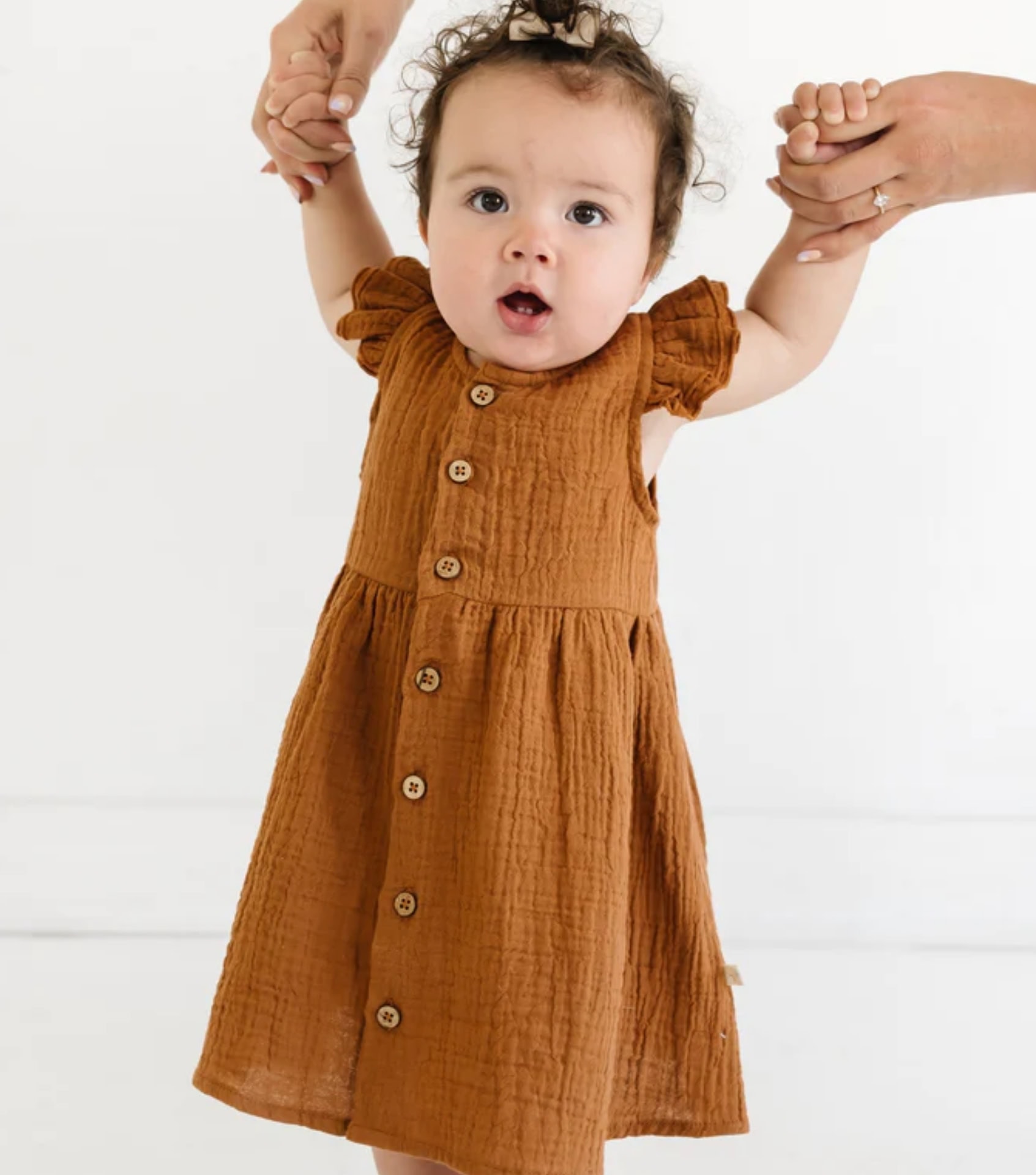
- What it is: A parent-founded brand catering to conscious parents who want high-quality organic products. The range includes top and bottom sets, ruffle dresses, and gender-neutral sets for bigger kids.
- What makes it sustainable & non-toxic: Most products are 100% GOTS-certified organic cotton, with a few containing 5% elastane. Fabrics are chemical-free, unbleached, and printed with non-toxic, water-based inks. The range has been tested and found compliant with children’s product safety rules per the Consumer Product Safety Improvement Act. Designed in Florida, manufactured in GOTS and Fair Trade certified factories in India. Vertically integrated, meaning Makemake directly controls all production stages with no outsourcing.
- What we love: All orders delivered in reusable bag packaging. Vertical integration means complete oversight of every step in the supply chain.
- Sizing: 0 to 24 months for babies, 2 to 5T for toddlers
- Price: $18-$92
Patagonia
Patagonia has not been rated.
Patagonia’s Kids’ Outdoor Clothing
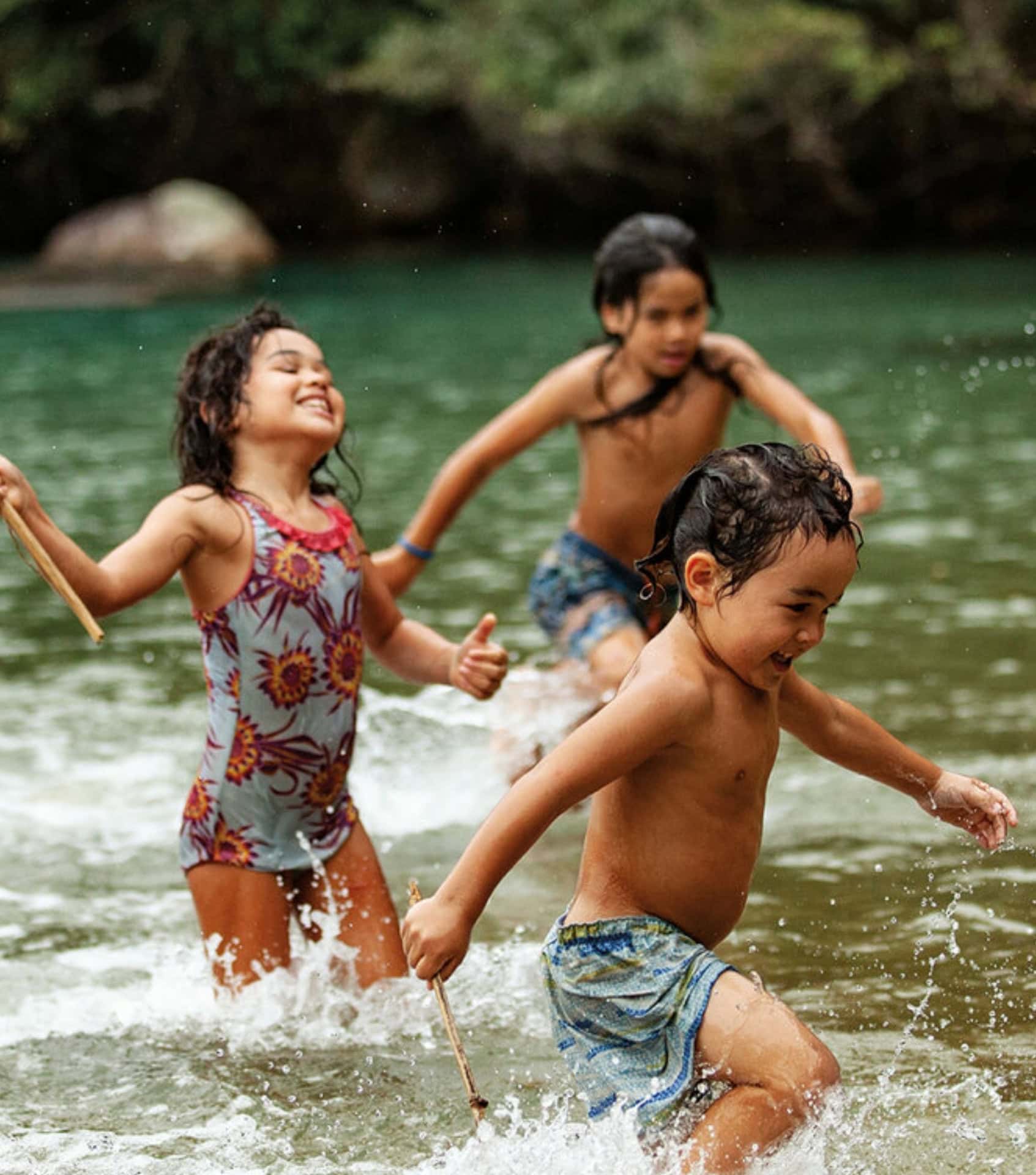
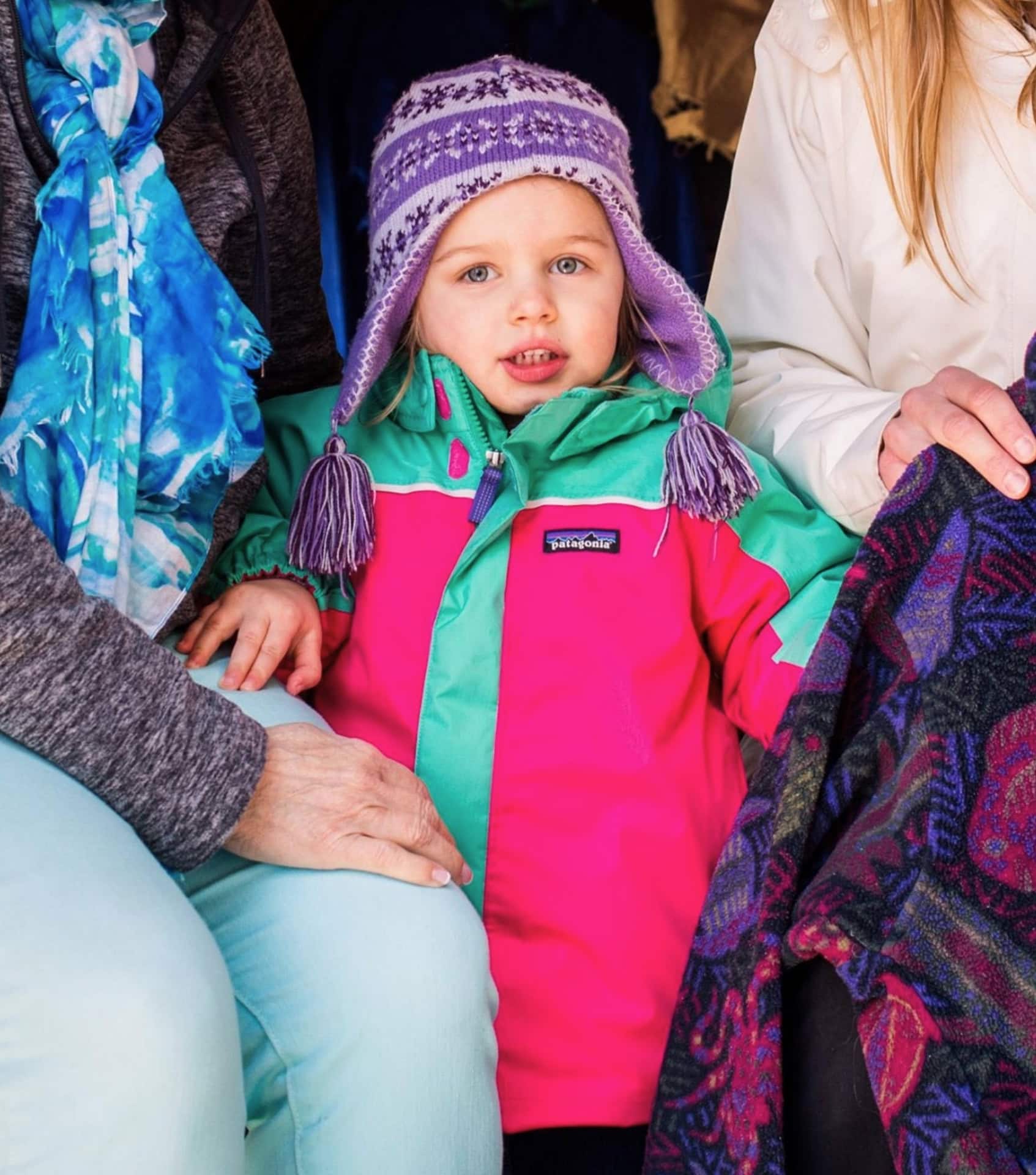
- What it is: Durable, adventure-ready clothing for babies, toddlers, and kids. The range includes t-shirts, jackets, shorts, pants, swimwear, hats, and accessories.
- What makes it sustainable & non-toxic: Hemp, organic or Regenerative Organic Certified cotton, RDS-certified down, and recycled materials (cotton, polyester, nylon, spandex, down, wool, cashmere, and TPU). More than 90% of products are Fair Trade, supporting over 85,000 workers worldwide. A founding member of the Fair Labor Association with a comprehensive Supplier Code of Conduct. Each garment can be traced to its factory of origin. Extensive sustainability reporting and tracking covering emissions, materials and several other metrics.
- What we love: Ironclad lifetime repair guarantee on all garments (free!). Worn Wear resale program for trading in outgrown clothes for store credit. Co-founding member of 1% for the Planet, allocating 100% of company profits to improving sustainability or directly funding climate action.
- Sizing: Toddler 3-6m to 5T, big kids XS to XXL
- Price: $29-$219
Toby Tiger
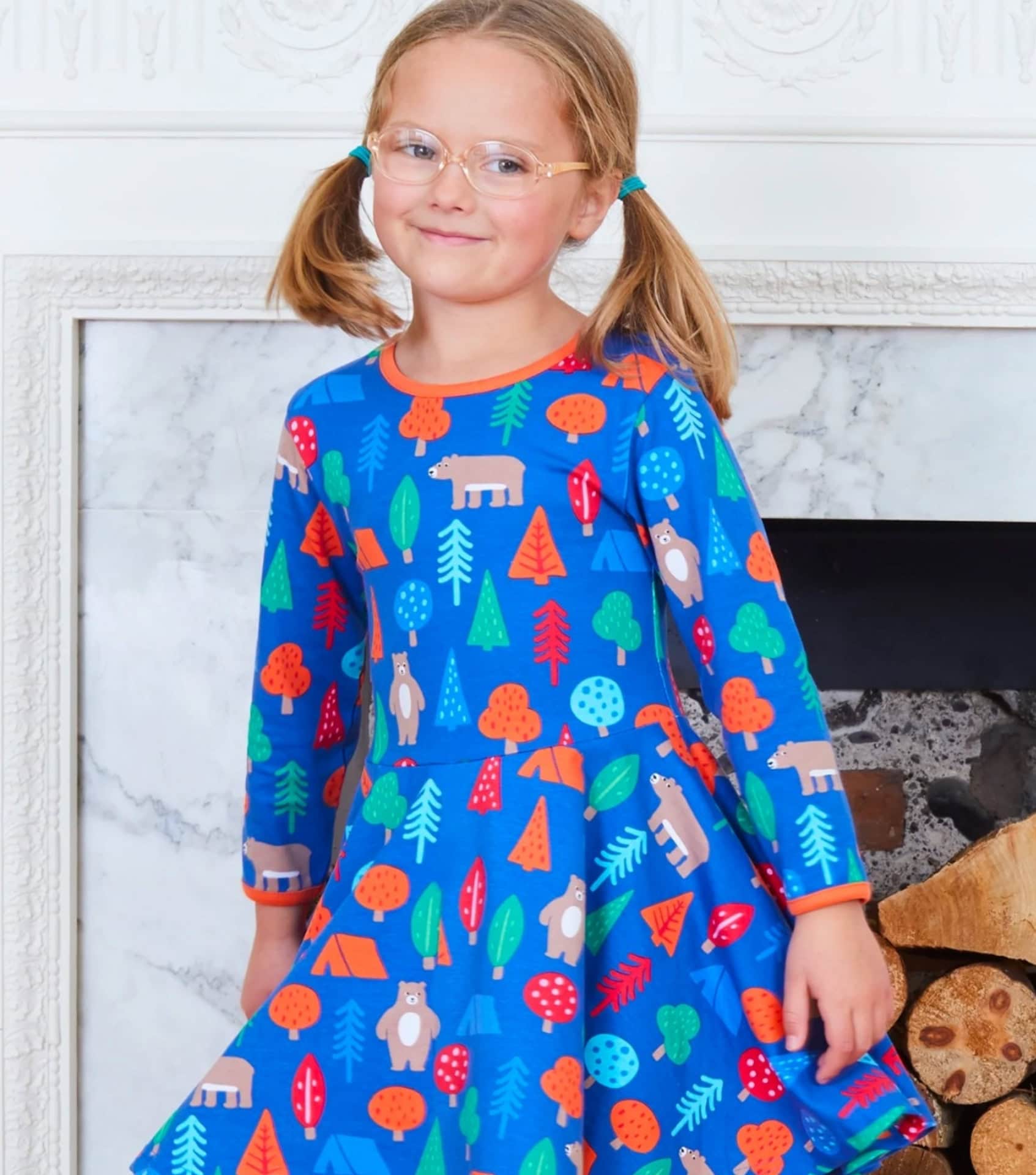
Toby Tiger has not been rated.
Toby Tiger’s Organic Cotton Kids’ Clothing
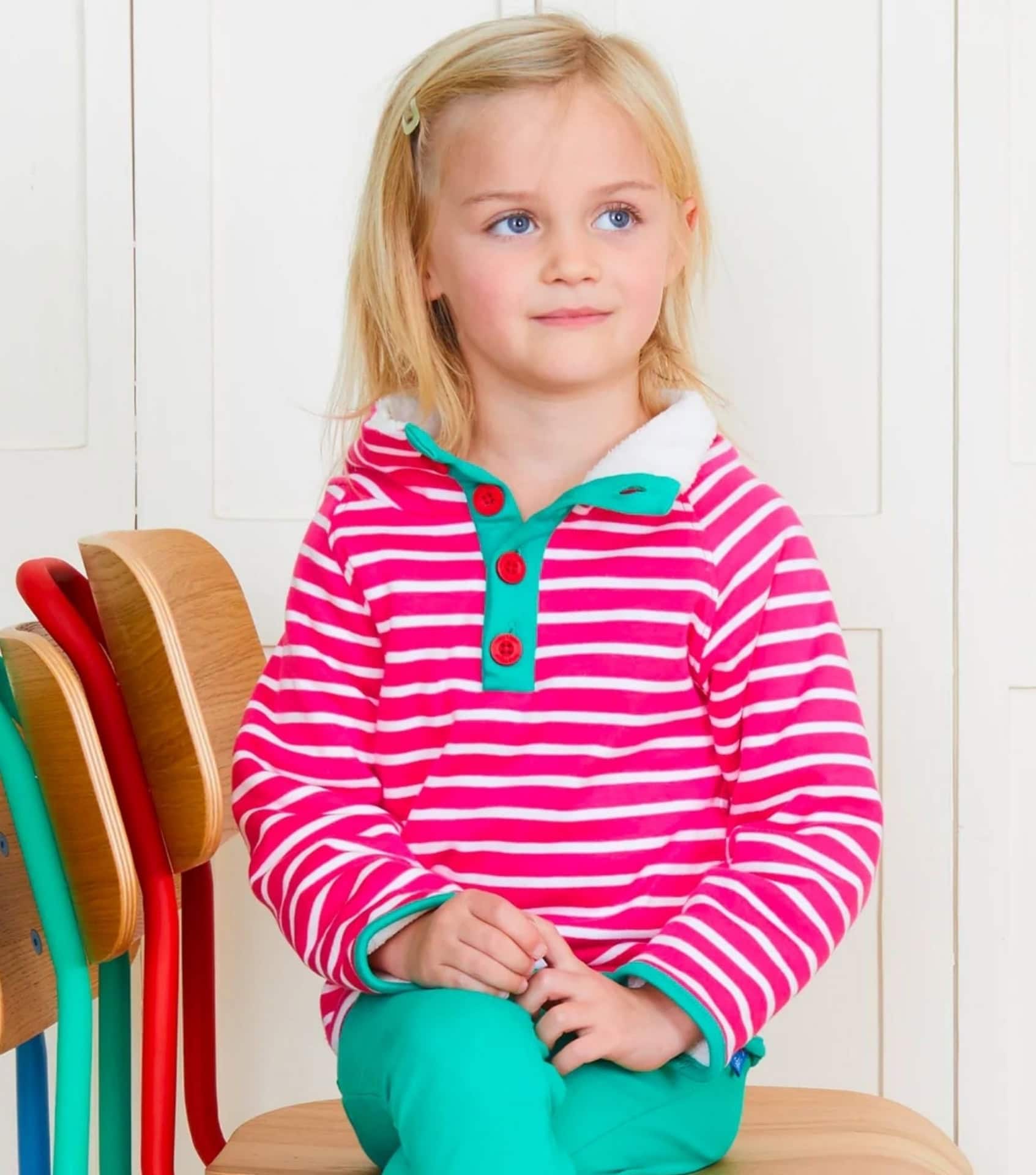
- What it is: A UK brand featuring bright colors, bold prints, and adorable appliques. High-quality, unisex clothes designed to be fun to wear again and again.
- What makes it sustainable & non-toxic: All organic cotton clothing is Soil Association or GOTS-certified, dyed with eco-friendly AZO-free dyes. Made in a family-run factory in India, where workers receive fair wages and have access to social benefits.
- What we love: Partnership with SuperLooper, a baby clothing rental service. Send outgrown Toby Tiger clothes to SuperLooper for free and receive a voucher toward your next purchase. The bold, playful prints make these clothes a hit with kids.
- Sizing: Baby sizes from newborn to 12-18m, kid sizes from 1-2y to 7-8y
- Price: $20-$115 (for bundles)
Performance Review of Toby Tiger’s Clothing
“If you’re a fan of brightly coloured, kid-friendly designs on organic materials, Toby Tiger has you covered. The fun woodland design with bright pink stitched along the cuffs, bottom and zipper is made with AZO-free dyes, all this colour without the synthetic colouring that’s toxic for your little one and the land. The 100% GOTS-certified organic cotton holds its shape, and I can confirm it has lasted to the point of my daughter growing out of it nearly one year later. The fleece lining makes this sweater easy to transition into a spring jacket with cozy pockets for chilly hands. Toby Tiger is the perfect, non-toxic gift for any little tike in your life!”
Review By Shelby Loeppky, SJ Writer (tested over several months)
Hanna Anderson
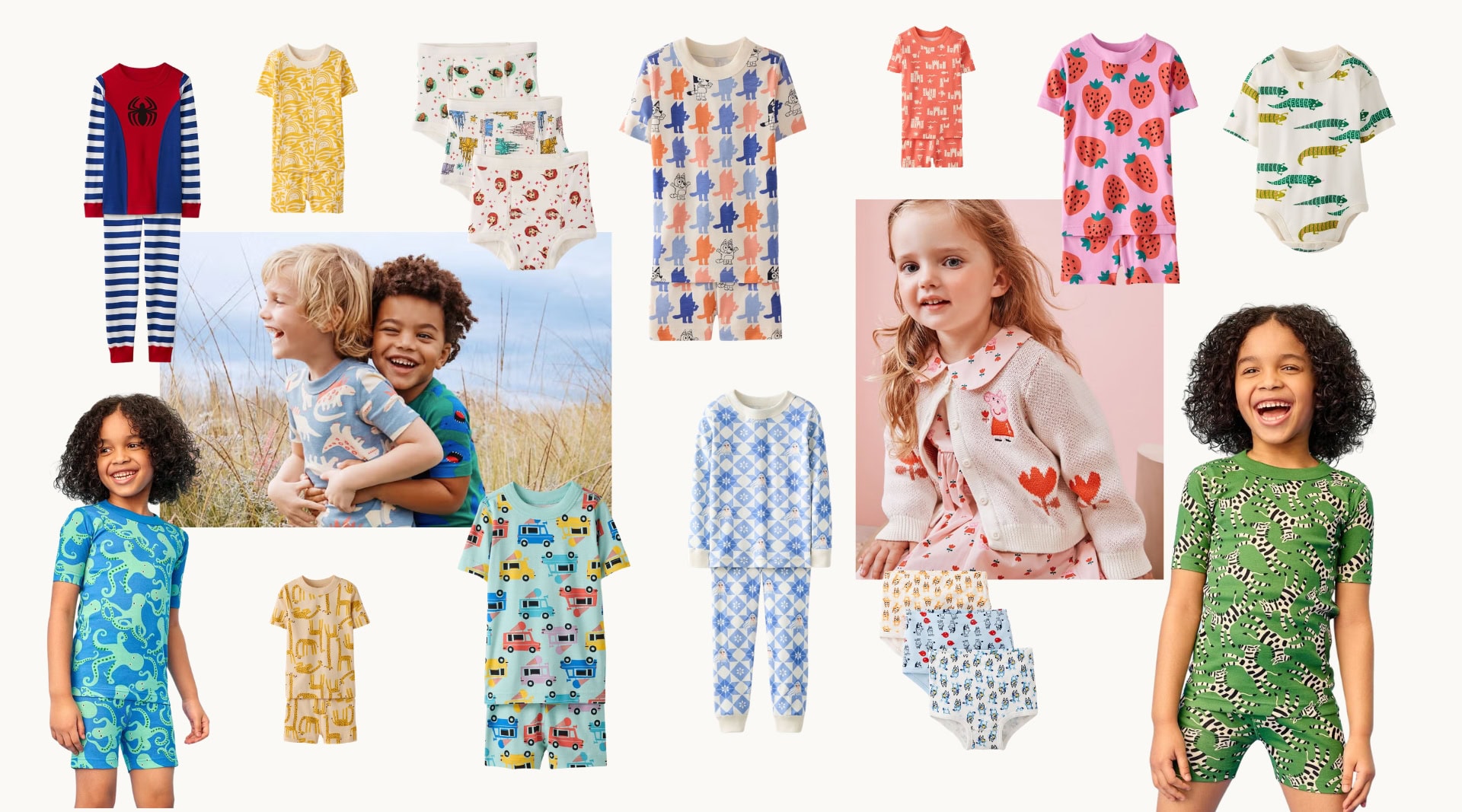
Hanna Anderson has not been rated.
Hanna Andersson’s Heritage Organic Cotton Kids’ Clothing
- What it is: A Swedish-founded brand that has been committed to sustainable and ethical practices for over forty years. Known for bold designs, premium organic fabrics, and famously durable construction. The range spans from swimwear and everyday basics to matching family pajamas.
- What makes it sustainable & non-toxic: Collections feature 100% certified organic cotton and OEKO-TEX certified materials (though not all cotton is organic across the range, so check individual product listings). Currently piloting regenerative farming practices with its suppliers and increasing recycled material content year over year. Made in multiple global factories.
- What we love: Over 40 years of commitment to organic cotton and responsible manufacturing. Hanna-Me-Downs pre-loved shop for secondhand pieces. Known for exceptional “hand-me-down” quality, with pieces often lasting through multiple children. One of the few brands offering licensed character designs (Disney, etc.) in organic cotton. Few brands have this track record, and secondhand Hanna Andersson pieces hold their value and condition remarkably well. Worth noting that Hanna Andersson is not a small independent brand, but their longevity and organic cotton commitment earn their spot here. And as we’re learning as parents of little ones, sometimes it just has to have Peppa Pig on it.
- Sizing: 0 – 16 years
- Price: $8 (on sale)-$99 (for bundles)
Colored Organics
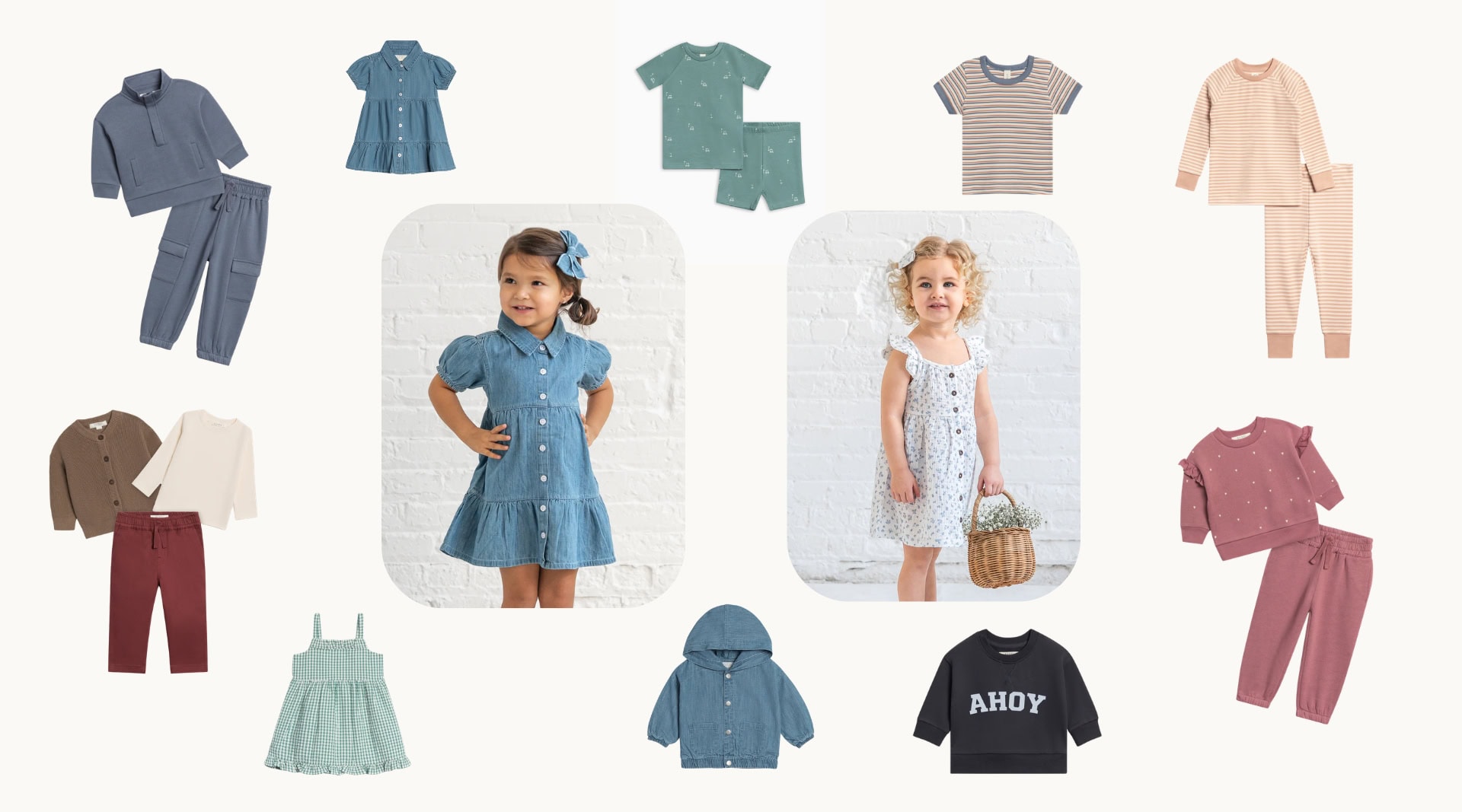
Colored Organics has not been rated.
Colored Organics’ Affordable Organic Cotton Kids’ Clothing
- What it is: A woman-owned brand offering affordable, classic organic cotton apparel for babies and kids. Tees, sweaters, leggings, and sets come in earthy and neutral colors.
- What makes it sustainable & non-toxic: 100% GOTS-certified organic cotton, colored with water-based dyes (no chemical dyes that could irritate sensitive skin). Made in sweat-shop-free factories with fair pay and safe working conditions.
- What we love: Woman-owned. Each purchase helps a child in need through the brand’s giveback program, supporting a featured non-profit organization each month. Colored Organics’ combination of certification, affordability, and giveback program makes them a solid choice for parents just starting to build a more sustainable kids wardrobe.
- Sizing: 0-6 years
- Price: $24-$115 (for sets)
Crann Organic
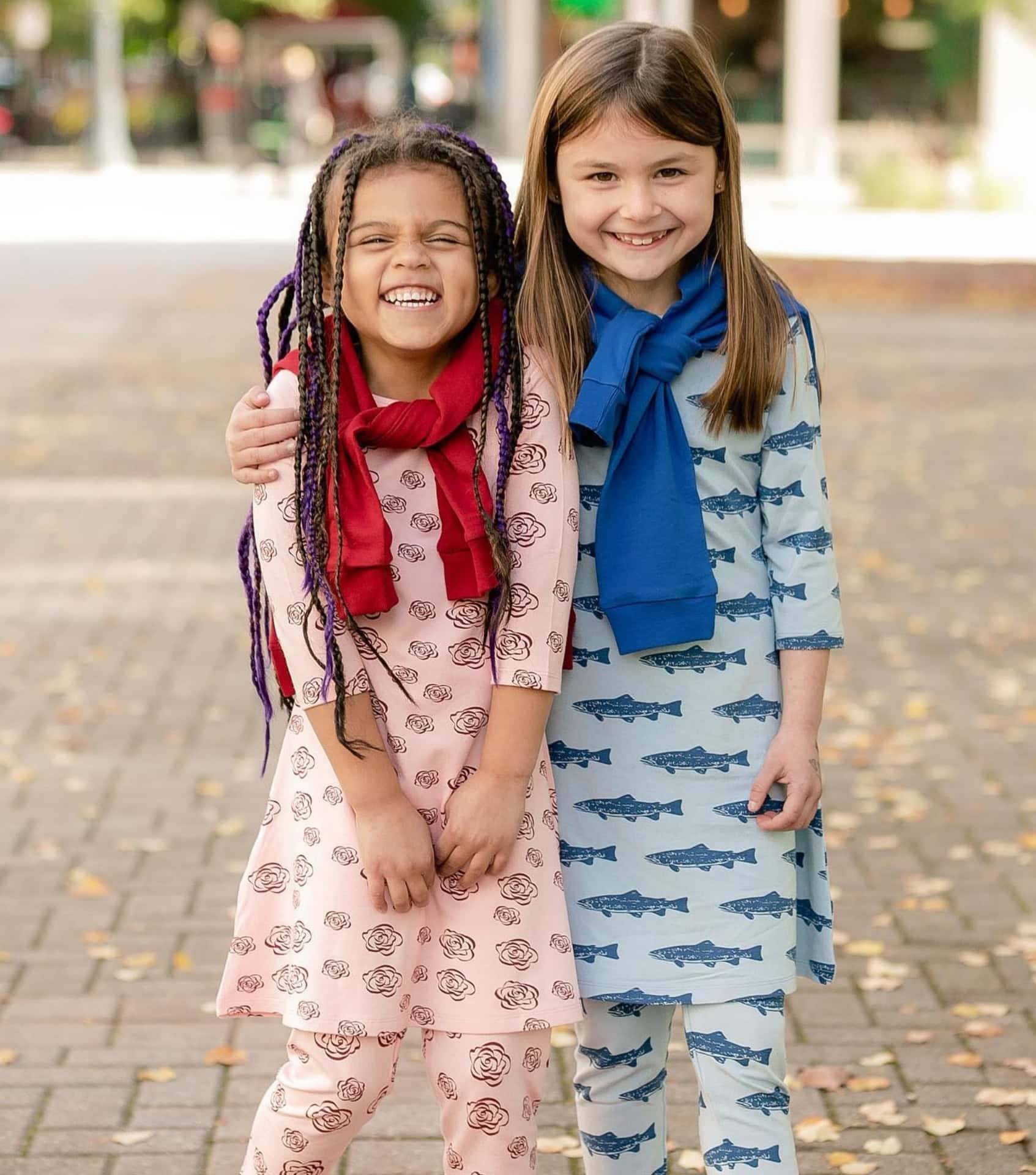
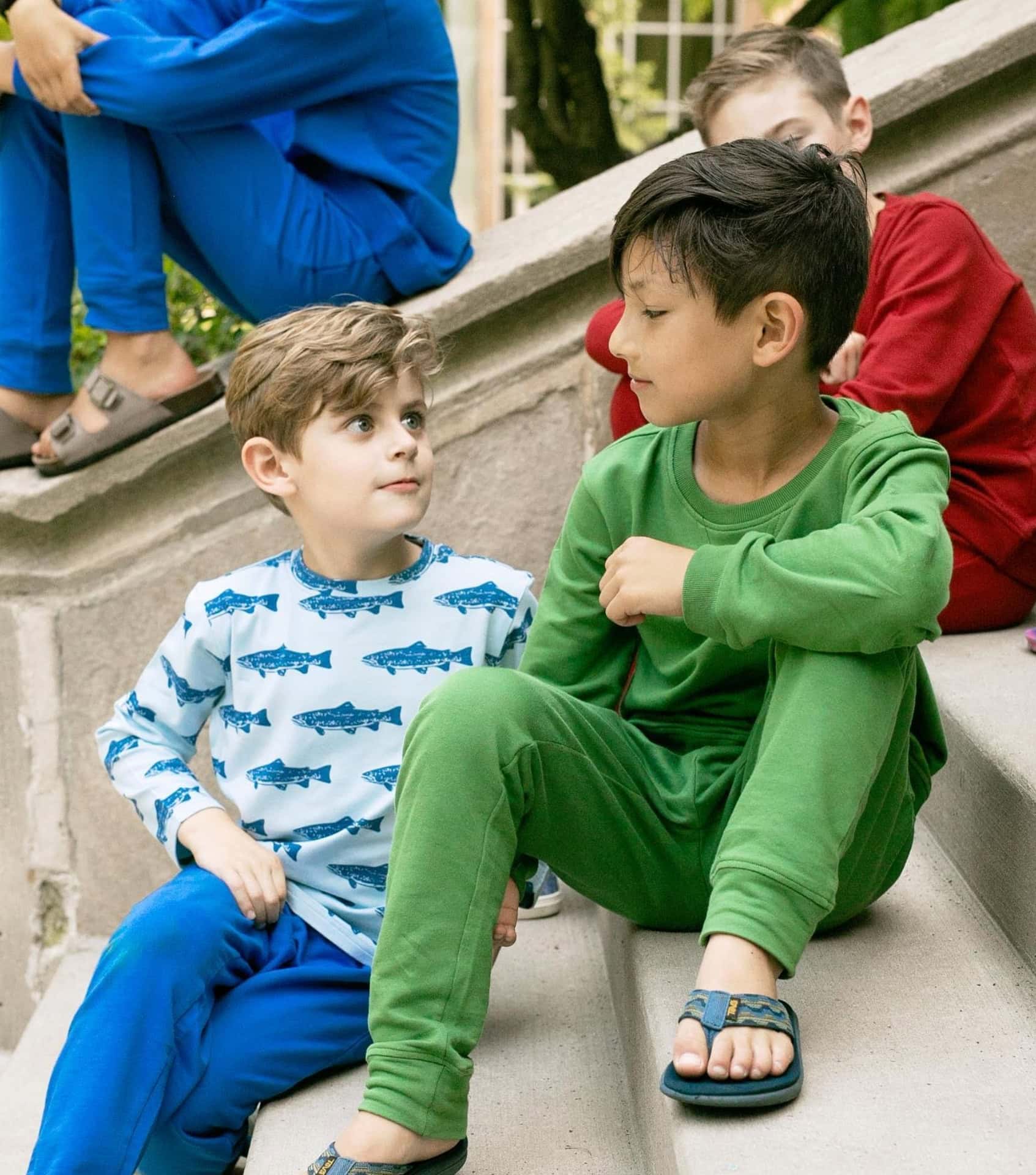
Crann Organic has not been rated.
Crann Organic’s Sensory-Safe Organic Cotton Kids’ Clothing
- What it is: A children’s clothing brand founded by a Pediatric Nurse Practitioner, designed specifically with sensory-sensitive kids in mind. The range includes hoodies, t-shirts, tank tops, shorts, sweatpants, underwear, and more in fun, bright designs and comfortable cuts.
- What makes it sustainable & non-toxic: 100% GOTS-certified organic cotton, ethically made in Fair Trade certified factories in India. Non-toxic dyes and no itchy tags, scratchy stitching, or irritating seams. Designed with children’s skin health as a priority.
- What we love: This brand understands the needs of kids who struggle with uncomfortable clothing. Founded by a healthcare professional who saw firsthand how fabric sensitivities affect children. We tested several pieces and found them exceptionally soft and well-suited for active kids. See Shelby’s full video review of Crann Organic on YouTube.
- Sizing: Kids’ sizes available
- Price: $9 (on sale) – $60
Performance Review of Crann Organic’s Clothing
“Crann Organic’s line of kids’ clothes is sensory-safe. My middle son, Malakai, often despairs if there are itchy tags, scratchy stitching, tight fitting, or otherwise uncomfortable clothes in his dresser. As a highly active kid, he likes to move and play freely without cumbersome clothes. Crann Organic’s organic cotton t-shirts and tank tops are perfect for days at the park. Their fun, bright designs transition well from park to picnics and everything in between. Crann is at the top of the laundry pile regarding comfy, organic clothing.”
Review By Shelby Loeppky, SJ Writer (multiple products tested)
Additional Sustainable Kids Clothing Options: Notable Mentions
Earthlings United (Australia)
- What it is: An Australian sustainable kids’ clothing brand with a clever “grow-with-me” design that allows garments to fit children for up to four years. Features include foldable ankle cuffs, extended crotch length, and elastic drawstring waists.
- Why it’s sustainable: Made in Portugal from 90% organic cotton. Colored with natural earth mineral dyes, free from harmful chemicals. The extended-wear design significantly reduces the number of garments a child needs over time.
- What we love: The mineral dye process produces beautiful, unique earthy tones, and the grow-with-me concept is so practical. Parents report sharing items between children of different ages, which is a sustainability win. Great option for Australian buyers looking for a local brand.
- Price: From AUD $57
Primary
- What it is: Simple, gender-neutral kids’ clothing in vibrant colors with no logos, slogans, or gendered prescriptions. Offers everything from underwear and socks to puffer jackets.
- Why it’s sustainable: Uses organic cotton, GOTS-certified factories, and recycled materials. B Corp certified. Actively increasing their sustainability footprint each year.
- What we love: The no-logo, color-forward approach means pieces mix and match endlessly. Affordable and widely accessible for parents building a more conscious kids’ wardrobe.
- Sizing: 0-24 months, 2-12Y
- Price: ~$15-$88
Jackalo
- What it is: Organic, ethical playclothes made specifically for kids who take their play seriously. Best known for pants with reinforced knees.
- Why it’s sustainable: GOTS-certified cotton, reuses all offcuts to minimize textile waste. Ethical production.
- What we love: The reinforced knees and repair guarantee address one of the biggest frustrations parents face. If any Jackalo pants rip within six months of purchase, the brand will repair them free of charge. A practical, durable choice for active kids.
- Sizing: 3 to 13+
- Price: ~$40-$109
Bounce Mkt
- What it is: A dedicated online kids’ consignment store filled with high-quality secondhand clothes and shoes. Shop by age (infant to 10 years) or by occasion (classics, playful, sporty, dressy). All clothing (except new-with-tags items) is professionally laundered and consists of quality, durable brands only.
- Why it’s sustainable: The most sustainable clothes for kids are those that have already lived a life before reaching your child. Recycled and recyclable shipping materials used throughout.
- What we love: Based in Hoboken, NJ. Anyone can buy online, but you can only sell in-person via their store. Items Bounce doesn’t buy can be donated to a partner local non-profit or Helpsy, a Certified B Corp textile reuse and recycling organization.
How We Chose These Sustainable Kids' Clothing Brands
Materials & Safety
Every recommendation had to meet core standards for materials: organic or otherwise responsibly sourced fabrics, ideally with third-party certifications like GOTS (Global Organic Textile Standard) or OEKO-TEX Standard 100.
We prioritized brands using organic cotton because kids’ skin is thinner and more absorbent than adults’, making them more vulnerable to chemical residues from conventional cotton farming and textile processing.
Free from synthetic pesticides, organic cotton is softer, gentler on sensitive skin, and less likely to cause irritation or allergic reactions. It also tends to be more durable, which matters when clothes need to survive multiple children.
Ethical Production
We looked for transparent supply chains with fair labor practices, ideally backed by certifications like Fair Trade.
For smaller brands, we assessed what information they disclose about where and how garments are made.
Brands manufacturing locally (like Hahaha and Firebird in Los Angeles) offer natural transparency advantages due to proximity and local labor law protections.
Sustainability Practices
Beyond materials and labor, we considered the broader sustainability picture including packaging choices, circular programs (resale, rental, repair), carbon commitments, end-of-life considerations, and how transparently brands communicate about their impact.
We gave priority to brands making real, demonstrable progress rather than brands with flashy marketing claims.
Durability & Performance
A sustainable kids garment that falls apart after three washes isn’t sustainable at all. Where we tested products ourselves, we assessed real-world performance including how well clothes held up to washing, active play, and the general destruction that children bring to everything they touch.
We also looked at whether garments are designed to be passed down to siblings or other families.
Affordability
We included options across a range of price points, from under $10 (Hanna Andersson basics, Bounce Mkt secondhand) to premium picks. The most expensive option isn’t always the most sustainable, and vice versa.
Why Choose Sustainable & Organic Kids' Clothing?
Health Considerations
Conventional cotton is one of the most pesticide-intensive crops in the world, and residues from farming and textile processing can remain in finished garments. Organic cotton eliminates synthetic pesticides and fertilizers from the equation, while certifications like OEKO-TEX Standard 100 independently verify that finished products are free from harmful substances.
Beyond cotton itself, many conventional children’s clothes are treated with formaldehyde (used as a wrinkle-resistant finish), synthetic dyes containing heavy metals or azo compounds, and flame retardants. Brands using GOTS-certified organic cotton or other certified materials avoid these treatments.
Environmental Impact
As mentioned above, conventional cotton farming accounts for a significant share of global pesticide and insecticide use, contributing to soil degradation, water pollution, and biodiversity loss.
Organic cotton farming uses natural methods that support soil health and reduce water contamination. And because kids outgrow clothes quickly, the environmental cost multiplies if those garments are made from conventional materials and discarded after a few months of use.
Choosing durable organic kids’ clothing that can be passed down, resold, or composted at end of life significantly reduces the cumulative environmental footprint of dressing a child.
The Case for Secondhand
To be clear, the most sustainable kids’ clothing is often secondhand. Kids wear garments for such short periods that used clothing is frequently in excellent condition.
Brands like BabyMint and Bounce Mkt make secondhand shopping easy, and several brands on our list (Patagonia, Firebird, Hanna Andersson) operate their own resale platforms.
If your budget is tight or you want to minimize your impact further, secondhand is worth considering alongside or instead of buying new. And to be quite honest, almost all our kids’ clothing has been handed down to us. If you let your friends and family know that you’re open to hand me downs, you might just find you hardly ever have to buy clothes.
Related Guide: Online Thrift Stores
How to Choose the Right Eco-friendly Kids' Clothing
Look for certifications:
These third-party certifications are more reliable than unverified brand claims:
- GOTS (Global Organic Textile Standard) is the gold standard for organic cotton and textiles.
- OEKO-TEX Standard 100 certifies that finished products are free from harmful substances.
- Fair Trade certifications ensure fair wages and safe working conditions.
Prioritize organic cotton for everyday basics:
T-shirts, underwear, pajamas, and leggings sit directly against skin for extended periods, making organic cotton particularly worthwhile for these items.
Think cost-per-wear, not sticker price:
A $30 organic cotton t-shirt that lasts through two children and retains resale value is more economical than a $5 conventional tee that pills after five washes and exposes skin to all kinds of chemicals.
Consider the whole picture:
Materials matter, but so do labor practices, packaging, durability, and end-of-life options. A brand using organic cotton but providing no transparency about its supply chain isn’t the full package.
Start where you can:
You don’t need to overhaul your child’s entire wardrobe at once. Swapping in organic cotton basics (underwear, pajamas, t-shirts) as existing items wear out is a practical way to begin.
Frequently Asked Questions on Sustainable & Organic Kids' Clothing
Is organic cotton better for kids?
Organic cotton is grown without synthetic pesticides or fertilizers, making it less likely to contain chemical residues that could irritate sensitive skin. It is also typically softer and more durable than conventional cotton, meaning organic kids’ clothes tend to last longer and feel more comfortable. For children with eczema or other skin sensitivities, organic cotton can make a noticeable difference.
Why is sustainable kids’ clothing more expensive?
The price difference reflects what goes into production of sustainable fashion for kids: organic farming costs more than conventional, Fair Trade wages are higher than exploitative ones, and smaller production runs cost more per unit than mass manufacturing. That said, sustainable kids’ clothing is often more durable, so the cost-per-wear can be comparable or better. Brands like Mightly, Colored Organics, and Hanna Andersson offer relatively affordable entry points, and secondhand options through Bounce Mkt, BabyMint or brand resale programs make sustainable choices accessible at most budgets.
What certifications should I look for in kids’ clothing?
GOTS (Global Organic Textile Standard) is the most comprehensive, covering organic fiber content, environmental criteria, and social standards across the entire supply chain. OEKO-TEX Standard 100 tests finished products for harmful substances. Fair Trade certifications (Fair Trade USA, Fairtrade International) verify fair wages and safe working conditions. Soil Association certification (primarily UK) verifies organic standards. B Corp certification assesses a company’s overall social and environmental performance.
What is GOTS-certified organic cotton?
GOTS stands for Global Organic Textile Standard. It certifies that at least 70% (or 95% for “organic” labeling) of textile fibers are organically produced, and that the entire production process meets strict environmental and social criteria. This includes prohibitions on toxic inputs like formaldehyde, heavy metals, and certain dyes, as well as requirements for fair wages, safe working conditions, and wastewater treatment. GOTS certification is verified by independent, accredited bodies.
Is bamboo clothing sustainable for kids?
Bamboo grows quickly and requires minimal pesticides, but the process of converting bamboo into fabric (typically viscose or rayon) often involves harsh chemicals like carbon disulfide. Unless the bamboo fabric is produced using a closed-loop process (like lyocell/TENCEL), the environmental benefits are significantly reduced. For kids’ clothing, certified organic cotton is generally a safer and more transparently sustainable choice.
How can I make kids’ clothing last longer?
Wash in cold water and line dry when possible. Turn clothes inside out before washing to preserve colors and prints. Repair small holes or loose seams promptly before they become bigger problems. Choose brands known for durability (Firebird, Mightly, Hanna Andersson, and Patagonia all perform well in this regard). When clothes are outgrown, pass them on through resale platforms, hand-me-down networks, or donation.
Are there affordable sustainable kids’ clothing options?
Yes. Secondhand is the most affordable option, with BabyMint and Bounce Mkt offering curated pieces from $3. For new clothing, Mightly, Colored Organics, and Hanna Andersson (from $10 during sales) offer organic cotton options that don’t require a premium budget. Primary also offers affordable organic essentials. Buying fewer, higher-quality pieces that last longer and pass down to siblings, cousins and friends is another way to keep costs manageable.
What’s the most eco-friendly fabric for kids’ clothing?
Organic cotton is the most widely available and practical choice for most children’s clothing needs. It is soft, breathable, durable, biodegradable, and well-supported by established certification systems like GOTS. Hemp and linen are also excellent sustainable options, though they are less common in kids’ clothing. For outerwear and activewear, recycled polyester and recycled nylon (as used by Patagonia) offer performance benefits while diverting plastic waste from landfills.
What makes kids’ clothes non-toxic?
Non-toxic kids’ clothes are free from harmful chemicals commonly found in conventional garments, including formaldehyde (used as a wrinkle-resistant finish), synthetic dyes containing heavy metals or azo compounds, flame retardants, BPA, phthalates, and PFAS. Certifications like OEKO-TEX Standard 100 independently test finished garments against over 350 harmful substances. GOTS certification ensures that the entire production process, from fiber to finished product, avoids toxic inputs. Organic cotton is a good baseline because it eliminates pesticide residues from farming, but the dyes and finishes applied during manufacturing matter too. If non-toxicity is a priority (which we think it should be), check that brands specify both organic materials and non-toxic or water-based sustainable dyes.
Can sustainable kids’ clothing help with sensory issues?
Several brands on our list specifically design for sensory-sensitive children. Crann Organic was founded by a Pediatric Nurse Practitioner and focuses on tag-free, soft, non-irritating organic cotton essentials. Organic cotton in general tends to be softer and less irritating than conventional cotton, making it a good starting point for children who are sensitive to fabric textures.
Final Thoughts on the Best Sustainable Kids' Clothing Brands
Dressing kids sustainably doesn’t have to mean compromising on style, comfort, or budget. The brands in this guide represent a range of approaches, from certified organic basics to adventurous outdoor gear to curated secondhand, so there’s something here for every family and every budget.
If you’re after a rated brand with creative, locally made organic kids streetwear, Hahaha is a standout. For tested and proven organic cotton basics, Firebird Kids and Mightly both impressed us with their quality and durability. Patagonia remains hard to beat for outdoor-ready kids’ clothing with a lifetime repair guarantee. And if keeping costs down is a priority, Bounce Mkt, BabyMint, Colored Organics, and Hanna Andersson all make the switch much more accessible.
Whatever you choose, swapping even a few conventional items for organic cotton basics will reduce your child’s chemical exposure and support more responsible manufacturing. And when those clothes are outgrown (which they will be, probably next month), passing them on keeps materials in circulation and out of landfills.
If you know of a parent pulling out their hair when it coms to clothing their kids sustainably, be a pal and share this with them!
Editor’s Note: Joy McConnochie has been researching and writing about sustainable fashion for 8+ years as part of Sustainable Jungle’s mission to help people make more informed, environmentally responsible choices. Multiple products in this guide were independently tested and reviewed by our team. Some brands have been rated using our comprehensive sustainability rating methodology. This article was first published in October 2021 with a focus on ethical kids’ clothing and has been updated several times since to include a wider aperture of considerations including material safety, non-toxicity, organic certifications, and environmental impact. This April 2026 update includes new brands (Hahaha, Colored Organics, Hanna Andersson, Crann Organic), fresh product reviews, expanded content on organic cotton and non-toxic materials, and the integration of content from our previous organic kids’ clothes guide (which now redirects here).

Joy has been a passionate advocate for the environment since she was a small child. She grew up in South Africa and has been lucky enough to be exposed to the wonders of nature not just in Africa but all over the world. She founded Sustainable Jungle (together with her husband Lyall) back in 2017 after becoming enraged by the devastating impact of palm oil. She then founded the Sustainable Jungle Podcast and together with Lyall interviewed remarkable people from all over the world who were finding ways to create positive impact. Outside of Sustainable Jungle, Joy has always worked in the corporate world, starting out as an auditor and later moving into management consulting. More recently she specialized in Climate Investing for the Asia Pacific region. Given her experience, her current passion is Brand Ratings. She is very much enjoying going deeper on what it really means to drive sustainability performance and true impact through business operations.