














If you’re pursuing low or zero waste living, you eventually face the least favored challenge: toilet waste. So what do we do(o) about zero waste toilet paper?
Here we cover the full range, from biodegradable toilet paper to zero toilet paper alternatives. If you want to go truly zero waste, using no toilet paper at all is the purist (or rather, poo-ist) approach. Our guide to reusable toilet paper can help if you want to explore that path, and we’ve included a few options on the list below.
In this guide, we focused on featuring the best plastic-free toilet paper brands (many of which we’ve personally tried and tested) that balance sustainability with practicality. The flushable toilet paper on this list is made from responsible materials like FSC certified bamboo or recycled paper, and many of the others are small or women led businesses that care about ethical manufacturing.
We also considered thoughtful, plastic-free packaging as a priority. Whether you prefer truly zero waste solutions like bidets or reusable cloths, or simply want to switch to a lower waste toilet paper alternative, every swap here helps reduce waste from the bottom up.
Note: Our Brand Rating System assesses brands against a range of 22 criteria including the packaging, climate action, biodiversity impact, chemical use, and more. Look out for rated brands on the list below who have opted in to be more open and transparent with us about their sustainability journey and find other rated brands in our directory.
We independently research all featured brands, and we ask them to confirm their claims. In many cases we personally review recommended products. This post contains affiliate links which means we may earn a commission if you buy something. We explain this further in our Terms of Use.
The Best Zero Waste Toilet Paper Alternatives We Loo-ve
Who Gives a Crap has been a staple in our low waste lifestyle for many years. They are a mission based social enterprise who donates 50% of their profits and take plastic reduction very seriously (they’ve almost completely eliminated it in their entire production process). Who Gives a Crap has been comprehensively rated by us on their sustainability credentials (and shared their approach to plastic reduction) – see the full rating.
We’ve tested Betterway’s unbleached, biodegradable toilet paper which is made from 100% FSC-certified bamboo. It’s durable and soft, and comes completely plastic-free. Betterway has been comprehensively rated by us – see the full rating.
Tushy goes far beyond plastic-free TP with sleek and modern bidets that scrap toilet paper altogether for a waste-free water spray. We’re not kidding when we say that their Electric Bidet, complete with heated water, a heated seat, and a bum blow dryer, is a life-changing experience!
For a totally non-conventional option, Green Little Nest offers super soft reusable wipes and bidet cloths that are handmade using GOTS-certified organic cotton flannel.
Index: Plastic-free Toilet Paper Brands
- Who Gives A Crap Jump to section
- Betterway Jump to section
- Marley’s Monsters Jump to section
- Green Little Nest Jump to section
- Save Trees Jump to section
- Tushy Jump to section
- Reel Jump to section
- Grove Collaborative Jump to section
- Naked Paper Jump to section
Who Gives A Crap

Compostable
All or some products are compostable, either in an industrial facility or at home
Ethical Sourcing
Raw materials have been sourced ethically with people and planet in mind.
Green Energy
Brand exclusively uses green energy to power their headquarters.
Plastic-free
All products are entirely plastic-free
Recycled materials
Some or all products are made with recycled materials
Thoughtful packaging
Product packaging has been designed and created with the end of life outcome in mind and can be easily recycled or composted.
B Corp
FSC®
B Corp
The B Corp Certification, administered by the nonprofit B Lab, recognizes companies that meet high standards of verified social and environmental performance, transparency, and accountability. Certified B Corps balance profit with purpose, committing to responsible practices that benefit workers, communities, customers, and the planet while embedding sustainability into their business model.FSC®
The FSC® (Forest Stewardship Council) certification ensures that wood, paper, and other forest-based materials come from responsibly managed forests that provide environmental, social, and economic benefits. Products bearing the FSC® label support biodiversity, protect the rights of forest communities and workers, and promote sustainable forestry practices.Price Range: $42 for 24 rolls
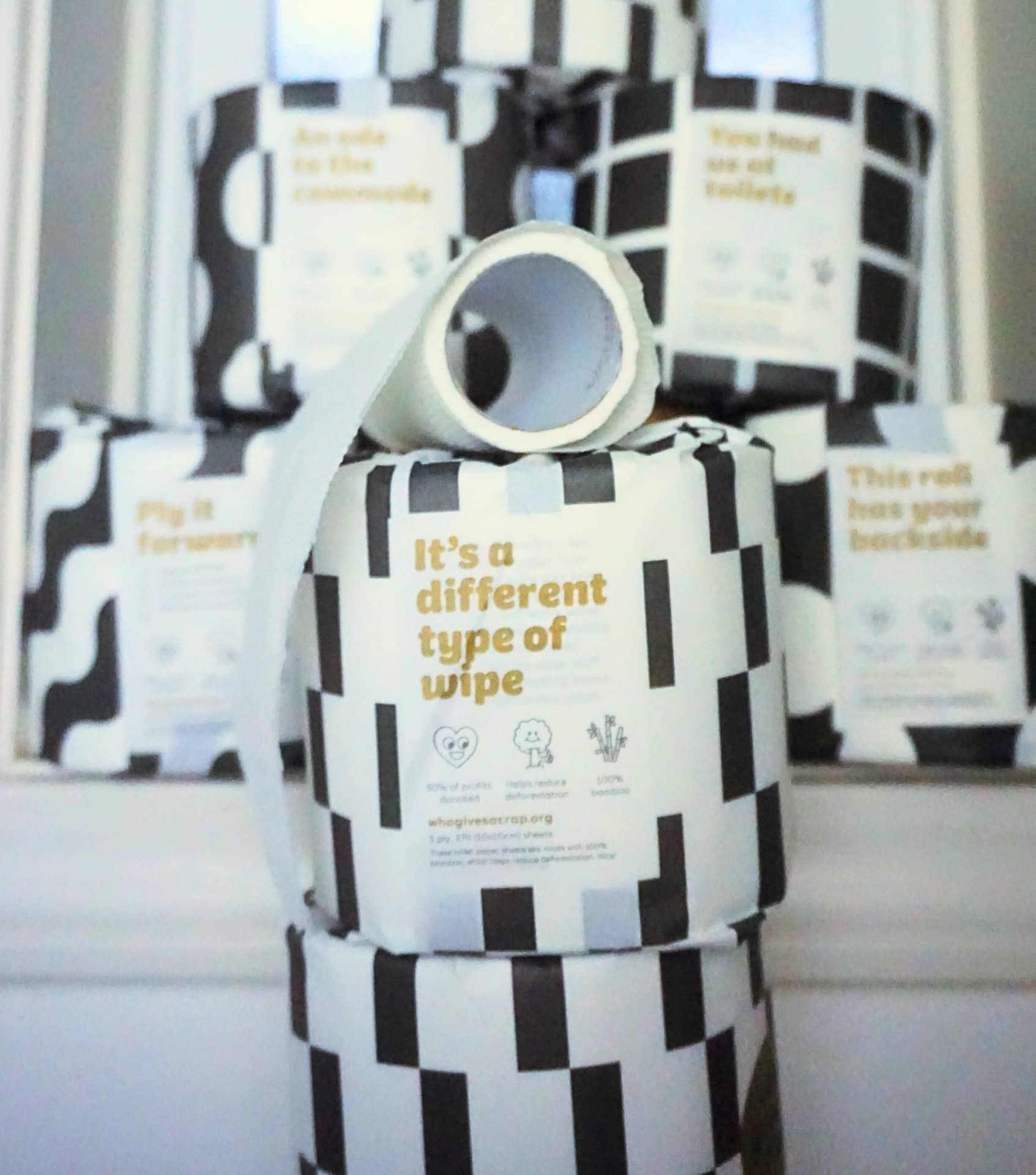
Who Gives A Crap’s TP comes completely sans plastic packaging. It’s still soft on the bum, but softer still on our plumbing and the planet. They offer 100% recycled paper rolls, free of dyes and perfumes and, at 3-ply, strong enough to handle the most enthusiastic of wipers. These are made from post-consumer waste (predominantly office supplies).
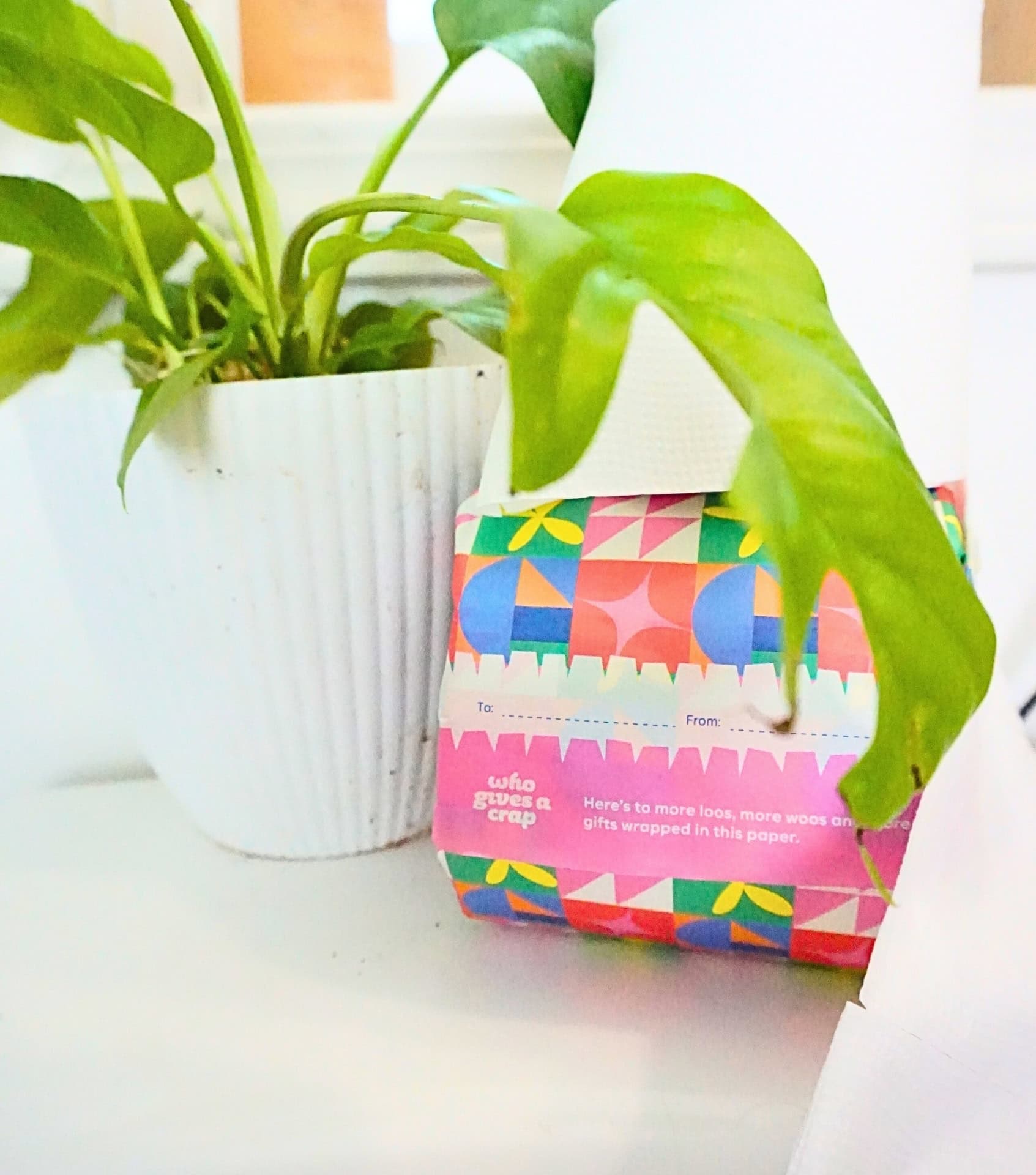
They also make a bamboo option which is made from FSC Certified bamboo. Regardless of your preference, they’ll come wrapped in colorful compostable paper which you can reuse for things like dog doo bags or gift wrap. They come in huge economical boxes to reduce frequency of orders, and thus shipping emissions.
Who Gives A Crap really does give a crap, about providing affordable and responsible toilet paper and doing good in the world. They’re a Certified B Corp and donate 50% of their profits to help build toilets for the 2 billion people globally who do not have access to them.
Who Gives A Crap has been rated by Sustainable Jungle. See the full rating.
Our Personal Review of Who Gives A Crap’s Toilet Paper:
“We’ve tried both the recycled TP and the bamboo TP, and both are perfectly soft and definitely strong enough to withstand the poke test. The bamboo TP is a little stronger, but we’d happily use either. Performance aside, we love how the paper wrapping livens up our bathroom.”
Review by Amber McDaniel, SJ’s Head of Content
Betterway


Compostable
All or some products are compostable, either in an industrial facility or at homeEthical Sourcing
Raw materials have been sourced ethically with people and planet in mind.
Non-toxic
All products are made with ingredients or materials that are currently considered non-toxic
Organic
Products are made from organic materials.
PFAS Free
Products have been tested and verified to be free of PFASPlastic-free
All products are entirely plastic-free
Small business
This brand is a small business run by less than 15 people
Sustainable Materials or Ingredients
Either all or most products are made with sustainable materials or ingredients.Thoughtful packaging
Product packaging has been designed and created with the end of life outcome in mind and can be easily recycled or composted.
Woman Owned
This brand is owned by a woman or a group of women.
FSC®
FSC®
The FSC® (Forest Stewardship Council) certification ensures that wood, paper, and other forest-based materials come from responsibly managed forests that provide environmental, social, and economic benefits. Products bearing the FSC® label support biodiversity, protect the rights of forest communities and workers, and promote sustainable forestry practices.Price: $55 for 24 rolls
Betterway offers 100% FSC-certified bamboo plastic-free toilet paper and paper towels that are both soft and strong. Every roll is packaged completely plastic-free in compostable paper printed with non-toxic inks and shipped in recycled cardboard boxes.
The brand’s Natural Brown range skips the whitening process altogether, creating an unbleached, chemical-free option that’s smooth and gentle yet durable enough to stay intact (safe for septic systems too!). The Classic White version uses an elemental chlorine-free (ECF) method, reducing harmful byproducts found in conventional bleaching. Both options are independently tested to be PFAS-free.
Founded by a woman-led, minority-owned team, Betterway’s products are made from organically grown bamboo. With fully recyclable and compostable packaging, ethical sourcing, and consistently glowing customer reviews, Betterway proves you don’t need plastic (or trees) for a clean behind.
Betterway has been rated by Sustainable Jungle. See the full rating.
Our Personal Review of Betterway’s Plastic-free Toilet Paper:
“I’ve been using the Natural Brown Bamboo Double Rolls for a couple of weeks now, and they’re honestly the best balance I’ve found. The sheets are strong and durable, so you don’t feel like you need half the roll at once (especially if paired with a bidet as I use), but they’re still thin enough to be septic safe. That’s a big deal for me, because I grew up with those awful “septic safe” papers that fell apart the second you touched them. This feels nothing like that. The unbleached bamboo is smooth, comfortable, and sans any chemical softeners.”
Review by Amber McDaniel, SJ’s Head of Content
Marley’s Monsters
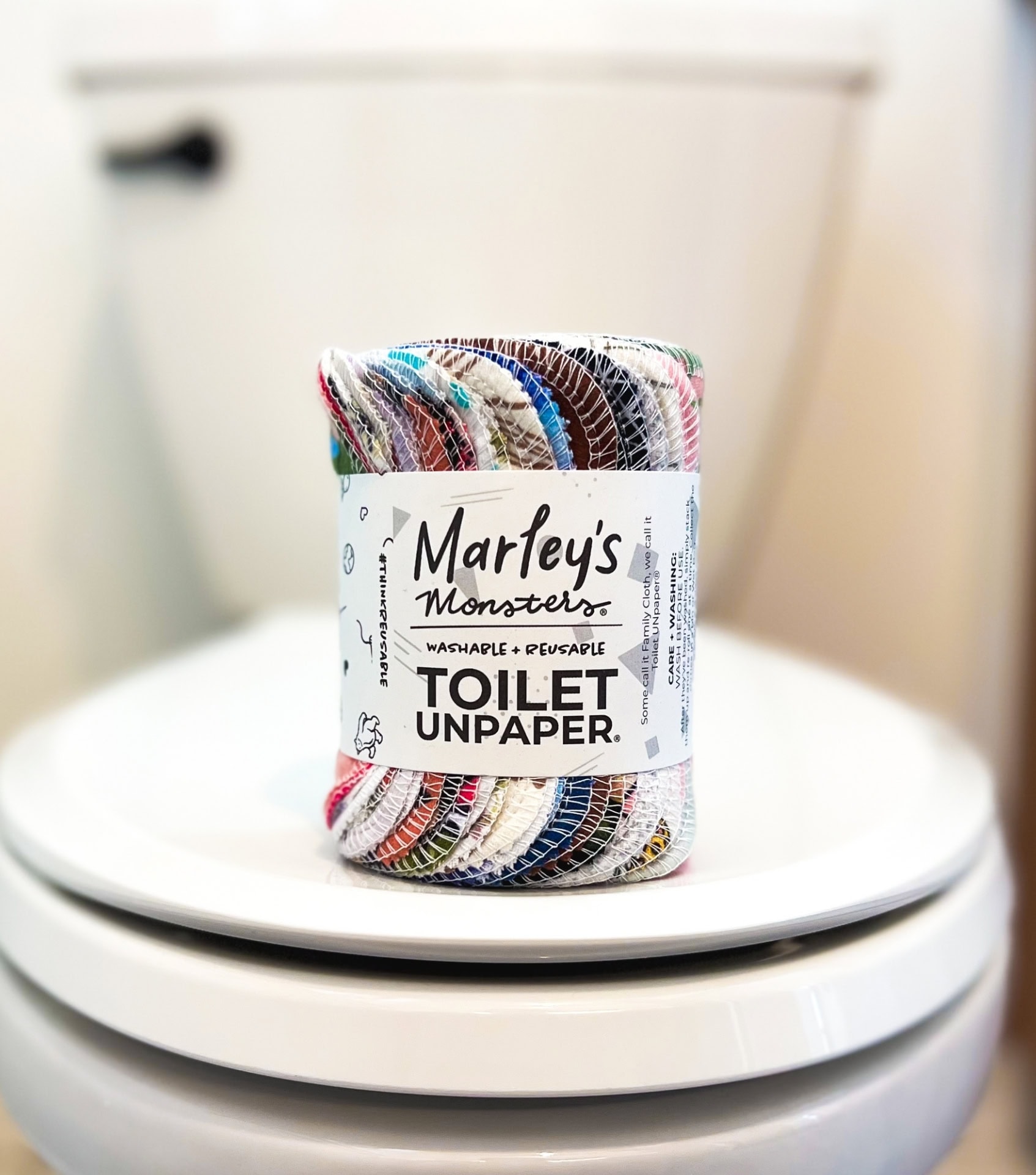
Marley’s Monsters has not been rated.
Price Range: $69 for 24 strips
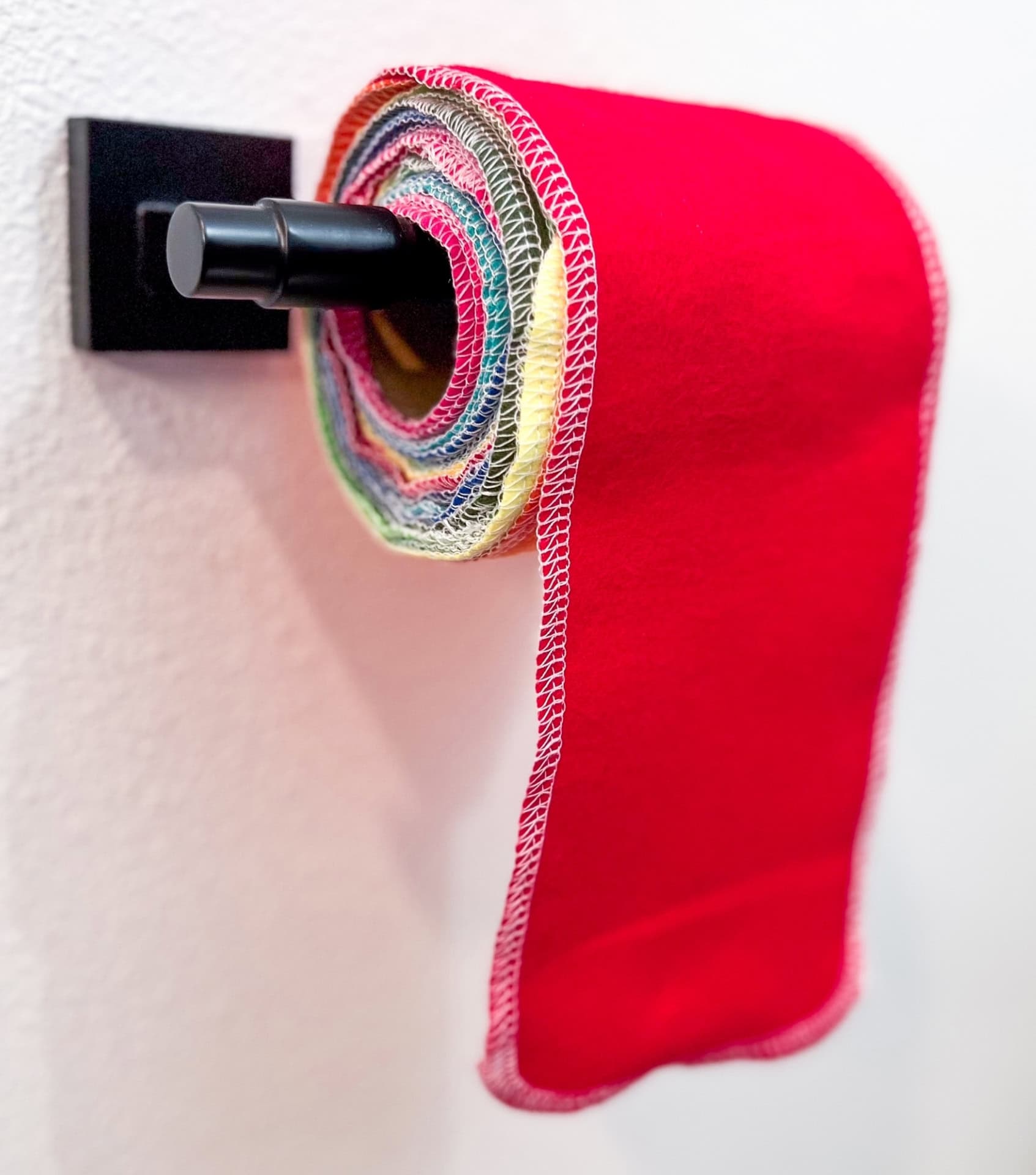
Marley’s Monsters make reusable UNpaper Rolls from 100% soft cotton flannel and are for those who want to be sustainable but still like the traditional “luxury soft” á la 3-ply. One roll comes with 24 pieces that you can rewrap around the compostable cardboard center to prepare for use (or just toss them in a basket). Wash as you would reusable diapers (see our guide to washing cloth diapers).
Oregon-based Marley’s Monsters offers low-waste alternatives from reusable paper towels, to bath and beauty products and more. The BRING-certified brand began when Sarah Dooley created a stuffed monster for her soon-to-be-born daughter. The fun fabric crafting really took off and now Marley’s Monsters sells globally and has its own brick-and-mortar store.
They also use entirely plastic-free shipping materials and donate textile waste to recycling nonprofits.
Green Little Nest


Green Little Nest has not been rated.
Price Range: $34 for 20 wipes
If you’ve ever wondered what a truly zero waste toilet paper alternative looks like, Green Little Nest has you covered, literally. This Washington State-based small business handcrafts no waste “toilet unpaper” wipes and bidet cloths from GOTS-certified organic cotton flannel, offering a soft, durable, and completely plastic-free toilet paper swap.
Each double-layer cloth measures around 5 x 6 inches and features sturdy, serged edges to hold up through countless wash cycles. Choose from unbleached organic options or colorful patterned family cloths made from cozy cotton flannel (non-organic), designed to make sustainable bathroom swaps feel less intimidating and a lot more approachable.
Founder Makisha sews every piece with her family in their eco-conscious Pacific Northwest home, where their own household uses the same products daily.
Save Trees
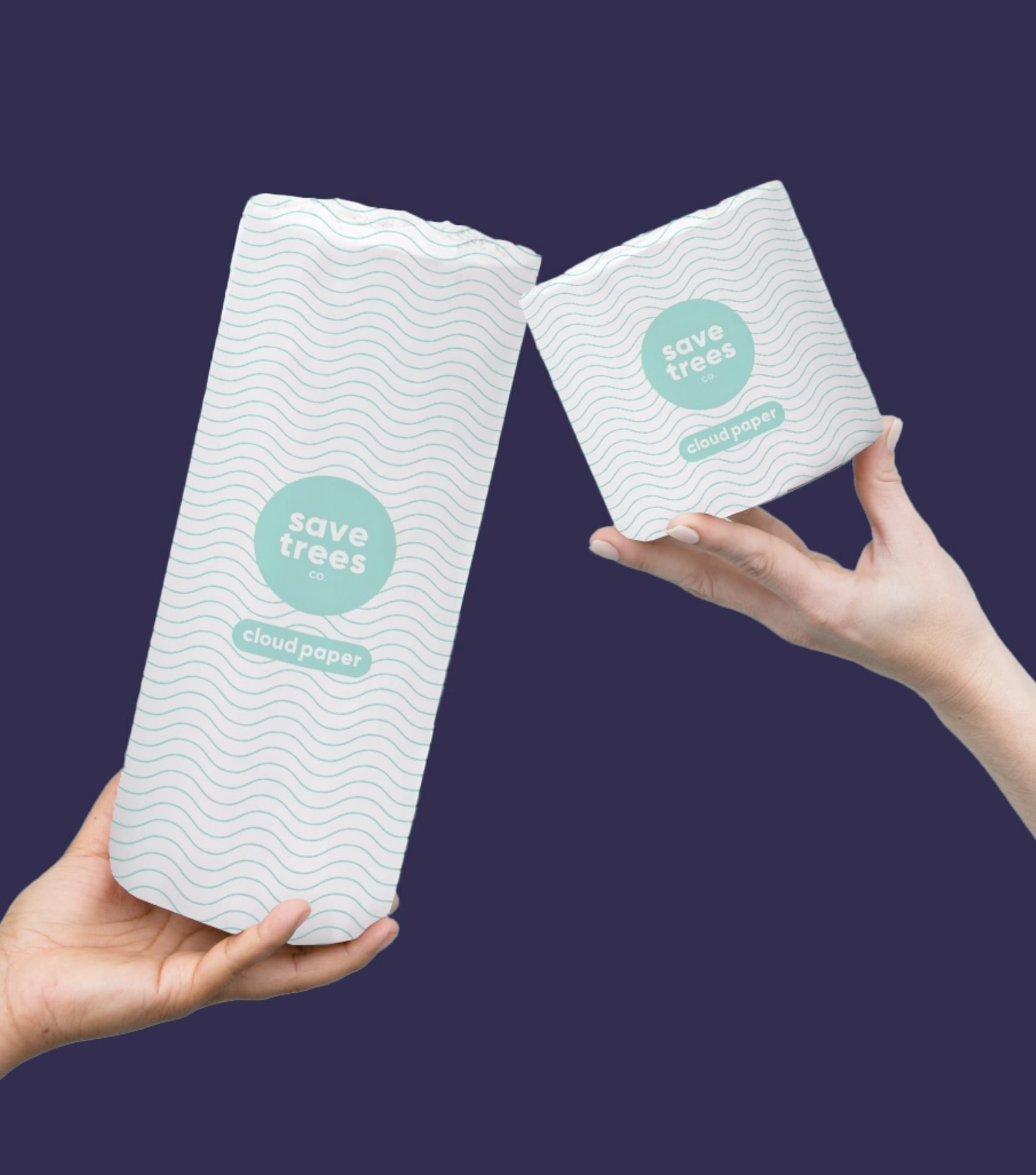
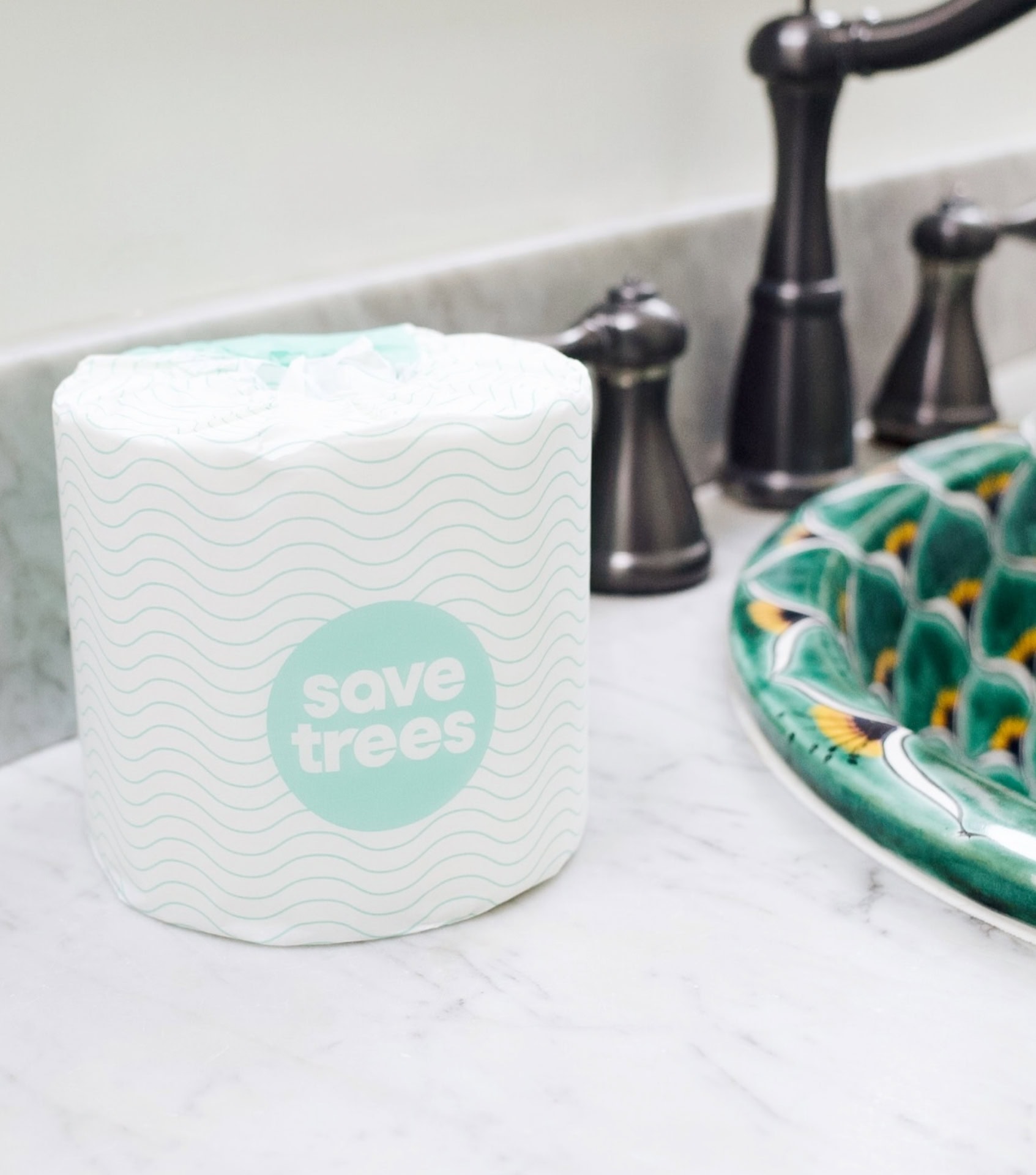
Save Trees has not been rated.
Price Range: $55 for 24 rolls
Save Trees offers a “tree-free” toilet paper alternative made not from virgin tree pulp, but renewable bamboo. These premium 3-ply rolls are soft and strong, whitened without chlorine bleach, and free from dyes, scents, pesticides, and BPA (a good option if you have a sensitive behind). The roll wrapping is compostable and the inner adhesive strip is cornstarch-based.
While they only offer subscriptions, they offer options to delay or cancel anytime.
Save Trees uses bamboo from family farms in China. FSC Certified manufacturing happens there as well.
Their packaging and shipping is plastic-free, but also ‘carbon-neutral plus’. “Plus” because they offset twice the emissions created by every order and do not offer expedited shipping to curb further waste. Through a partnership with Food Lifeline, they donate rolls of their zero waste toilet paper to local food banks and shelters.
My Personal Review of Save Trees’ Toilet Paper:
“I’ve tested these luxurious rolls, and I’m 100% impressed. The softness? It’s like wiping with a cloud (if clouds were, you know, something that you could actually wipe with). The clever part is the weave texture on each sheet, which makes them incredibly soft while still being kind to septic tanks and the environment. Honestly, this toilet paper is a win all around.”
Review by Amber McDaniel, SJ’s Head of Content
Tushy
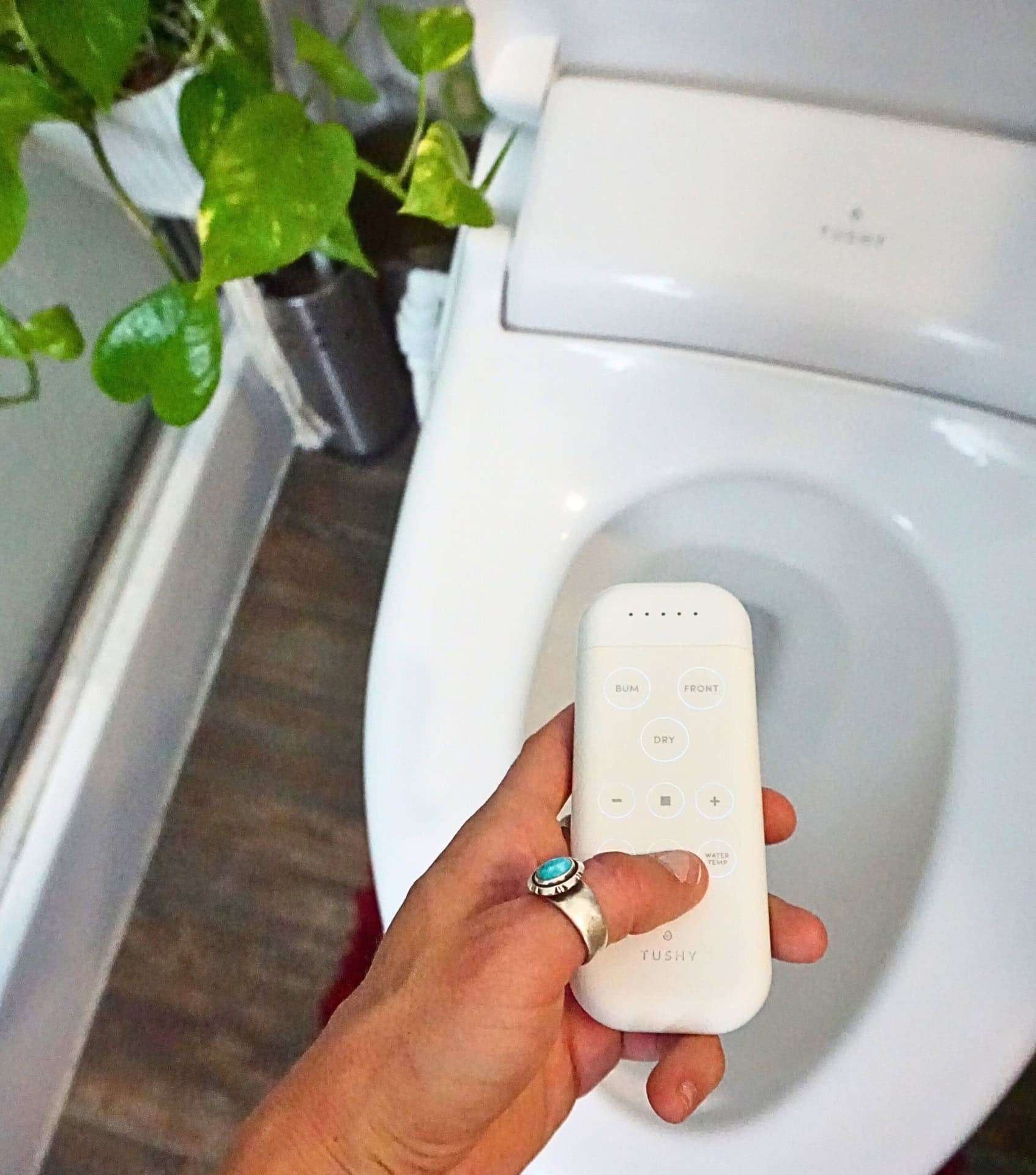
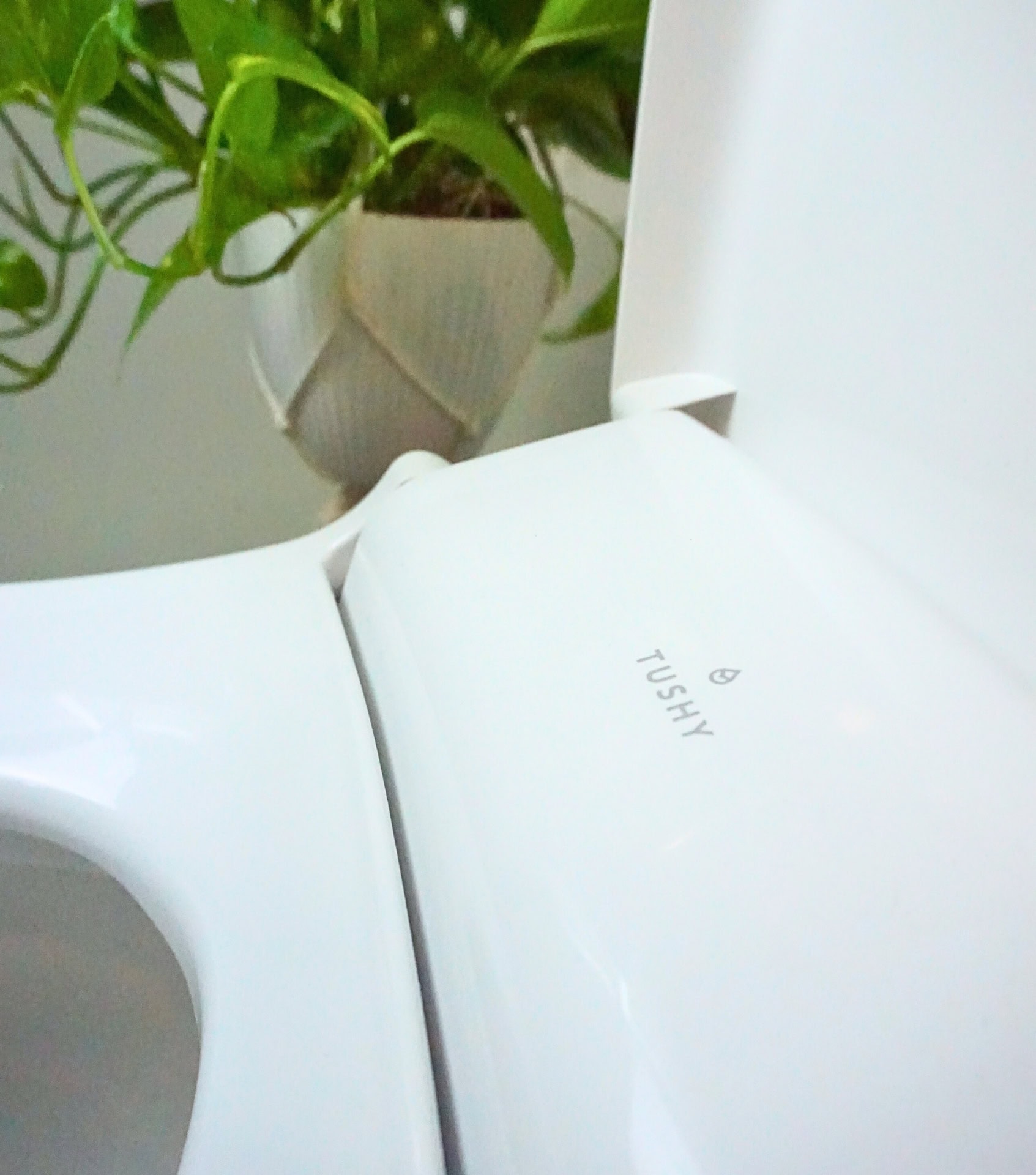
Tushy has not been rated.
Price Range: $199–$599
Amber (Sustainable Jungle’s Head of Content) adopted a classic yet still revolutionary primary means of wiping: the bidet. Tushy’s best-selling bidets are easy-to-install DIY attachments which are added to your existing toilet without the help of a plumber. Tushy prides itself on having an easy bidet installation process which takes about 8 to 15 minutes (Amber clocked in at 10 minutes).
Why foray into bidets as substitutes for toilet paper? It gives you a 99% better clean than TP, and it uses 1/8 gallon of water per use in comparison to 37 for a single toilet roll.
Bidets are admittedly an upfront investment, but considering how much toilet paper you won’t need to buy in the long run, it ends up being just about the best option for a cheap zero waste toilet paper alternative (Tushy say you can save an average of $471 per year by switching to a bidet). Especially considering Tushy’s non-electric bidet models provide a far more affordable price point for those who maybe aren’t sure if a bidet is for them.
Tushy is revolutionizing the modern bidets for modern behinds. They take wastefulness out of toilet waste by encouraging Americans to dump cleaning up with paper and discover the benefits of adopting the bidet lifestyle to “save money, save the planet, and save your butt”.
My Personal Review of Tushy’s Electric Bidet:
“Long ago, before Tushy even, my life was changed by the bidet. Covid toilet paper shortages inspired me to never rely on rolls again, and I’ve never gone back. The Tushy Electric Bidet I now use is a serious upgrade from my previous manual bidet, too, which had little to no pressure control, meaning I had to brace for each spritz. Not so with this. Thanks to the adjustable heated seat and water temp settings, I can crank up the heat in winter or dial it back in the summer – making it overall the most comfortable squat ever.
There’s even a built-in bum blow dryer. Worried about setting it up? Don’t be. It’s super easy to attach to your current toilet in under ten minutes (I actually timed it), and comes with a remote so you can enjoy a totally hands-off, ooh-la-la experience.”
Review by Amber McDaniel, SJ’s Head of Content
Reel
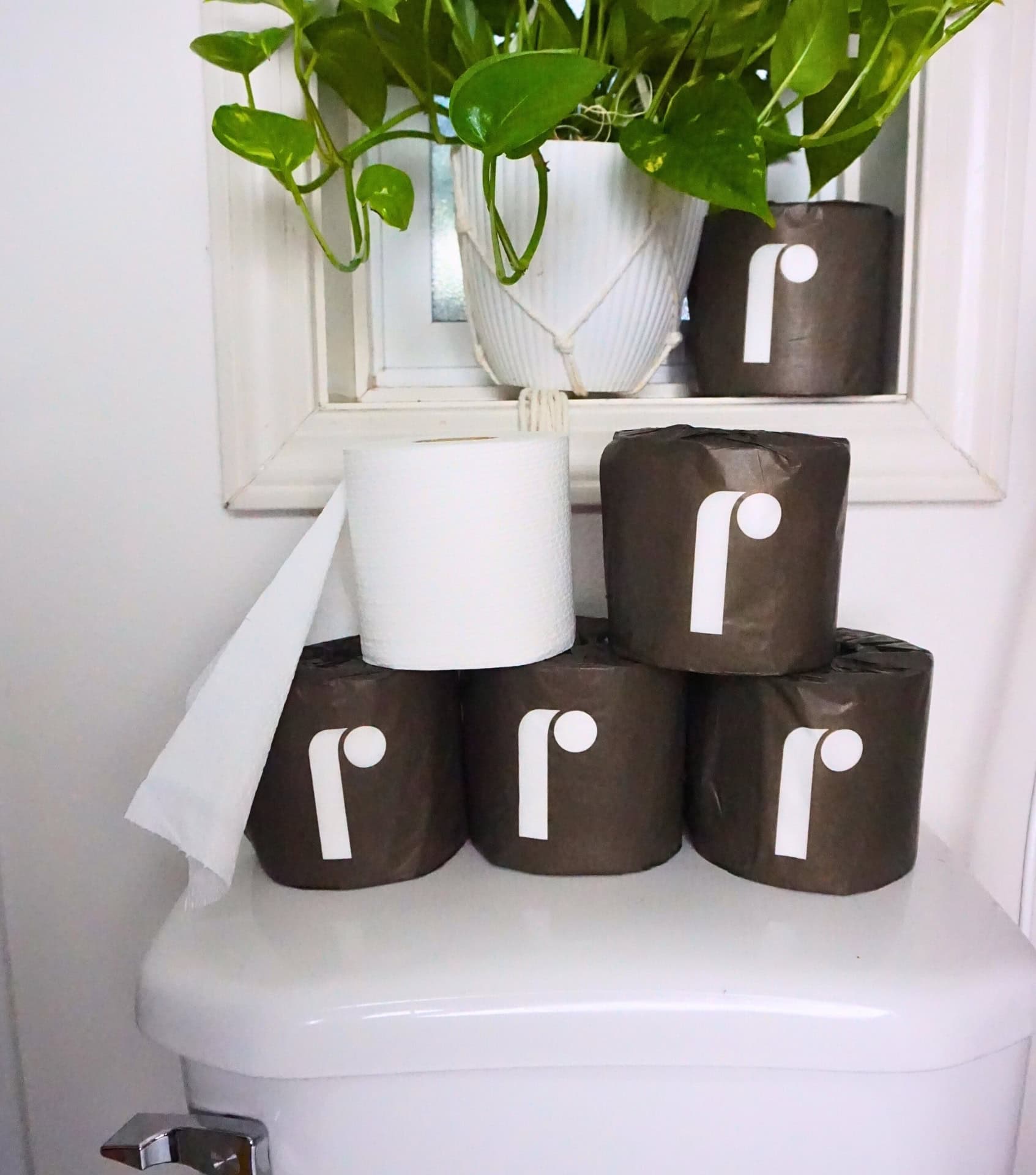
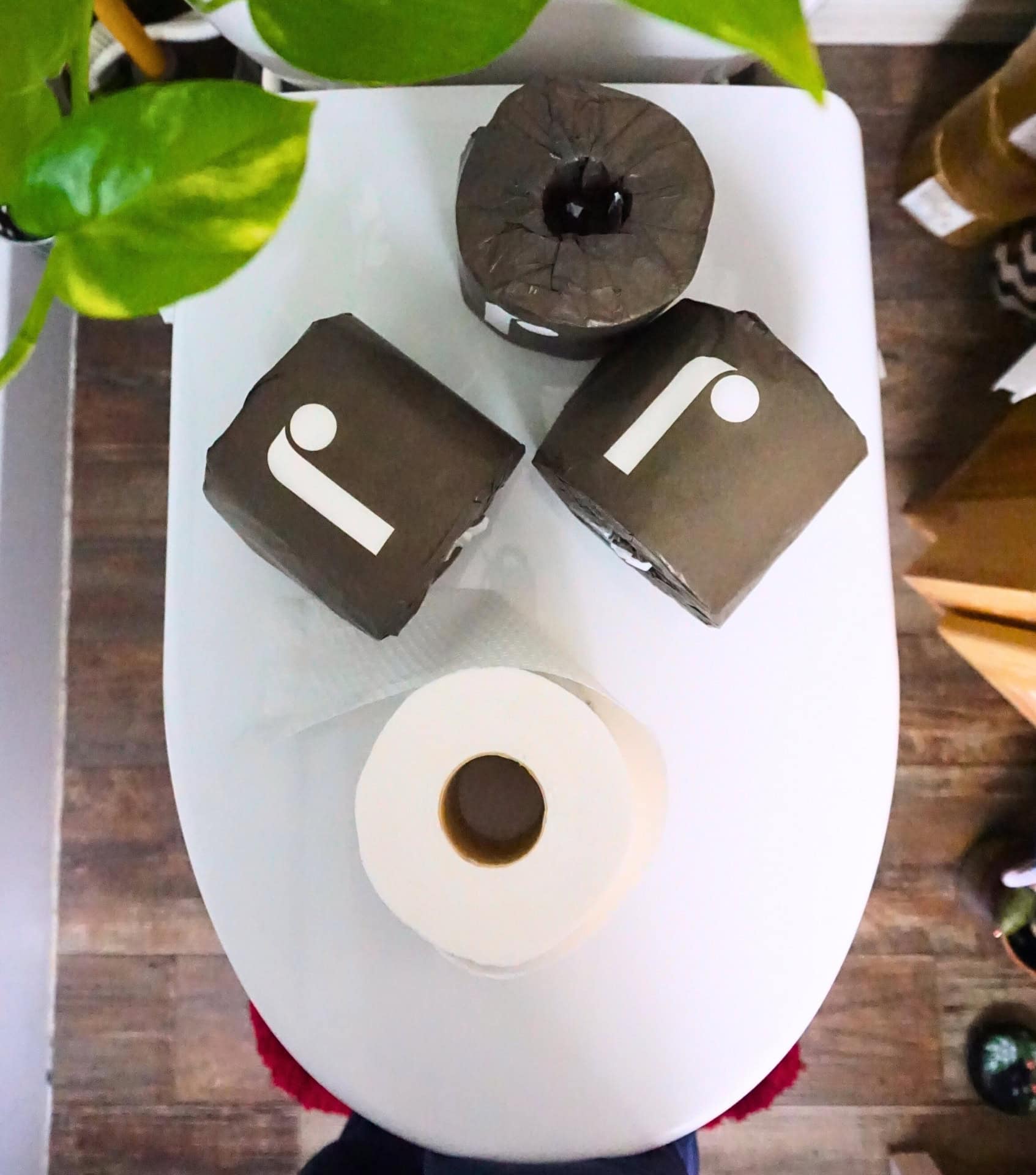
Reel has not been rated.
Price: $44 for 24 rolls
Reel is another one of the zero waste toilet paper brands jumping on the bamboo loo train. Their rolls come completely plastic-free, and also free from all BPA, inks, dyes, fragrances, and chlorine bleach. The paper itself is certified “ready biodegradable” and the individual wrapping is safe for your compost bin. Whether you’re trying it out one-time or a lifer (aka subscriber), the rolls come in boxes of 24, packaged in recycled cardboard, and shipped carbon-neutral.
From tree-free toilet paper to recycled paper towels, Reel is out to doo doo some good. A large part of their mission is providing safe, sanitary bathroom services for communities without, especially since co-founder Derin Oyekan grew up in Lagos where these services were few. By partnering with SOIL Haiti, they build toilets and remove harmful waste buildup, which then gets treated and turned into compost for local farmers and reforestation projects.
This California brand sources bamboo in China, and their manufacturers hold FSC chain of custody certification.
My Personal Review of Reel’s Toilet Paper:
“I gave Reel’s bamboo rolls a try, and it’s some heavy-duty TP! But they don’t skimp on the softness either. It’s septic safe, and its suitable for even somewhat weak plumbing as we have. We’ve been using this impressively soft and strong TP all summer and never clogged once.”
Review by Amber McDaniel, SJ’s Head of Content
Grove Collaborative

Grove Collaborative has not been rated.
Price Range: ~$24 for 18 rolls
Grove Collaborative’s plastic-free toilet paper contains fibers from 100% FSC-certified bamboo that’s free of pesticides and is panda-friendly, meaning it’s not stealing a vital food source for our endangered chums. Each 3-ply sheet is absorbent, soft, and stronger than recycled alternatives—not to mention free from dyes, inks and scents, so they’re biodegradable.
The Ultra Mega eight roll pack equals about 40 standard rolls. Need more? Order packs of 18 or 24, all of which come in plastic-free packaging.
Certified B Corp Grove Collaborative is an e-shopping emporium based in San Francisco. Grove also offers its own line, including plastic-free toilet paper, alongside 200+ ethical and low waste brands. Every order from Grove Collaborative is 100% plastic-neutral or plastic-free. All shipments are 100% carbon-neutral too.
Naked Paper


Naked Paper has not been rated.
Price Range: ~£23 for 24 rolls
Taking a swing at the title of the lowest-waste toilet paper in the UK, Naked Paper removes plastic, harsh chemicals, and fragrances from its rolls. Choose bamboo from renewable sources or recycled paper that keeps valuable cardboard in circulation. Both are gentle on skin.
Choose 24, 48, or 96 roll boxes. Order one time or subscribe and save. Naked Paper’s partner factory in Spain runs on onsite renewable energy and is fossil fuel free, delivering significantly lower emissions. The facility is a fifth generation family operation and the world’s only Certified B Corp tissue factory.
Also a Certified B Corp, Naked Paper maintains a transparent supply chain with fair wages and publishes impact updates, including work to provide safe water in Kenya.
Why Choose Zero Waste & Plastic-Free Toilet Paper?
The fact is, we all poop. And everybody needs to clean their bottom to maintain basic health and hygiene, no matter how dedicated to the sustainable cause you are.
And no matter what kind of brands we choose, toilet paper waste ends up in sewers and landfills, but if we’re talking conventional TP, the process also consumes 37 gallons of water, 1.5 pounds of wood, and 1/3kWh of electricity to produce one roll. Now consider that, when stretched, the average American’s toilet paper used over a lifetime would cover 634 miles, based on average use of 141 rolls per year.
One tree only produces about 1,000 rolls, so a single American will wipe 384 trees on their bum in their lifetime. That means we’re also wiping away millions of acres of trees to deforestation.
On top of that, the plastic packaging wrapped around most conventional brands adds another layer of waste. Each year, billions of single-use plastic TP wrappers contribute to microplastic pollution and landfill buildup. Yet brands like Who Gives a Crap have proven it’s completely unnecessary. The brands on this list use recycled paper, compostable wraps, or no packaging at all, showing that protecting your behind doesn’t have to come at the planet’s expense.
By choosing to use plastic-free or zero waste toilet paper alternatives, you’re helping cut both deforestation and plastic pollution, two of the biggest waste streams linked to our most basic daily habit

How We Found The Best Plastic-Free & Zero Waste Toilet Paper Brands
When it comes to choosing low to no waste toilet paper, we looked at two main approaches: the zero waste options like reusable cloth wipes and bidets, and the plastic-free disposables that still make day to day life easy for most people. While reusable options are the ultimate waste free solution, we recognize that many may not be ready for family cloths or electric bidets, or may be concerned about the broader impacts of washing reusable wipes, and the end of life outcomes of bidets. For these folks, we also included flushable toilet paper brands that focus on eliminating single use plastic, and minimizing resource impact.
For the plastic-free flushable toilet paper brands, we prioritized FSC certified bamboo sourced from responsibly managed forests, or those made from recycled paper. We also looked for brands that avoid conventional chlorine bleaching, dyes, and PFAS. You’ll notice a few unbleached options on the list too, which eliminate bleaching altogether.
Across the board, we favored small and women led businesses and those committed to ethical manufacturing and transparent supply chains. We also prioritized brands that have been rated by us on their sustainability credentials, as this gives us a deeper understanding of their operations. And of course, we included products that someone on the Sustainable Jungle team has personally tested and can recommend.
Perhaps most importantly for this article, we paid close attention to packaging, because even the greenest option loses points if it’s wrapped in plastic. The brands featured here use recycled paper, compostable wrappers, or no packaging at all.
We looked for certifications like FSC (Forest Stewardship Council) for responsibly sourced materials, B Corp for transparency and verified social impact, and SGS testing for PFAS-free assurance. For reusable alternatives, we loved the use of GOTS-certified organic cotton or other natural fibers designed to last through countless washes without synthetic coatings or microplastic shedding.
Tips For Using Less Or No Toilet Paper
We encourage you to take baby steps and work your way there. Start by just learning how to use less toilet paper and using better toilet paper when you do.
If you need a little help taking the plunge(r), we recommend installing a bidet like Tushy (our Head of Content, Amber has used one for years now and loves it). Then pat your nethers dry with a sheet or two of package-free toilet paper. That way, you’re not totally cutting out TP, but you’re drastically lessening your usage.
Using this method, Amber uses about one roll a week for two people, which is far less than the average 2.6 person household’s 7.3 rolls per week (or ~3 rolls per person).
FAQs About Zero Waste & Plastic-Free Toilet Paper
Can toilet paper be zero waste?
Yes, but it depends on how you define it. To us, zero waste toilet paper means there’s nothing left behind (no plastic wrap, no microplastics, and ideally no tree-based pulp that contributes to deforestation). Reusable options like bidets and washable cloth wipes are some of the most low-waste choices (though come with end-of-life considerations), while plastic-free toilet paper made from recycled or FSC-certified bamboo is the best disposable alternative.
Is zero waste toilet paper worth it?
Absolutely. Traditional toilet paper not only uses significant water, energy, and trees to produce but also comes wrapped in plastic that often can’t be recycled. Choosing zero waste toilet paper supports more sustainable resource use, helps reduce plastic pollution, and encourages brands to adopt cleaner manufacturing practices. Many people also find unbleached or bamboo versions to be just as soft and strong as conventional rolls.
Do zero waste people use toilet paper?
Some do, and some don’t. Many in the zero waste community prefer bidets or reusable cloth wipes to eliminate paper waste altogether. Others choose plastic-free toilet paper brands that use bamboo or recycled paper and come in compostable or recyclable packaging. The key is minimizing single-use plastic and making conscious, long-lasting swaps.
What can you use instead of toilet paper?
If you want to skip disposable rolls completely, consider reusable cloth wipes made from soft organic cotton flannel, like those from Green Little Nest or Marley’s Monsters from this list. Pairing them with a bidet or handheld sprayer helps keep things hygienic (it’s basically a mini shower followed by a towel dry). Just wash the wipes in hot water with a natural detergent, and they’ll be ready to reuse.
Is bamboo toilet paper zero waste?
Mostly, yes, but it depends on the brand. The bamboo zero waste toilet paper on this list is made from fast-growing, FSC-certified bamboo and shipped in plastic-free packaging. While it’s still a single-use product, it’s biodegradable, compostable, and much less resource-intensive than tree-based rolls. Brands like Betterway and Naked Paper offer unbleached, PFAS-free options that minimize both chemical and packaging waste.
Where can I buy plastic-free toilet paper?
Most zero waste toilet paper brands sell directly online, often with bulk or subscription options to cut down shipping impact. Try trusted names like Who Gives a Crap, Betterway, or Naked Paper in the UK. All of these use recycled or bamboo materials and plastic-free packaging.
Final Thoughts on Zero Waste Toilet Paper Alternatives
Even if you’re not ready to go completely paper free, switching to plastic-free or zero waste toilet paper is a simple way to make your daily routine more sustainable. Choosing rolls wrapped in recycled or compostable paper instead of plastic may seem small, but it helps cut both packaging waste and deforestation.
Try using fewer sheets, opt for unbleached varieties, and support brands that prioritize ethical sourcing and thoughtful packaging. Little swaps like these make a big difference over time, especially when you add up that impact wipe after wipe, year after year.
Now don’t be a party pooper and help us roll out the good word about these ‘no waste’ toilet paper alternatives by sharing this article.
Editor’s Note: This article was originally published in early 2020 and has been updated several times since. It received a major refresh in October 2025 to include new brands, updated sustainability insights, and current product testing results.

Francesca has a BA in English Literature from the Queen Mary University of London. She is a UK-based freelance writer and content creator who loves sharing stories of people innovating positive change in their communities. She’s written for a range of publications on topics including ethical fashion and wildlife conservation. As an avid travel enthusiast, she runs her own blog aimed at making sustainable travel accessible, affordable and achievable. When she’s not at her desk, she’s either on a trip or planning one.







I have cut cloth squares from worn out sheets. I don’t use them for poop, but they help cut down paper use to a minimum. Like I did with the diaper pail (many years ago) I pre-soak the soiled cloths before washing them, hang them on the line, and let the sunshine help disinfect them.
A mention on zero waste toilet cloths. Its not everyone who wants to ‘wipe and then wash’ toilet cloths but ladies why not consider using cloths to just wipe when peeing and other toilet paper for when pooing. If my partner lived on his own he could make one toilet roll last … a long time. But put females in the picture and the paper doesn’t last long at all. Sorry ladies but its a fact isn’t it? Line a small peddle bin with a washing net bag and when needed put the lot in the wash. I don’t fancy doing this for all ‘events’ but it could go a long way to help those trees.
That’s a great point Jan and would massively reduce waste, thanks!
I have been on amazon for a while and I cannot find any bidet attachments that have like an air sprayer too. I’m not a mechanic or anything but spraying air doesn’t seem too far fetched right? The toilet seats that cost upwards of 200 dollars include air sprayers I think but other than that I haven’t seen any. I would love to be toilet paper free but I can’t bare the thought of putting my pants back on with my bum still wet. Any suggestions?
Hi Spencer, I’m afraid I haven’t seen any either but agree, a bum dryer sounds like a good idea! Will keep an eye out.