











Trying to cook up a zero waste kitchen? Then it’s time to ditch your disposable kitchen towel in favor of reusable paper towels.
Like lots of outdated recipes that have a number of bad ingredients, paper towel “ingredients” consist of virgin tree materials. If you consider the number of paper towels used globally, that equates to a lot of cut trees for the sake of spills. Add in the manufacturing emissions, plastic wrap, and their single-use contribution to landfill waste, and you have an enormous impact.
While single-use habits can be hard to break, learning to replace disposable sheets with paper towel alternatives is one simple swap that can soak up a lot of waste.
In addition to sustainable materials, we looked for brands committed to ethical manufacturing and those taking steps to reduce their impact, e.g., through carbon offsetting and the use of compostable or recyclable packaging.
While this guide focuses on reusable options, our guide to eco & non-toxic paper towels includes a broader view and includes disposable alternatives.
Note: We have a brand rating system which we use to assess brands (who opt in) considering further criteria like climate action and chemical use. Find rated brands on our directory.
We independently research all featured brands, and we ask them to confirm their claims. In many cases we personally review recommended products. This post contains affiliate links which means we may earn a commission if you buy something. We explain this further in our Terms of Use.
The Best Reusable Paper Towels To Wipe Away Waste
The Plastno Soak Sponge is a soft and super absorbent kitchen cloth alternative made entirely from renewable plant-based cellulose—durable, reusable, and certified industrially compostable. Plastno has been rated by Sustainable Jungle. Find the full rating here.
Give traditional paper towels the boot and brighten up your kitchen with the compostable Swedish dishcloths from Papaya in a variety of fun designs.
Index: Paper Towel Replacements
- Plastno Jump to brand
- Papaya Reusables Jump to brand
- Marley’s Monsters Jump to brand
- ZWS Essentials Jump to brand
- Juniperseed Mercantile Jump to brand
- Etsy Jump to brand
Plastno



Circular
All or some products are circular in nature - such that no part of the product needs to end up in landfill at the end of its life
Compostable
All or some products are compostable, either in an industrial facility or at home
Ethical Sourcing
Raw materials have been sourced ethically with people and planet in mind.
Non-toxic
All products are made with ingredients or materials that are currently considered non-toxic
Refillable
Product packaging can be refilled with more product, either at a physical store or via a return program.
Small business
This brand is a small business run by less than 15 people
Sustainable Materials or Ingredients
Either all or most products are made with sustainable materials or ingredients.
Thoughtful packaging
Product packaging has been designed and created with the end of life outcome in mind and can be easily recycled or composted.
Vegan
This brand does not use any animal products or by-products in their products
Zero Waste
Products are made with a low or zero waste approach where ideally no or limited waste is created throughout the production process or at the end of life.
BPI
Leaping Bunny
TUV
BPI
The BPI Certification program is a third-party verification of ASTM standards for compostable products in North America, and the starting point for every company wishing to make compostability claims on products and packaging.Leaping Bunny
The Leaping Bunny certification, managed by the Coalition for Consumer Information on Cosmetics (CCIC), is the globally recognized gold standard for cruelty-free products. It ensures that neither a company’s finished products nor their ingredients are tested on animals at any stage of development. Brands must also agree to independent audits and supplier monitoring, guaranteeing genuine cruelty-free commitment across their entire supply chain.TUV
The TÜV certification is issued by independent TÜV organizations such as TÜV SÜD, TÜV Rheinland, or TÜV Nord. It verifies that products, systems, or manufacturing processes meet strict safety, quality, and environmental standards in line with national and international regulations. TÜV marks are widely recognized as symbols of tested safety, reliability, and compliance across industries ranging from electronics and textiles to sustainability and management systems.Price: $12 (3 soak sponge or 3 scrub sponge set)
Plastno’s plant-based sponges are a smart, sustainable alternative to disposable paper towels—perfect for wiping spills, cleaning counters, and drying dishes without the waste. Their Soak Sponge, made entirely from biodegradable cellulose, is ultra-absorbent and expands when wet, mimicking the feel and function of a traditional kitchen cloth. For tougher messes, the Scrub Sponge blends natural loofah and cellulose for extra scrubbing power—without microplastic pollution.
Both sponges are certified industrially compostable, durable enough for repeated use, and easy to sanitize in boiling water. Like paper towels—but better—they help you cut waste and costs while keeping your kitchen clean.
Made in BSCI-certified facilities and shipped plastic-free and carbon neutral, Plastno’s zero waste sponges prove that small swaps can make a big impact. Plastno has been rated by Sustainable Jungle. Find the full rating here.
Plastno has been rated by Sustainable Jungle. Find the full rating here.
Papaya Reusables

Papaya Reusables has not been rated.
Price Range: $16–$180
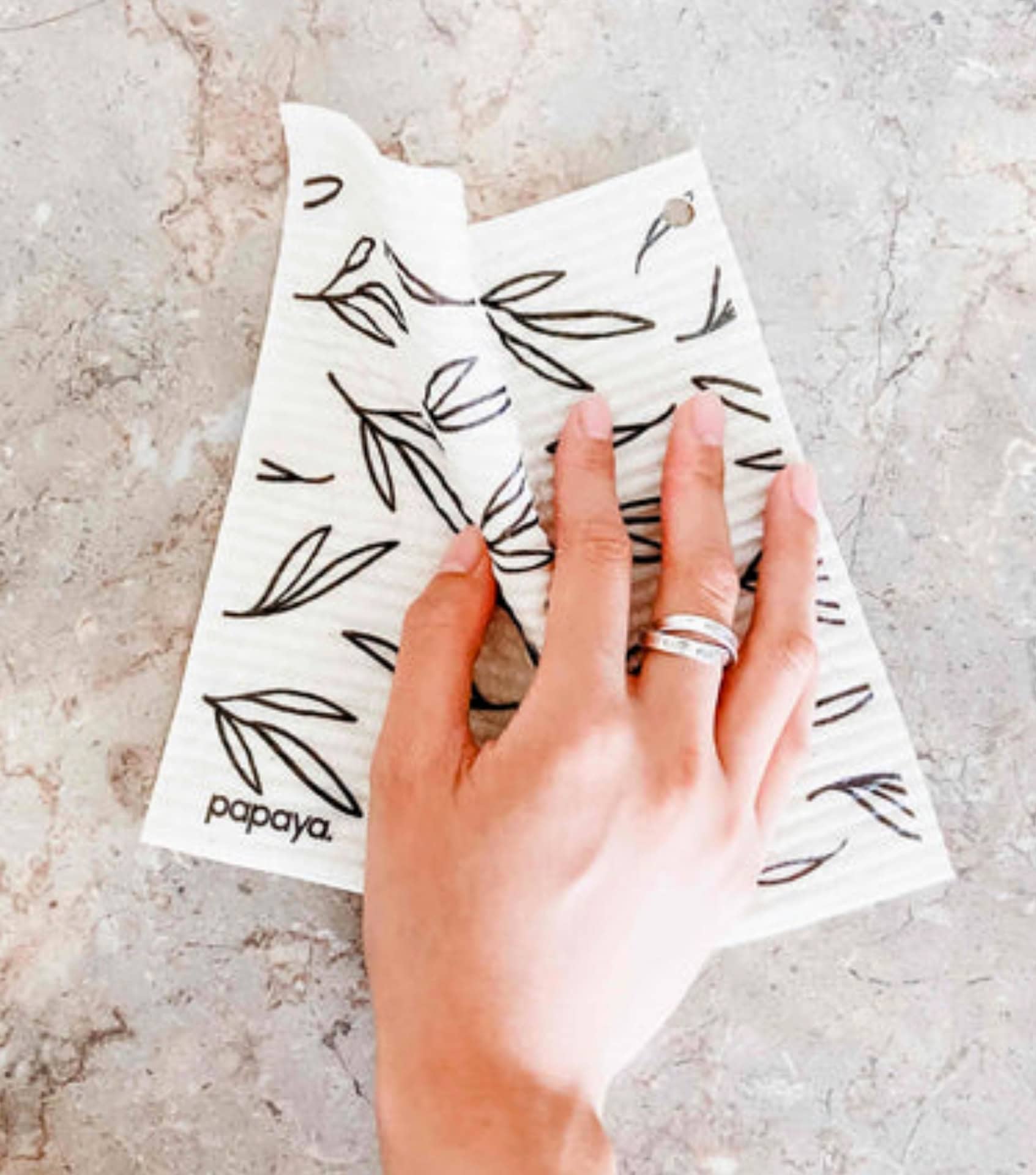
Swedish dishcloths are all the zero waste cleaning rage—and Papaya fuels the fire with its colorful collection of Swedish dishcloths. Somewhere in between a sponge and a rag, these cloth-like paper towels are highly absorbent and last long enough to replace about 17 rolls of regular paper towels.
Made from a 100% biodegradable mixture of wood pulp cellulose and cotton, Papaya towels absorb up to 15 times their own weight. Being easy to wash (by hand or machine) and quick-drying, bacteria are less likely to grow. When they do wear out, they’re compostable.
No surprise, the average Papaya reusable paper towels review is 4.97/5.
Papaya Reusables calls washable paper towels “the soon-to-be kitchen staple in every household in America”. That’s why these quirky and fun-named wipes are all they specialize in. In doing so, they hope to make sustainability accessible to everyone.
Marley’s Monsters
Marley’s Monsters has not been rated.
Price Range: $20–$96
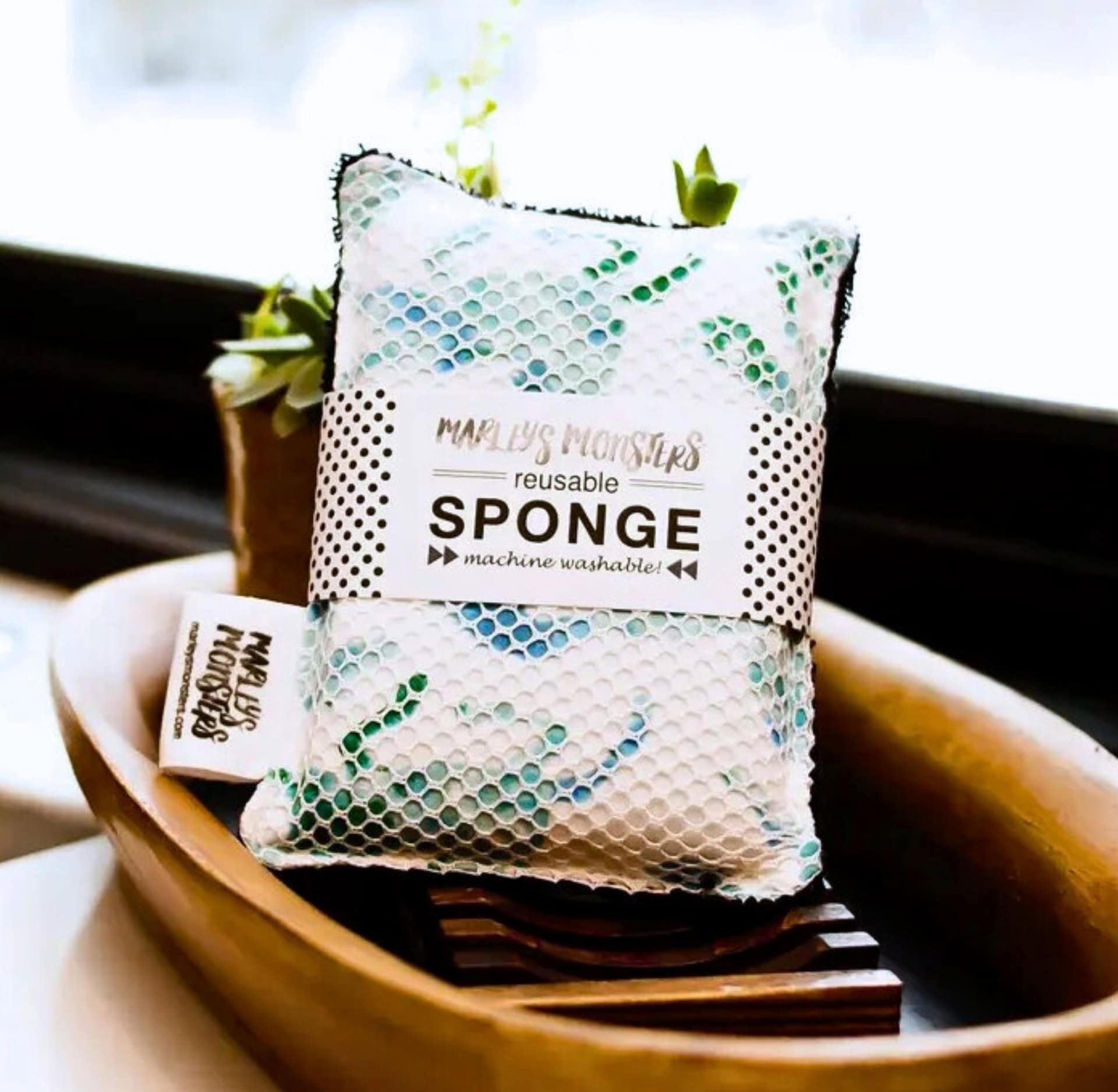
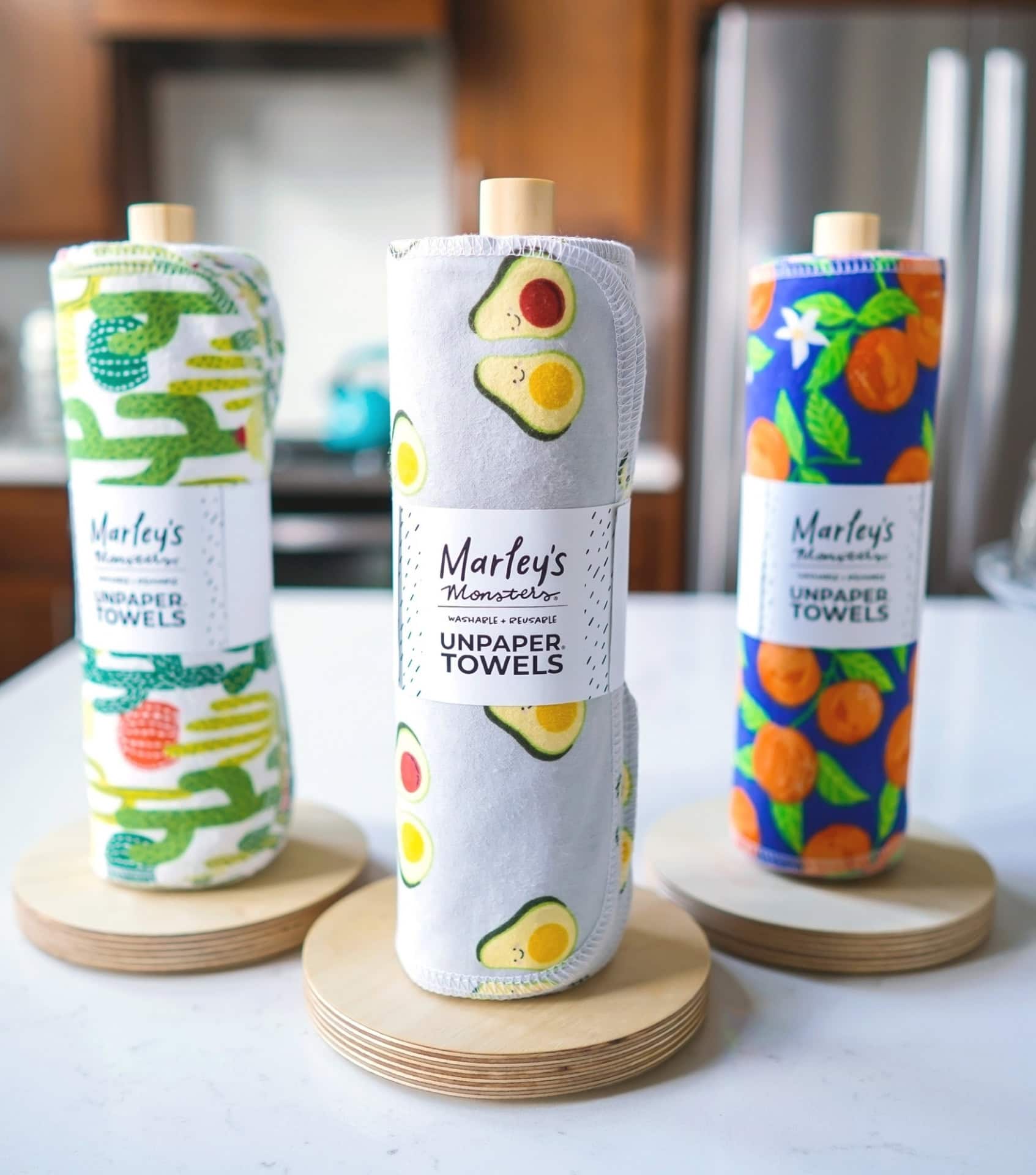
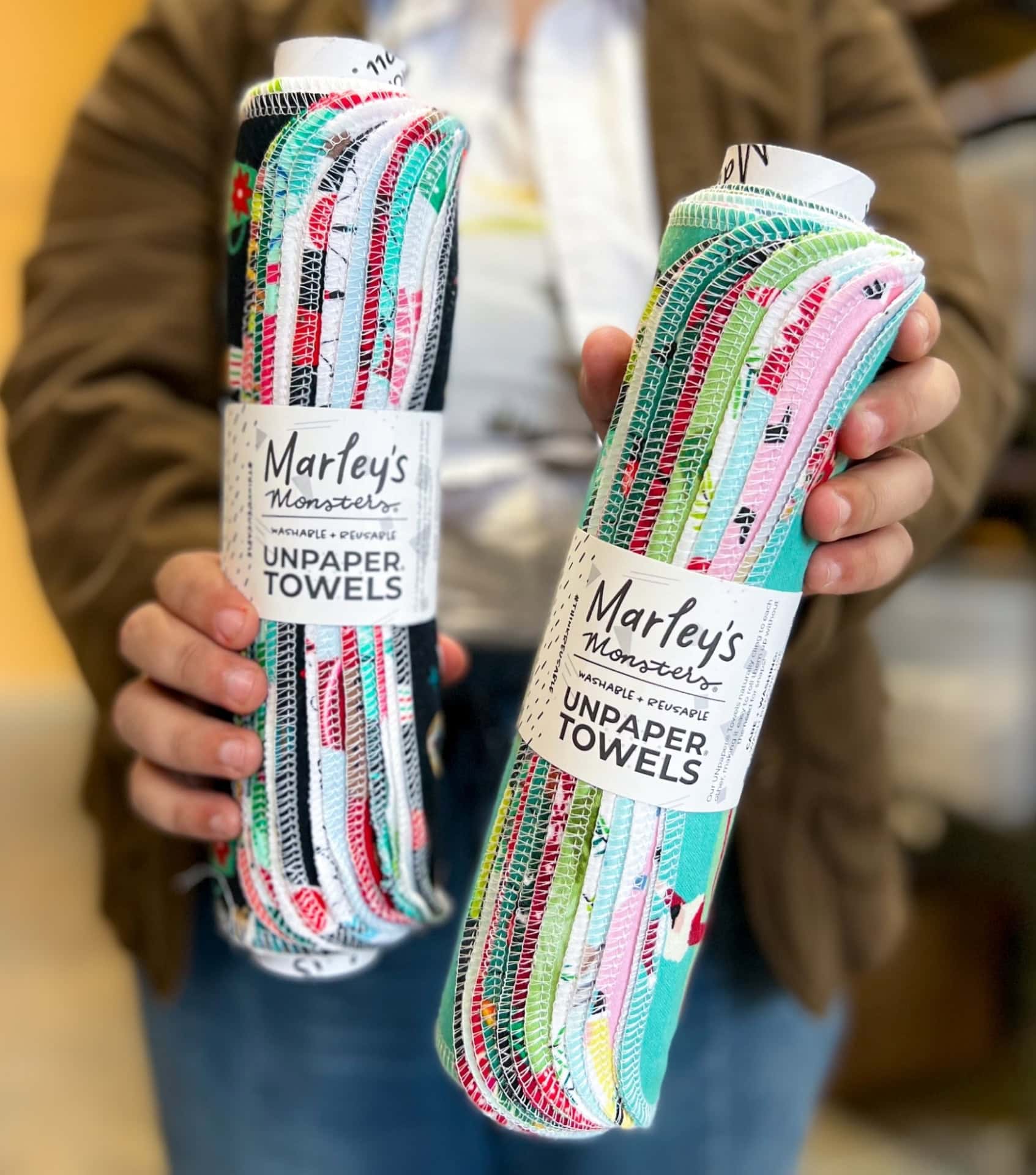
Marley’s Monsters’ motto is “Live Colorfully, Tread Lightly” and their UNpaper® Towels help with that. They’re made from 100% cotton flannel that gets more absorbent over time and can be used on any paper towel roll due to the flannel’s ability to cling together.
Each single-ply cloth is 12” x 10”, and they’re available in packs of six or twelve, as well as an option to order the whole reusable paper towel roll and holder all in one. Otherwise, they’ll fit on almost any traditional paper towel holder.
Women-owned Marley’s Monsters is a one-stop shop for eco-home essentials like toilet paper, bath and beauty products, biodegradable baby wipes, and more. Their fabric and wooden products are handmade in Eugene, Oregon where they also have a brick-and-mortar store. They’re a BRING Rethink certified company for their waste-reducing practices, and products are packaged and shipped plastic free.
ZWS Essentials
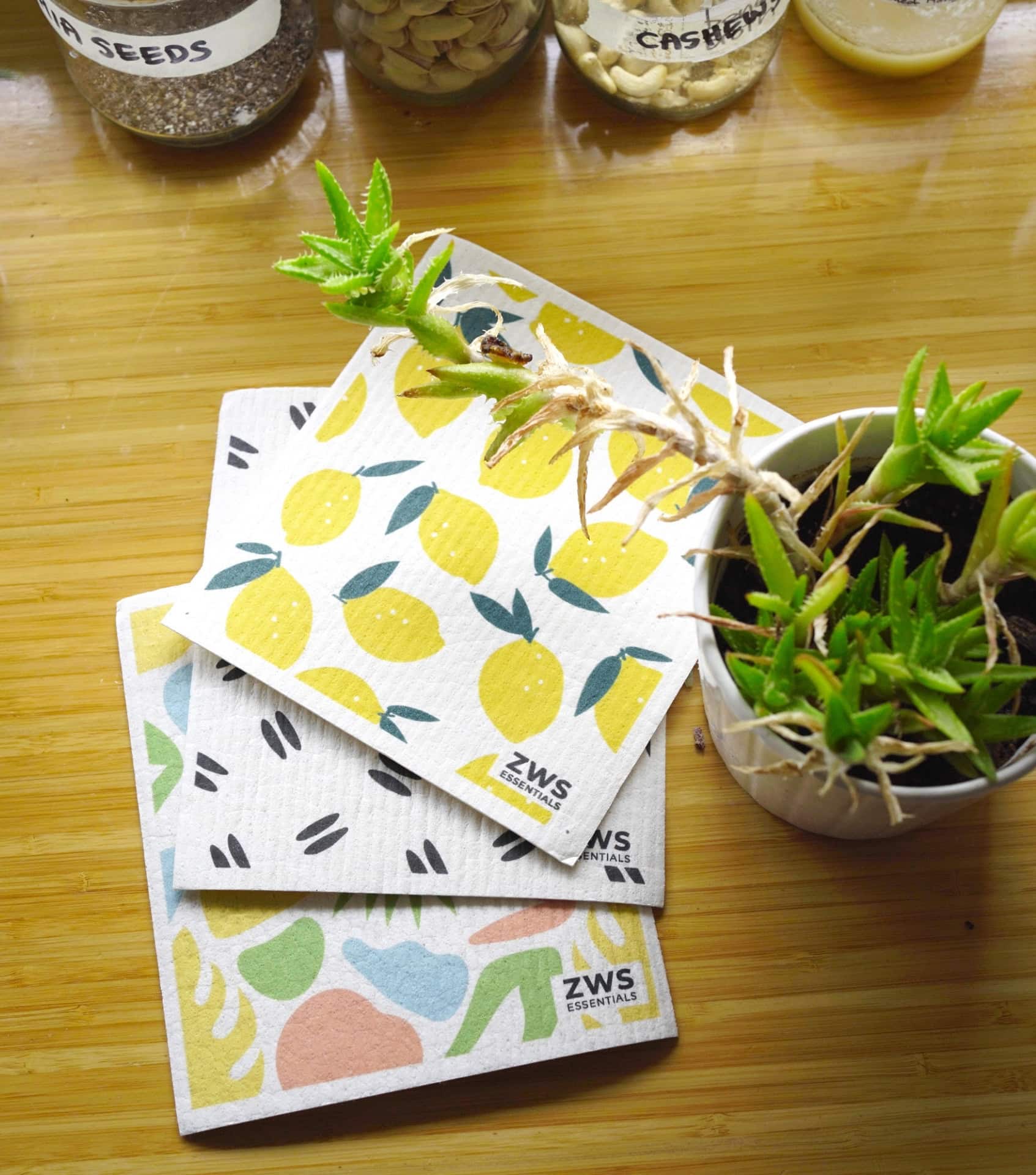
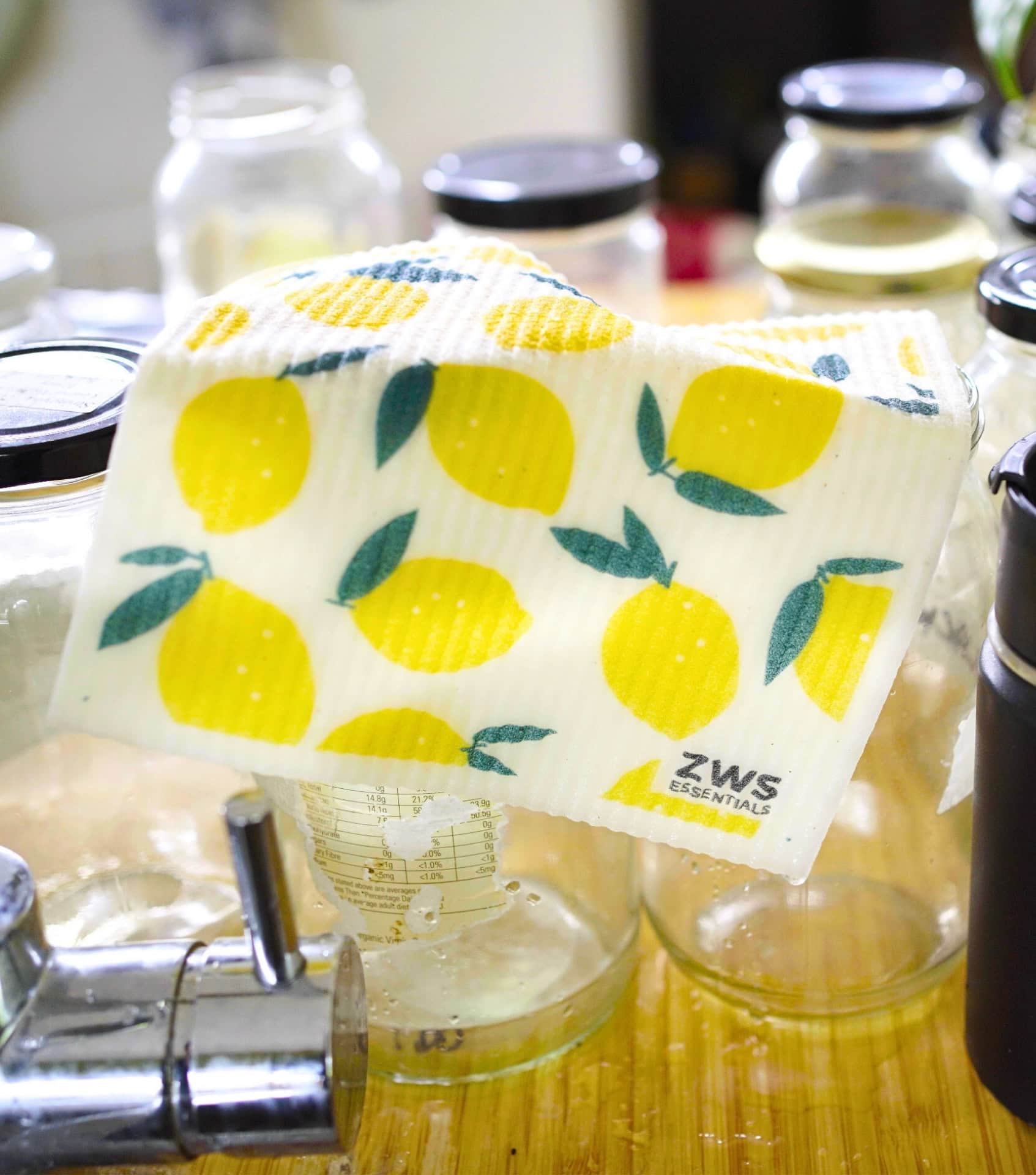
ZWS Essentials has not been rated.
Price Range: $6
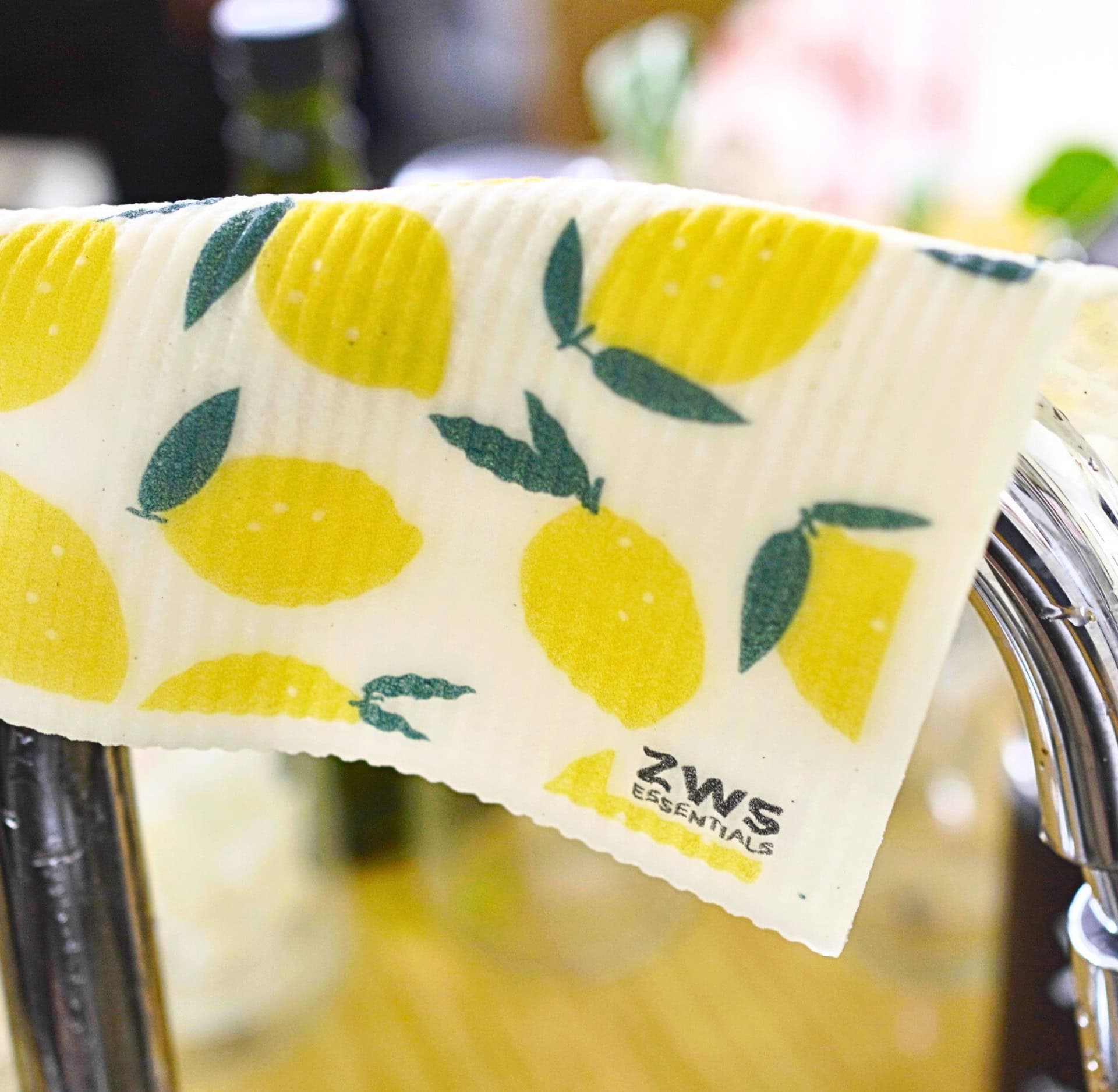
If pretty vintage designs are what you want from your reusable kitchen towels, we’ll spill the beans on ZWS Essentials.
Another Swedish dishcloth option, these cotton and cellulose pads absorb up to 3/4 cups of liquid—and then just wring them out and use them again! If cared for properly (washed and hung to air dry), you can continue using these reusable towels for cleaning for 6-12 months or 200 washes.
ZWS Essentials is the name of the in-house product line made by online zero waste store ZeroWasteStore.com. As you might infer, they offer a massive selection of goodies in just about any category you can think of—from pets to a wedding registry service.
Any personal care and cleaning products are natural, organic, cruelty-free, palm oil-free, and mostly vegan, and everything comes in reusable or compostable packaging. ZeroWasteStore.com is a member of 1% for the Planet and ships carbon-neutral.
Juniperseed Mercantile
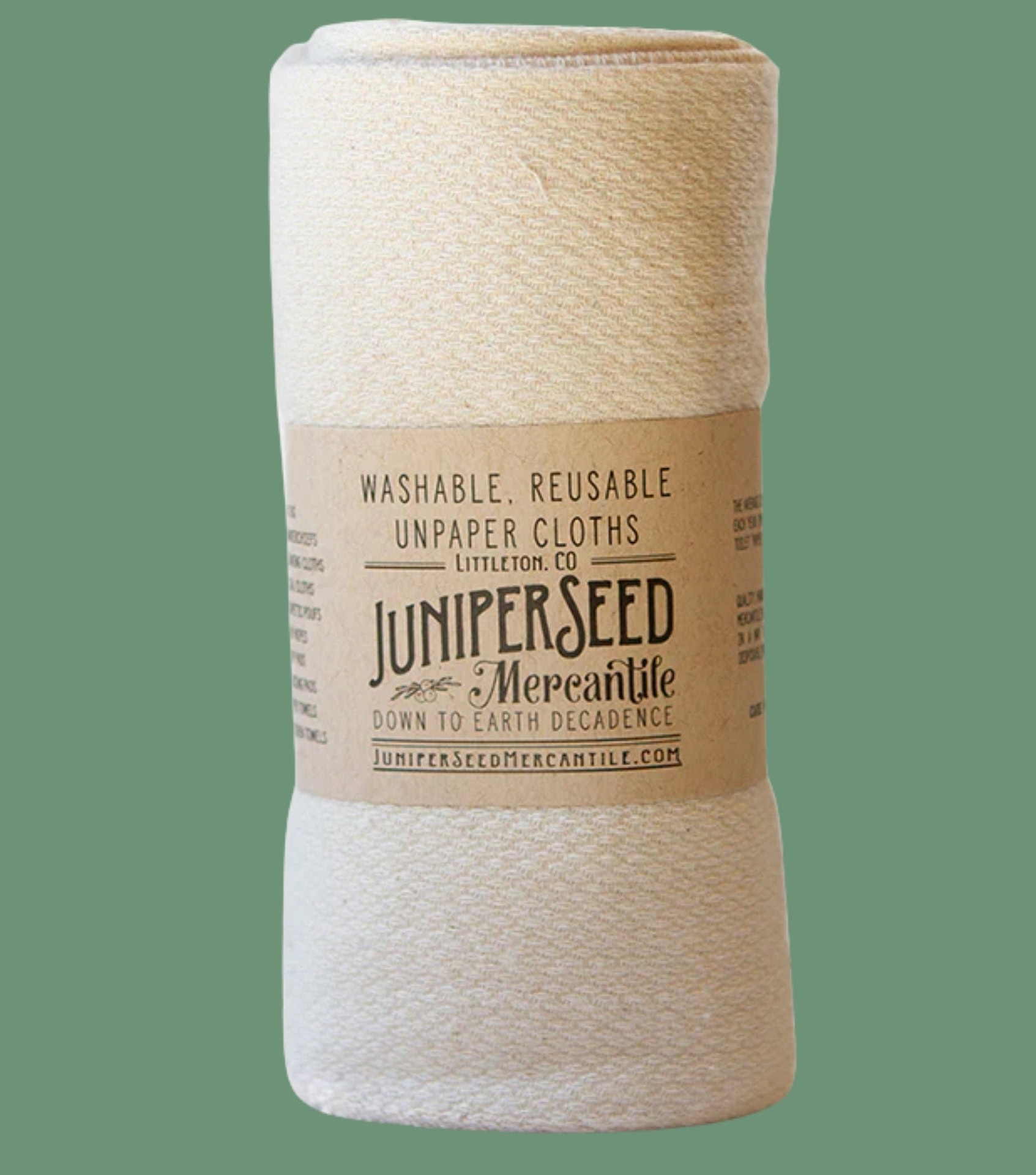
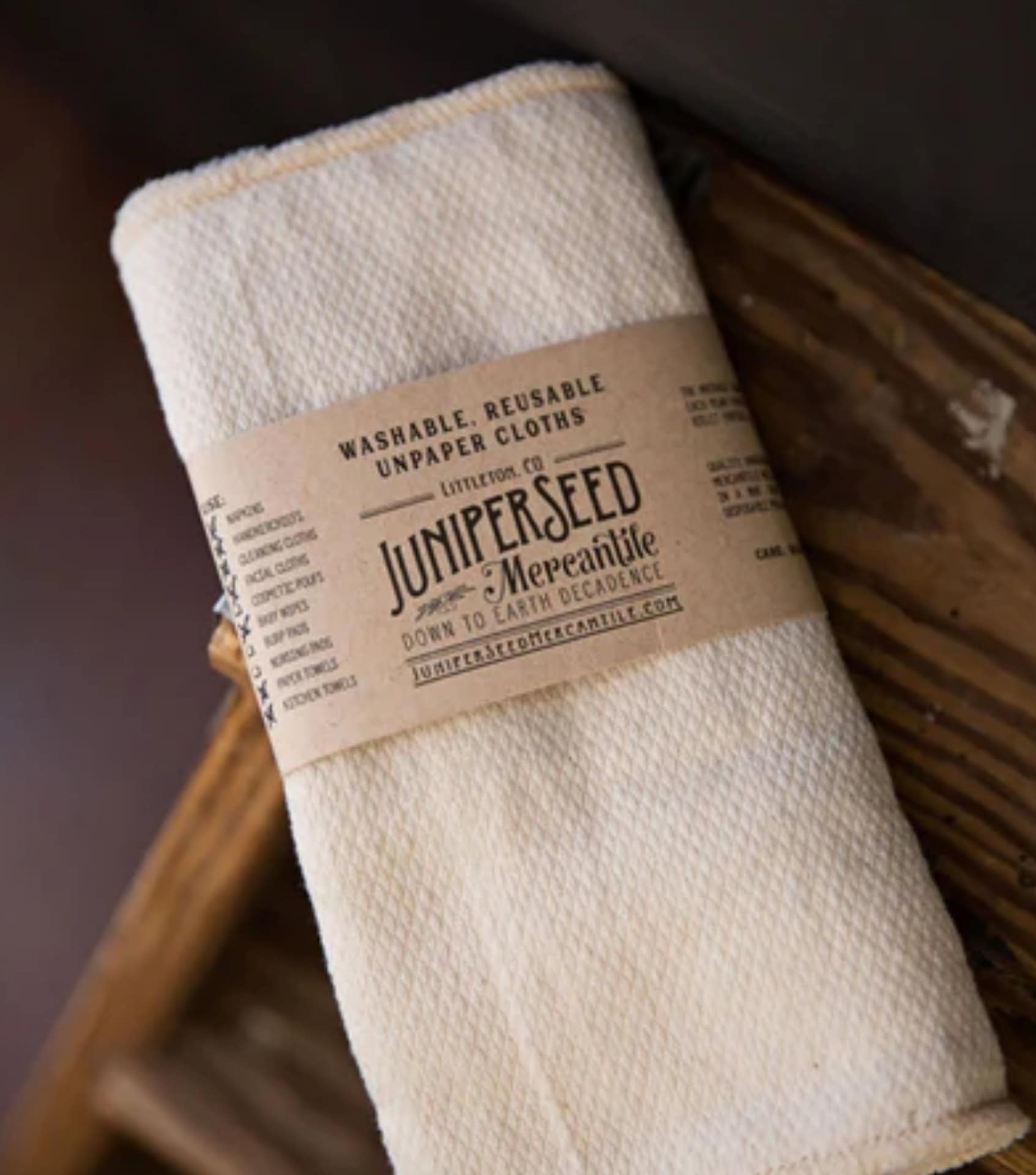
Juniperseed Mercantile has not been rated.
Price Range: $95–$125
Juniper Seed Mercantile’s cloths are made from 100% unbleached organic cotton that’s resilient and highly absorbent. Each 6-pack is wrapped with compostable paper, meaning there’s no plastic in sight.
Juniperseed Mercantile products are handmade in small batches in Littleton, Colorado. They’re all about “Down to Earth Decadence,” and they use natural and (where possible) organic ingredients in their beauty, home, and skincare products that are palm oil-free, cruelty-free, and mostly vegan-friendly.
To reduce plastic waste, they package in glass, aluminum, and compostable tubes. They also offer workshops and refills for personal care products at their Littleton storefront.
Etsy
Etsy has not been rated.
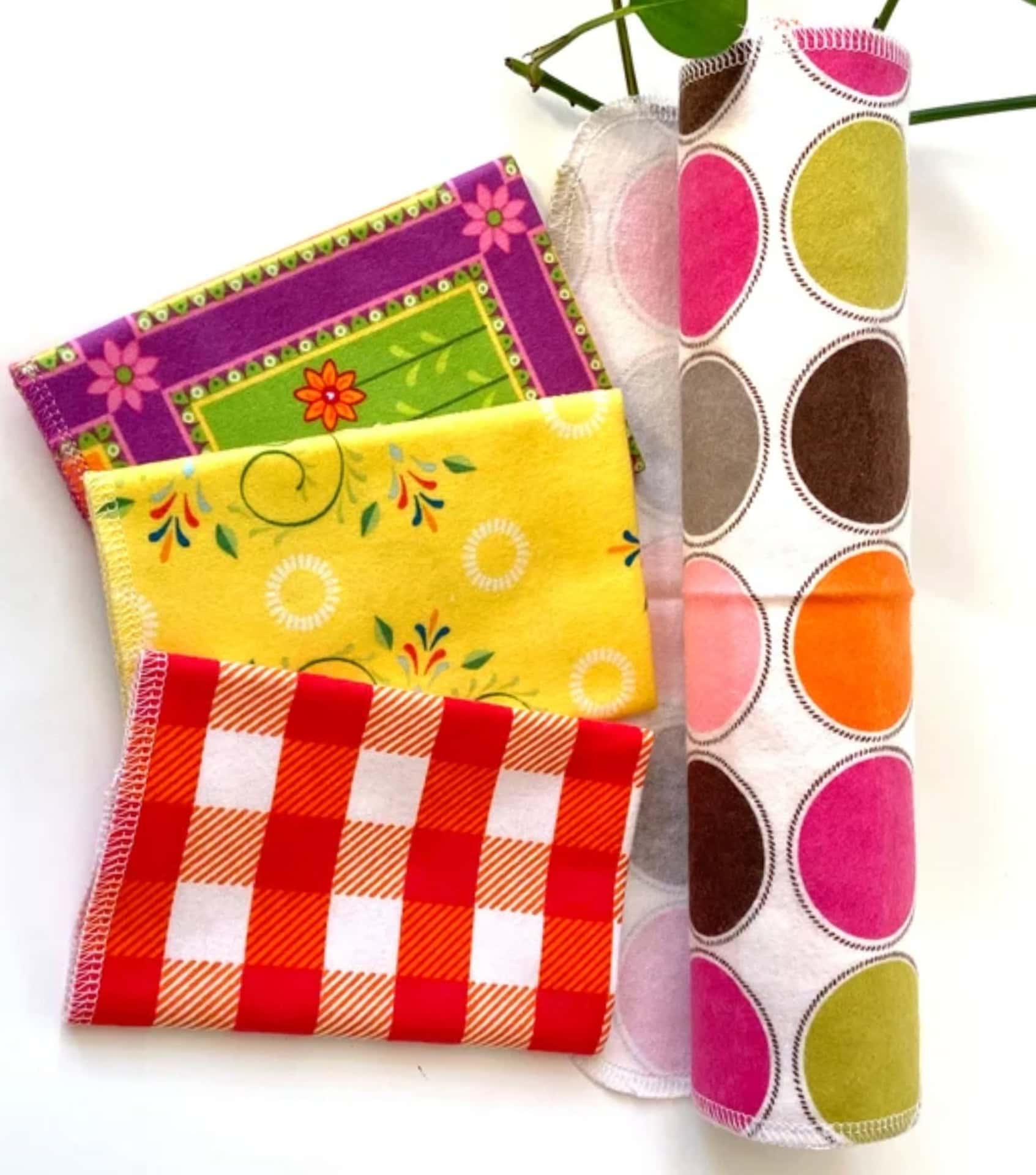
For those hoping their spill habits can also support small businesses, turn to Etsy. With tons of sellers to choose from, you’re sure to find the right paper towel substitute for your conscious cleaning needs.
USA:
- generation Me offers handmade cloths made from 100% cotton including an organic, unbleached cotton option and rainbow colors. Both one-ply and two-ply are available.
- Cozy Simple Living has plenty of different prints to choose from. They’re sold in sets of 12 and can be stored on any reusable paper towel roll dispenser.
- Gina’s Soft Cloth Shop’s stacks of reusable cloths are made from 100% cotton. You can choose your preferred color of thread for the serged edging to prevent fraying.
Canada:
- Cheeks Ahoy Handmade’s 100% cotton flannel sets are soft enough to be used anywhere, even as reusable hand towels and face towels. They come in pre-rolled sets on a reusable Kraft cardboard tube.
- La Girafe Couture sells one-ply and two-ply 100% cotton reusable cloths in a selection of fun and colorful prints.
UK:
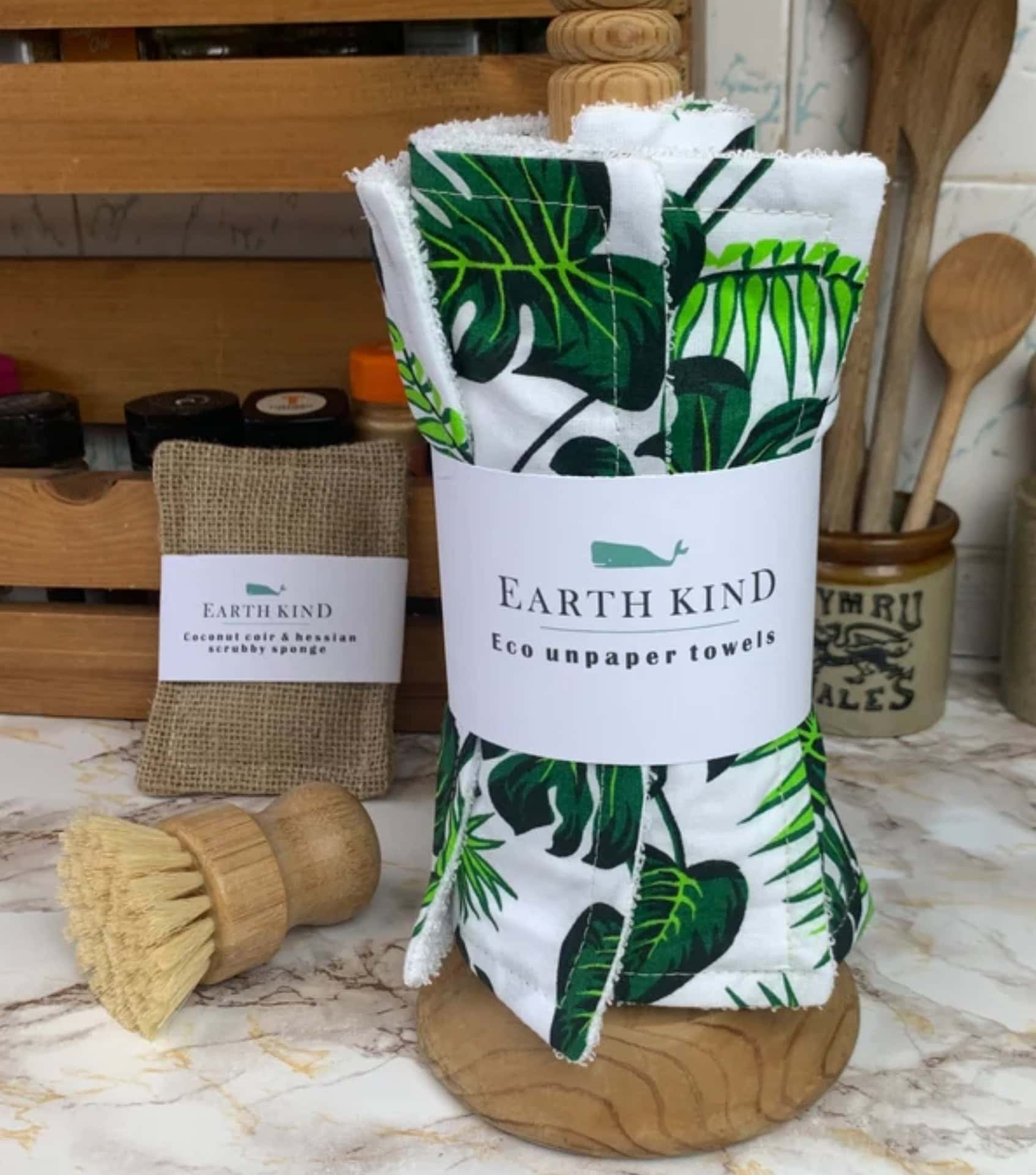
- Earth Kind Creations has reusable kitchen towels made from cotton with optional fastenings so that they can be poppered together on a roll. They also sell scrubbies and plastic-free “unsponges” for cleaning up tougher messes.
- Ginger Green Co also offers reusable paper towels with snaps to store on a roll. Each sheet has a soft cotton front and extra absorptive cotton toweling back.
Australia:
- Eco Lovely Designs’ reusable kitchen towels come in a choice of beautiful prints. Made from 100% cotton flannelette, they cling together to be stored on a roll.
How To Use & Care For Reusable Kitchen Towels
First, are reusable cloths safe?
Absolutely – as long as you’re taking the proper care to wash and dry them so that no mold or bacteria can build up within the fibers.
This is also the best way to make them last longer. Switching to an eco-friendly product doesn’t mean much if we don’t try to extend its life.
Here is our guide for using and making each reusable paper towel last longer.
How To Wash Reusable Paper Towels
Check the manufacturer’s instructions, but in general, handwashing, laundry machine washing, or putting in the dishwasher are the usual recommendations.
Unless the clean-up was very messy, a quick hand wash, rinse, and ring is all you need to do.
Then be sure to deep clean by machine (if suggested) on a weekly basis.
Then hang to dry, dry flat, or prop in the dish rack to prevent shrinking and premature pilling.
How To Store Reusable Paper Towels
Some reusable paper towels come with a loop for hanging, so you can store them on a hook somewhere handy. This is also helpful for air-drying in between uses.
Others are designed to either cling or fasten together with poppers so that they can be stored on a roll in the same way as conventional paper towels.
Either way, once they’ve been used, be sure to hang or lay them somewhere well-ventilated to prevent mold, mildew, and odors.
Drying in the sun will do this as well as help keep your reusable paper towels stain-free.
How Long Do Reusable Paper Towels Last?
If all the above steps are taken, how many times can you use reusable paper towels?
That depends on the type of paper towel and the sort of jobs you’re using it for.
Those only used as dish towels will likely last much longer than those used for dirty jobs like washing a car or pairing with your eco-friendly mop.
Thick cotton cloths are the most durable and easy to wash.
Cellulose paper towel replacements (AKA Swedish dishcloths) are typically quoted to last anywhere from 6-12 months—depending on the frequency of use.
ZWS Essentials says theirs should last for 200 washes, which should easily put it around the year mark, even if you’re washing regularly.
Why Choose Reusable Towels Instead Of Paper Towels?
The United States loves their single-use paper towels—so much so that their usage far exceeds that of the rest of the world.
In 2017 (before people were washing their hands more fervently), global spending on disposable paper towels for use at home amounted to $12 billion, of which America accounted for $5.7 billion alone.
According to the EPA, America’s combined totals for all “tissue” waste (including tissues, paper towels, and toilet paper) amounted to a whopping 7.4 billion pounds.
If that’s not a reason to use eco-friendly toilet paper and a reusable paper towel, we don’t know what is.
Now remember, what are regular paper towels made out of?
That’s right: trees.
That means that every time your tired morning eyes miss your mug of coffee with your sustainable milk alternative, you’re contributing to deforestation.
At worst, that means contributing to illegal logging and biodiversity loss.
At best—meaning you’re choosing paper towels from sources with sustainable forestry certifications—you’re still taking away necessary carbon sequesters.
Not only that but turning tree pulp into something soft and absorbing is a water and chemical-intensive process.
While a reusable paper towel alternative obviously still has an impact, you’re getting countless uses (and fewer raw materials) in exchange for that impact—instead of a measly one.

Jenny is a UK-based sustainability writer and tea-drinker extraordinaire who has a Masters in Social Anthropology from the University of Edinburgh. Her travels have taken her to organic permaculture farms in the UK and Nepal but you’ll mostly find her working on the veg patch with a garden fork in one hand and a cup of tea in the other. Jenny writes for ethical brands and purpose-powered publications on a broad range of sustainable living and conscious consumerism topics. She is passionate about organic and regenerative farming, nature reconnection, and the small things we can do each day to better care for our planet.