













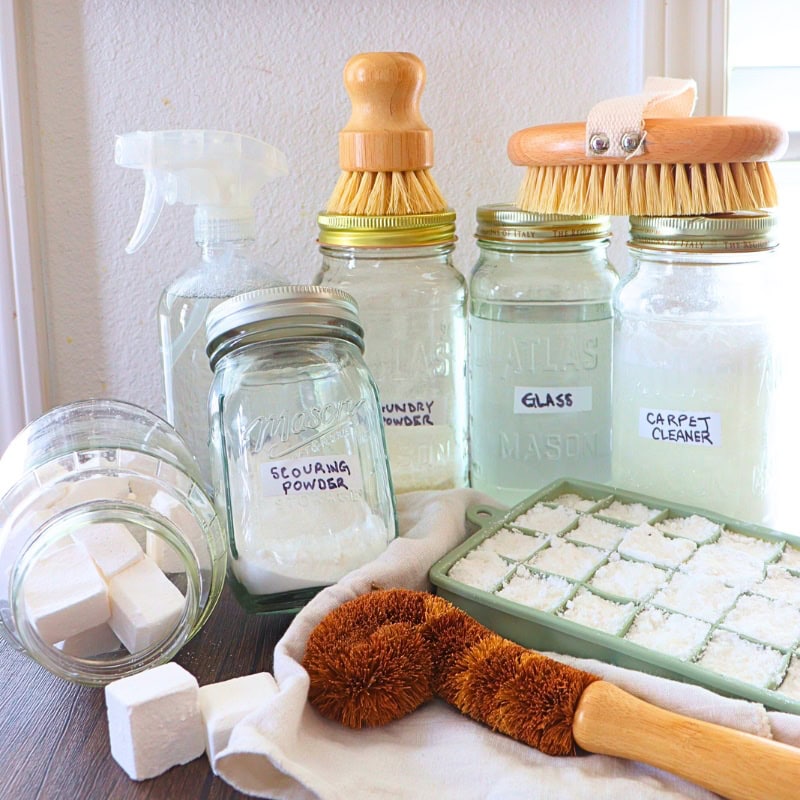
Natural cleaning products and recipes are a no-brainer for a lot of reasons.
Not only can they be just as effective (if not better) than store-bought cleaners, but they’re also customizable (depending on your cleaning needs), often way cheaper, and much kinder to the environment.
So with that in mind, we’re sharing a collection of our favorite homemade cleaning products that tackle everything from your windows and floors to your countertops and carpets.
Each one has been personally tried and tested by us here at SJ. We’ve made sure to use carefully selected ingredients that are safe, effective and also readily available (you’ll likely already have most of them in your cupboard).
And the best part? These DIY cleaning products are designed to be super simple and easy to make. Because life is busy and most of us don’t have the luxury of spending hours making some elaborate cleaning solution. We just need something that works, is cost-effective and safe for our family (and pets).
Index: Natural DIY Cleaning Products & Recipes
- DIY All Purpose Cleaner Jump to section
- DIY Scouring Powder Jump to section
- DIY Dishwasher Pods Jump to section
- DIY Laundry Detergent Powder Jump to section
- DIY Window Cleaner Jump to section
- DIY Carpet Shampoo Jump to section
- DIY Floor Cleaner Jump to section
- DIY Daily Shower Spray Jump to section
- DIY Air Freshener Jump to section
DIY All Purpose Cleaner

Why let food scraps go to waste when they can do double duty in your home? This DIY multipurpose cleaner takes a unique approach by using citrus peels (and vinegar) for a natural and refreshing scent instead of essential oils. Not only does it create an effective cleaning solution, but it also helps reduce food waste, making it a win for your home and the environment. Here’s what you’ll need.
Ingredients:
- 1 cup white vinegar
- Citrus peels: From 1–2 lemons, oranges, or other citrus fruits.
- A handful of pine needles (optional): If you want to naturally recreate the earthy citrus scent of Pine Sol without the chemicals, combine your citrus infusion with fresh pine needles.
- 2 cups distilled or filtered water
Instructions:
- Place the citrus peels (and pine needles, if using) in a glass jar, and pour the vinegar ONLY over to fully submerge them.
- Seal the jar and let it sit in a cool, dark place for 2-3 weeks, shaking occasionally.
- Strain the infused vinegar into a clean spray bottle and dilute with an equal amount of water. Do not transfer the pine needles and lemon peels over into your final sprayer bottle.
Because this is a vinegar-based recipe it should not be used on natural stone and may cause erosion on any metal components of your sprayer if not properly flushed.
DIY Scouring Powder

This DIY scouring powder is a must-have for tackling tough grime and buildup around the house like kitchen grease and bathroom scum. It’s incredibly easy to make, and the best part is that it’s gentle on your surfaces while still being tough on dirt and stains.
Ingredients:
- 1 cup baking soda: A mild abrasive that helps lift dirt and stains while neutralizing odors.
- 1/4 cup washing soda: Boosts cleaning power by breaking down grease and grime.
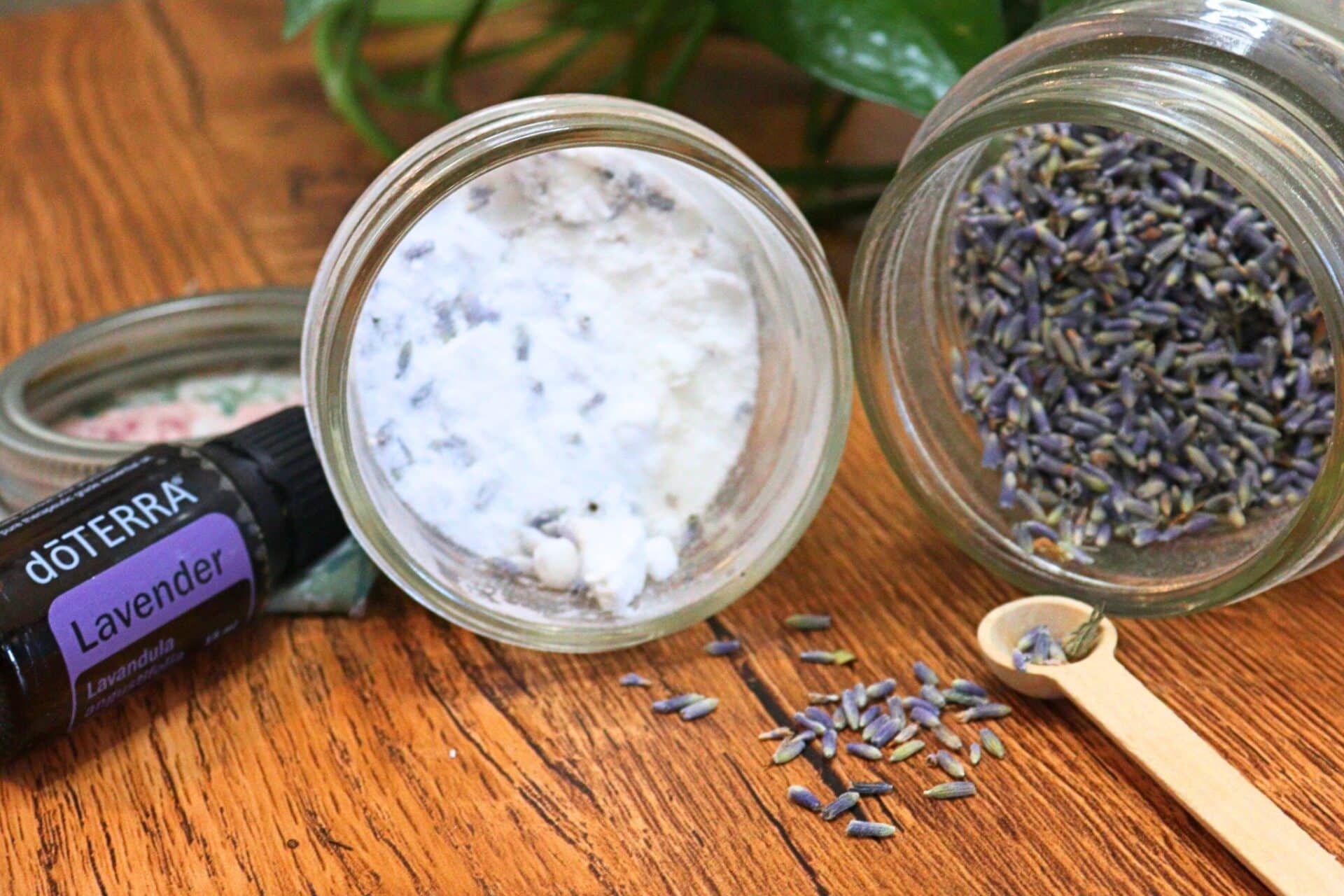
- 10 drops essential oil or dried botanicals, such as lavender buds (optional): Adds a pleasant scent and additional cleaning properties (i.e., tea tree oil for antibacterial effects or lemon oil for grease-cutting power).
Instructions:
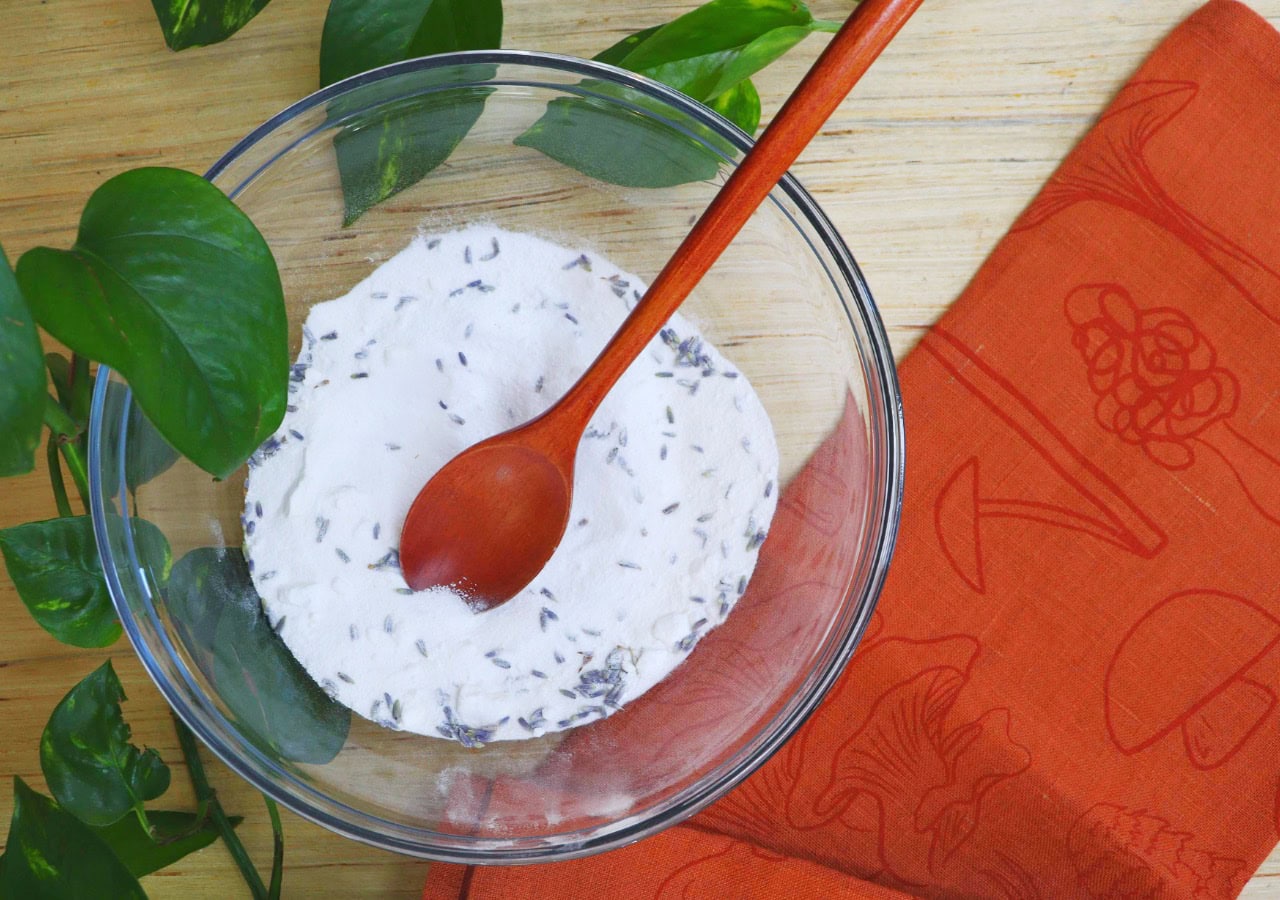
- Combine baking soda and washing soda in a clean, dry jar with a lid, or in a bowl if it’s easier, after which simply transfer to a jar.
- Add essential oil (if desired) or ground up dried botanicals and stir or shake the jar to mix evenly.
To use, simply sprinkle the powder directly onto surfaces (like sinks, tubs, or stovetops), and use a damp sponge or scour pad to scrub the area.
If you find you need a little more moisture, add a little warm water or combine with your all-purpose cleaning spray, simply spraying the surface a few minutes prior to sprinkling this cleansing powder on as well.
Remember to rinse thoroughly with water and wipe clean with a cloth or towel.
DIY Dishwasher Pods

We love making our DIY dishwasher detergent pods recipe because it’s a super convenient solution to cleaning our dirty dishes (and we have a lot of those by the end of each day, so really want to minimize the hassle) without the need to measure out detergent each time.
Ingredients:
- 1/3 cup lemon juice or white vinegar: A natural rinse aid and binding agent.
- ⅓ cup kosher salt: Softens water for better cleaning and helps reduce hard water stains and residue.
- ⅓ cup of baking soda: Aids in scrubbing and deodorizing.
- ⅓ cup of washing soda: Provides powerful grease-fighting action.
- 5-10 drops of essential oil (optional): If you’re interested in adding fragrance to homemade dishwasher detergent, we recommend lemon or tea tree oils for their grease-cutting and antibacterial properties.
- Silicone ice cube tray: We like using the mini ice cube trays because especially for our half-size dishwasher, a large cube is just too excessive.
Instructions:
- In a mixing bowl, combine the washing soda, baking soda, and salt. Stir to break up clumps.
- Slowly add the lemon juice or vinegar, noting that some fizzing is normal. Mix until the liquid is fully absorbed by the dry ingredients.
- Add essential oil if desired and stir again.
- Press the mixture firmly into a silicone ice cube tray, tamping down to eliminate air pockets.
- Leave the tray on the counter to dry for at least 12 hours or until the pods are completely hardened.
- Pop the pods out of the mold and store them in an airtight container. Use one pod per dishwasher load.
DIY Laundry Detergent Powder
If you want a no-fuss homemade laundry detergent that is efficient and really easy to make, then this powder-based recipe will tick the box. It’s highly concentrated and has a long shelf life, so it’s an economical option for keeping your laundry routine running smoothly and cheaply.
One batch lasts us several months, so we spend less time on restocking and more time enjoying clean, fresh clothes.
Ingredients:
- 1 bar Castile soap: This acts as the primary cleaning agent, helping to break down oils, dirt, and stains on fabrics. Castile soap is especially gentle, making it suitable for all fabrics and sensitive skin.
- 1 cup Washing Soda: A highly effective stain remover and water softener, washing soda helps tackle tough grease and grime while boosting the effectiveness of the soap. It’s ideal for deep cleaning and breaking down oily stains.
- 1 cup Baking Soda: A natural deodorizer that eliminates odors while enhancing the cleaning power of the other ingredients. It also softens clothes and helps prevent any build-up from hard water, keeping laundry fresh and clean.
- 1/4 cup Borax (optional): An optional yet powerful addition that boosts stain removal, deodorizing, and cleaning power. It helps break down stubborn stains and enhance the detergent’s performance, though the recipe still works well without it.
- 10-15 drops Essential Oils (optional): For a fresh, natural scent, essential oils like lavender, lemon, or tea tree can be added. If using for sensitive skin or for babies, it’s recommended to skip this ingredient and use unscented detergent instead.
Instructions:
- Grate the bar of castile soap. Liquid castile soap is not a suitable substitution in this particular recipe, as the soap shavings will stay in a solid state until run through a wash cycle.
- In a large bowl, combine the grated or liquid soap with washing soda, baking soda, and borax (if using).
- Transfer the mixture to an airtight container. Keep it in a cool, dry place.
To use, add 1 tablespoon to your washing machine per large load, and ½ tablespoon for smaller loads.
DIY Window Cleaner

Making your own glass and mirror cleaning solution is not only simple but also a great way to avoid the harsh chemicals often found in store-bought options. And our DIY window cleaner is designed to ensure a streak-free, cost-effective shine with sparkling results that are just as good—if not better—than its commercial counterparts.
Ingredients:
- 1/4 cup white vinegar: A natural powerhouse for cutting grease and grime. Substitute apple cider vinegar if necessary, but it may leave a slight scent.
- 1/4 cup rubbing alcohol (70% concentration): While some choose not to use this ingredient, we find homemade window cleaner with rubbing alcohol to be essential for quick drying and streak-free results. Substitute higher concentration alcohol (e.g., 90%) if available, but dilute slightly with water.
- 1 tablespoon cornstarch (optional): Adds extra polish and reduces streaks.
- 2 cups water: Use distilled water for best results to avoid mineral streaks.
Instructions:
- Pour the water, white vinegar, and rubbing alcohol into a clean spray bottle.
- If using, add the tablespoon of cornstarch to the mixture.
- Secure the spray bottle cap and shake thoroughly to mix the ingredients.
- Spray directly onto windows or glass surfaces. For best results, use an old cloth or crumpled newspaper to wipe the surface clean.
This solution can also be used for outside windows, but if they’re really dirty, give them a rinse with water after, then do a second wipe to polish and remove the steaks.
DIY Carpet Shampoo

Our DIY carpet cleaning solution can be used in machines (just add the solution to the resevoir) or for spot cleaning (spills, splatter pet accidents etc.). It works well for deodorizing and lifting light stains.
Ingredients:
- 1/4 cup white vinegar: A natural deodorizer and stain remover.
- 1 tablespoon dish soap or castile soap: Lifts dirt and grease while being gentle on carpets.
- 1 tablespoon baking soda: Neutralizes odors and helps loosen stubborn stains.
- 5-10 drops of essential oil (optional): We love using lavender or lemon for added freshness.
- 2 cups warm water: Provides the right consistency for application.
Instructions:
- In a bowl or container, mix all the ingredients together until well combined.
- For spot cleaning, dip a clean cloth or sponge into the solution, then gently blot the stain. Avoid scrubbing to prevent damaging the carpet fibers. For stubborn stains, sprinkle a bit of extra baking soda directly onto the carpet before applying the solution.
- Once the stain is treated, rinse the area with clean water to remove any residue.
- Blot dry with a clean towel or let it air dry completely.
DIY Floor Cleaner

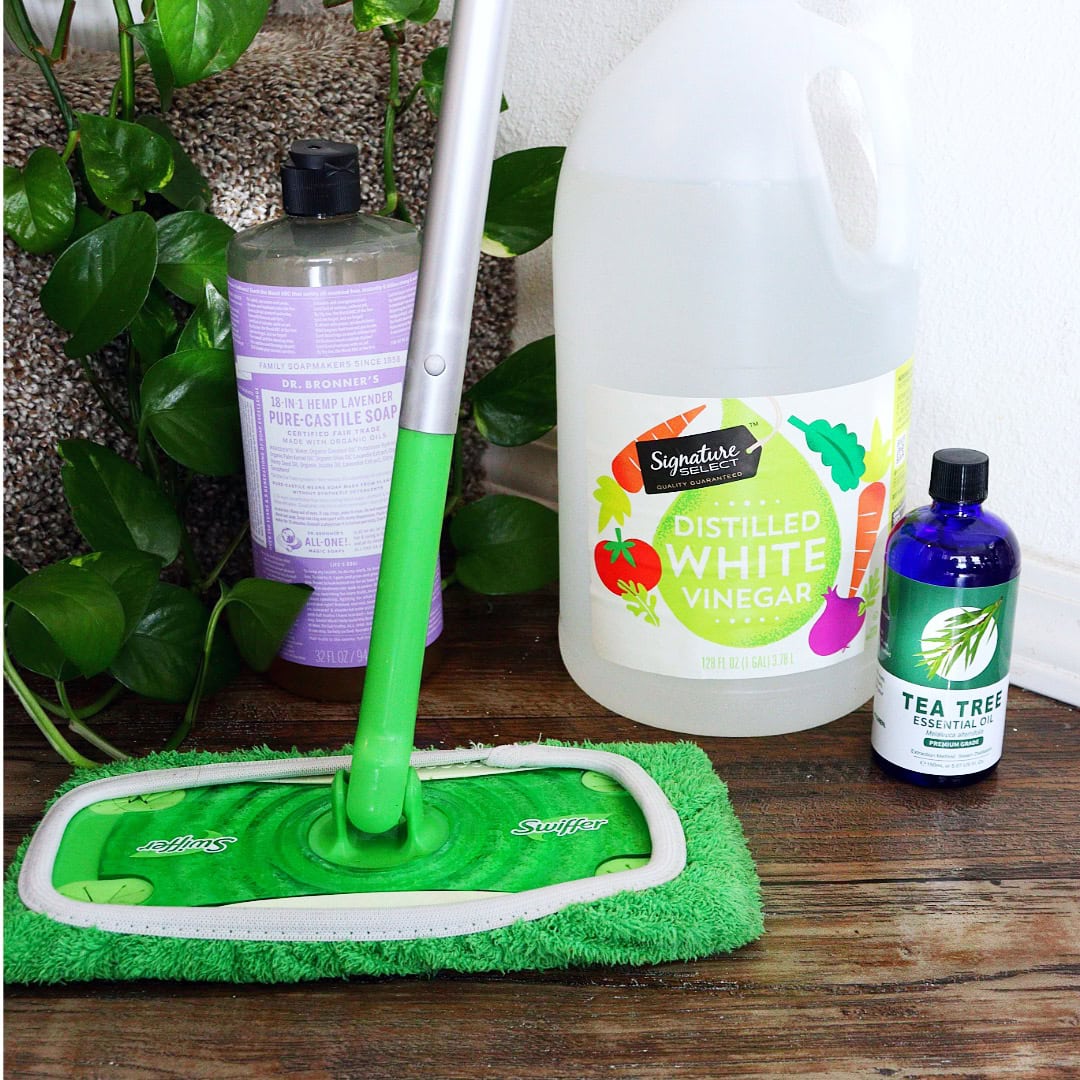
Keeping your floors clean can be a challenge, especially when you’re dealing with different materials that require special care. This DIY floor cleaner recipe is safe and effective for all types of flooring, making it a versatile choice for your home. If you have stone or raw tile floors, you’ll want to avoid vinegar-based cleaners since vinegar can chemically react with natural stone and cause corrosion. Instead, this formula swaps vinegar for baking soda, providing a gentle yet powerful clean without the risk of damage.
It’s also a fantastic option for cleaning grout, which is often stone-based and benefits from this non-corrosive solution whether you’re tackling tile, laminate, hardwood, or stone flooring.
Ingredients:
- 1/4 cup liquid castile soap: Safely lifts dirt and grime without damaging sensitive surfaces.
- 1 tablespoon baking soda: Gentle abrasive action for stubborn spots; neutralizes odors.
- 10 drops essential oil (optional): If you want something slightly acidic but not as much as vinegar, citrus oils can provide a little grease-cutting power without harming the stone.
- 1 gallon warm water: Provides the base for your cleaner.
Instructions:
- Combine all ingredients in a bucket and stir to dissolve.
- Mop the floor as usual, taking care to rinse your mop frequently.
- Wipe down any excess moisture with a soft towel for a clean, residue-free finish.
DIY Daily Shower Spray

Nobody likes cleaning the shower, but it doesn’t have to be a time-consuming or backbreaking task. The secret to a sparkling shower with less effort? Consistency! A daily homemade shower cleaning spray can work wonders by preventing soap scum and hard water buildup before they get out of control.
With just a quick spritz after each use, you’ll keep your shower looking fresh and reduce the need for heavy scrubbing and deep cleaning.
Ingredients:
- 1/2 cup white vinegar: Prevents soap scum buildup.
- 1/2 cup rubbing alcohol: Helps the spray evaporate quickly, leaving no streaks.
- 1 teaspoon dish soap: Adds cleaning power.
- 10 drops essential oil (e.g., eucalyptus or lemon): Provides a refreshing scent and antibacterial properties.
- 1 cup water: Dilutes the solution for daily use.
Instructions:
- Combine all ingredients in a spray bottle.
- Shake well before each use. The dish soap in particular will settle at the bottom if this is not done.
- Spray on shower walls, glass doors, and fixtures after each use. No rinsing is required.
DIY Air Freshener

Conventional air fresheners (like Glade) are typically filled with synthetic chemicals and fillers that mask odors instead of neutralizing them. They’re also likely bad for your indoor air quality, and since you and your family are spending a lot of time in your home (breathing), we’d suggest opting for something that is natural and safe.
So, if you want a subtle way to freshen up a dank or stinky space, this passive, odor-absorbing homemade air freshener recipe is the one for you.
Ingredients:
- 1/2 cup baking soda: Absorbs and neutralizes odors.
- 10 drops essential oils: Adds a refreshing scent and enhances odor control.
- Dried botanicals (optional): Including things like lavender buds provides an additional layer of fragrance and aesthetic charm.
- Mason jar with ring top: A squatter, wider mason jar is preferable to taller, marrow-mouth ones as it allows for more odor absorption and scent distribution.
- 4×4-inch fabric scrap: Allows airflow while keeping the baking soda contained.
Instructions:
- Combine the baking soda, essential oils, and dried botanicals (if using) in a mason jar.
- Place the fabric over the jar’s opening and secure it with the ring top. You can also glue it directly to the ring top for added stability, but this isn’t necessary.
- Place it in your bathroom or any space that could use odor control. Shake the jar gently to refresh the scent as needed.
When the scent fades simply add a few more botanicals or drops of essential oil as needed. The baking soda will continue to neutralize unpleasant odors even as it ages.

Amber obtained Bachelor of Arts degrees in English, Creative Writing, and Psychology from The University of Oxford and Arcadia University. She is an avid crafter, gardener, quail farmer, wannabe novelist, and self-proclaimed eco adventurer. From living in a camper van to living in a tiny house, she is enamored by the small and self-sufficient; and aspires to one day become an off-grid micro-farmer, bridging sustainability with non-toxic living and eating. With a passion for outdoor sports like rock climbing, skiing, and travel, having already backpacked across 30 countries, she is always up for the next big adventure while seeking ways to minimize her impact along the way.