











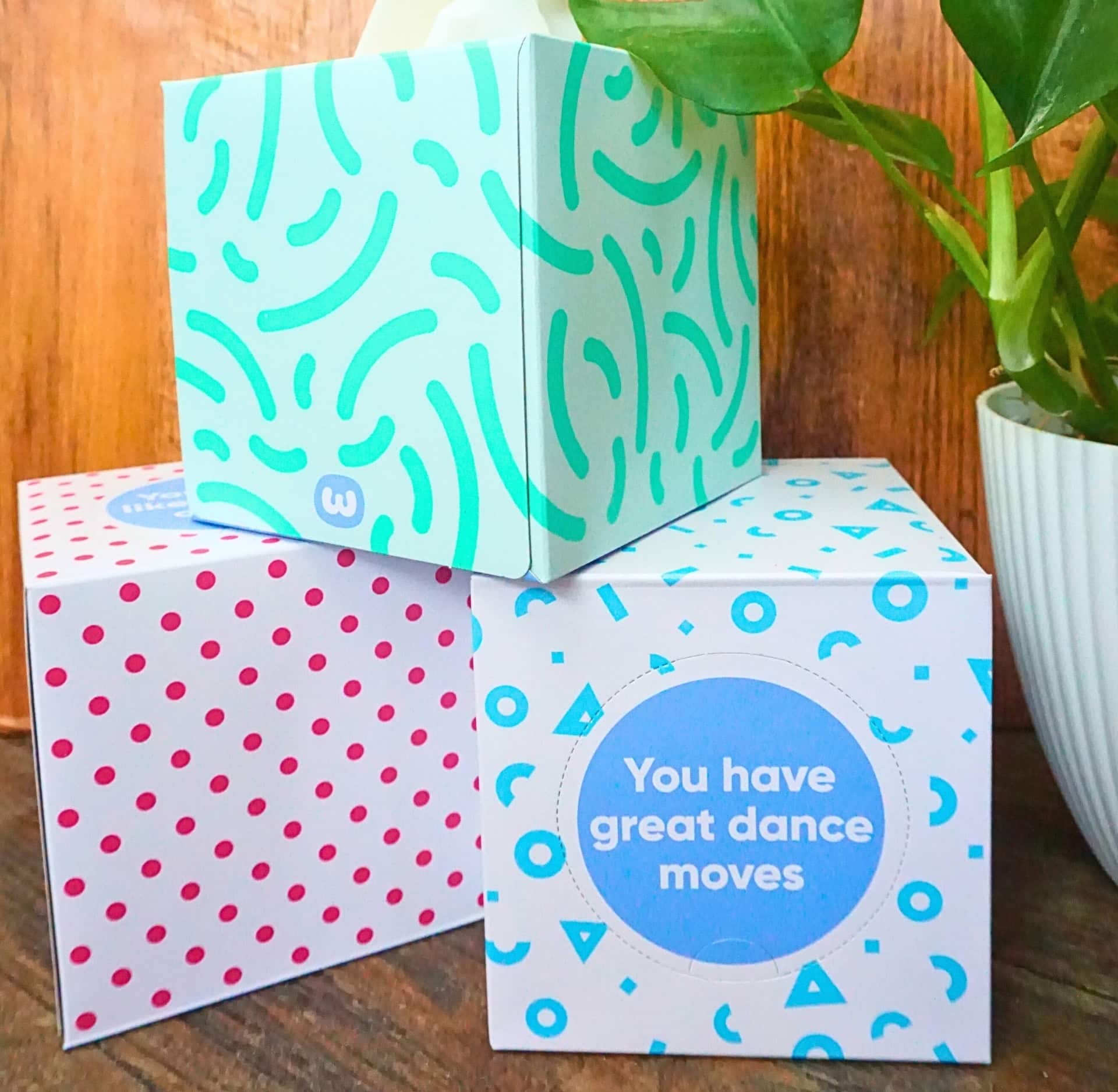
We’re blowing the lid (and our noses) on eco-friendly tissues.
This single-use item may seem inconsequential, but each sniffle can contribute to deforestation, climate change, plastic waste, and environmental decay.
That’s snot what we want to be contribute to each and every time we get the sniffles.
So are there tissues that allow us to clean up our boogies and the planet at the same time?
You nose it, which is why we sniffed out the best tissue alternatives that are not only sustainably and ethically made but also give back back in their own ways.
In the near future, we’ll be introducing our Brand Rating System, which will assess brands across 22 different factors, such as their climate footprint and product longevity. To learn more about this, see here.
We independently research all featured brands and we ask them to confirm their claims. In many cases we personally review recommended products. This post contains affiliate links which means we may earn a commission if you buy something. Learn more here.
Sustainable Tissues That’ll Make You Say ‘Achoo-Tiful!’
Who Gives A Crap’s Forest Friendly Tissues are nice to the trees and sensitive to skin with their biodegradable bamboo fiber construction. Soft and strong, they keep our noses plenty happy during the cold season.
Handle the roughest sneezing fits with Cloud Paper’s 3-ply bamboo tissues made from responsibly sourced, Forest Stewardship Council (FSC) certified bamboo. After testing, we can confirm that they hold up to even the most nasty of nasal drips.
Index: Best Eco-Friendly Soft Tissues
- Save Trees Jump to brand
- Who Gives A Crap Jump to brand
- Reel Jump to brand
- Grove Collaborative Jump to brand
- The Home Farm Jump to brand
- The Cheeky Panda Jump to brand
- Seventh Generation Jump to brand
Save Trees

Save Trees has not been rated.
Cloud Paper’s Bamboo Facial Tissues
Price Range: $30–$36
Cloud Paper’s name holds up as some of the softest eco-friendly facial tissues on the market.
But is bamboo tissue sustainable?
It is when made with sustainably grown bamboo from FSC-certified sources.
Cloud Paper’s is all that and more: hypoallergenic, fragrance-free, and free from unnecessary dyes, pesticides, BPAs, and chlorine bleach.
Instead, Cloud Paper bleaches their tissues using an ECF (Elemental Chlorine Free) technique, meaning it contains no chlorine.
Each box contains 100 sheets of 3-ply tissues, all delivered in 100% plastic-free packaging.
Cloud Paper offers a subscription model of recurring shipments of 12 boxes every 6, 9, or 12 months, but you can pause or cancel the service at any time.
About Cloud Paper
One of the best bamboo toilet paper brands, Seattle-based Cloud Paper aims to save one billion trees and kick traditional tree-based paper products to the curb.
So far, they have managed to preserve over 25,000 trees and plant over 5,000 through a partnership with One Tree Planted.
The bamboo tissues are sourced from family-owned sites in Asia, while Cloud Paper’s premium products are manufactured in China.
All boxes and tissue paper wrappers for their eco-friendly toilet paper and paper towels are made from post-consumer recycled paper.
And get this—they offset all carbon emissions not once, but twice, through Carbonfund.
The best tissues give back, so Cloud Paper donates money and hundreds of thousands of toilet paper rolls to food banks and shelters.
My Personal Review of Cloud’s Tissues:
“I tested out Cloud Paper’s tissues and really liked how they balance durability with softness. While they’re not as soft as some I’ve tried, they’re a far cry from scratchy nose cloths that almost make the runny nose seem preferable to blowing.”
Review by Amber McDaniel, SJ’s Head of Content
Who Gives A Crap


Compostable
All or some products are compostable, either in an industrial facility or at home
Ethical Sourcing
Raw materials have been sourced ethically with people and planet in mind.
Green Energy
Brand exclusively uses green energy to power their headquarters.
Plastic-free
All products are entirely plastic-free
Recycled materials
Some or all products are made with recycled materials
Thoughtful packaging
Product packaging has been designed and created with the end of life outcome in mind and can be easily recycled or composted.
B Corp
FSC®-certified
Who Gives A Crap’s Alternative To Tissues
Price Range: $20
Who Gives a Crap gives much more than a crap about the environmental impact of conventional tissues.
The Forest Friendly Tissues are tough enough for the strongest sneezes yet delicate enough to make them a cold season essential.
Each box contains 65 3-ply tissues made from 100% bamboo fibers. They’re biodegradable, hypoallergenic, and contain no inks, dyes, or scents.
The tree-free tissues are whitened using hydrogen peroxide instead of chlorine bleach. Each order includes 12 boxes made out of recyclable packaging materials.
About Who Gives A Crap
With eco-friendly paper towels, toilet paper, and tissues, Australian company Who Gives a Crap is easily one of the best tissue brands, whether you’re wiping noses, bums, or countertops.
They’re against destroying virgin trees, so these 100% plastic-free tissues are made in China out of locally sourced bamboo.
The Certified B Corp has fought to ensure everyone has access to clean water and a toilet by donating 50% of its profits to improve sanitation and build toilets in impoverished areas across the globe.
WGAC provides carbon-neutral shipping.
My Personal Review Of Who Gives A Crap’s Tissues:
“My Who Gives a Crap tissues review couldn’t be more glowing (er, blowing?). I will say you shouldn’t expect them to be as soft as lotion (AKA chemical) coated conventional tissues (which can be said for any of the brands on this list), but for as clean as these are, they’re plenty soft and don’t leave my nose feeling raw and red like some cheap, scratchy tissues can.”
Review by Amber McDaniel, SJ’s Head of Content
Reel

Reel has not been rated.
Reel’s Facial Tissue
Price Range: $55
Let’s get Reel—are tissues eco-friendly?
Traditional tissue paper is made of virgin wood pulp and contains additives like bleach, fragrances, or inks. Most products aren’t recyclable or compostable.
That’s where the Reel Recycled Tissues switch things up.
The recycled tissues are made entirely from FSC-certified recycled fibers, with a minimum of 80% grade A post-consumer materials.
The tissues are whitened without chlorine. Instead, Reel utilizes ozone, oxygen, and/or peroxide to whiten the recycled paper.
This creates a sustainable tissue alternative that’s easy on delicate skin while being strong enough to handle the biggest sneezes.
Each box of tissues contains 80 2-ply sheets that are biodegradable, hypoallergenic, plastic-free, BPA-free, chlorine-free, and without dyes, inks, or fragrances.
Reel offers cancel-anytime subscriptions, with each order containing 24 boxes of tissues.
About Reel
Reel helps save trees through its FSC-certified recycled paper towels and tissues.
The Certified B Corp is based in California and makes their recycled facial tissue in the United States. Their bamboo comes from southwestern China, and the rolls are ethically produced abroad.
Reel partners with SOIL Haiti to contribute to toilet waste and toilet inequality issues in communities across Haiti.
They help to remove toilet waste, treat it, and convert it into compost for farming, local reforestation, and climate change initiatives. How’s that for a zero waste toilet paper brand?!
Grove Collaborative

Grove Collaborative has not been rated.
Grove Collaborative’s Tissues
Price Range: $3–$5
Grove Collaborative has some of the softest facial tissues available.
The Tree-Free Facial Tissue made from 100% bamboo fibers is an eco-friendly option to conventional Kleenex.
Just like their paper towel, the sustainable disposable tissues don’t contain any pesticides and come from FSC-certified sources.
Each box contains 75 sheets of 3-ply tissue paper packaged in lovely recycled and recyclable cardboard boxes that can be recycled after use.
Grove Collaborative also offers on-the-go Travel Packs that don’t contain any dyes, inks, or scents, either.
About Grove Collaborative
Grove Collaborative brings together the best products and brands serving sustainable home and personal care goods.
In addition to their own in-house line, they carry over 200 green cleaning and personal care brands, meeting strict criteria for ethical and cruelty-free sourcing, ingredients, and production practices.
The Certified B Corp ships everything—whether it’s eco-friendly cleaning products or paper products—with 100% carbon-neutral delivery, with plastic-neutral or plastic-free materials.
The Home Farm

The Home Farm has not been rated.
The Home Farm’s Reusable Kleenex
Price Range: $30
Are handkerchiefs more eco-friendly than tissues?
Traditional tissue paper is made by killing trees, which involves lots of water, energy, and other resources. After a single use, they’re discarded and end up in landfills or waterways, taking a long time to decompose.
The Home Farm’s handkerchiefs are made from reusable cotton—which is not a tree.
Its high-quality, smooth, silky feeling makes it the ideal sustainable alternative. The handkerchief can serve multiple purposes, whether cleaning smudges off your glasses or handling the softest sniffles.
These reusable cloth tissues double as eco-friendly pocket tissues, as it can fit in the square of a suit or sport coat.
About The Home Farm
Based out of an urban home farm in Orlando, FL, The Home Farm aims to bring health, nature, zero waste, and a minimalist lifestyle to people across the globe.
The organic brand crafts dish soap, laundry detergent, all-purpose cleaners, face masks, toner, and countless beauty and home goods supplies using natural materials.
Most of their products are packaged in glass bottles or jars, with some containing certified organic materials.
The Cheeky Panda

The Cheeky Panda has not been rated.
The Cheeky Panda’s Tissues
Price Range: $6–$30
Are tissues biodegradable?
Typically, no, thanks to chemical coatings, but they are if they’re from the brands on this list.
The Cheeky Panda crafts biodegradable tissues without cutting any corners.
The brand utilizes sustainably sourced bamboo from FSC-certified forests to craft soft tissues perfect for sensitive skin.
Their tissues and packaging are biodegradable, without any plastics or chemicals. The Cheeky Panda never tests on animals, and everything is certified vegan-friendly and cruelty-free.
The best part?
They donate part of every purchase to support rainforest conservation.
About The Cheeky Panda
The Cheeky Panda’s bamboo tissues produce over 60% fewer carbon emissions than traditional products and are entirely plastic-free.
Everything they make—which also includes biodegradable baby wipes and nappies— is plant-based and certified Leaping Bunny cruelty-free.
The UK-based brand became the first tissue company in the United Kingdom to be Vegan Registered with The Vegan Society.
They’re also Carbon Balanced through partnerships with The World Land Trust and NEPCon.
Seventh Generation

Seventh Generation has not been rated.
Seventh Generation’s Facial Tissues
Price Range: $3
Made from 100% recycled paper, Seventh Generation’s recycled tissues are some of the most sustainable.
Each cube contains 85 hypoallergenic, Leaping Bunny Certified, chlorine-free 2-ply tissues, giving you enough sheets to withstand the worst colds.
They ship in Certified Frustration-Free Packaging, and none of the tissues contain any added dyes, fragrances, chlorine, lotions, BPA, or formaldehyde.
Just remember not to flush them, as this recycled tissue paper doesn’t break down like toilet paper.
About Seventh Generation
Canada-based Seventh Generation aims to create products (like paper towels and toilet paper) that address issues like plastic waste, overconsumption, and pollution.
The Certified B Corp provides full transparency for their ingredients and formulas. Seventh Generation has many climate goals, like moving to 100% zero waste and biobased materials.