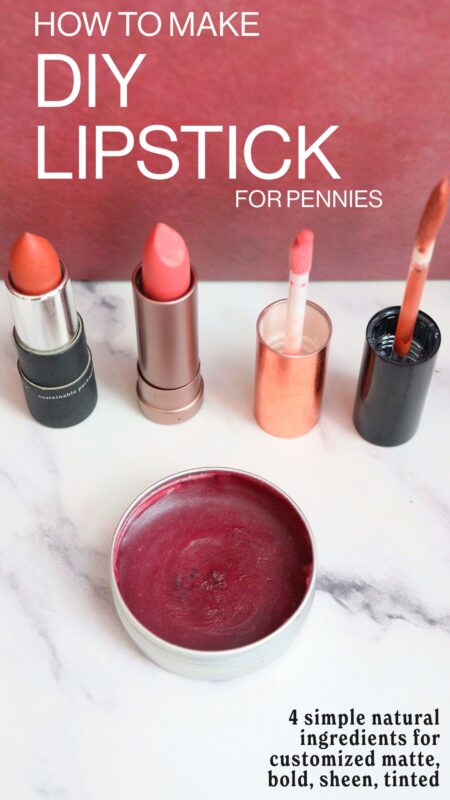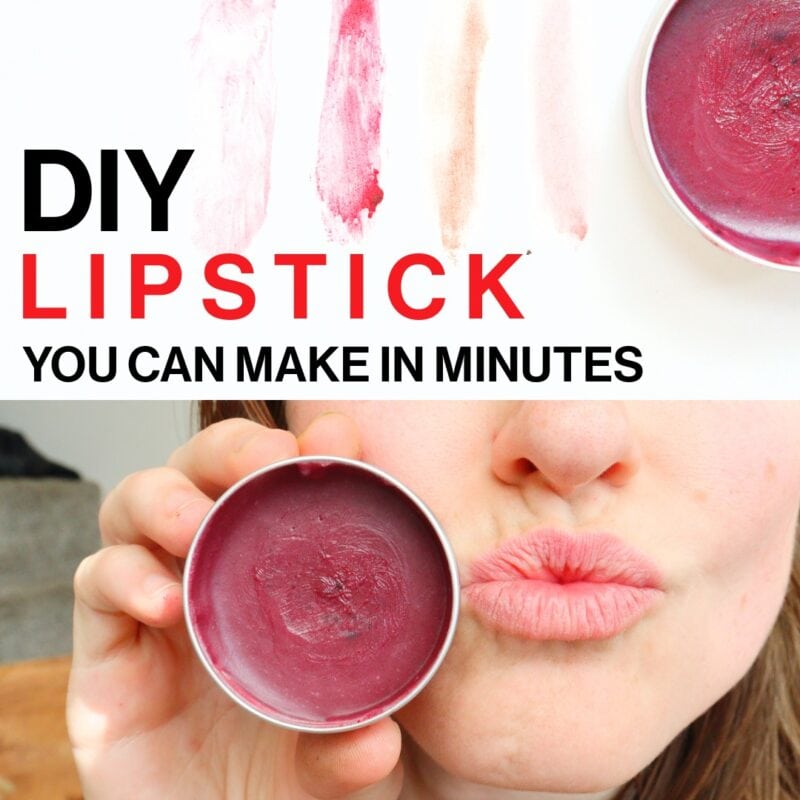













If you’re anything like us, you probably have a drawer full of half-used lipsticks—some dried out, others with questionable ingredients you can’t pronounce, and a few that just didn’t deliver what they promised. And let’s be real, buying clean beauty products can be pricey. That’s exactly why we make our own DIY lipstick at home.
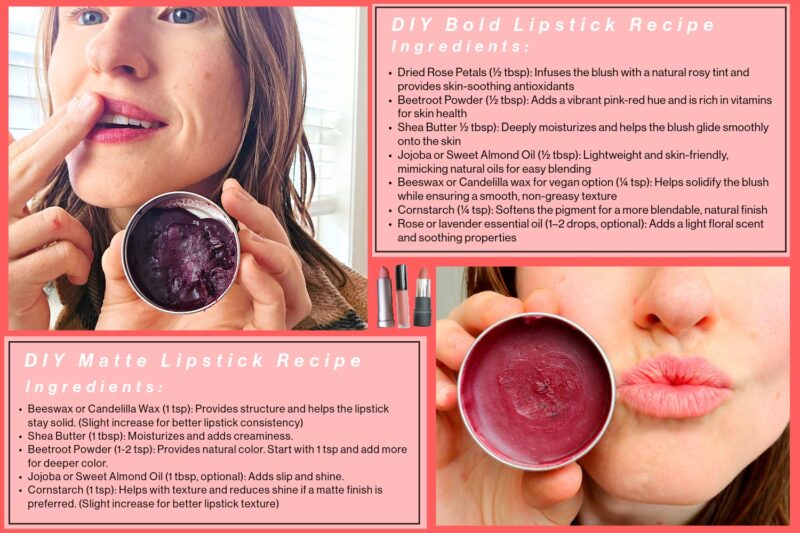
And the best part is that these recipes are super simple to make. One gives you a soft, natural tint like a homemade tinted lip balm (perfect for everyday wear), and the other is a bolder, rich red made with dried rose petals that feels super luxe without the nasty ingredients. In fact, both are made with all natural ingredients that are easily available and easily customizable for the perfect shade.
And did we mention the cost? Scroll to then end and we’ll show you the numbers (or tldr, they’re cheaper to make than buying a latte!).
So whether you’re looking to cut down on chemicals, save a little money, or just try something fun and creative, these recipes check all the boxes. Let’s make some lipstick, friend.
Index: DIY Lipstick
- Homemade Lipstick with Beetroot Recipe Jump to section
- Homemade Lipstick with Roses Recipe Jump to section
- Cost Savings of Making Your Own Lipstick Jump to section
- Why Make Your Own Lipstick Jump to section
Homemade Lipstick with Beetroot Recipe
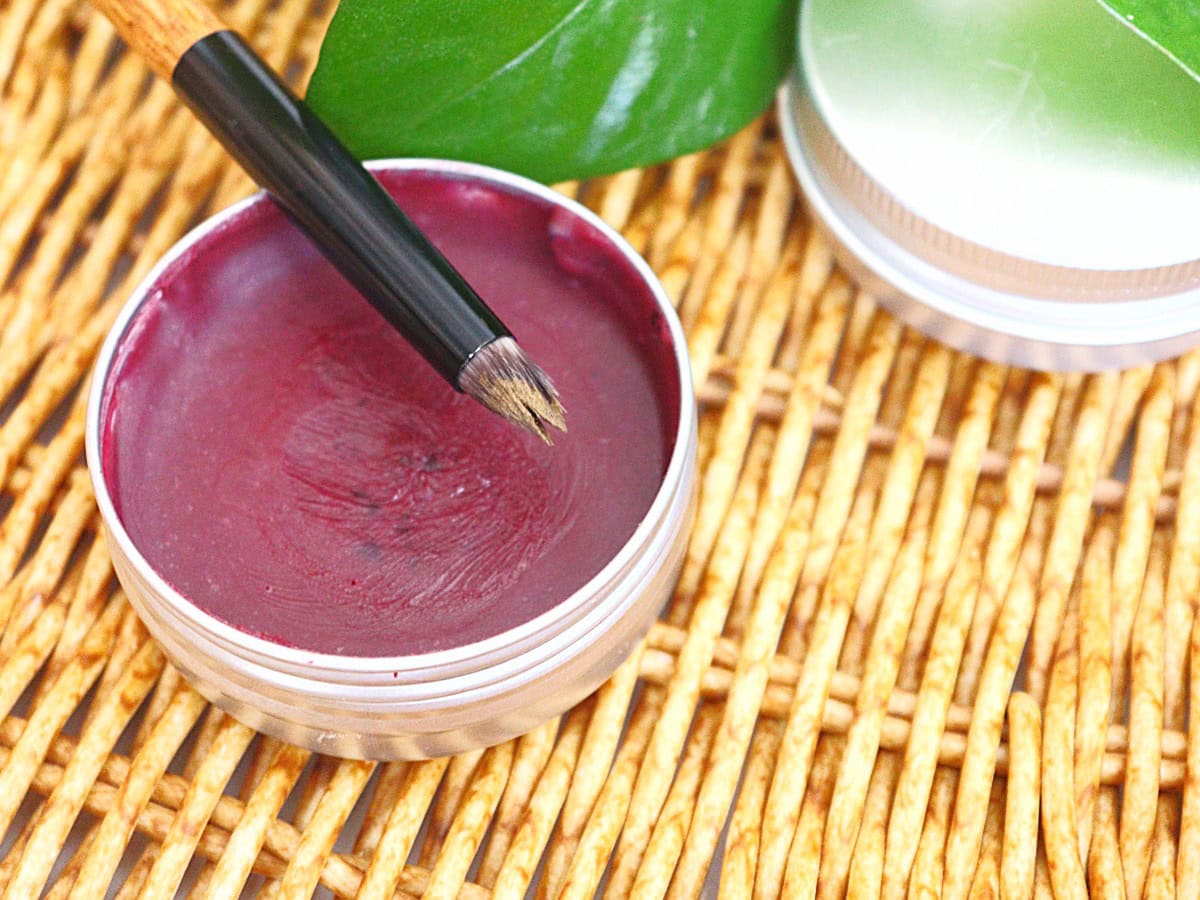
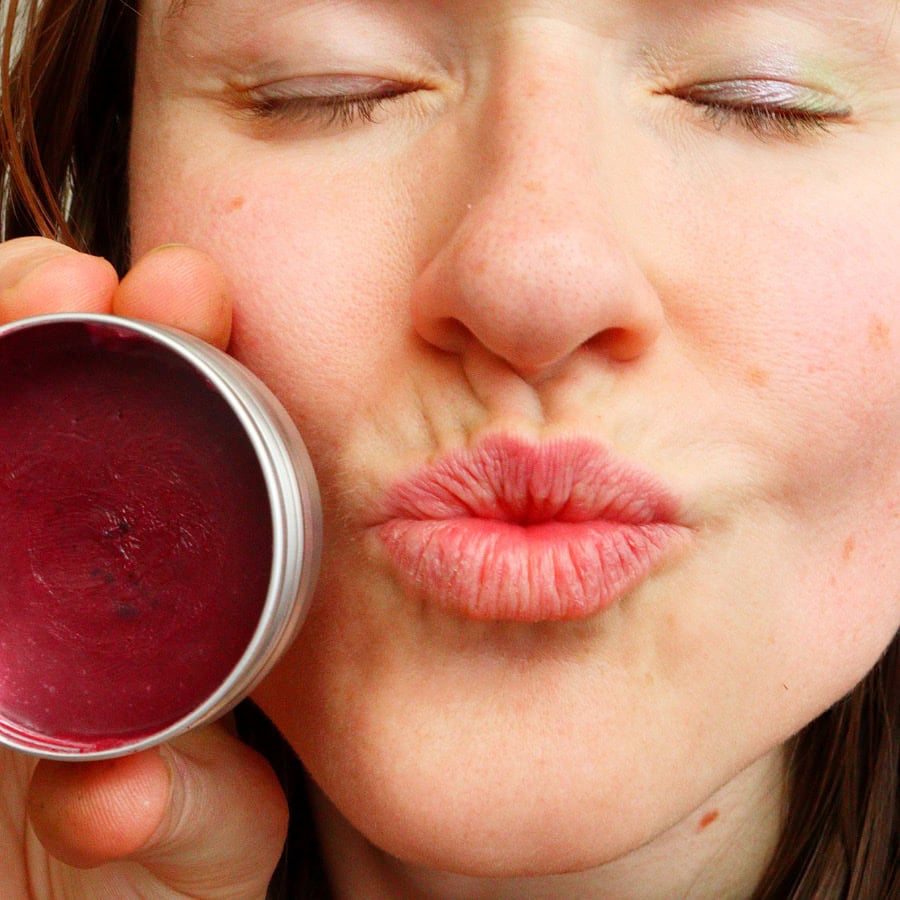
This recipe creates a creamy, semi-matte lipstick entirely free of synthetic chemicals. It prioritizes natural, skin-loving ingredients, which is especially important for sustainable lipstick. Unlike other areas of the body where skin acts as more of a barrier, the lips can readily absorb what’s applied to them. This means that not only is your lip product on your skin, but it’s also very easily in your body, as we often lick our lips or ingest small amounts of lipstick throughout the day.
Ingredients:
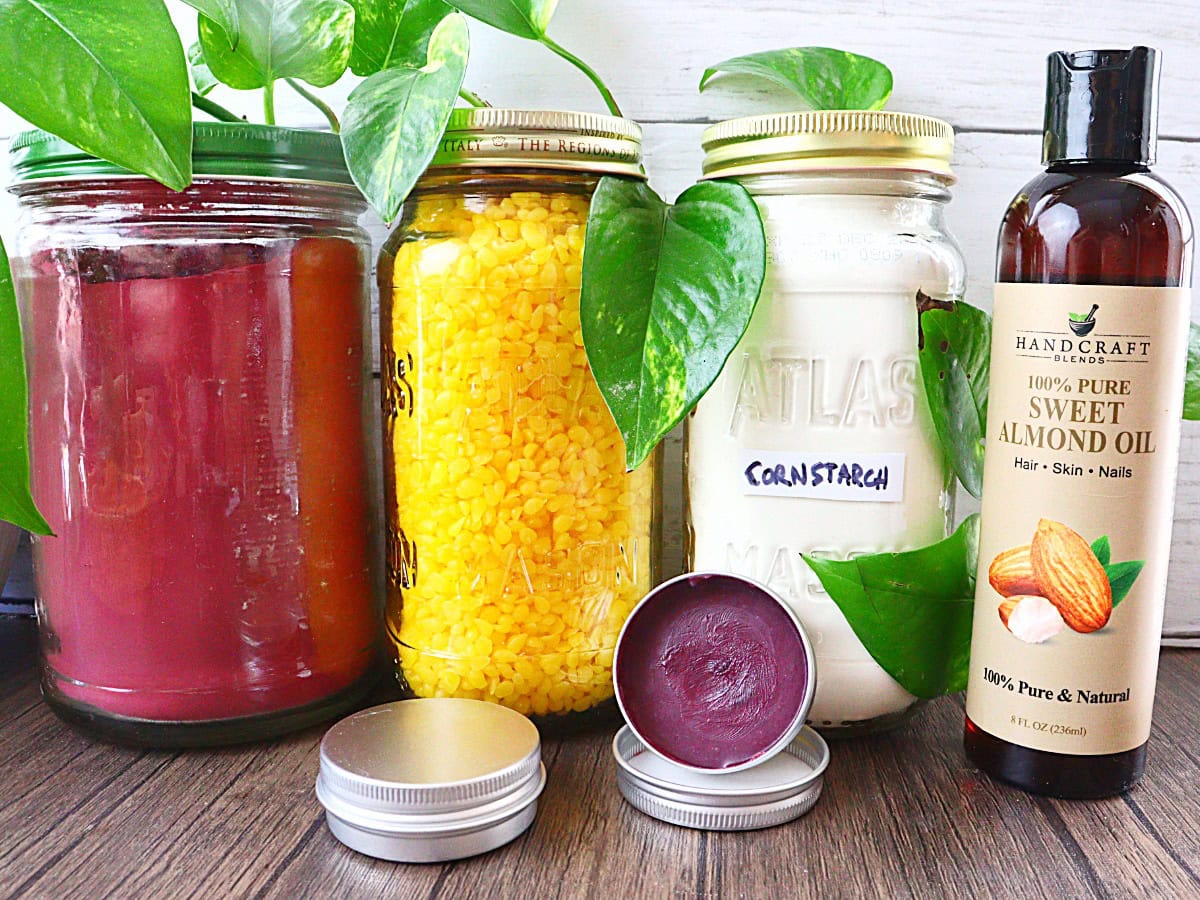
- Beeswax or Candelilla Wax (1 tsp): Provides structure and helps the lipstick stay solid. (Slight increase for better lipstick consistency)
- Shea Butter (1 tbsp): Moisturizes and adds creaminess.
- Beetroot Powder (1-2 tsp): Provides natural color. Start with 1 tsp and add more for deeper color.
- Jojoba or Sweet Almond Oil (1 tbsp, optional): Adds slip and shine.
- Cornstarch (1 tsp): Helps with texture and reduces shine if a matte finish is preferred. (Slight increase for better lipstick texture)
Instructions:
- In a double boiler (or a heat-safe bowl over simmering water), gently melt the beeswax and shea butter until fully liquid.
- Remove from heat and add the beetroot powder and cornstarch, stirring continuously to ensure even distribution. Beetroot powder provides a lovely natural color, but it may not be as intense as synthetic dyes. Start with a smaller amount and add more until you achieve your desired color.
- Stir in the jojoba or sweet almond oil, if adding. Note that this will make the formula more smooth and nourishing, but it will dilute the color and make it more of a tinted lip balm. For bolder, thicker color, omit this oil.
- Pour the mixture into lipstick tubes or small containers.
- Let it cool and solidify completely at room temperature (or in the fridge for faster setting).
- Store your homemade lipstick in a cool, dry place. It may melt in very hot weather.
Homemade Lipstick with Roses Recipe
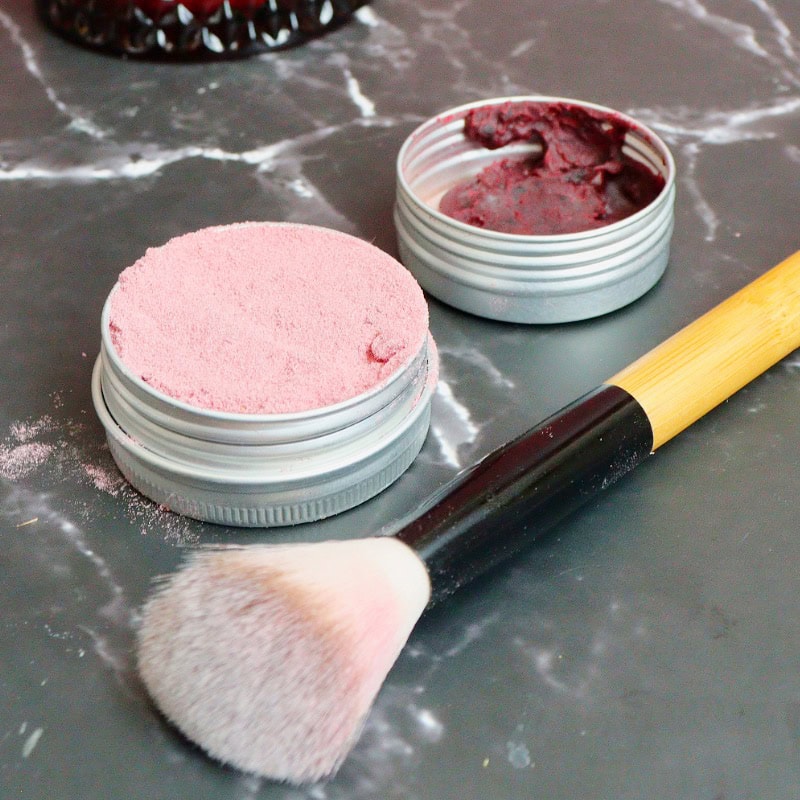
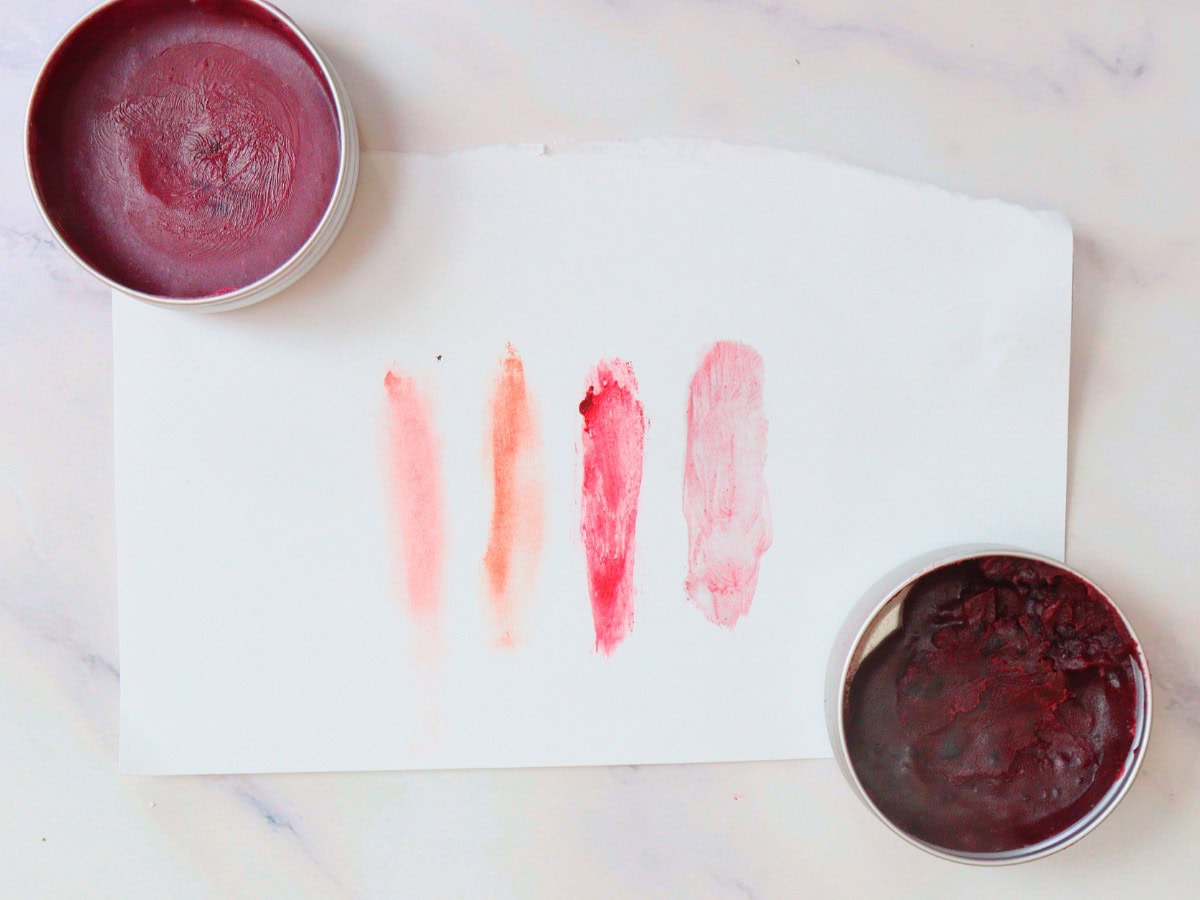
This recipe creates a rich, bold lipstick using natural rose petals for both color and skin benefits. The blend of dried rose petals, beetroot powder, and nourishing ingredients like shea butter and jojoba oil results in a smooth, deep rose lipstick that’s as good for your lips as it looks.
Ingredients:
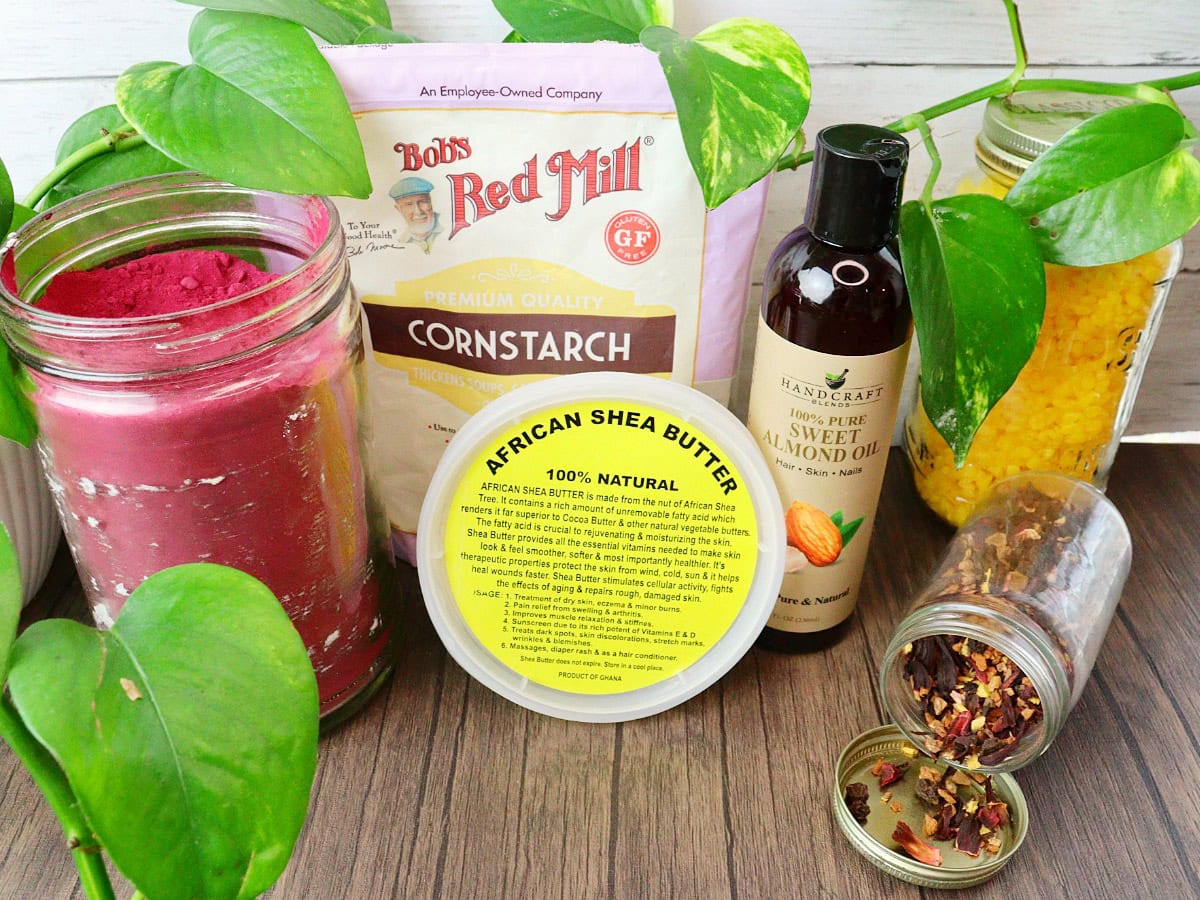
- Dried Rose Petals (½ tbsp): Infuses the blush with a natural rosy tint and provides skin-soothing antioxidants
- Beetroot Powder (½ tbsp): Adds a vibrant pink-red hue and is rich in vitamins for skin health
- Shea Butter (½ tbsp): Deeply moisturizes and helps the blush glide smoothly onto the skin
- Jojoba or Sweet Almond Oil (½ tbsp): Lightweight and skin-friendly, mimicking natural oils for easy blending
- Beeswax or Candelilla wax for vegan option (¼ tsp): Helps solidify the blush while ensuring a smooth, non-greasy texture
- Cornstarch (¼ tsp): Softens the pigment for a more blendable, natural finish
- Rose or lavender essential oil (1–2 drops, optional): Adds a light floral scent and soothing properties
Instructions:
- Infuse the oil with rose petals. In a small heat-safe bowl or jar, combine jojoba oil and dried rose petals. Heat using a double boiler (or a warm water bath) for about 30 minutes to extract the color and skin benefits.
- Strain out the petals, reserving the infused oil.
- In a double boiler, melt the shea butter and beeswax together until fully liquefied.
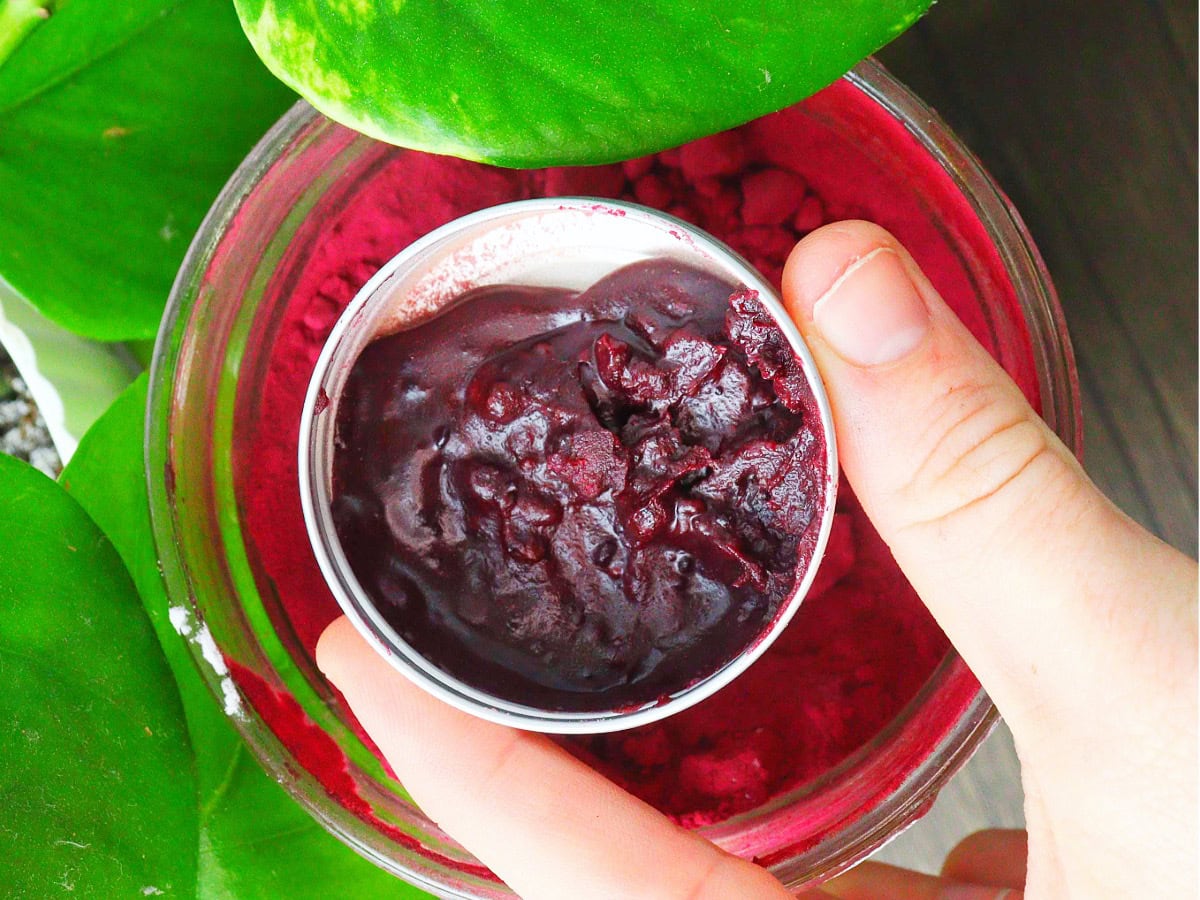
- Remove from heat and stir in the beetroot powder and cornstarch. Add more beetroot powder for a bolder shade or more arrowroot for a softer tone.
- Once mixed in, gradually add the rose-infused oil, mixing well until smooth and evenly colored.
- Transfer the mixture into a small tin, jar or lipstick tube and let it cool and solidify at room temperature. Store in a cool, dry place for up to 6 months.
Cost Savings of Making Your Own Lipstick
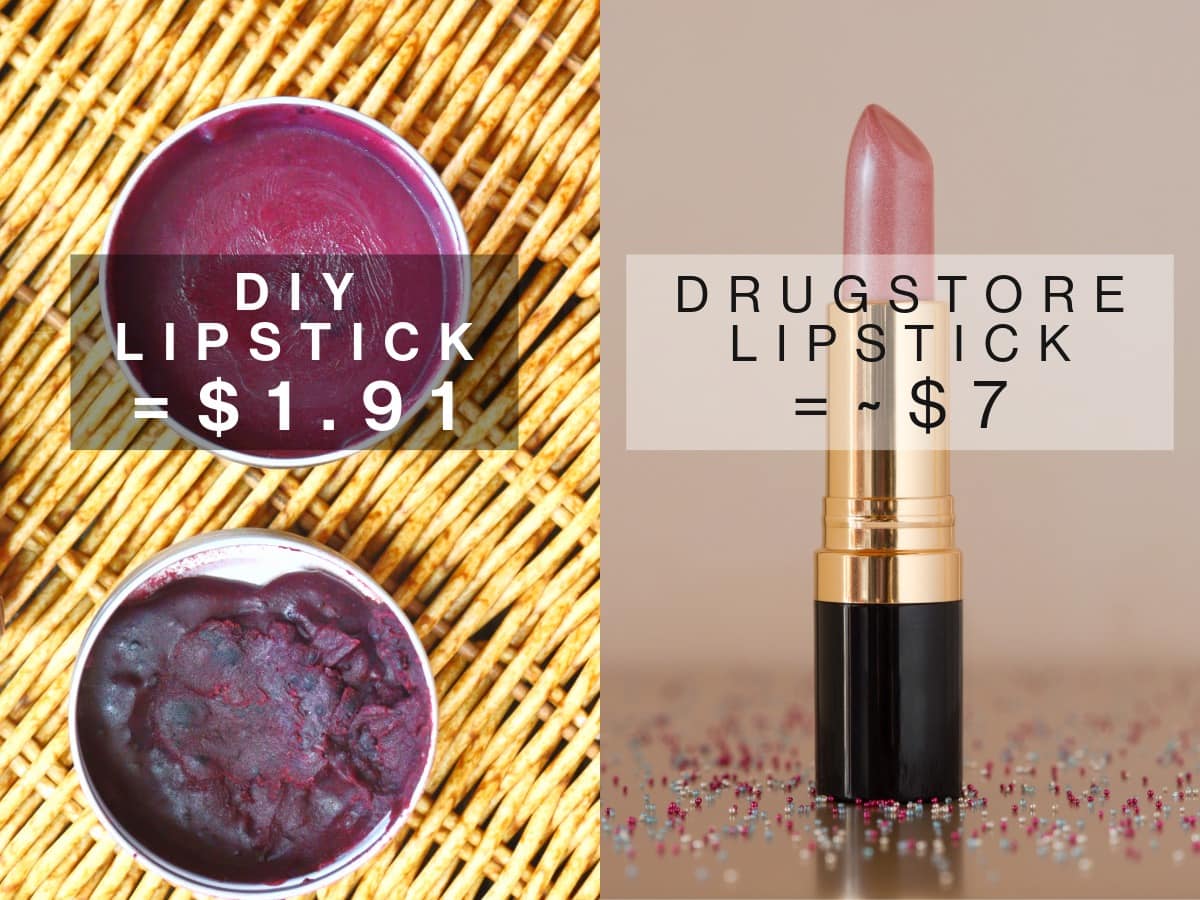
One of the best parts about making your own lipstick—besides knowing exactly what’s in it—is how much money you’ll save. While a single tube of store-bought lipstick can easily run you $7 or more, each batch of this DIY version costs less than $2 using pantry-friendly ingredients. That’s a savings of over $5 per tube—and with no mystery chemicals or filler ingredients, it’s a win for your wallet and your lips.
Cost Savings:
- Beeswax: $8 for a 15 oz bag (~$0.08 for 1 tsp)
- Shea Butter: $8 for an 8 oz tub (~$0.50 for 1 tbsp)
- Jojoba Oil: $7 for a 4 fl oz bottle (~$0.87 for 1 tbsp)
- Beetroot Powder: $10 for an 8 oz bag (~$0.40 for 2 tsp)
- Cornstarch: $5 for a 12 oz bag (~$0.06 for 1 tsp)
Cost per batch: ~$1.91
Store-Bought Equivalent: ~$7+ for 1 tube (e.g., L’Oréal Paris, Revlon, and similar cosmetic brands)
Savings per Batch: $5.09
Why Make Your Own Lipstick
Much like making your own beauty products like DIY vaseline, making your own lipstick isn’t just a fun, crafty alternative—it is a safer and healthier choice, too. Conventional drugstore lipsticks often contain a cocktail of synthetic ingredients, fillers, stadilizers, additives and questionable chemicals.
Many mainstream formulas include parabens (linked to hormone disruption), petroleum-derived oils like mineral oil (which can be contaminated with carcinogens), fragrance (a vague term that can mask dozens of unregulated chemicals), and synthetic dyes like Red 6 or Red 7 Lake, which are derived from coal tar or petroleum and have been flagged for potential health concerns.
Now this wouldn’t be an issue if it wasn’t for the fact that your lips absorb what you put on them, and we also ingest small amounts of lipstick throughout the day.
Research has shown that up to 75% of lipsticks contain lead—well above the FDA-recommended maximum for candy, which is ingested in similar ways. Another study found that average daily use of conventional lipstick could expose us to levels of metals like aluminum, cadmium, and chromium, which may accumulate in the body over time.
While a swipe of lipstick might seem harmless, these small, daily exposures can build up. So we prefer our own homemade makeup recipes in other words!

Amber obtained Bachelor of Arts degrees in English, Creative Writing, and Psychology from The University of Oxford and Arcadia University. She is an avid crafter, gardener, quail farmer, wannabe novelist, and self-proclaimed eco adventurer. From living in a camper van to living in a tiny house, she is enamored by the small and self-sufficient; and aspires to one day become an off-grid micro-farmer, bridging sustainability with non-toxic living and eating. With a passion for outdoor sports like rock climbing, skiing, and travel, having already backpacked across 30 countries, she is always up for the next big adventure while seeking ways to minimize her impact along the way.