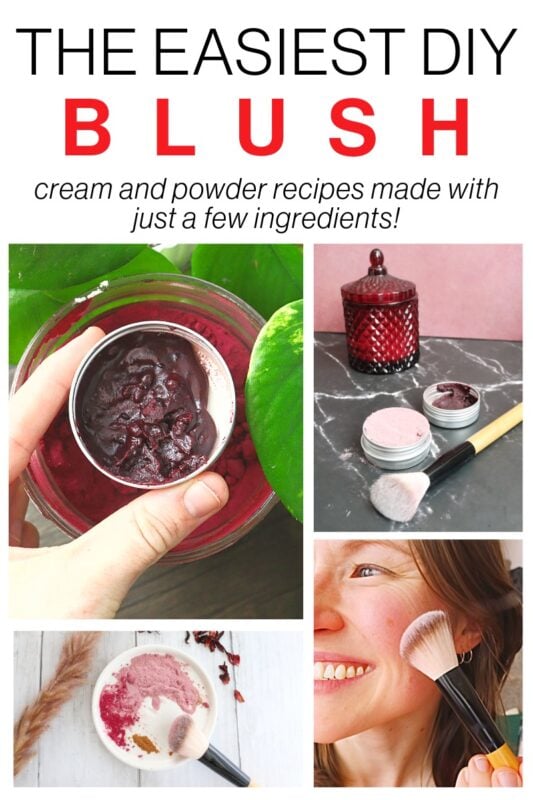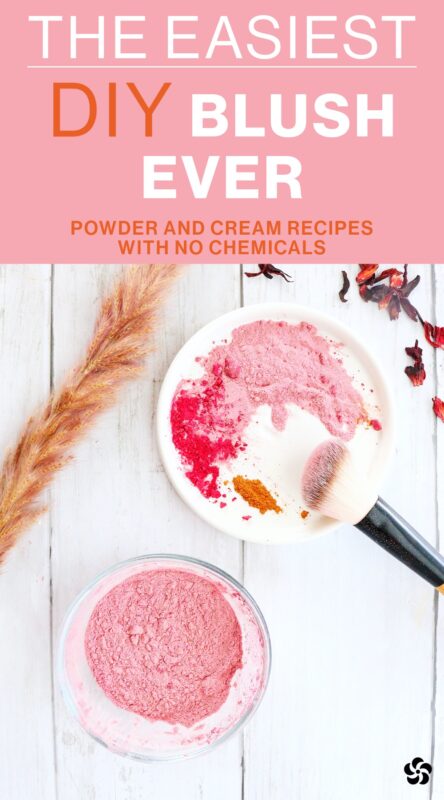













Whether you’re going for a soft, natural flush or a bold pop of color, a DIY blush recipe may be just the thing to bring a healthy glow to your cheeks without harmful additives, synthetics, preservatives, fillers, chemicals, parabens (we could go on…).
If you love the idea of clean, sustainable beauty and want to ditch store-bought blushes that are just not good for your skin, learning how to make your own homemade makeup is cost-effective, eco-friendly, and completely customizable to match your skin tone and preferences.
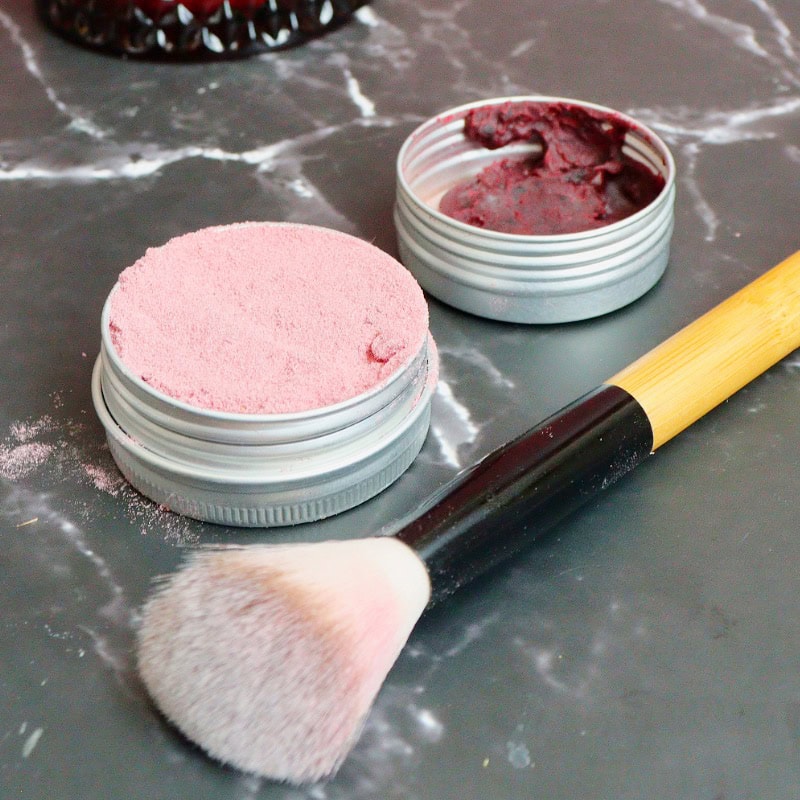
In this guide, we’re sharing two easy blush recipes: a lightweight powder blush for a soft, buildable flush and a nourishing DIY blush balm for a dewy, natural glow. Whether you prefer a silky, matte finish or a hydrating, blendable tint, these homemade blushes will have you blushing—if only in embarrassment that you didn’t make the switch sooner!
Index: Homemade Natural Blush Recipes
- DIY Natural Blush Powder Jump to section
- DIY Blush Cream Jump to section
- Cost Savings of Making Your Own Blush Jump to section
- Why Make Your Own Blush? Jump to section
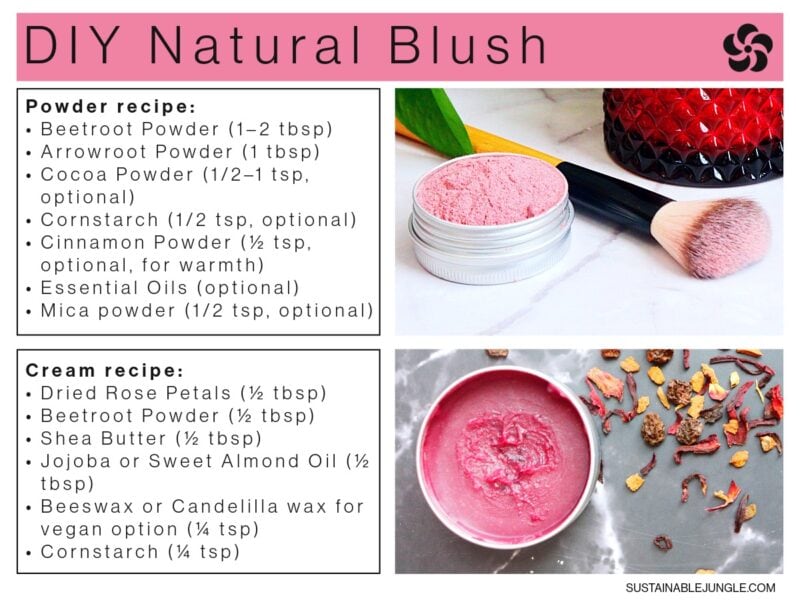
DIY Natural Blush Powder
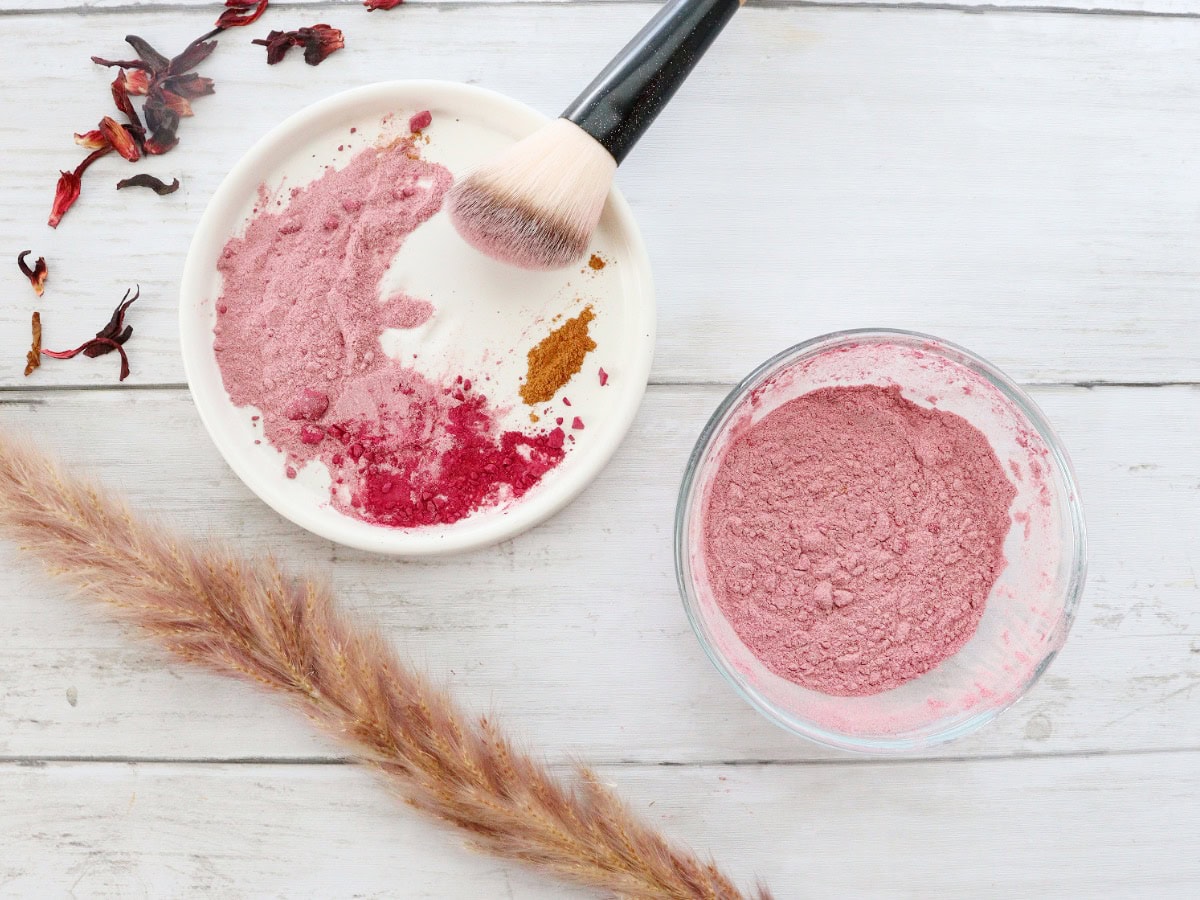
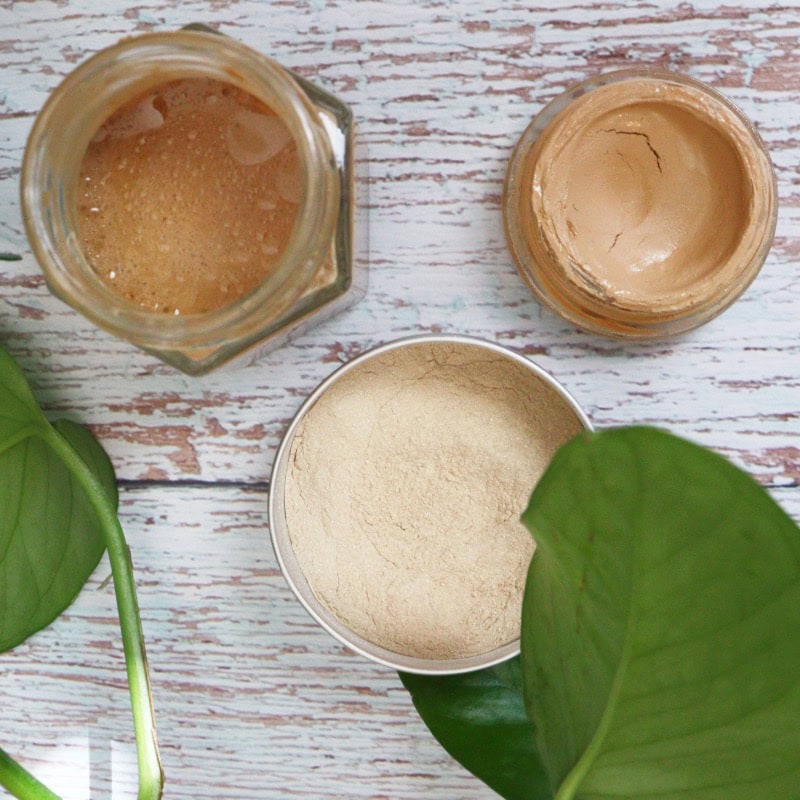
For those who prefer a lightweight, matte finish, DIY powder blush is ideal for oily or combination skin. It blends effortlessly, provides buildable coverage, and helps absorb excess oil throughout the day.
Plus, you can incorporate real floral botanicals into this recipe to infuse your makeup routine with some sensory satisfaction and an earthy feel.
As you’ll note from the ingredient list below, many of the potential additives are options, depending on your specific skin tone and desired effect. We encourage you to experiment with your initial recipe to find what works best for you—or create several suitable options to suit different occasions!
Ingredients:
- Beetroot Powder (1–2 tbsp): Known for its rich red pigment, beetroot powder gives a natural, rosy hue to the blush. It’s also packed with antioxidants that can benefit the skin.
- Arrowroot Powder (1 tbsp): This powder is a lightweight base that helps give the blush a smooth texture, allowing it to go on evenly. It also absorbs excess oil to keep your cheeks looking fresh.
- Cocoa Powder (1/2–1 tsp, optional): Adds depth to the blush color and creates a more neutral, brownish tint. It can be used to adjust the shade to suit your skin tone.
- Cornstarch (1/2 tsp, optional): Helps smooth out the texture of the blush and can lighten the color if it’s too dark.
- Cinnamon Powder (½ tsp, optional, for warmth): Adds a subtle warm undertone and boosts circulation
- Essential Oils (optional): For fragrance or additional skincare benefits. Lavender or rose oil works well for a light, soothing scent.
- Mica powder (1/2 tsp, optional): If you’re doing for a DIY glowy blush that adds a little shimmer to your cheeks, consider adding a touch of pink or white mica powder.
Instructions:
- In a small bowl, combine the beetroot powder and arrowroot powder. Adjust the beetroot powder amount to your desired color intensity. Note that beetroot powder tends to clump, so be sure to thoroughly break these up for an even color.
- If you want a deeper shade, mix in cocoa powder. For a lighter shade, add a little cornstarch. For shimmer, add mica powder.
- Mix the powders thoroughly to ensure an even consistency.
- Add a drop or two of essential oil for fragrance, if desired. Just be mindful there is no carrier oil here to dilute the potency of the oil, so you should always test oils on a small patch of skin behind the ear to check for sensitivities before adding and putting on your face.
- Store the mixture in a small container with a lid, and use a brush to apply the blush to your cheeks. You can layer the blush for a more intense color.
DIY Blush Cream
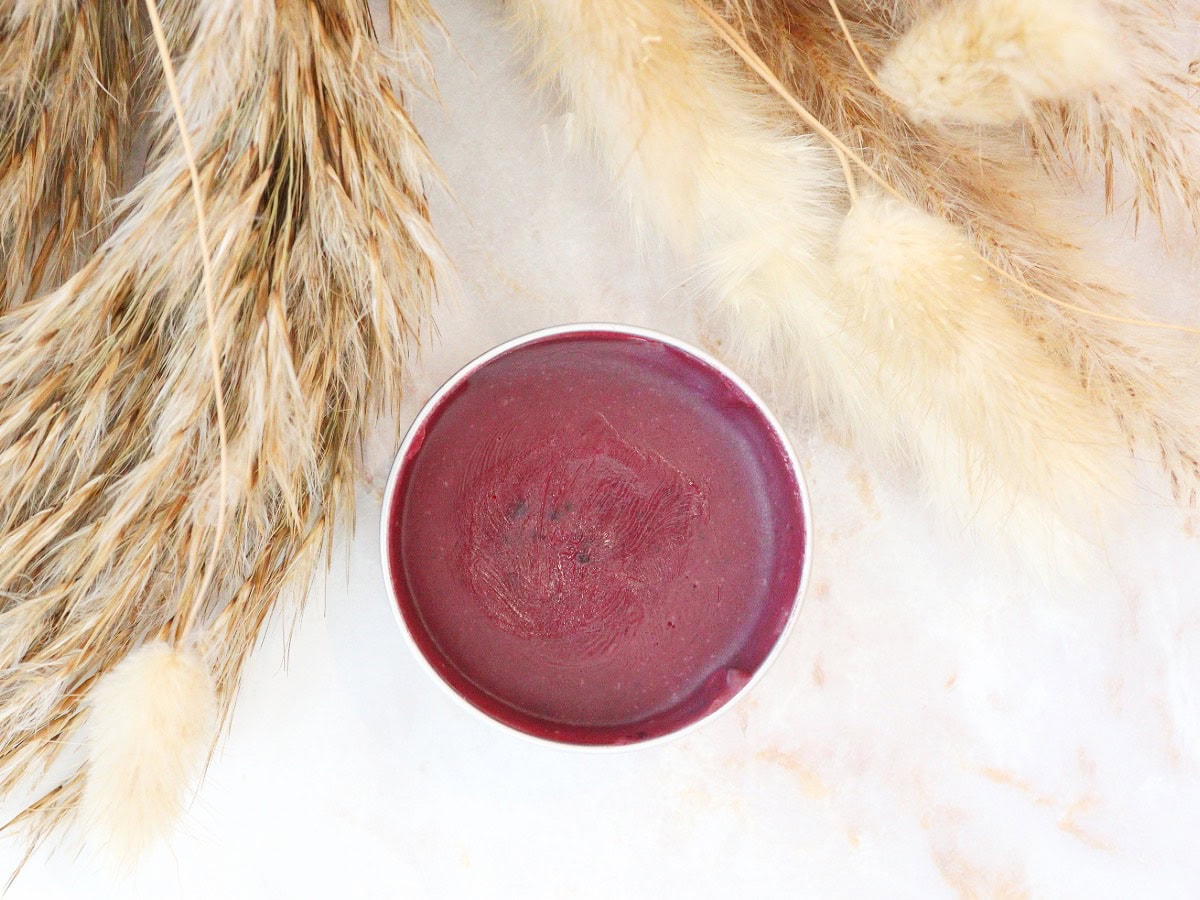
This natural cream blush recipe blends effortlessly for a dewy, rosy glow while nourishing the skin with botanical ingredients.
Ingredients:
- Dried Rose Petals (½ tbsp): Infuses the blush with a natural rosy tint and provides skin-soothing antioxidants
- Beetroot Powder (½ tbsp): Adds a vibrant pink-red hue and is rich in vitamins for skin health
- Shea Butter (½ tbsp): Deeply moisturizes and helps the blush glide smoothly onto the skin
- Jojoba or Sweet Almond Oil (½ tbsp): Lightweight and skin-friendly, mimicking natural oils for easy blending
- Beeswax or Candelilla wax for vegan option (¼ tsp): Helps solidify the blush while ensuring a smooth, non-greasy texture
- Cornstarch (¼ tsp): Softens the pigment for a more blendable, natural finish
- Rose or lavender essential oil (1–2 drops, optional): Adds a light floral scent and soothing properties
Instructions:
- Infuse the oil with rose petals. In a small heat-safe bowl or jar, combine jojoba oil and dried rose petals. Heat using a double boiler (or a warm water bath) for about 30 minutes to extract the color and skin benefits.
- Strain out the petals, reserving the infused oil.
- In a double boiler, melt the shea butter and beeswax together until fully liquefied.
- Remove from heat and stir in the beetroot powder and cornstarch. Add more beetroot powder for a bolder shade or more arrowroot for a softer tone.
- Once mixed in, gradually add the rose-infused oil, mixing well until smooth and evenly colored.
- If desired, add a drop or two of essential oil for extra skincare benefits and a pleasant scent.
- Transfer the mixture into a small tin or jar and let it cool and solidify at room temperature. Store in a cool, dry place for up to 6 months.
- Apply with clean fingers or a makeup brush, blending onto the cheeks for a natural flush.
Extra Customization Tips:
- For a peachy blush: Add a pinch of turmeric or hibiscus powder.
- For extra hydration: Swap jojoba oil or rosehip oil.
- For a dewy finish: Mix in a drop of natural highlighter like argan or coconut oil before applying.
Cost Savings of Making Your Own Blush
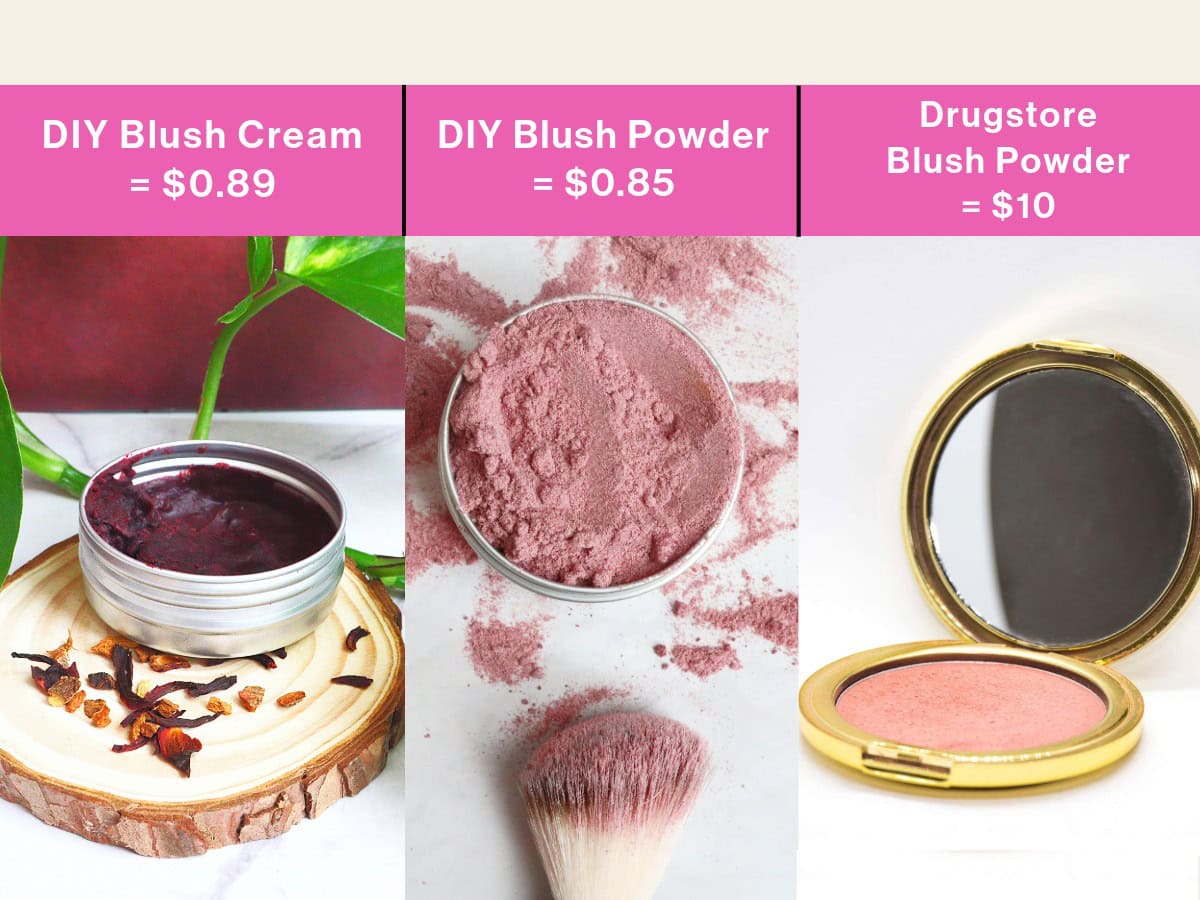
Store-bought blushes, especially natural and organic ones, can easily run between $15–$30. But if you make one of our DIY blush recipes, you can create multiple batches that are just as skin-safe at a fraction of the price.
Plus, the ingredients in your homemade version last longer, and you have the ability to create multiple shades to suit different occasions or seasons. Here’s the breakdown of how much you will save.
- DIY Blush Powder
- Beetroot Powder: $10 for an 8 oz bag (~$0.50 for 2 tbsp)
- Arrowroot Powder: $6 for an 8 oz bag (~$0.19 for 1 tbsp)
- Cocoa Powder: $6 for an 8 oz container (~$0.06 for ½ tsp)
- Cinnamon Powder: $6 for a 2 oz jar (~$0.02 for 1/2 tsp)
- Cornstarch: $5 for a 12 oz bag (~$0.03 for 1/2 tsp)
- Mica Powder: $13 for a 30 oz bag (~$0.04 for 1/2 tsp)
- Essential Oils: $7 for 1 fl oz bottle (~$0.01 for 1-2 drops)
Cost per batch: ~$0.85
Store-Bought Equivalent: ~$10+ for 0.3 oz loose powder sifter (e.g.,KYDA, or similar mineral blush options)
Savings per Batch: $11.15
- DIY Blush Cream
- Dried Rose Petals: Free if drying yourself or $16 for a 6 oz bag (~$0.05 or ½ tbsp)
- Beetroot Powder: $10 for an 8 oz bag (~$0.12 for ½ tbsp)
- Shea Butter: $8 for an 8 oz tub (~$0.25 for ½ tbsp)
- Jojoba Oil: $7 for a 4 fl oz bottle (~$0.43 for ½ tbsp)
- Beeswax: $8 for a 15 oz bag (~$0.02 for ¼ tsp)
- Cornstarch: $5 for a 12 oz bag (~$0.01 for ¼ tsp)
- Essential Oils: $7 for 1 fl oz bottle (~$0.01 for 1-2 drops)
Cost per batch: ~$0.89
Store-Bought Equivalent: ~$11+ for a 0.3 oz compact (e.g., Pacifica and similar cosmetic brands)
Savings per Batch: $10.11
Why Make Your Own Blush?
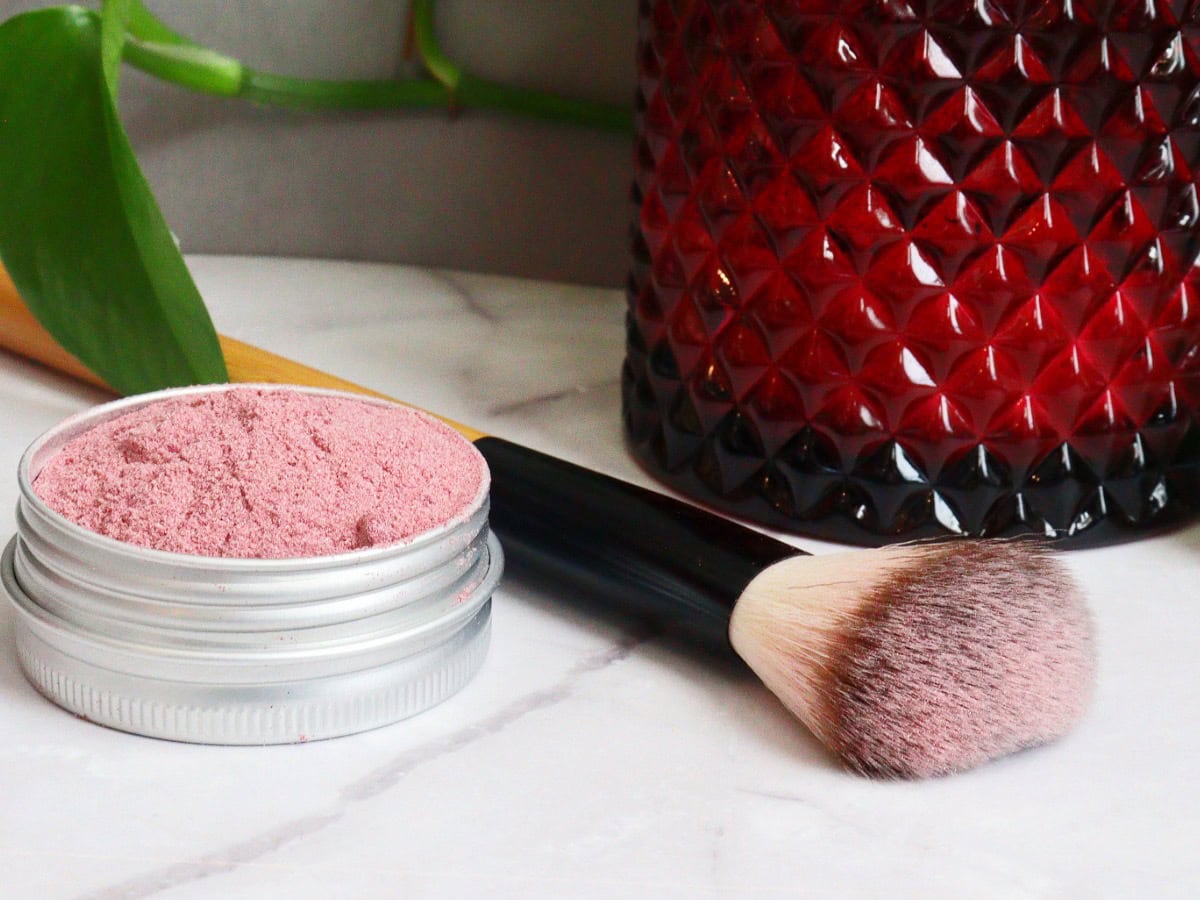
We like rosy cheeks as much as the next person, but we hope that rosiness is the result of the blush’s color and not skin irritation that may result from the ingredients in it. Unfortunately most (all?) conventional blushes are filled with synthetic dyes, parabens, fillers, synthetics and preservatives that may (probably will) irritate sensitive skin.
Here are some common harmful ingredients you very likely to see in store-bought blush:
- Synthetic Dyes: Artificial colorants that can cause skin irritation or allergic reactions.
- Parabens: Preservatives linked to hormone disruption and skin irritation.
- Fragrance: Synthetic fragrances can be irritating to the skin and even cause headaches or allergic reactions.
- Talc: A mineral that has been linked to respiratory issues and is often contaminated with asbestos in its raw form.
You can see why we’re big proponents of DIY beauty products (from homemade body moisturizers to DIY lipstick and face masks). Beyond the costs, the health considerations alone make this little bit of effort well worth it.

Amber obtained Bachelor of Arts degrees in English, Creative Writing, and Psychology from The University of Oxford and Arcadia University. She is an avid crafter, gardener, quail farmer, wannabe novelist, and self-proclaimed eco adventurer. From living in a camper van to living in a tiny house, she is enamored by the small and self-sufficient; and aspires to one day become an off-grid micro-farmer, bridging sustainability with non-toxic living and eating. With a passion for outdoor sports like rock climbing, skiing, and travel, having already backpacked across 30 countries, she is always up for the next big adventure while seeking ways to minimize her impact along the way.