












What would your skin say about its current beauty routine? “Send hydration. Ditch the chemicals.” or maybe ” quit with the harsh synthetics already” or perhaps something else with a few more direct choice words.
Whatever the case may be, our faces go through a lot—sun, wind, stress, late nights—and often skincare treatments that aren’t as nourishing as we’d hope them to be.
Just peek at most store-bought face creams and you’ll find a long list of ingredients that sound better suited for a science experiment. These additives, synthetics, artificial fragrances and more are just not meant to be applied to your skin.
That’s why we’re obsessed with homemade beauty products like our DIY face cream recipe: it’s simple, soothing, wallet-friendly, customizable to suit all skin types and full of ingredients your skin actually wants to swipe right on.
Index: Homemade Face Cream
- DIY Face Moisturizer Recipe Jump to section
- Cost Savings of Making Your Own Face Cream Jump to section
- Why Make Your Own Face Moisturizer? Jump to section
DIY Face Moisturizer Recipe

This natural face moisturizer uses simple and nourishing ingredients that are gentle on the skin. The combination of aloe vera gel, jojoba oil, and shea butter works to hydrate, balance, and repair the skin without clogging pores or leaving a greasy residue.
It can also be applied more thickly and left on to create a DIY face moisturizer mask for deeper, more intense hydration. Just a minor tweak of the ingredients and voila! Your own customized homemade face mask.
Some recommend adding essential oils, but because many of these are not suitable for sensitive skin, we always recommend omitting these when applying DIY makeup or any homemade product of any kind to sensitive face skin.
Ingredients:
- Aloe Vera Gel (2 tbsp): Aloe vera is known for its soothing properties and is especially beneficial for irritated or sensitive skin. It helps to hydrate without being too heavy and is a great anti-inflammatory.
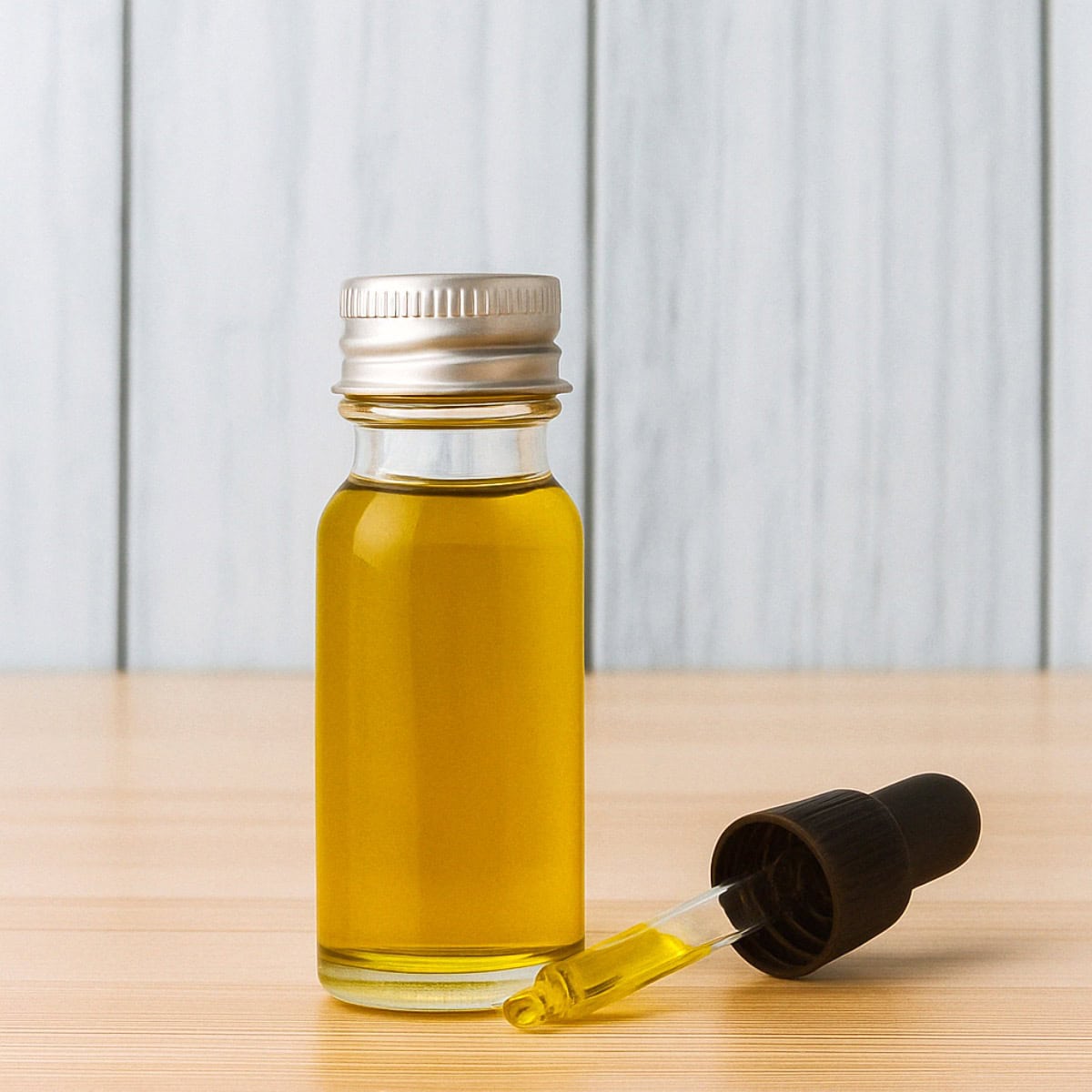
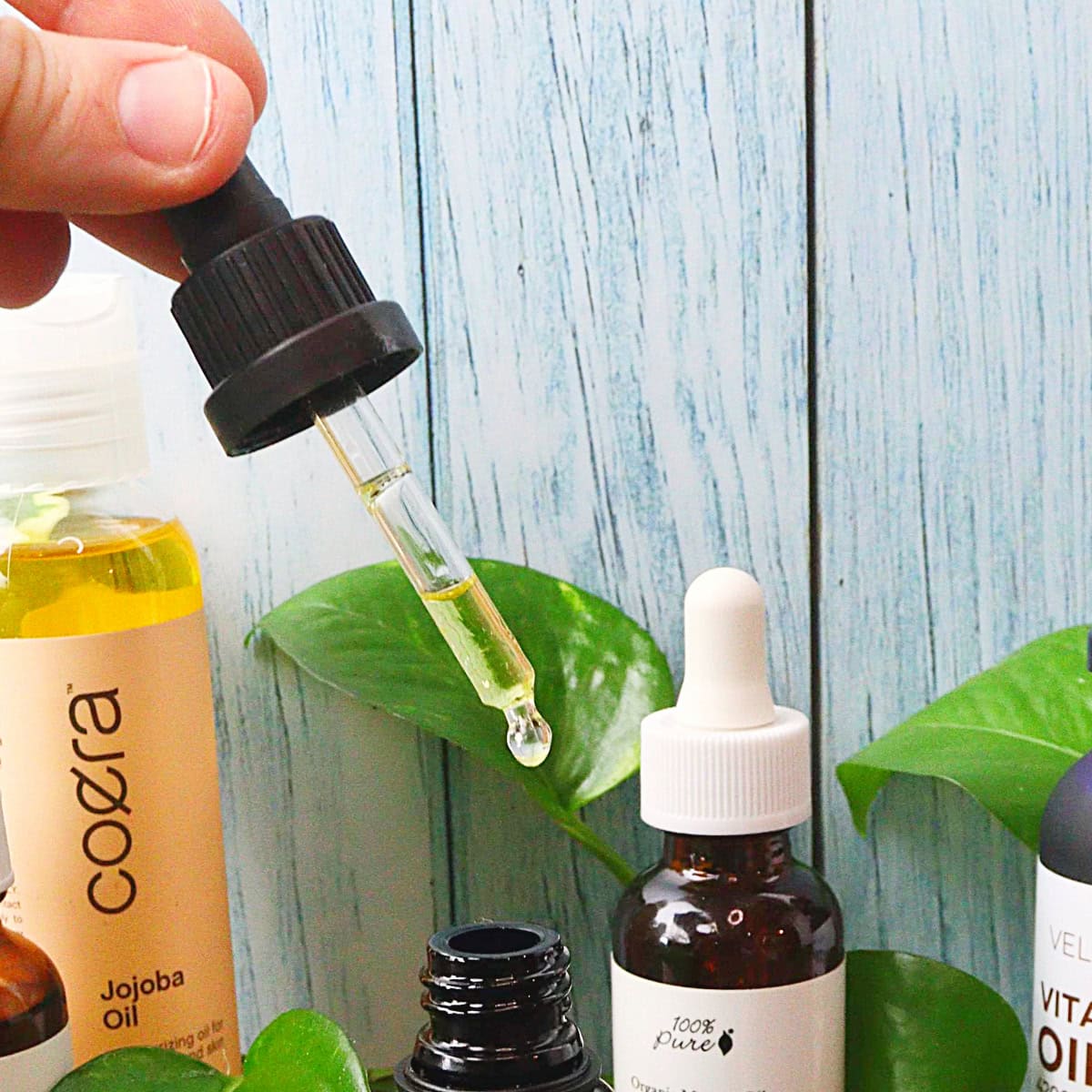
- Jojoba Oil (1 tbsp): Jojoba oil closely resembles the skin’s natural oils, making it an excellent moisturizer for all skin types. It absorbs quickly and helps balance oil production without clogging pores.
- Shea Butter (2 tbsp): Shea butter is rich in fatty acids and antioxidants, making it perfect for deeply moisturizing and nourishing dry or mature skin. It also helps to lock in moisture for lasting hydration.
- Matcha powder (1/2 tbsp, optional): Detoxifies, purifies, and soothes skin, especially acne. Also packed with catechins, a type of polyphenol that helps fight free radicals, reduce oxidative stress and premature aging (making it excellent for under eye creams), and repair damage from UV exposure and environmental pollutants.
- Vitamin E Oil (5 drops, optional): Vitamin E is an antioxidant that helps protect the skin from environmental damage and promotes healing. It’s optional but a great addition for added skin protection.
- Raw Honey (½ tsp, optional): Has extra humectant properties to lock in moisture.
Customization Options:
- For Extra Dry Skin: Swap jojoba oil for sweet almond oil or argan oil (both deeply nourishing), or increase shea butter to 3 tbsp for a richer texture.
- For Oily or Acne-Prone Skin: Replace shea butter with mango butter (lighter and non-greasy).
- For An organic tinted moisturizer: Add a little cocoa powder to match your skin tone.
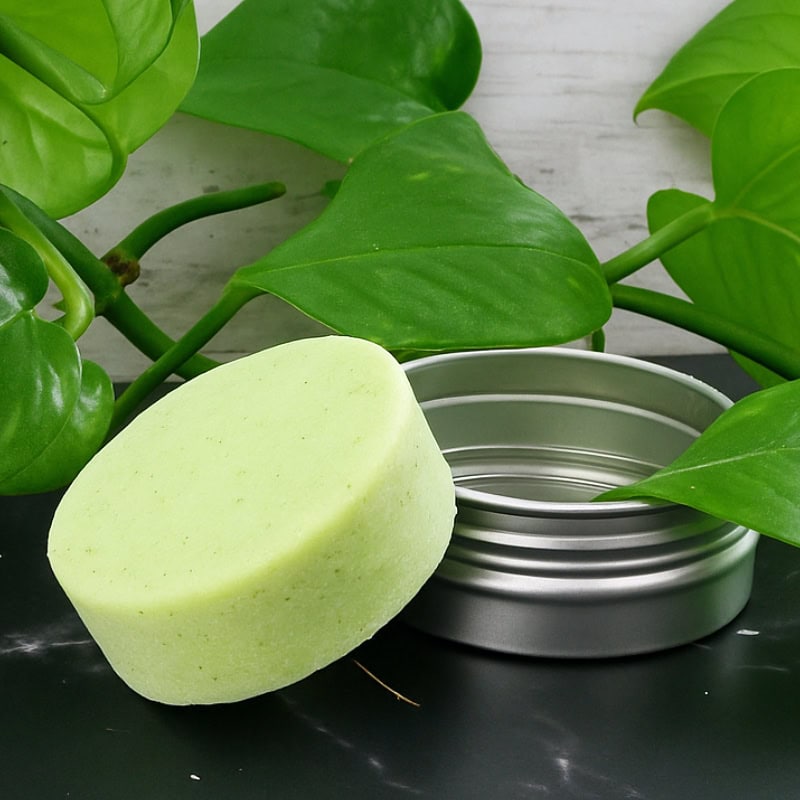
- For a solid bar version: Add 1 tablespoon of beeswax (or candelilla wax for a vegan option) and for extra firmness add an additional 1 tablespoon of cocoa butter or mango butter (along with or instead of shea butter).

Instructions:
- In a double boiler (or a heat-safe bowl over a pot of simmering water), melt the shea butter over low heat until fully liquefied. Remove from heat and let it cool slightly, but not solidify.
- Stir in the jojoba oil while the shea butter is still warm, ensuring they blend well.
- Slowly whisk in the aloe vera gel until the mixture starts to emulsify.
- Add the vitamin E oil and/or honey (if using) and mix thoroughly
- Sift in the matcha powder to prevent clumping and stir well.
- Transfer the cream to a clean, airtight jar or tin.
Instructions (for solid bar version):
-
When melting the shea butter, also add the beeswax (and cocoa/mango butter, if using) into the double boiler at the same time.
-
Melt completely and proceed with the rest of the original recipe: stirring in jojoba oil, aloe vera gel, optional ingredients (vitamin E, honey, matcha), etc.
-
Once fully combined, pour the mixture into a clean tin or silicone mold instead of a jar.
-
Let it cool and solidify at room temperature or in the fridge.
Cost Savings of Making Your Own Face Cream

Natural skincare doesn’t have to mean expensive skincare. With a few nourishing pantry staples—like shea butter, aloe vera, and jojoba oil—you can whip up your own luxe DIY facial moisturizer for a fraction of the price.
This recipe costs just around $3.35 for about 3 fl oz (roughly $1.12 per ounce). Compare that to a $25 store-bought moisturizer (for less than 2 oz!) and the savings speak for themselves: around $24.75 saved per batch—and even more when you skip the fancy marketing and mystery ingredients. Here’s the numbers.
DIY Natural Face Moisturizer
- Shea Butter: $8 for an 8 oz tub (~$1.00 for 2 tbsp)
- Aloe Vera Gel: $12 for a 12 fl oz bottle (~$1.00 for 2 tbsp)
- Jojoba Oil: $7 for a 4 fl oz bottle (~$0.87 for 1 tbsp)
- Matcha Powder: $10 for a 4 oz bag (~$0.20 for ½ tbsp)
- Vitamin E Oil: $6 for a 2 fl oz bottle (~$0.25 for ½ tsp)
- Raw Honey: $11 for a 32 oz bottle (if not organic) (~$0.03 for ½ tsp)
Cost per batch: ~$3.35 (recipe makes about 3 fl oz, equivalent to $1.12 per fl oz)
Store-Bought Equivalent: ~$25 for a 1.7 fl oz jar (e.g., Olay, Neutrogena, and similar mid-tier natural skincare brands)
Savings per Batch: $24.75
Why Make Your Own Face Moisturizer?
While store-bought face creams promise smooth, hydrated skin, many are packed with synthetic ingredients that can do more harm than good—especially for sensitive or acne-prone skin. Here are some common culprits to watch out for:
-
Parabens: Widely used as preservatives, parabens (like methylparaben and propylparaben) have been linked to hormone disruption and allergic skin reactions.
-
Artificial Fragrances: Fragrance blends often contain dozens of undisclosed chemicals that can trigger irritation, allergies, migraines, and long-term skin sensitization.
-
Mineral Oil: Although refined for cosmetic use, mineral oil can clog pores, trap bacteria, and contribute to breakouts, particularly for oily or sensitive skin types.
-
Drying Alcohols: Ingredients like denatured alcohol (alcohol denat.) can strip your skin’s natural barrier, leading to dryness, sensitivity, and irritation over time.
-
Dimethicone: This silicone-based ingredient creates a silky feel but forms a film over the skin that can trap dirt, bacteria, and oil, potentially worsening breakouts for some users.
-
Sodium Lauryl Sulfate (SLS): Though primarily found in cleansers, SLS sometimes sneaks into moisturizers and is known to disrupt the skin barrier.
Choosing a DIY lotion bar or homemade body lotion or any DIY facial oil that’s made with simple, recognizable ingredients can help nourish your skin—without the baggage of unnecessary additives.

Amber obtained Bachelor of Arts degrees in English, Creative Writing, and Psychology from The University of Oxford and Arcadia University. She is an avid crafter, gardener, quail farmer, wannabe novelist, and self-proclaimed eco adventurer. From living in a camper van to living in a tiny house, she is enamored by the small and self-sufficient; and aspires to one day become an off-grid micro-farmer, bridging sustainability with non-toxic living and eating. With a passion for outdoor sports like rock climbing, skiing, and travel, having already backpacked across 30 countries, she is always up for the next big adventure while seeking ways to minimize her impact along the way.