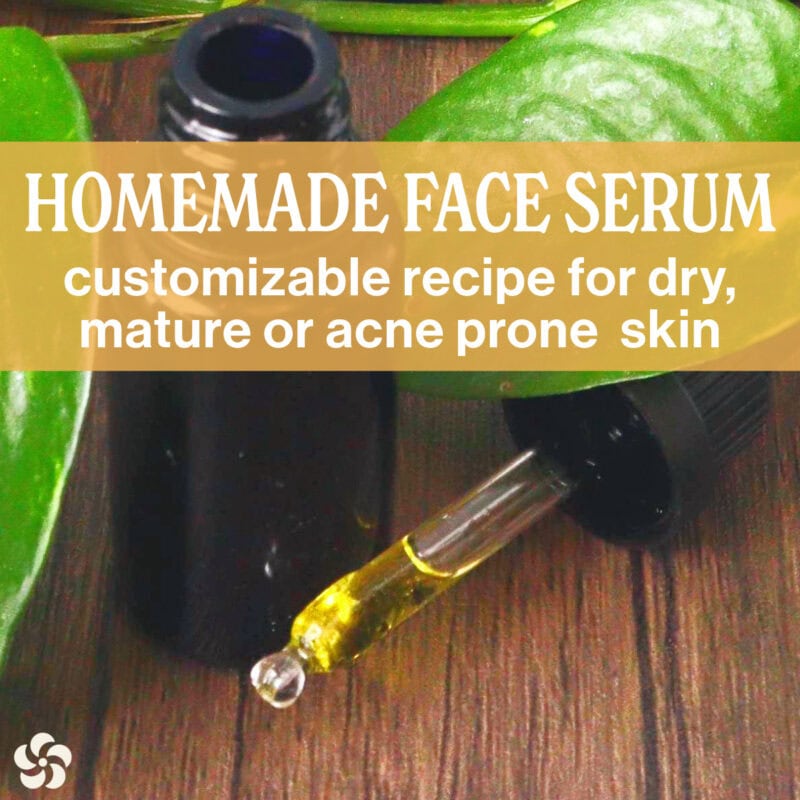














Out of the endless variety of homemade products, DIY facial oil has to be one of the easiest to make. In fact it was one of the first tried and tested recipes we tinkered with.
But beyond the convenience of whipping up your own version, there are other obvious benefits that make the small amount of effort totally worth it.
Store-bought serums and oils can feel heavy, they’re overpriced when you look at how much the ingredients needed actually cost (more on that at the end of the article), and they’re filled with mystery additives that don’t always play nice with your skin.
Instead, our lightweight, skin-loving homemade facial oil recipe uses simple all natural ingredients that you can customize to suit your skin’s needs. No synthetic fragrances, no fillers, and no plastic packaging to toss—just pure, plant-based goodness your skin will drink up.
So if you want our cheat-sheet on how to make own version that hydrates, balances, and leaves your skin soft, dewy, and glowing, read on!
Index: Homemade Facial Oil
- DIY Facial Oil Recipe Jump to section
- Cost Savings of Making Your Own Face Serum Jump to section
- Why Make Your Own Face Serum Jump to section
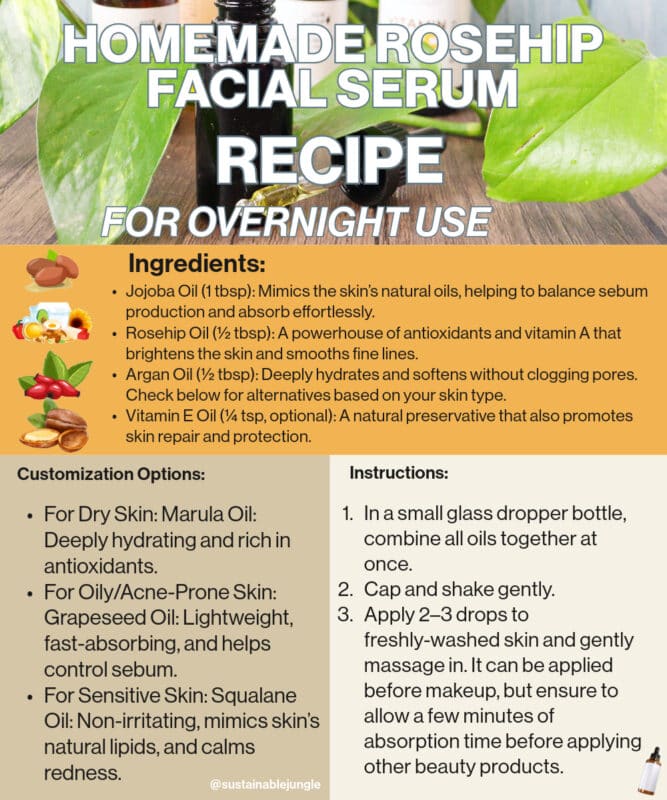
DIY Facial Oil Recipe
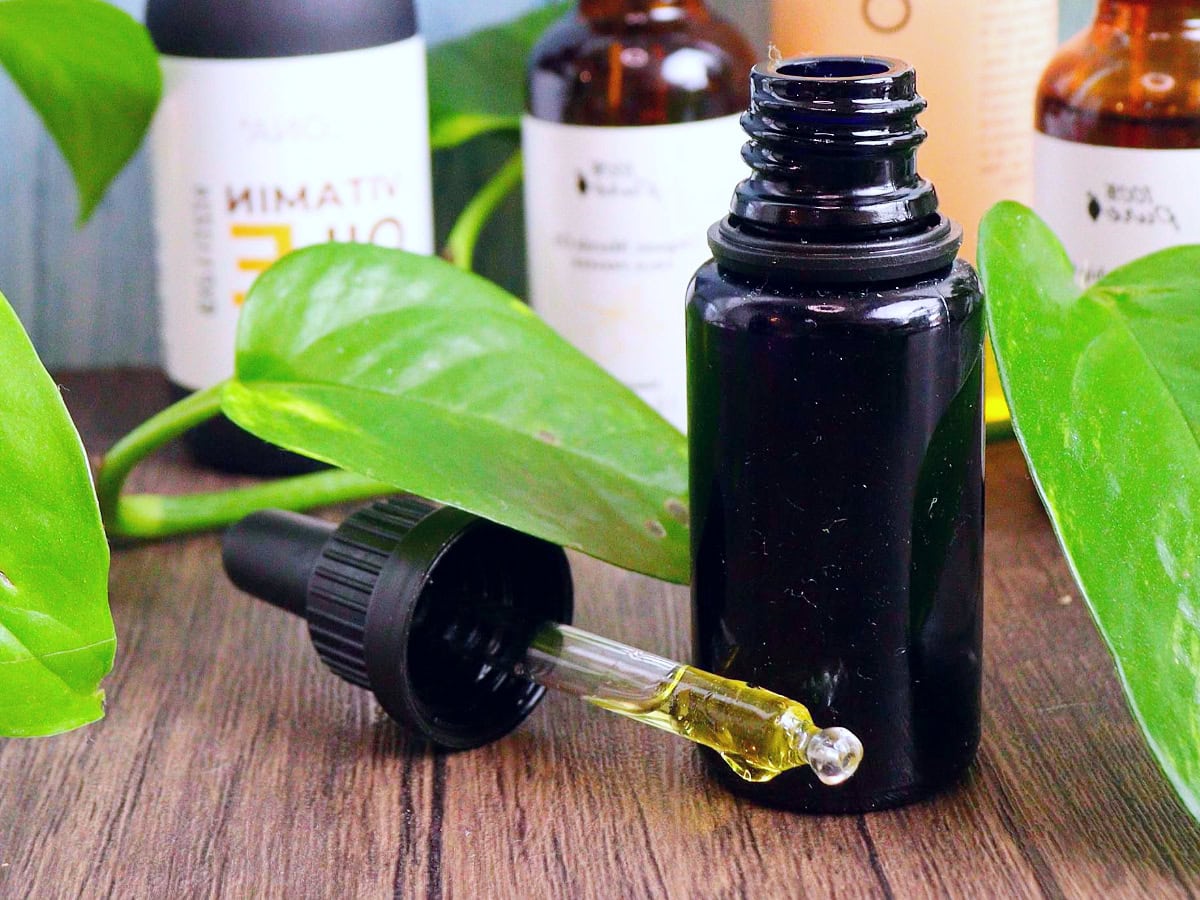
This DIY natural facial mositurizer is packed with botanical goodness to lock in hydration, restore balance, and leave your skin feeling soft and radiant. Lightweight yet deeply nourishing, it absorbs quickly without clogging pores. We typically use this as an overnight serum but can be applied for day use to suit whatever your beauty routine needs are.
Ingredients:
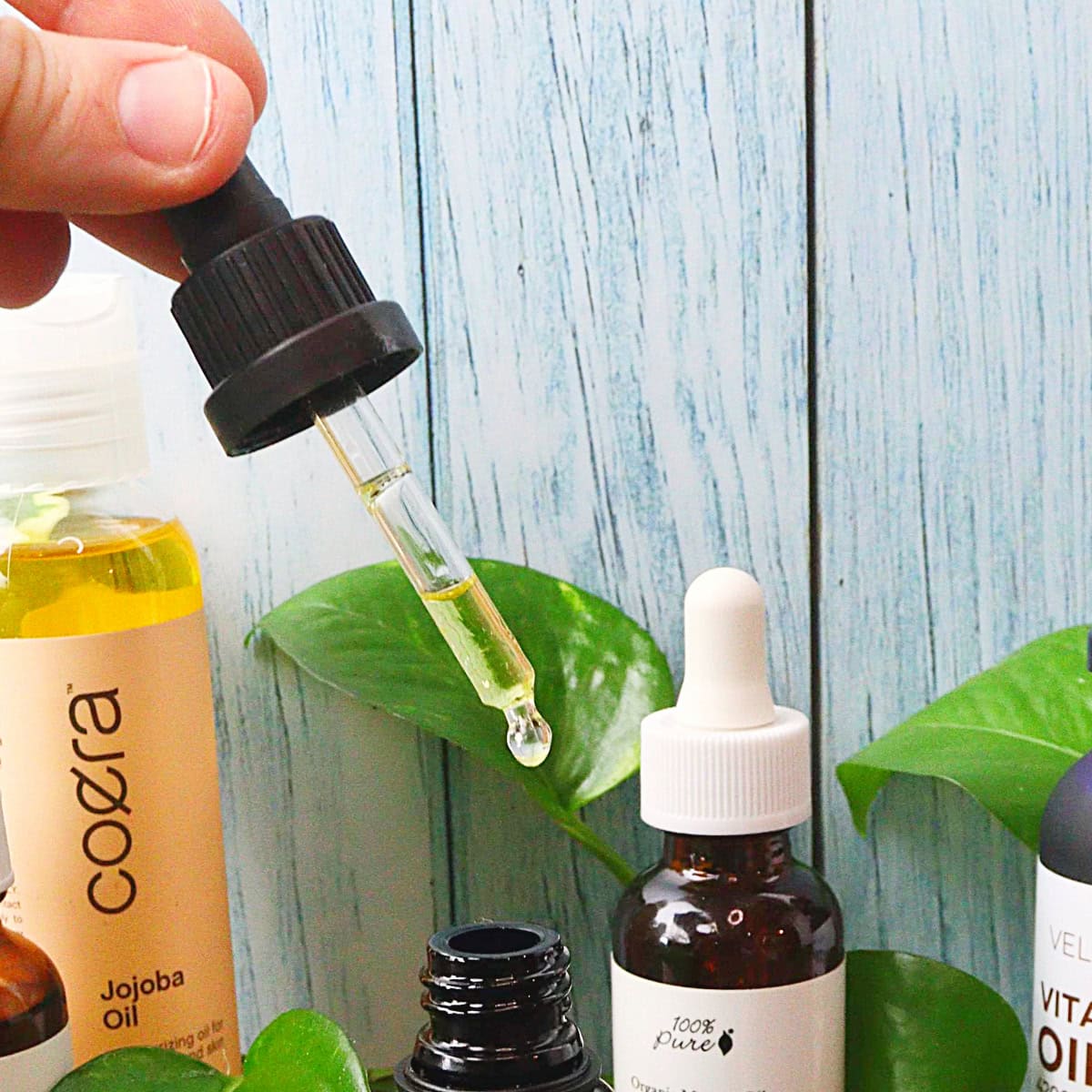
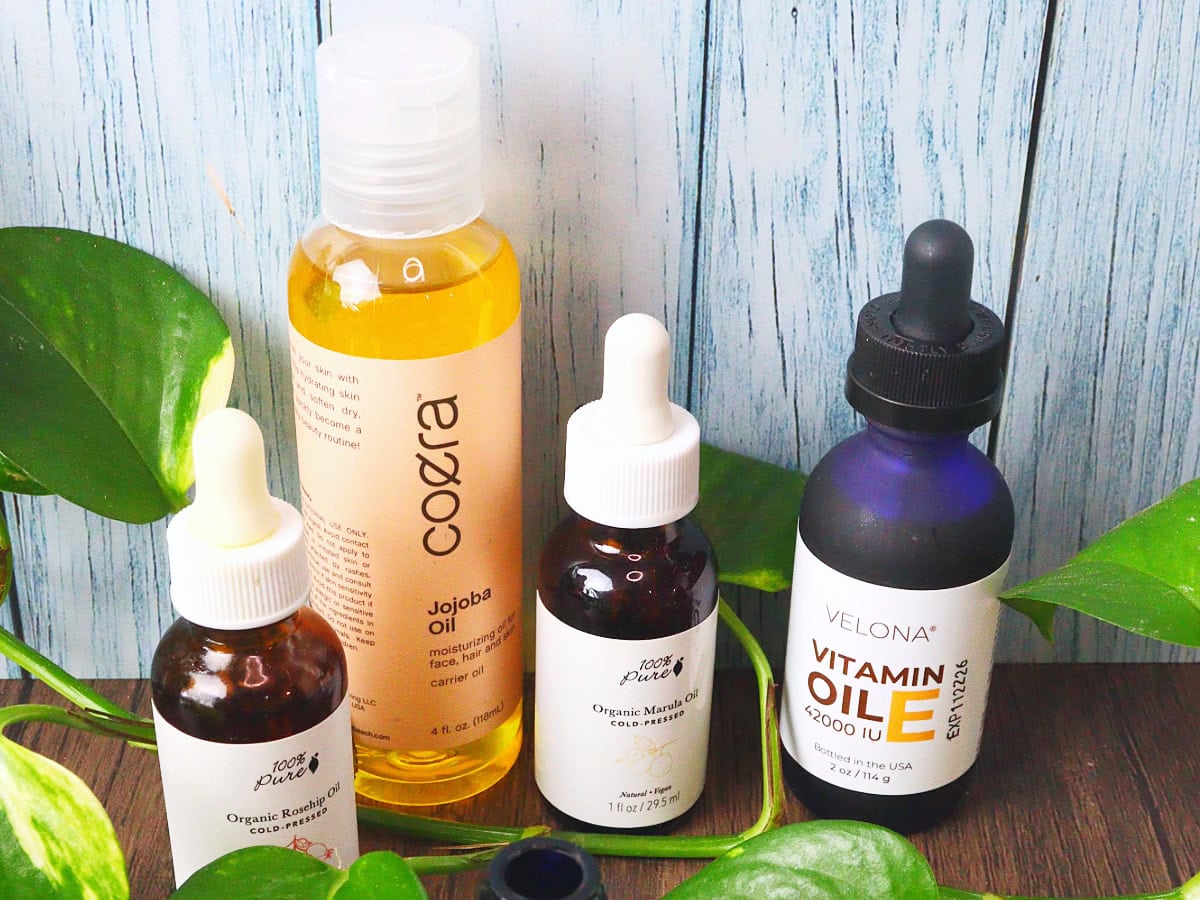
- Jojoba Oil (1 tbsp): Mimics the skin’s natural oils, helping to balance sebum production and absorb effortlessly.
- Rosehip Oil (½ tbsp): A powerhouse of antioxidants and vitamin A that brightens the skin and smooths fine lines.
- Argan Oil (½ tbsp): Deeply hydrates and softens without clogging pores. Check below for alternatives based on your skin type.
- Vitamin E Oil (¼ tsp, optional): A natural preservative that also promotes skin repair and protection.
Customization Options:
- For Dry Skin: Marula Oil: Deeply hydrating and rich in antioxidants.
- For Oily/Acne-Prone Skin: Grapeseed Oil: Lightweight, fast-absorbing, and helps control sebum.
- For Sensitive Skin: Squalane Oil: Non-irritating, mimics skin’s natural lipids, and calms redness.
Instructions:
- In a small glass dropper bottle, combine all oils together at once.
- Cap and hake gently.
- Apply 2–3 drops to freshly-washed skin and gently massage in. It can be applied before makeup, but ensure to allow a few minutes of absorption time before applying other beauty products.
Cost Savings of Making Your Own Face Serum
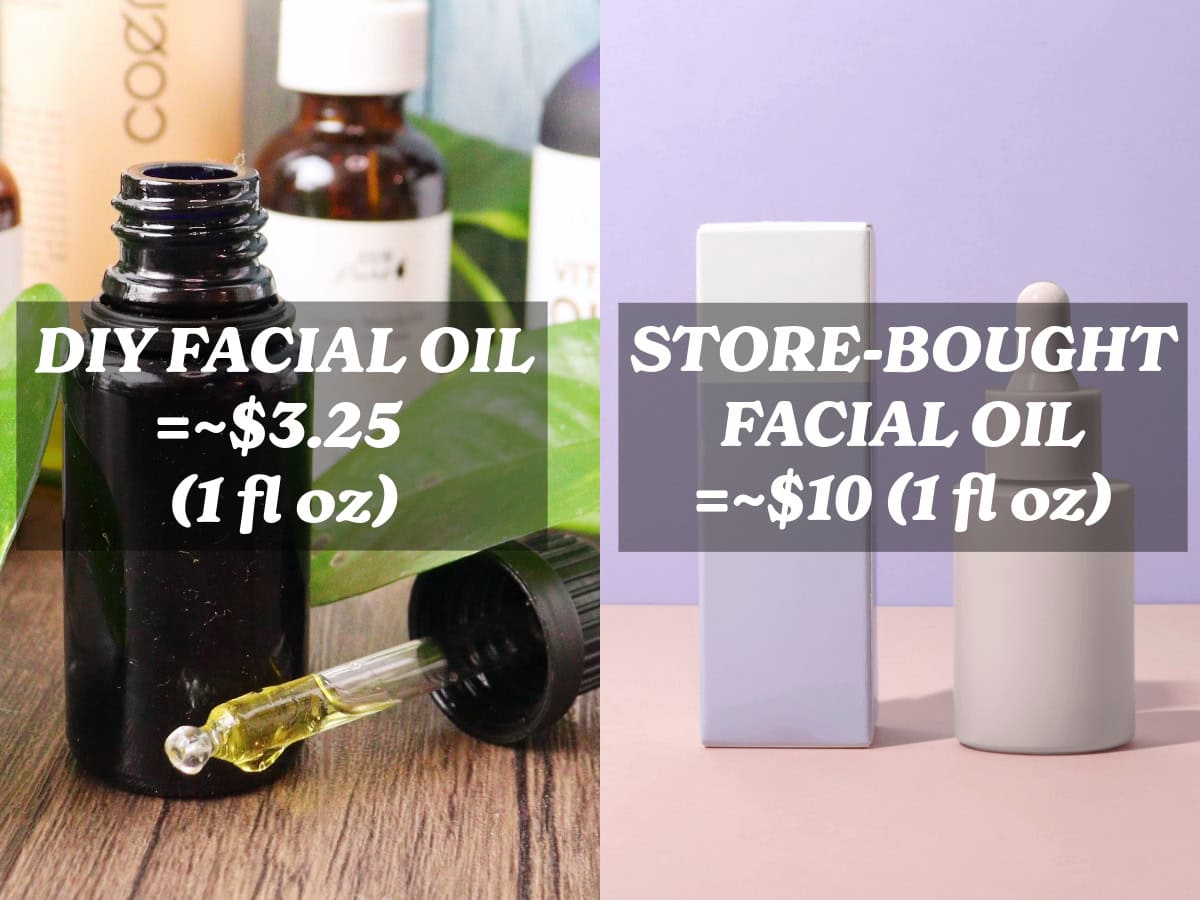
One of the biggest perks of making your own facial oil—besides knowing exactly what’s in it—is the serious savings. While a store-bought 1 fl oz bottle from brands like The Ordinary or Palmer’s can set you back around $10, our homemade version costs just $3.25 to make.
That’s a savings of $6.75 per batch, using clean, high-quality organic oils. Same glow, fewer dollars spent. Here’s the breakdown of the cost of making your own facial serum versus the average cost of a conventional product.
Cost Savings:
- Jojoba Oil: $7 for a 4 fl oz bottle (~$0.87 for 1 tbsp)
- Rosehip Oil: $6 for a 1 fl oz bottle (~$1.50 for 1/2 tbsp)
- Argan Oil: $10 for a 4 fl oz bottle (~$0.63 for 1/2 tbsp)
- Vitamin E Oil: $6 for a 2 fl oz bottle (~$0.25 for ½ tsp)
Cost per batch: ~$3.25 (recipe makes about 1 fl oz)
Store-Bought Equivalent: ~$10 for an 1 fl oz jar (e.g., Palmer’s, The Ordinary, and similar mid-tier natural skincare brands)
Savings per Batch: $6.75
Why Make Your Own Face Serum
Beyond the costs savings there’s another reason why we’re big fans of making our own DIY beauty products. Many commercial facial oils contain a cocktail of synthetic additives, stabilizers, and cheap filler oils. These might extend shelf life or add a silky texture, but they can also clog pores, irritate the skin, or disrupt your body’s natural balance.
Here are a few common culprits you’ll spot on their ingredients lists:
- Mineral Oil & Petrochemicals (e.g., Paraffinum Liquidum, Petrolatum): Derived from petroleum, these are often used as base oils because they’re inexpensive. While they create a barrier on the skin, they don’t provide any real nourishment and can clog pores over time.
- Synthetic Fragrances: These ambiguous “fragrance” or “parfum” labels can hide dozens of chemicals, many of which may be allergens or hormone disruptors—especially phthalates, which are linked to reproductive toxicity.
- Silicones (e.g., Dimethicone, Cyclopentasiloxane): Added to give oils a smooth glide, silicones can trap dirt and bacteria, especially if not properly cleansed off—making them problematic for acne-prone skin.
- Preservatives (e.g., Parabens, BHT): These are used to prevent microbial growth, but some, like parabens, are known endocrine disruptors. BHT (Butylated Hydroxytoluene), a synthetic antioxidant, has raised concerns for its potential link to skin irritation and organ system toxicity.
- Cheap Carrier Oils (e.g., Canola, Soybean, or Vegetable Oils): Often heavily refined and stripped of nutrients, these oils are used to bulk up a formula without adding real skin benefits. They may also be genetically modified and processed with solvents like hexane.
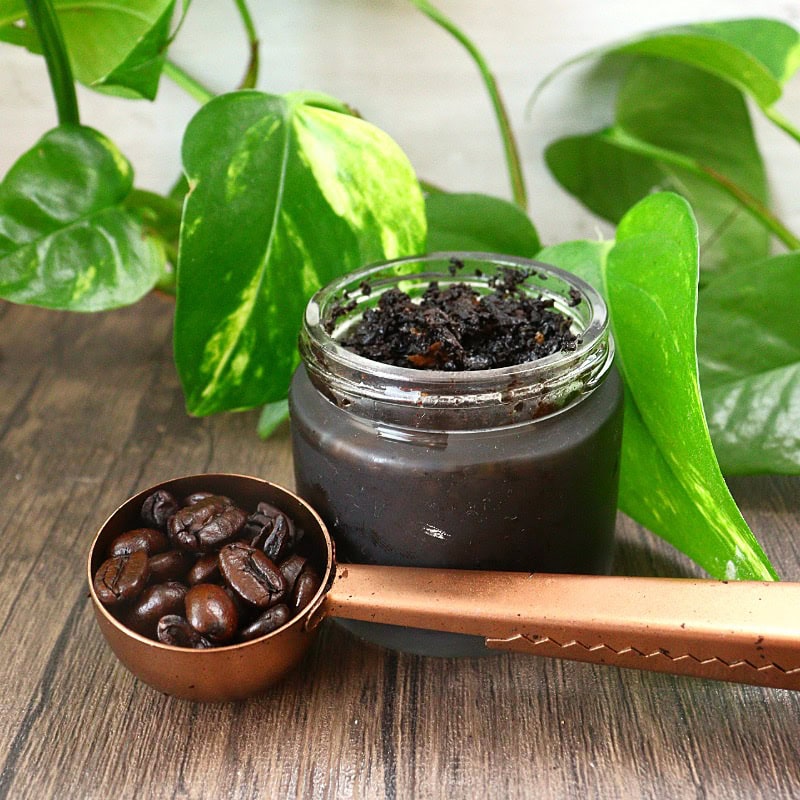
By making your own DIY coffee scrub, homemade body lotion (…fill in the blank), you avoid these ingredients altogether. Instead, you get pure, nourishing oils like jojoba, rosehip, and argan—tailored to your skin’s needs, free from hidden chemicals, and packaged with the planet in mind.

Amber obtained Bachelor of Arts degrees in English, Creative Writing, and Psychology from The University of Oxford and Arcadia University. She is an avid crafter, gardener, quail farmer, wannabe novelist, and self-proclaimed eco adventurer. From living in a camper van to living in a tiny house, she is enamored by the small and self-sufficient; and aspires to one day become an off-grid micro-farmer, bridging sustainability with non-toxic living and eating. With a passion for outdoor sports like rock climbing, skiing, and travel, having already backpacked across 30 countries, she is always up for the next big adventure while seeking ways to minimize her impact along the way.