













We personally don’t want to feed our largest organ with a bunch of synthetic chemicals. Besides it covers a lot of ground (pun intended), so let’s give our skin the best to stay as youthful as we can for as long as we can.
While there’s no shortage of moisturizers on the market, (and unless they’re a sustainable lotion made by a reputable brand), many of them come with a long list of toxic ingredients. Instead of reaching for another store-bought lotion full of unpronounceable ingredients, why not whip up your own DIY body lotion using our tried and tested formula?
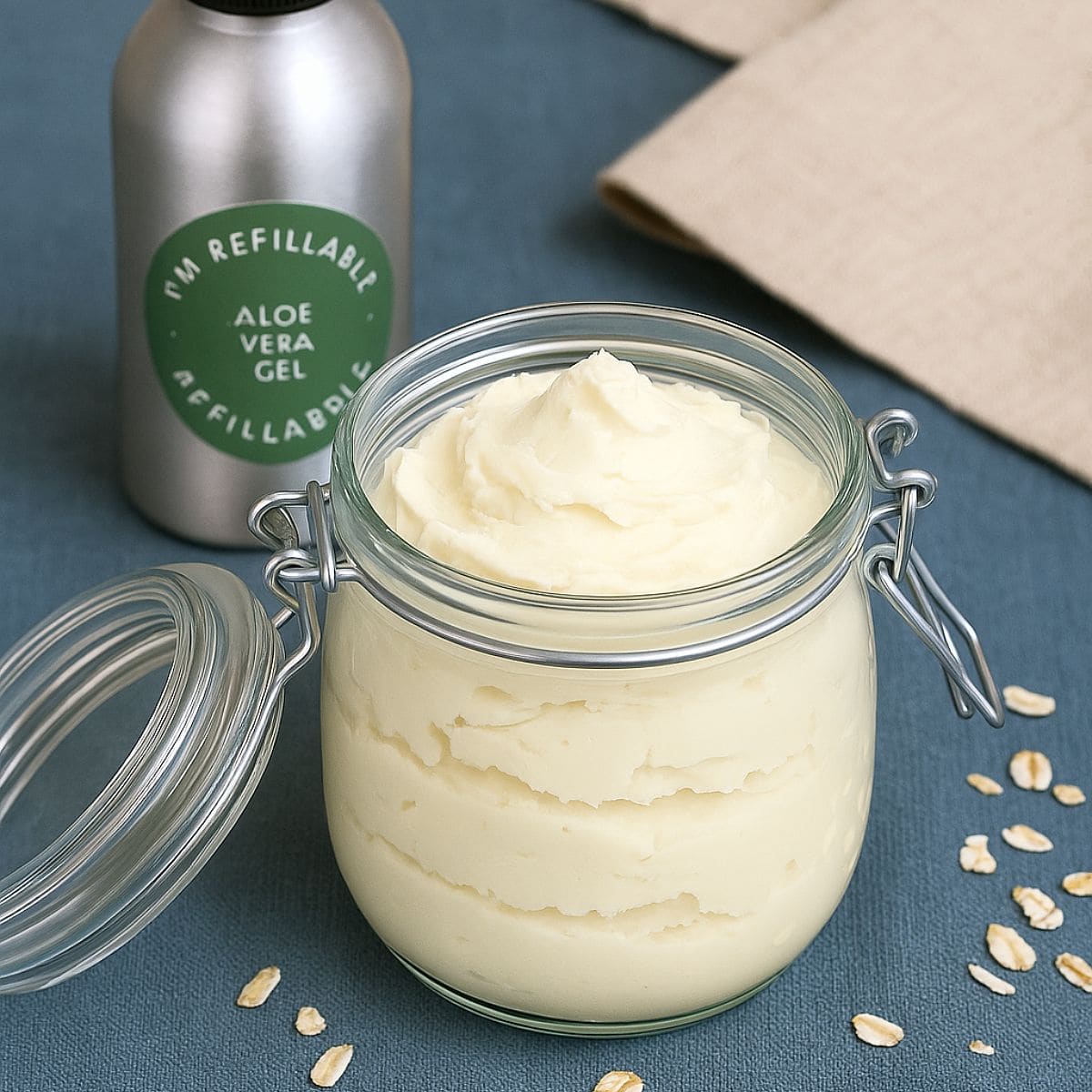
The recipe is designed to support your skin’s health with nourishing ingredients like aloe vera gel, shea butter, pure vanilla extract, oats, and natural oils. It soothes irritation, locks in moisture, and promotes a healthy skin barrier. It’s especially helpful for dry or sensitive skin, offering deep hydration with a lightweight, non-greasy feel. Plus, you’ll avoid synthetic fragrances and preservatives.
It’s sustainable skincare that’s safe, simple, and seriously effective.
Rather buy than DIY? See our guides to the best organic face moisturizers, low waste & sustainable moisturizers, sustainable beauty brands and ethical beauty.
We independently research all featured brands, and we ask them to confirm their claims. In many cases we personally review recommended products. This post contains affiliate links which means we may earn a commission if you buy something. We explain this further in our Terms of Use.
Index: Homemade Body Lotion
- DIY Body Lotion Recipe Jump to section
- Cost Savings of Making Your Own Body Lotion Jump to section
- Why Make Your Own Body Lotion? Jump to section
DIY Body Lotion Recipe
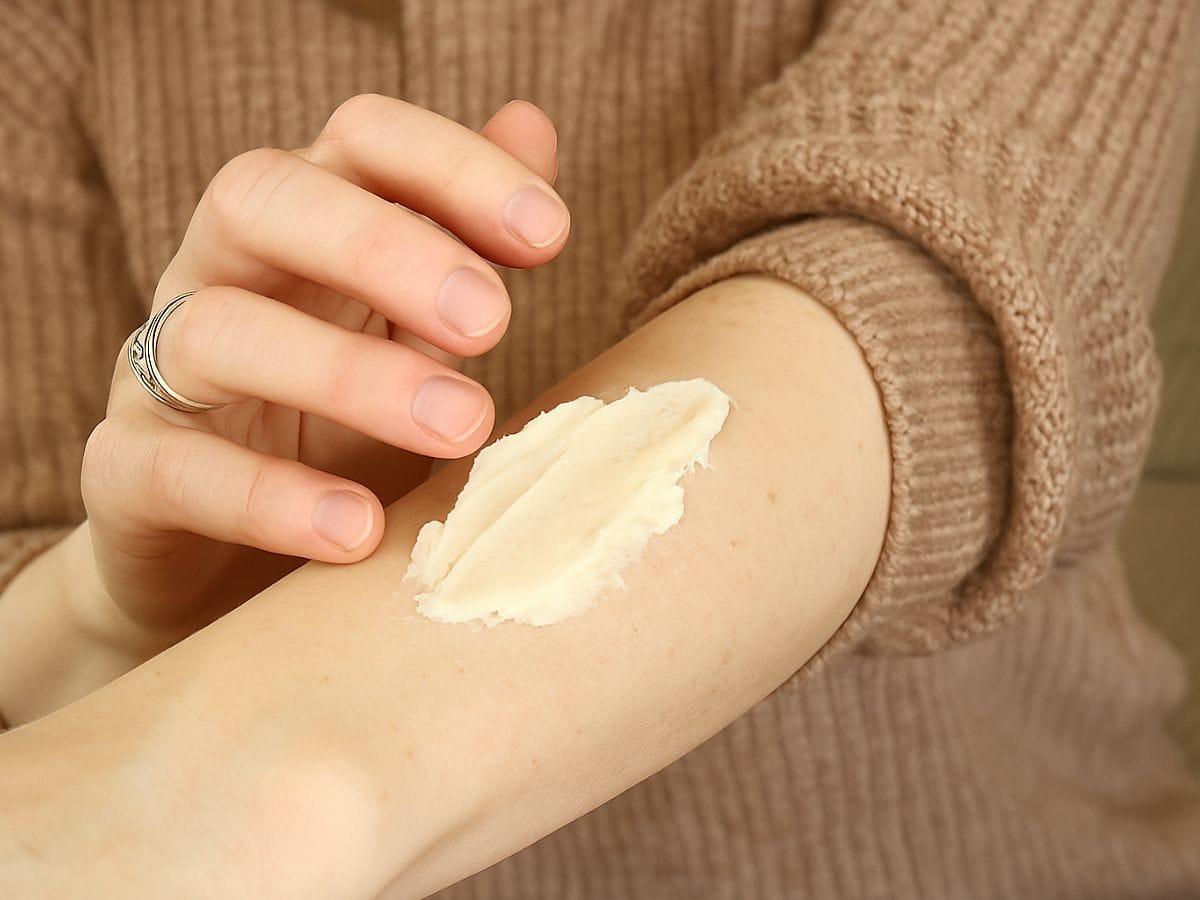
A soothing oatmeal body lotion recipe may be ideal for you if you have mature skin or struggle with dry, sensitive, or irritated skin. This recipe is especially great in the winter, when harsh weather makes the skin extra sensitive.
We personally love this recipe because it feels so lightweight and spreadable while still being deeply hydrating, making it an excellent daily moisturizing lotion.
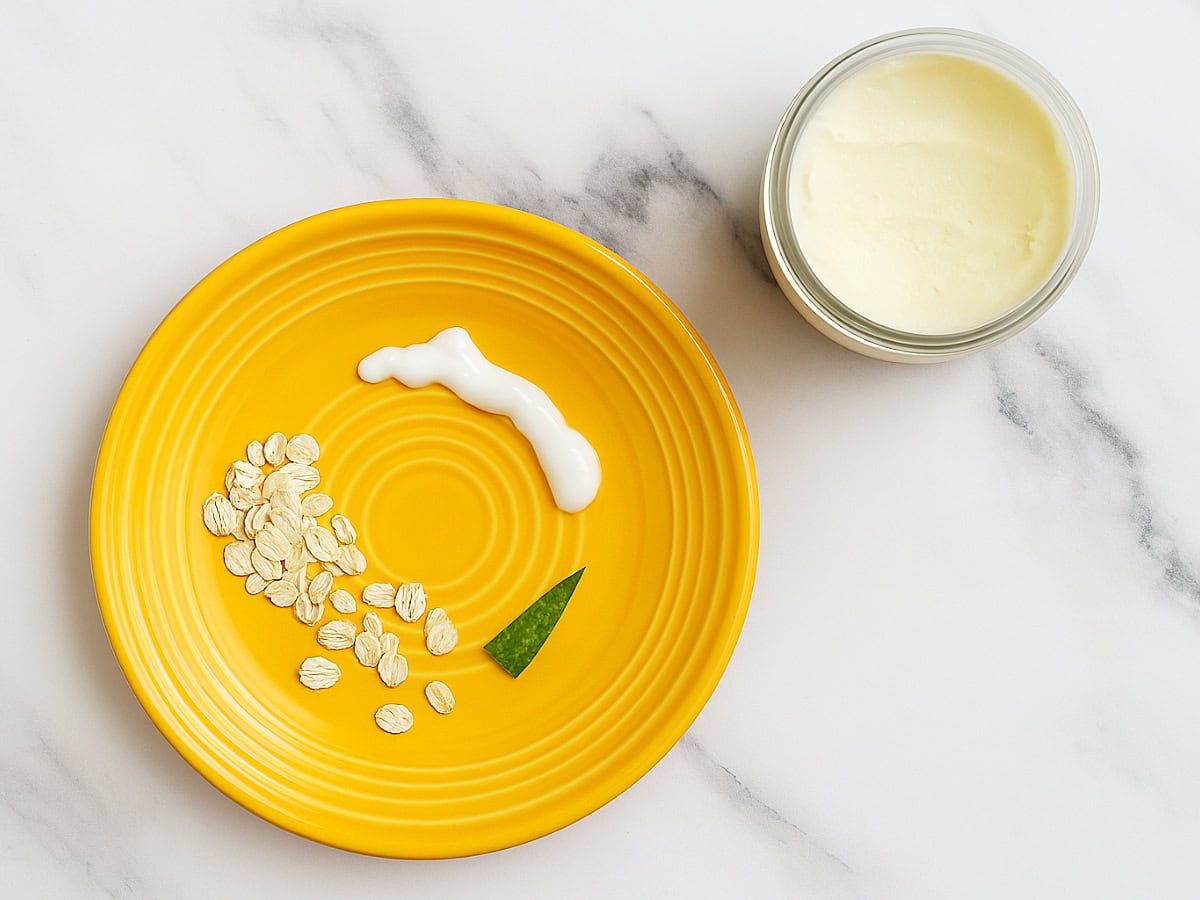
Ingredients:
- Rolled Oats (2 tbsp): Soothes irritation, reduces redness, and hydrates the skin
- Aloe Vera Gel (2 tbsp): Provides lightweight moisture and soothes inflammation
- Sweet Almond Oil or Jojoba Oil (2 tbsp): Nourishes and softens without clogging pores. Jojoba oil is the better choice if you have acne prone skin due to its ability to mimic the skin’s natural oils.
- Shea Butter (½ tbsp): Adds extra hydration and helps lock in moisture
- Vitamin E Oil (½ tsp): Preserves freshness and provides antioxidant benefits
- Pure Vanilla Extract (¼ tsp, optional): Provides a warm vanilla scent that complements the sweet almond oil nicely.
- Essential Oils (5 drops, optional): Alternatively, more it more floral or earthy scented with essential oils of your choice.
If you’re interested in a nourishing overnight serum, try our DIY facial oil recipe.
Instructions:
- Make oat-infused water by blending 2 tbsp of oats with ¼ cup of warm water until milky, then strain through a cheesecloth to remove the solids.
- In a double boiler, gently melt the shea butter until liquid. Remove from heat.
- In a bowl, whisk together the oat-infused water, aloe vera gel, sweet almond oil, melted shea butter, vegetable glycerin, and vitamin E oil.
- Using a hand blender or whisk, blend until the mixture thickens into a creamy lotion.
- Stir in your scent additional of choice (if using).
- Transfer to a clean, airtight jar or pump bottle and store in the fridge to extend shelf life.
Cost Savings of Making Your Own Body Lotion
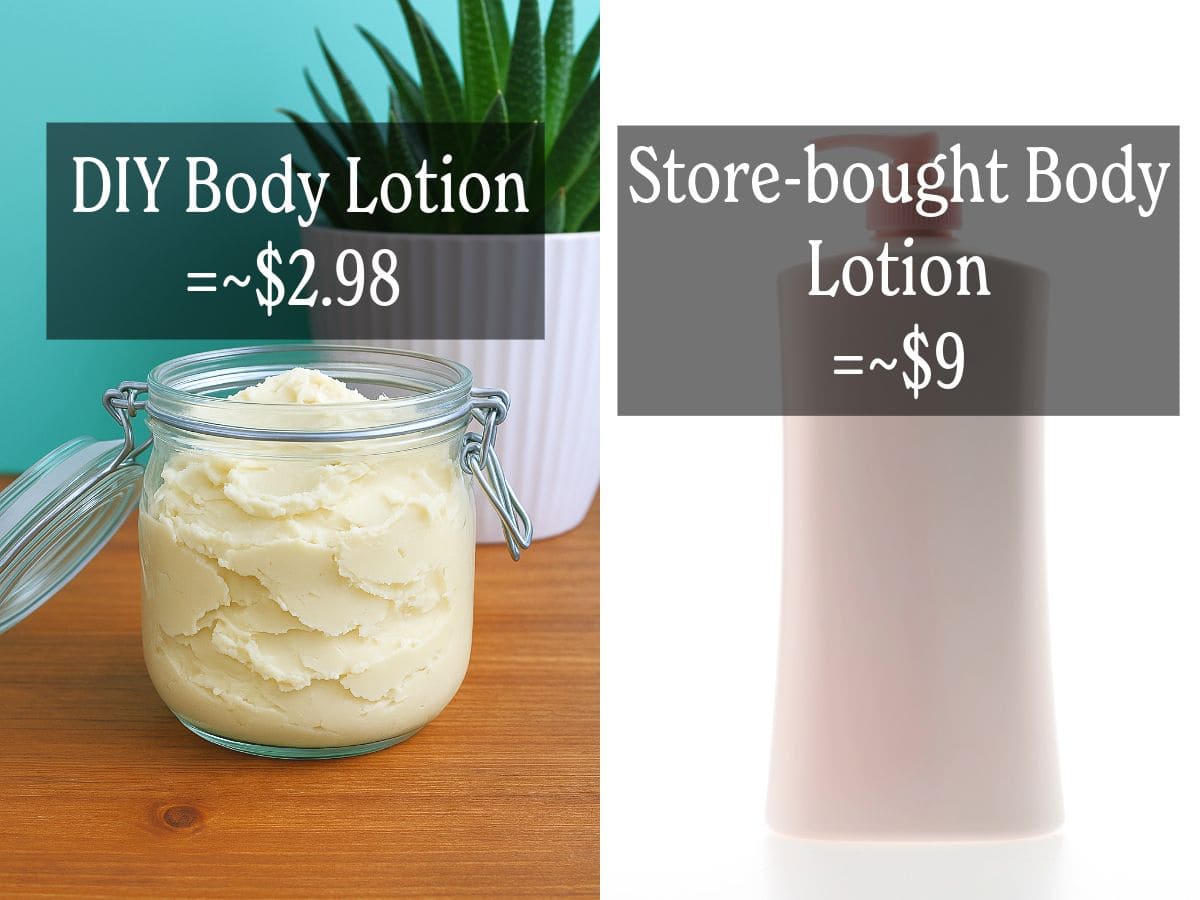
While our body lotion recipe doesn’t save you as much as our other homemade body moisturizers, keep in mind that it is a potent and highly concentrated formula, without any additives or fillers. A little goes a long way with each one, so you’ll find you end up using less per application than conventional store-bought alternatives.
DIY Body Lotion
- Rolled Oats: $9 for a 42 oz tub (~$0.09 for 2 tbsp)
- Aloe Vera Gel: $12 for a 12 fl oz bottle (~$1.00 for 2 tbsp)
- Sweet Almond Oil: $7 for an 8 fl oz bottle (~$1.14 for 2 tbsp)
- Shea Butter: $8 for an 8 oz tub (~$0.25 for 1/2 tbsp)
- Vitamin E Oil: $6 for a 2 fl oz bottle (~$0.25 for ½ tsp)
- Pure Vanilla Extract: $7 for a 2 fl oz bottle (~$0.25 for 1/4 tsp) OR
- Essential Oils: $7 for 1 fl oz bottle (~$0.05 for 5-10 drops)
Cost per batch: ~$2.98 (recipe makes about 3 fl oz, equivalent to $0.99 per fl oz)
Store-Bought Equivalent: ~$9 for an 18 fl oz bottle (e.g., Aveeno, Jergins, and similar brands)
Savings per Batch: Technically no cost savings here, but it’s difficult to compare as many store-bought lotions include filler ingredients that will necessitate using more of them than this formula, for which a little goes a long way.
Why Make Your Own Body Lotion?
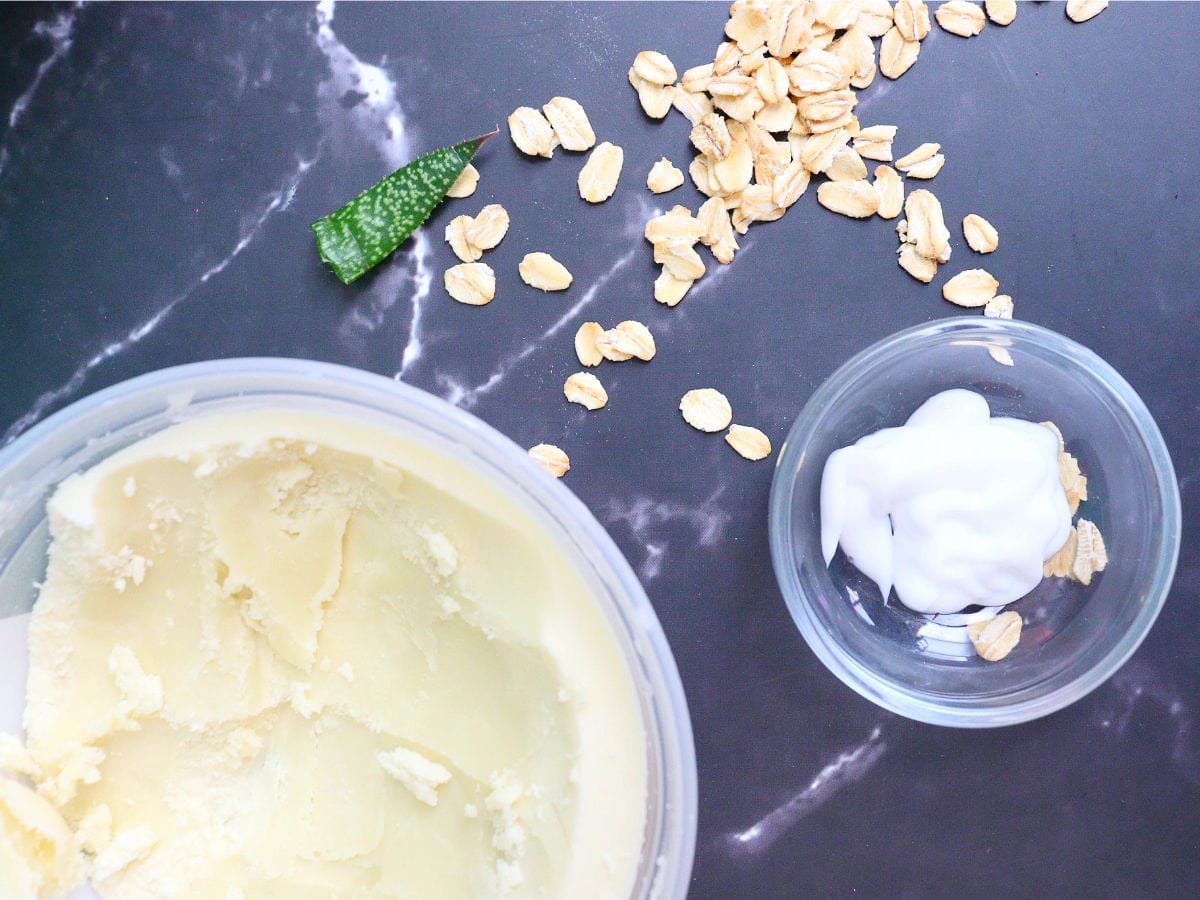
Ever walked past a Bath & Body Works and gotten hit with a wall of synthetic scent? That intense fragrance comes at a cost. But it’s not just synthetic scents that are an issue, here are some other ingredients commonly found in conventional body lotions that might do more harm than good:
-
Parabens: Used as preservatives, these chemicals can disrupt hormones and are linked to skin irritation and even reproductive harm.
-
Synthetic Fragrances: A single “fragrance” can contain dozens of hidden chemicals, many of which can trigger allergies or dermatitis.
-
Phthalates: Often added to make fragrances last longer, these are known endocrine disruptors and have been banned in some personal care products in the EU.
-
Mineral Oil: A petroleum-derived ingredient that may feel silky but can clog pores and trap in toxins.
-
Petroleum (Petrolatum): While often marketed as moisturizing, unrefined versions can contain PAHs, which are linked to cancer (source: EWG).
-
Drying Alcohols (like ethanol or isopropyl alcohol): These strip the skin of natural oils and can leave your skin even drier over time.
That’s why we’re such big advocates of DIY beauty like homemade face cream. You control the natural skincare ingredients and the amounts.
You may also be interested in:
DIY Body Oil | DIY Body Butter | DIY Face Mask | DIY Face Moisturizers | Sustainable Lip Balms
Final Thoughts on DIY Body Lotion
A DIY body lotion lets you skip the parabens, synthetic fragrance, and phthalates in most bottles, and soothe your skin with oats, aloe, and shea instead. It is lightweight, deeply hydrating, and especially kind to dry or sensitive skin in winter.
Blend a batch, keep it in the fridge, and a little goes a long way. Once your DIY body lotion is doing the work of a store-bought tub for a fraction of the cost, the switch is easy to make.

Amber obtained Bachelor of Arts degrees in English, Creative Writing, and Psychology from The University of Oxford and Arcadia University. She is an avid crafter, gardener, quail farmer, wannabe novelist, and self-proclaimed eco adventurer. From living in a camper van to living in a tiny house, she is enamored by the small and self-sufficient; and aspires to one day become an off-grid micro-farmer, bridging sustainability with non-toxic living and eating. With a passion for outdoor sports like rock climbing, skiing, and travel, having already backpacked across 30 countries, she is always up for the next big adventure while seeking ways to minimize her impact along the way.