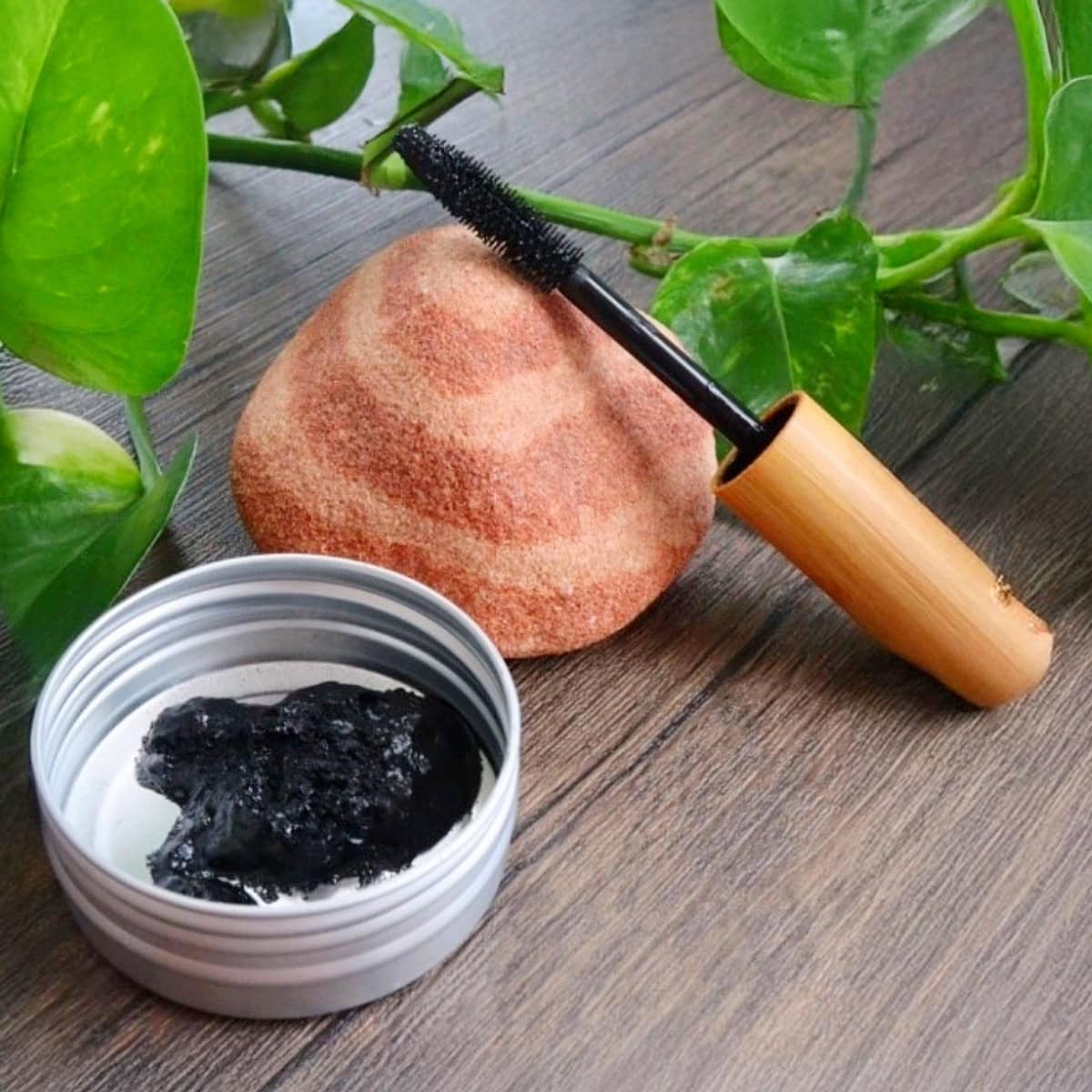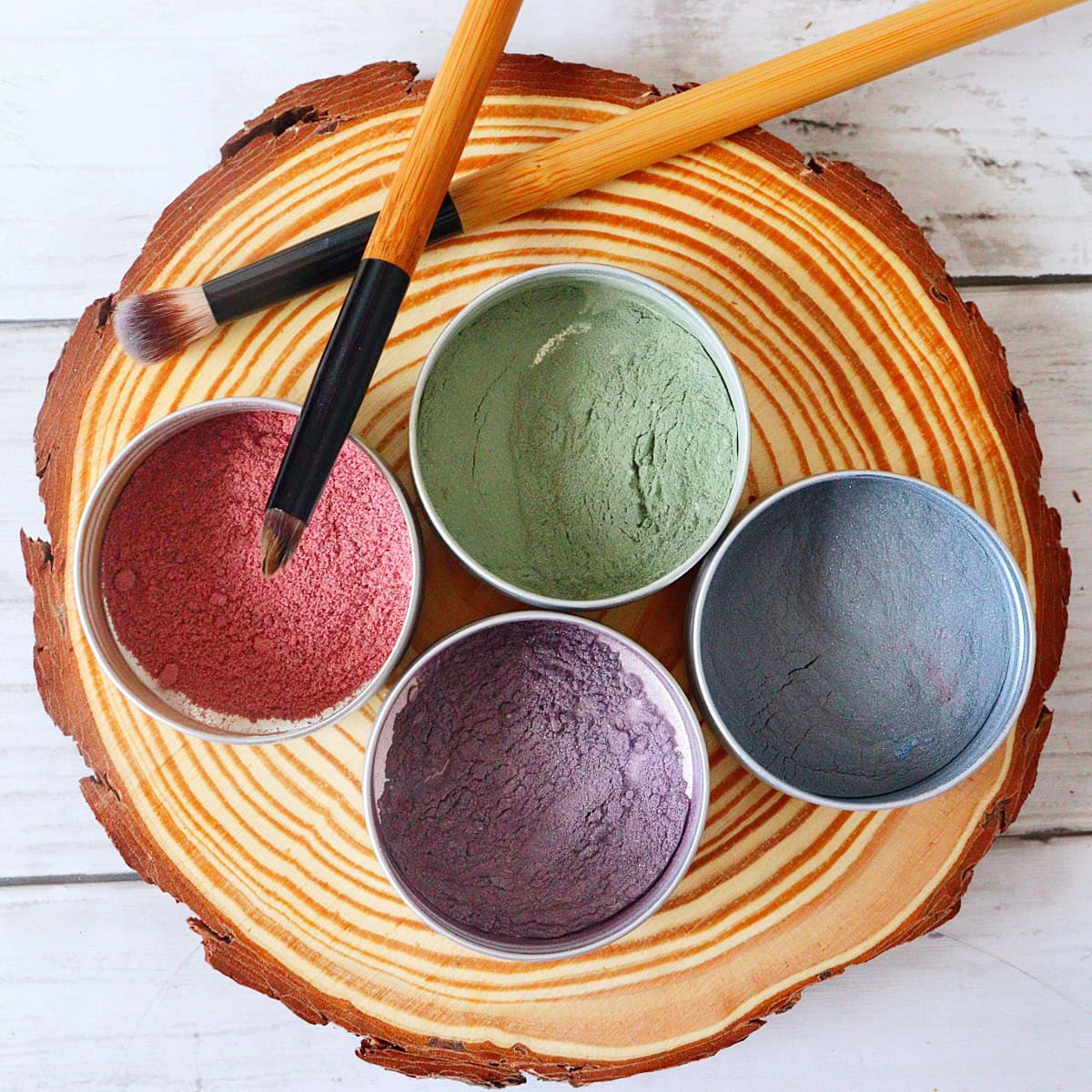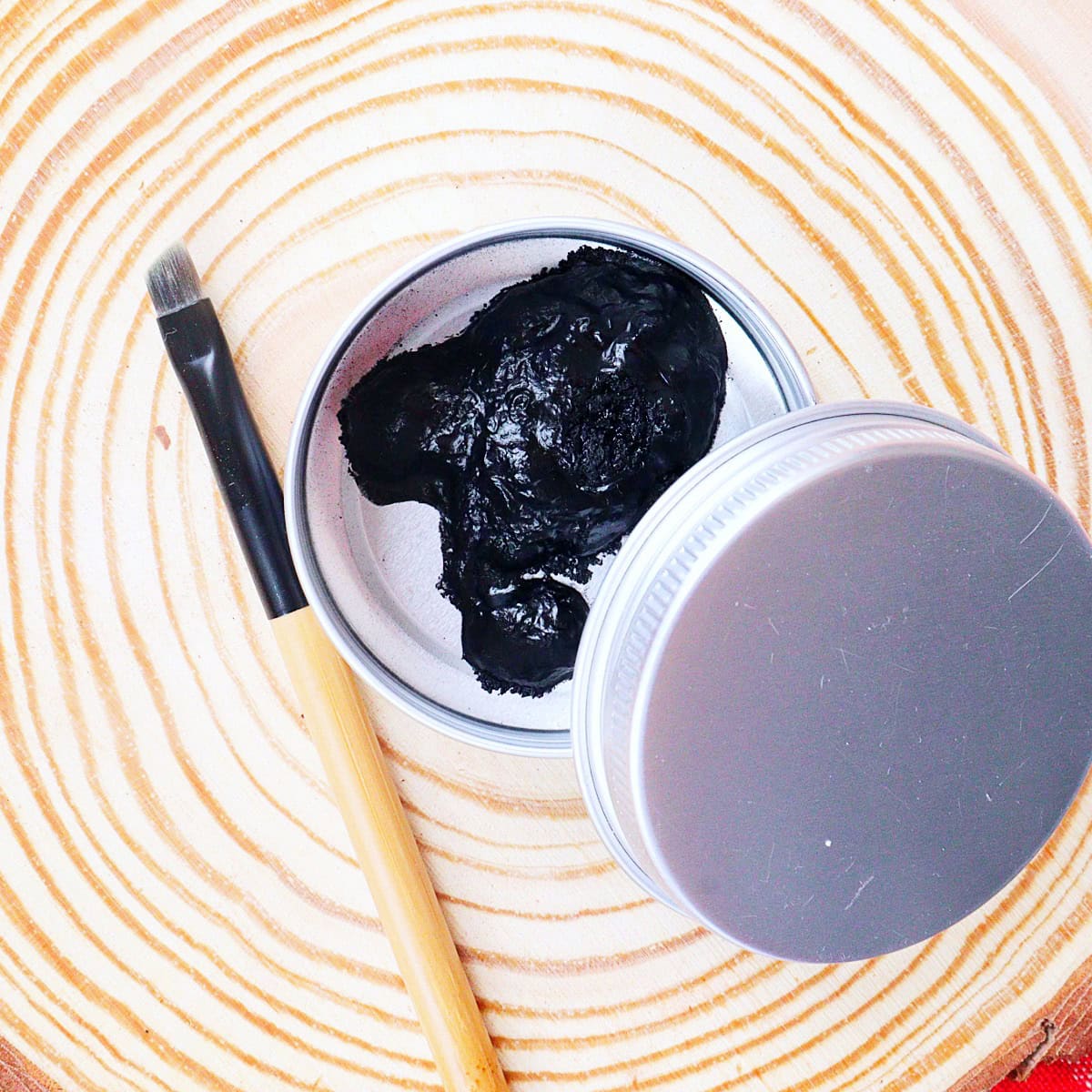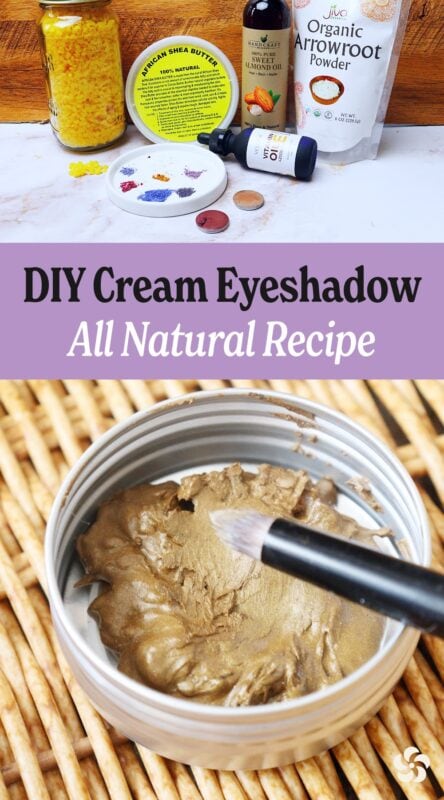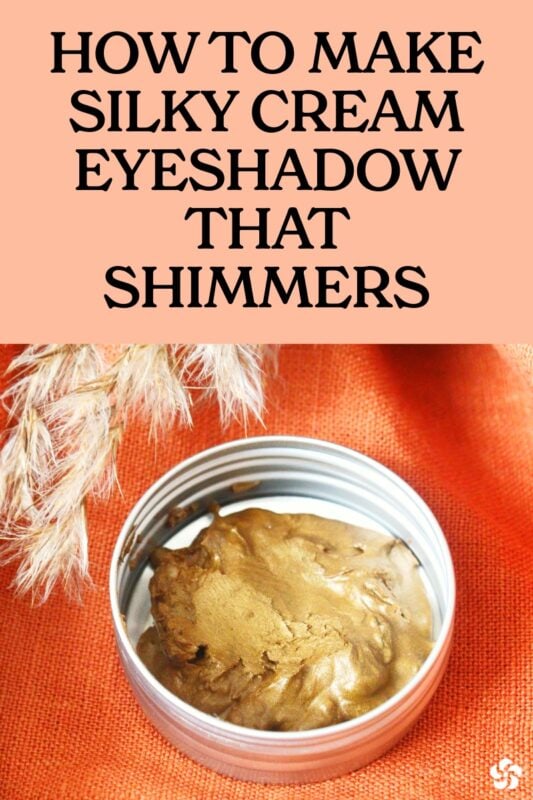












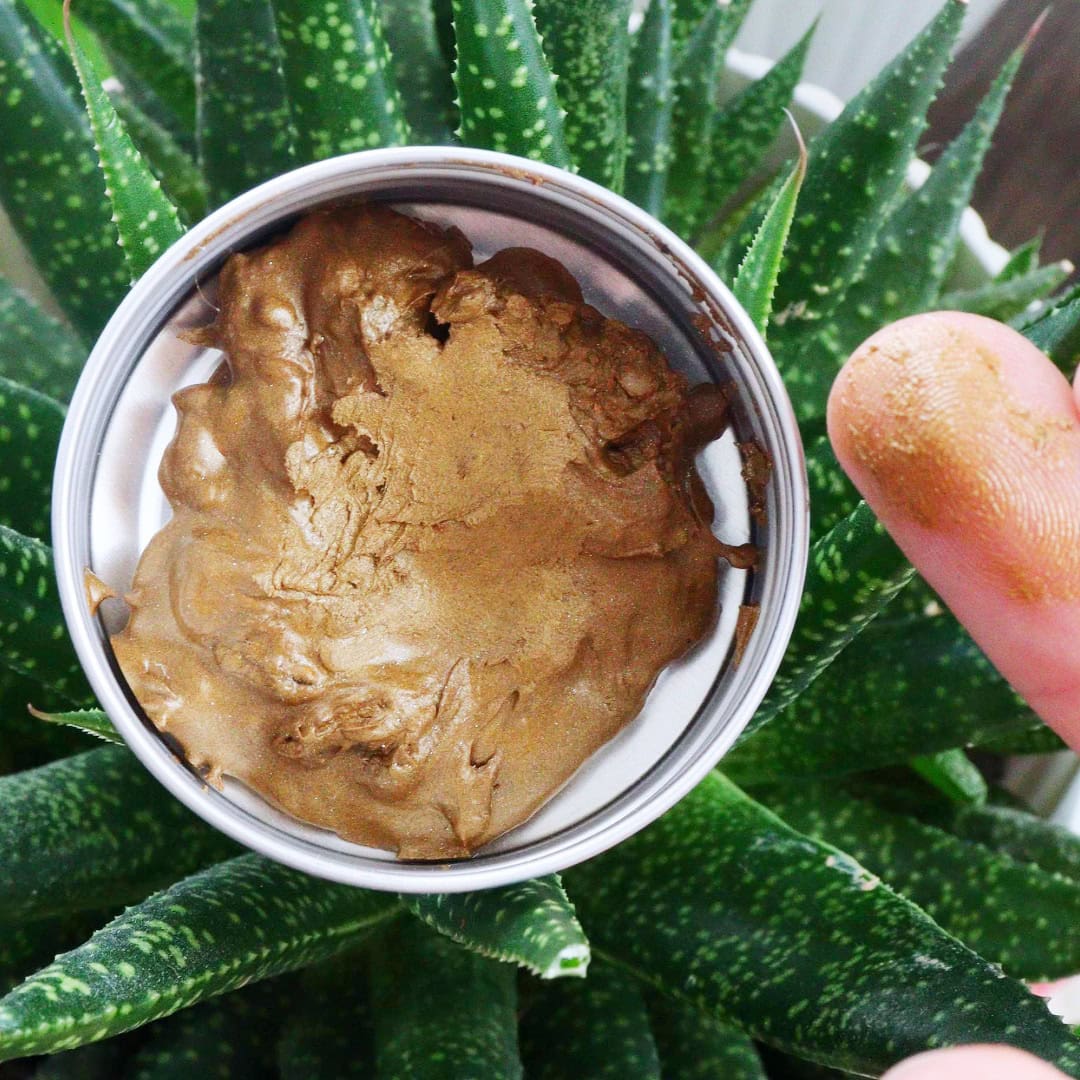
Some people love homemade eyeshadow powder, and others prefer the creamy alternative. If you’re after a recipe for the latter then you’ve come to the right place.
After a lot of testing and adjustments, trial and error, experimenting with different natural ingredients and ratios we’ve perfected the best customizable DIY cream eyeshadow (in our opinion of course!). Its formula is easy to make, safe, and can be tailored to your preferences.
And, it’s way cheaper than store-bought options and can be made using simple ingredients (most of which you probably already have) like shea butter, jojoba oil, vitamin E oil and activated charcoal—giving you high-end results without the high-end price tag.
Index: Homemade Cream Eyeshadow
- DIY Cream Eyeshadow Recipe Jump to section
- Cost Savings of Making Your Own Cream Eyeshadow Jump to section
- Why Make Your Own Eyeshadow? Jump to section
DIY Cream Eyeshadow Recipe
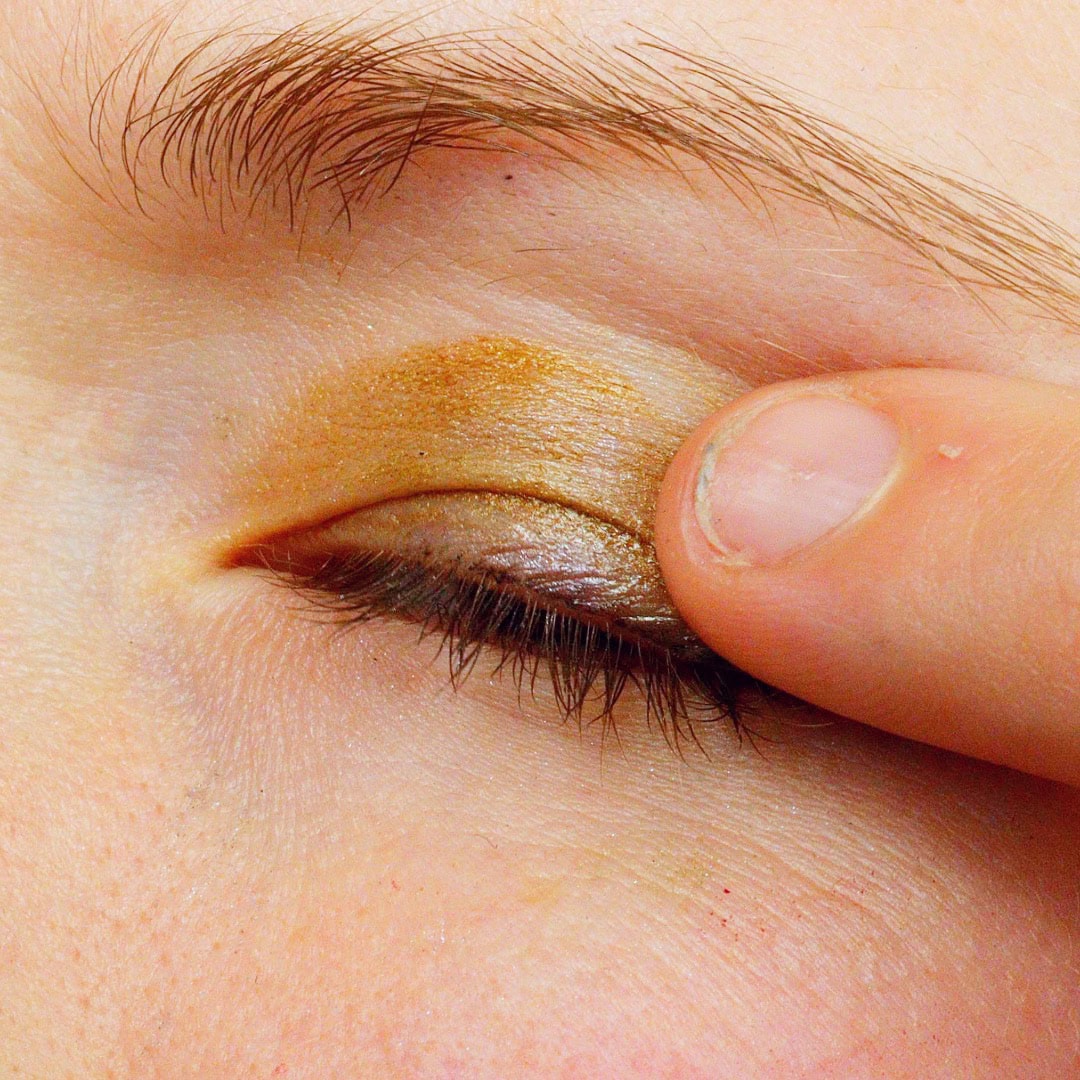
If loose powders aren’t your style, a creamy non-toxic eyeshadow might be the perfect alternative among our homemade eyeshadow recipes.
This formula is easy to customize with your favorite shades and offers a smooth, blendable application. Infused with nourishing plant-based ingredients, it glides on effortlessly while keeping your eyelids hydrated.
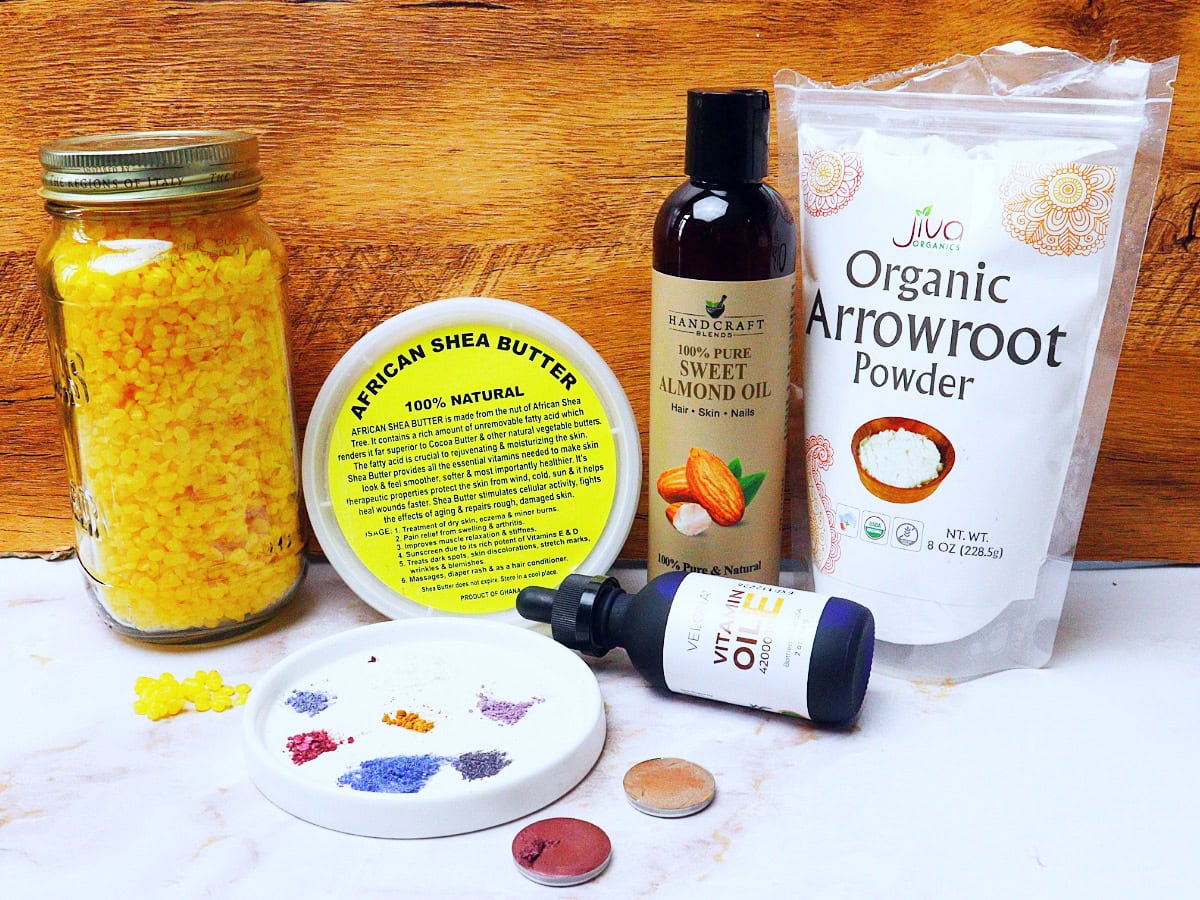
Ingredients:
- Shea butter (1 tsp): Moisturizes the delicate eyelid skin and creates a creamy texture
- Arrowroot powder (½ tsp): Gives a soft, velvety finish and helps with blendability
- Jojoba or Sweet Almond Oil (1 tsp): Lightweight and non-greasy, ensuring smooth application
- Beeswax or Candelilla Wax for Vegans (1 tsp): Helps solidify the formula and improves longevity
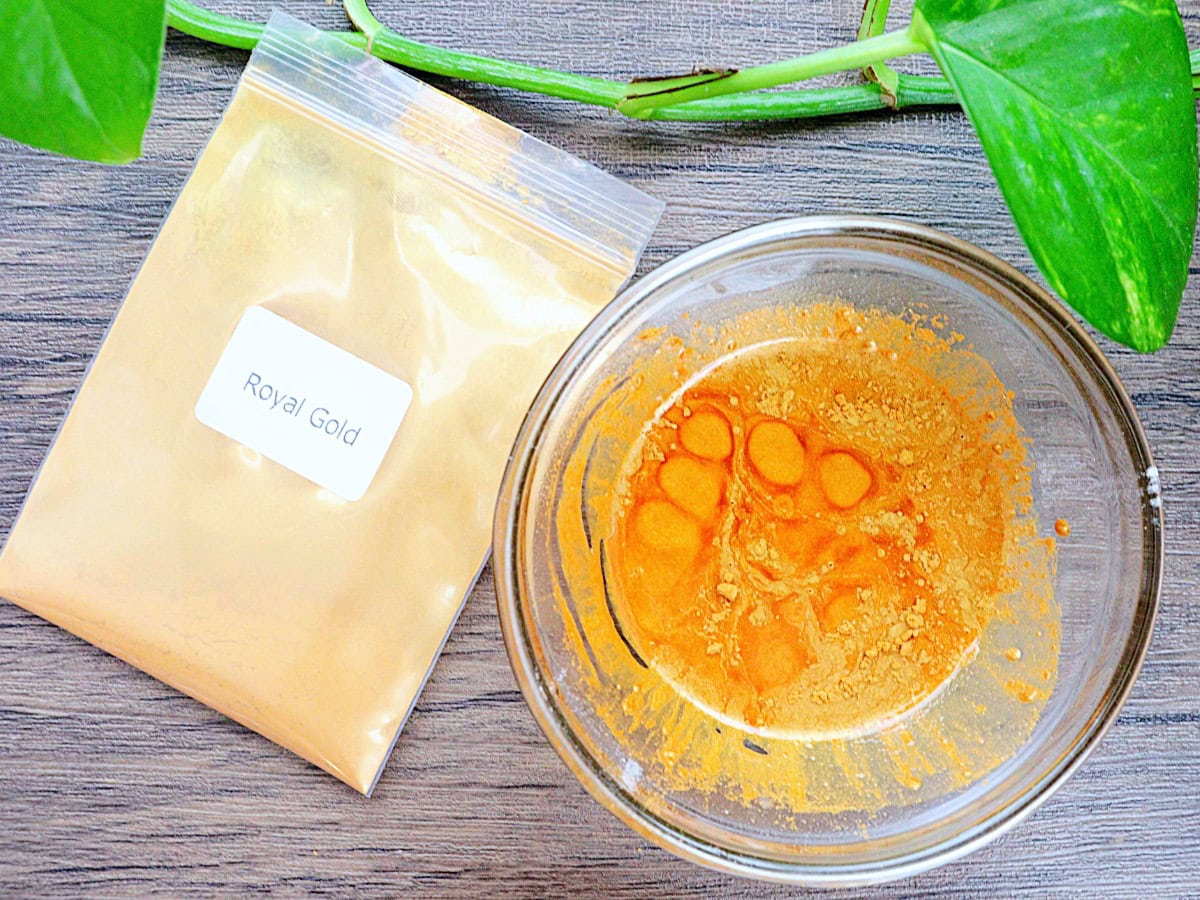
- Mica powder (½–1 tsp): Provides color and shimmer (choose from bronze, gold, rose, or pearl for highlighting)
- Cocoa Powder or Activated Charcoal (¼ tsp, optional): Deepens the shade for a more dramatic look
- Vitamin E Oil (1 drop, optional): Extends shelf life and nourishes the skin
Instructions:
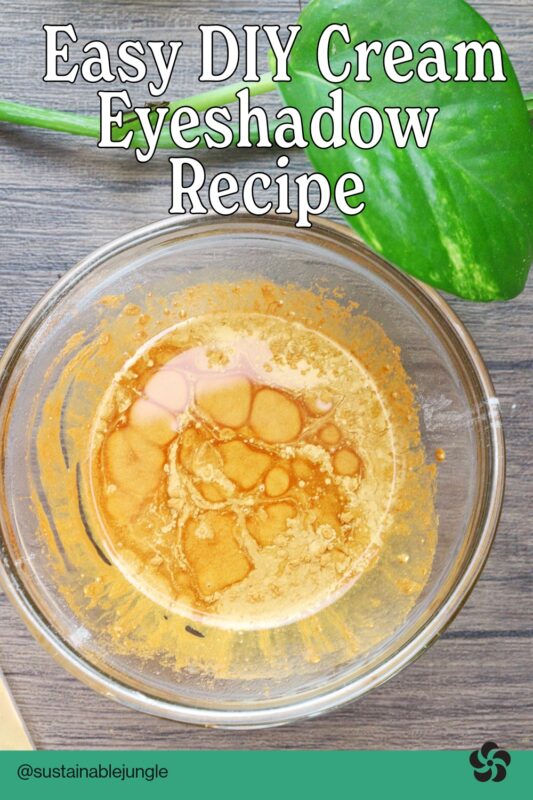
- Melt the shea butter, beeswax, and jojoba oil together using a double boiler or a heatproof bowl over simmering water. Stir until fully blended.
- Remove from heat and mix in the arrowroot powder and mica powder, adjusting the pigment to achieve your desired shade.
- Pour the mixture into a small jar or tin and allow it to cool and set for at least an hour. A shallow container makes for easier application.
- To apply, use a fingertip or brush for a soft wash of color. Layer for more intensity or mix with a drop of facial oil for a dewy, sheer finish.
Cost Savings of Making Your Own Cream Eyeshadow
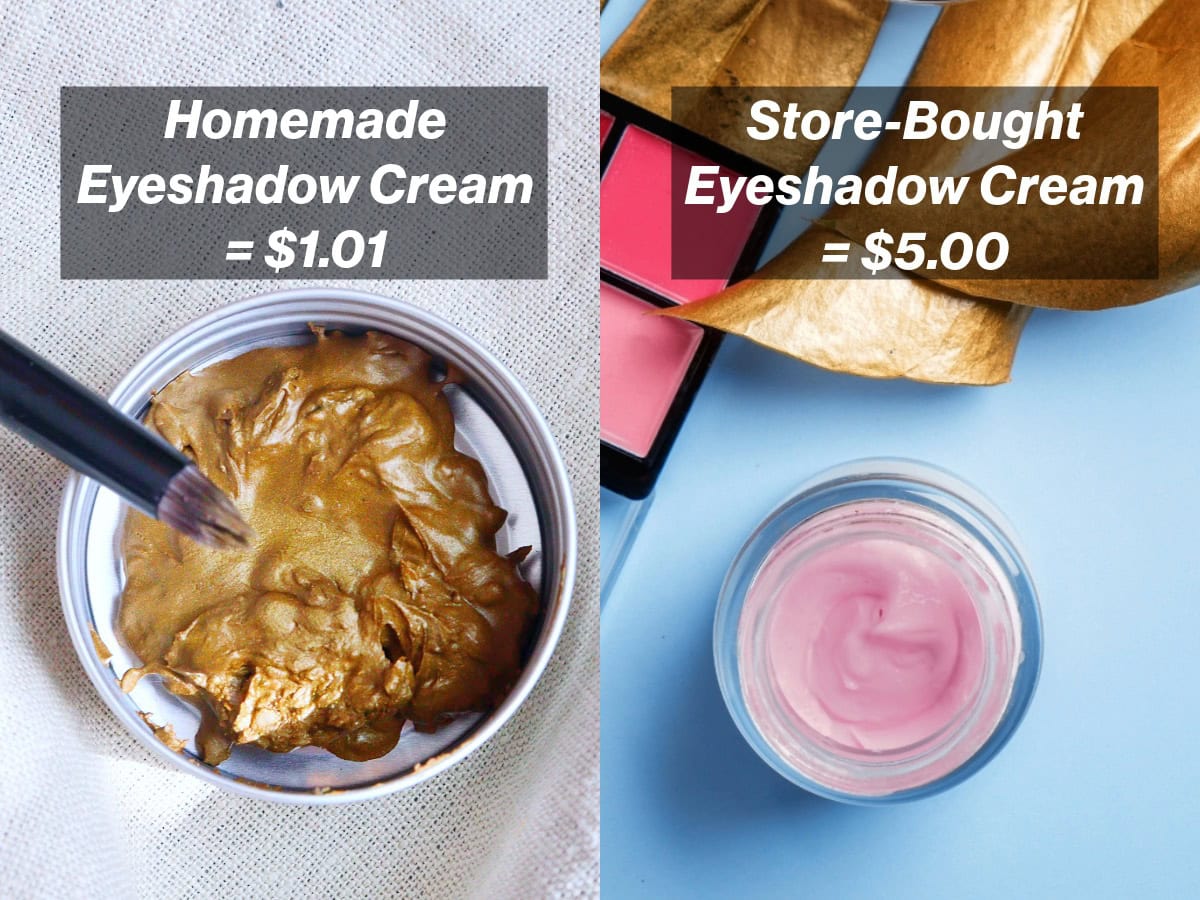
Conventional cream eyeshadow often comes with a hefty price tag. Store-bought options range from $7 to $30+, and if you love experimenting with different shades, the cost adds up fast. Why spend more when you can make your own for literally $1 per batch?
To put things in perspective, we calculated the true cost of our cream eyeshadow recipe (all the ingredients) and compared it to the price of store-bought alternatives. The results? While not as eye-popping as say the savings on a DIY powdered foundation, it’s still impressive. An all natural customizable formula that’s just as good—if not better—than what you’d find in stores, for a fraction of the price.
DIY Eyeshadow Cream
- Shea Butter: $8 for an 8 oz tub (~$0.16 for 1 tsp)
- Beeswax: $8 for a 15 oz bag (~$0.08 for 1 tsp)
- Jojoba Oil: $7 for a 4 fl oz bottle (~$0.28 for 1 tsp)
- Arrowroot Powder: $6 for an 8 oz bag (~$0.06 for ½ tsp)
- Mica Powder: $13 for a 30 oz bag (~$0.08 for 1 tsp)
- Activated Charcoal: $10 for a 1 lbs bag (~$0.25 for 1/4 tsp)
- Vitamin E Oil: $6 for a 2 fl oz bottle (~$0.10 per drop)
Cost per batch: ~$1.01
Store-Bought Equivalent: ~$7+ for 0.16 oz (e.g., Revlon, Kaely, e.l.f., and similar brands)
Savings per Batch: $5.99
Why Make Your Own Eyeshadow?
Conventional cream eyeshadows have fillers and additives that just shouldn’t go anywhere near your eyes. They can irritate sensitive eyes or pose long-term health risks. Here are some common components to be cautious of:
-
Parabens: Used as preservatives, parabens have been linked to endocrine disruption, developmental and reproductive toxicity, and cancer.
-
Formaldehyde-Releasing Agents: Preservatives like quaternium-15 can release formaldehyde, a known carcinogen, over time.
-
Phthalates: These chemicals, often used to make products more flexible, are linked to endocrine disruption, developmental and reproductive toxicity, and cancer.
-
Mica: While mica itself isn’t harmful, its mining has been associated with child labor and poor working conditions.
You can see why we’re such big advocates for making your own DIY concealer, homemade blush powder, eyeshadow and every other homemade makeup recipe!

Amber obtained Bachelor of Arts degrees in English, Creative Writing, and Psychology from The University of Oxford and Arcadia University. She is an avid crafter, gardener, quail farmer, wannabe novelist, and self-proclaimed eco adventurer. From living in a camper van to living in a tiny house, she is enamored by the small and self-sufficient; and aspires to one day become an off-grid micro-farmer, bridging sustainability with non-toxic living and eating. With a passion for outdoor sports like rock climbing, skiing, and travel, having already backpacked across 30 countries, she is always up for the next big adventure while seeking ways to minimize her impact along the way.