












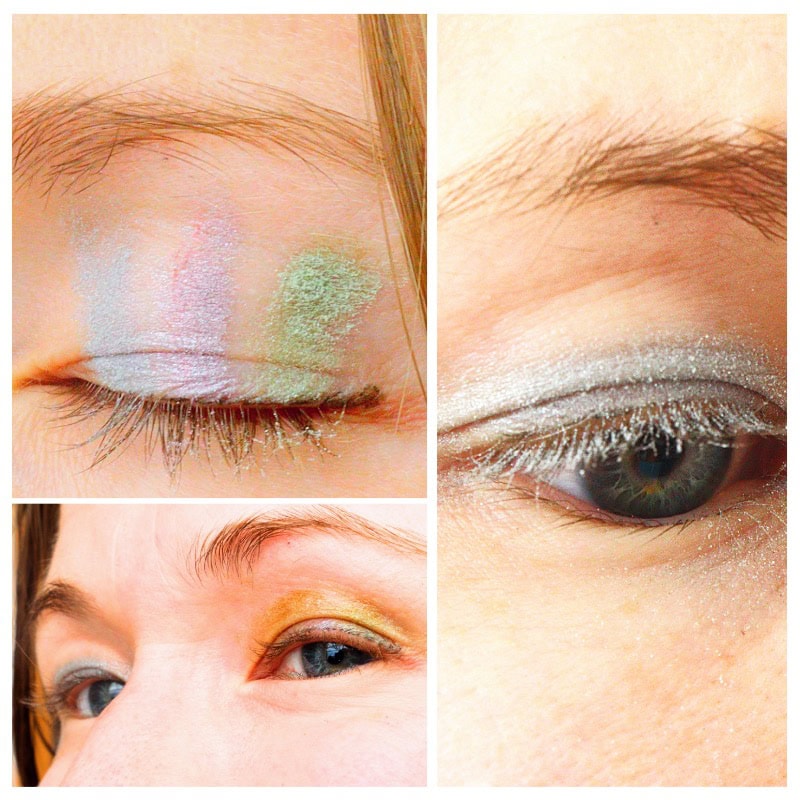
Eyeshadow is one of those makeup staples that can really bring a look together, but store-bought products are mostly (always?) full of synthetic pigments, fillers, additives and chemicals that can irritate the delicate skin around your eyes, or worse. Worth it? We don’t think so.
So, why not make your own?
By making your own DIY eyeshadow, natural, completely customizable looks are at your fingertips, for everything from a neutral glow to a bold pop of color.
If you want a DIY cream eyeshadow recipe or a powder one, or something mineral based or a non-mineral one, we have your eyes colored and covered with three eye-poppingly easy ways to make homemade eyeshadow.
And if you’re looking for a little more creative eye inspo, peruse some of our other DIY eye makeup recipes.
Index: Homemade Eyeshadow Recipes
- DIY Eyeshadow With Mica Recipe Jump to section
- DIY Eyeshadow Without Mica Recipe Jump to section
- DIY Eyeshadow Cream (with Shea Butter and Jojoba Oil) Jump to section
- Cost Savings of Making Your Own Eyeshadow Jump to section
- Why Make Your Own Eyeshadow? Jump to section
DIY Eyeshadow With Mica Recipe

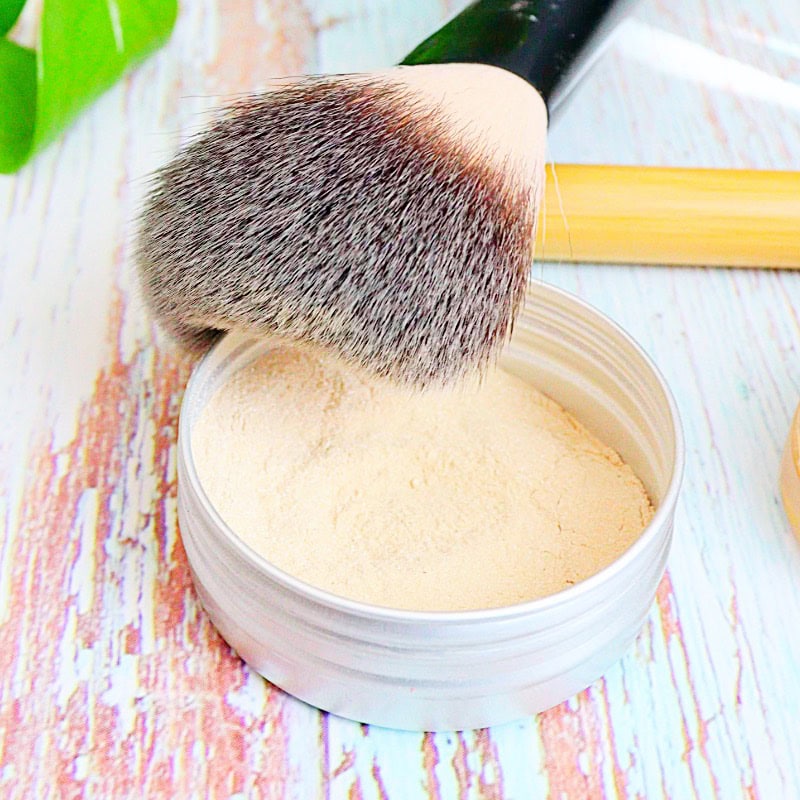
This mineral-based eyeshadow powder recipe recipe uses natural powders to create vibrant, blendable shades that are perfect for the eyes.
Note that some recipes call for adding option essential oils for scent benefit, but because of how sensitive the eye area can be and how irritating some essential oils can be on skin in general, we do not recommend using any kind of fragrance ingredient on or around the eyes.
Ingredients:
- Mica Powder (1 tsp): Mica adds a shimmer effect, giving your eyeshadow a beautiful, subtle shine. It’s a natural mineral that’s safe for the delicate skin around the eyes.
- Arrowroot Powder (1 tsp): Arrowroot powder helps to give the eyeshadow a smooth, silky texture while also absorbing oil to keep the eyeshadow in place longer.
- Activated Charcoal (optional, 1/2 tsp): If you want a darker, smoky look, activated charcoal is perfect for adding depth and richness.
- Cocoa Powder (optional, 1/4 tsp): A great natural pigment that gives a warm, neutral brown shade. Perfect for creating softer looks.
Instructions:
- In a small bowl, combine your base color of mica powder (choose your desired shade). For a metallic effect, for example, use a mix of pearl, bronze, or gold mica powders.
- If you’d like a more matte or deeper finish, add a bit of activated charcoal for a darker hue or cocoa powder for a soft brown tone. You can also reduce mica and increase arrowroot powder slightly to give a greater matte effect.
- Add arrowroot powder to the mix to create a smoother consistency and help the powder adhere better to your eyelids.
- Stir the mixture until the pigments are fully blended.
- Store the mixture in a small container with a tight lid, and apply with an eyeshadow brush for even coverage.
DIY Eyeshadow Without Mica Recipe

While mineral-based eyeshadows have gained popularity for their natural look and longevity, there are valid reasons some people choose to avoid them altogether. One significant concern is the use of mica, a mineral commonly used in cosmetics, which has been linked to child labor and unsafe mining practices in some regions.
While one can buy certified ethically-sourced mica, if you prefer to stay away from it and other potential conflict minerals altogether or are simply looking for a more natural, cruelty-free option, this DIY mineral-free non-toxic eyeshadow recipe may better suit your needs.
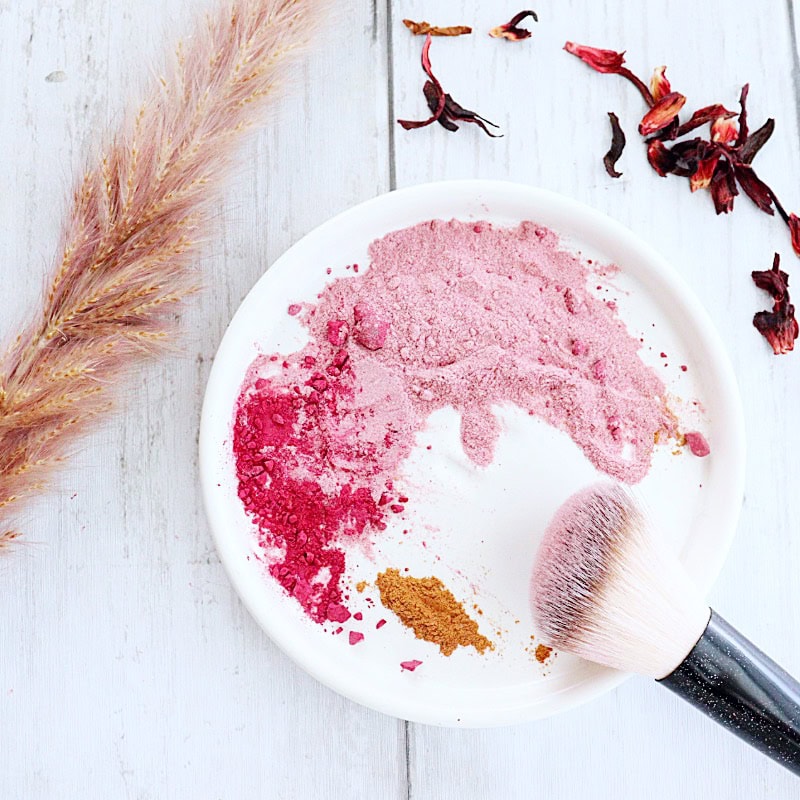
You will be more limited on color choices with this option, but it’s perfect if you’re looking to minimze your makeup products with a red-based formula that can be used not only on the eyes, but the lips and cheeks as well.
Ingredients:
- Arrowroot Powder (2 tbsp): Arrowroot powder is a natural thickener that helps bind the ingredients together and create a smooth, blendable texture without using talc or mica. It’s light on the skin and allows for buildable coverage.
- Cocoa Powder (1 tbsp): Cocoa powder gives a rich brown shade to your eyeshadow and is an excellent option for neutral tones. It also has antioxidant properties that can be beneficial to the skin.
- Beetroot Powder (1/2 tsp): Beetroot powder adds a soft pink or reddish tint to your eyeshadow. It’s a natural colorant with anti-inflammatory properties, and it can be used to create a variety of shades depending on the amount used.
- Activated Charcoal (1/4 tsp, optional): Activated charcoal can be used to deepen your eyeshadow for a smoky look. It helps to create dark, intense colors and is gentle on the skin.
- Coconut Oil (1 tsp): Coconut oil helps to bind the powders together and adds a smooth, creamy texture that glides easily onto the skin. It also provides moisturizing benefits and has antimicrobial properties.
- Jojoba Oil (1/2 tsp): Jojoba oil is a non-greasy, moisturizing oil that helps balance the texture of the eyeshadow and keeps it from looking cakey or dry. It also helps the shadow last longer without smudging.
Instructions:
- In a small bowl, combine the arrowroot powder, cocoa powder, and beetroot powder. If you want a darker shade, you can also add the activated charcoal.
- Gradually add the coconut oil and jojoba oil to the powder mixture, stirring until you get a smooth, paste-like consistency.
- If you prefer a thinner or more powdery texture, add more arrowroot powder to adjust the consistency. You want it to be smooth but not too liquid. Once the consistency is to your liking, stir well.
- Transfer your eyeshadow into a small container with a tight-fitting lid. Let it sit for a few hours to fully set before use.
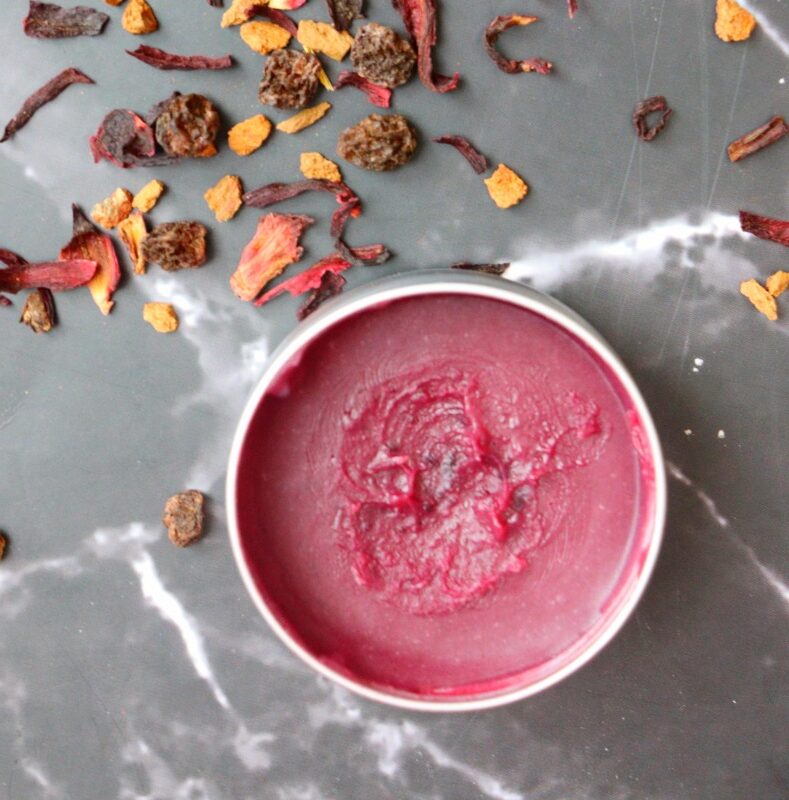
DIY Eyeshadow Cream (with Shea Butter and Jojoba Oil)

Maybe powders aren’t your thing. If you prefer the bold look of a DIY cream eyeshadow, this highly blendable recipe is easy to make and customizable for any shade. Thanks to the addition of nourishing plant oils, it provides a smooth, hydrating finish that lasts without creasing.
Ingredients:
- Shea butter (1 tsp): Nourishes the delicate eyelid skin while providing a creamy texture
- Beeswax or Candelilla Wax for Vegan Option (1 tsp): Helps solidify the formula and improves staying power
- Jojoba or Sweet Almond Oil (1 tsp): Lightweight and non-greasy for easy blending
- Arrowroot powder (½ tsp): Gives the shadow a smooth, soft-focus finish
- Mica powder (½–1 tsp): Provides pigment and shimmer (e.g., bronze, gold, rose, or pearl for highlight)
- Cocoa Powder or Activated Charcoal (¼ tsp, optional): Adds depth for a more intense shade
- Vitamin E Oil (1 drop, optional): Acts as a natural preservative and nourishes the skin
Instructions:
- In a double boiler (or a heat-safe bowl over simmering water), melt the shea butter, beeswax, and jojoba oil until fully combined.
- Remove from heat and stir in Vitamin E, arrowroot powder, and mica powder until smooth. Adjust pigment as needed for your desired shade.
- Pour the mixture into a small tin or jar and let it cool and solidify for at least 1 hour. A shallow container works best and will provide the greatest application each.
- As for how to use cream eyeshadow, apply with your fingertips or a brush for a soft, blendable wash of color. Layer for more intensity or mix with a little facial oil for a sheer, glossy effect.
Cost Savings of Making Your Own Eyeshadow

The price of store-bought eyeshadows can vary widely, but many high-quality options can cost anywhere from $10–$30 per palette. Each of these DIY versions made for an affordable and customizable alternative, providing natural, long-lasting color at a fraction of the cost.
Let’s break down thoroughly how much you stand to save with each one.
- DIY Eyeshadow With Mica
- Mica Powder: $13 for a 30 oz bag (~$0.08 for 1 tsp)
- Arrowroot Powder: $6 for an 8 oz bag (~$0.12 for 1 tsp)
- Activated Charcoal: $10 for a 1 lbs bag (~$0.05 for 1/2 tsp)
- Cocoa Powder: $6 for an 8 oz container (~$0.03 for ¼ tsp)
Cost per batch: ~$0.28
Store-Bought Equivalent: ~$6+ for 0.1 oz loose powder (e.g., L.A. Colors or similar options)
Savings per Batch: $5.72
- DIY Eyeshadow Without Mica
- Arrowroot Powder: $6 for an 8 oz bag (~$0.38 for 2 tbsp)
- Cocoa Powder: $6 for an 8 oz container (~$0.38 for 1 tbsp)
- Beetroot Powder: $10 for an 8 oz bag (~$0.07 for 1/2 tsp)
- Activated Charcoal: $10 for a 1 lbs bag (~$0.25 for 1/4 tsp)
- Coconut Oil: $9 for an 16 fl oz tub (~$0.09 for 1 tsp)
- Jojoba Oil: $7 for a 4 fl oz bottle (~$0.14 for 1/2 tsp)
Cost per batch: ~$1.41
Store-Bought Equivalent: ~$6+ for 0.1 oz loose powder (e.g., L.A. Colors or similar options)
Savings per Batch: $4.59
- Homemade Cream Eyeshadow
- Shea Butter: $8 for an 8 oz tub (~$0.16 for 1 tsp)
- Beeswax: $8 for a 15 oz bag (~$0.08 for 1 tsp)
- Jojoba Oil: $7 for a 4 fl oz bottle (~$0.28 for 1 tsp)
- Arrowroot Powder: $6 for an 8 oz bag (~$0.06 for ½ tsp)
- Mica Powder: $13 for a 30 oz bag (~$0.08 for 1 tsp)
- Activated Charcoal: $10 for a 1 lbs bag (~$0.25 for 1/4 tsp)
- Vitamin E Oil: $6 for a 2 fl oz bottle (~$0.10 per drop)
Cost per batch: ~$1.01
Store-Bought Equivalent: ~$7+ for 0.16 oz (e.g., Revlon, Kaely, e.l.f., and similar brands)
Savings per Batch: $5.99
Why Make Your Own Eyeshadow?

Most store-bought eyeshadows contain synthetic dyes, preservatives, and chemicals that can cause irritation, particularly on the sensitive skin around the eyes. Here are some harmful ingredients commonly found in conventional eyeshadows:
- Mica: While mica gives eyeshadows their signature shimmer, it’s been linked to child labor in certain countries where mica is mined. Mica is not inherently bad and can be sourced through ethical channels, but many cosmetics companies (especially cheaper ones) do not opt for these.
- Titanium Dioxide: This mineral is often used for its white pigment and UV protection and is also not inherently bad, but it can be irritating for sensitive skin when used in large amounts. There is also some concern about nano-particle penetration into the skin, so non-nano minerals are considered safer.
- Bismuth Oxychloride: Often found in mineral makeup, bismuth oxychloride can cause irritation and breakouts, particularly in people with sensitive skin.
- Synthetic Dyes: Often derived from coal tar, synthetic dyes can cause skin irritation, allergies, or even be carcinogenic in large amounts.
- Parabens: Preservatives linked to hormone disruption and skin issues.
- Talc: A mineral that’s often contaminated with asbestos in its natural state and can cause respiratory issues when inhaled.
- Fragrance: Artificial fragrances can cause allergic reactions (including headaches) and skin irritation.

Amber obtained Bachelor of Arts degrees in English, Creative Writing, and Psychology from The University of Oxford and Arcadia University. She is an avid crafter, gardener, quail farmer, wannabe novelist, and self-proclaimed eco adventurer. From living in a camper van to living in a tiny house, she is enamored by the small and self-sufficient; and aspires to one day become an off-grid micro-farmer, bridging sustainability with non-toxic living and eating. With a passion for outdoor sports like rock climbing, skiing, and travel, having already backpacked across 30 countries, she is always up for the next big adventure while seeking ways to minimize her impact along the way.