















We’re sole-d on recycled shoes and we’re talking tennies made of trash, boots out of bottles, and circular skate shoes. All of these and more are used by numerous brands to create on-point footwear to keep you in step (environmentally speaking).
Turns out, there are quite a few companies that make shoes from recycled plastic. So we researched and tested a bunch to find our favorite shoe brands who not only use recycled materials but also ethical labor and green business practices.
Note: Our brand rating system assesses brands based on multiple sustainability-related criteria, including things like climate action, biodiversity impact, and ethics in the supply chain. Brands need to opt in to be rated. Look out for rated brands below and find others in our directory.
We independently research all featured brands, and we ask them to confirm their claims. In many cases we personally review recommended products. This post contains affiliate links which means we may earn a commission if you buy something. We explain this further in our Terms of Use.
Our Top Picks: Shoes Made From Recycled Plastic & Recycled Materials
Thousand Fell not only make some of the best recycled plastic shoes (we’ve been wearing them for over a year now), but are one of the best recyclable shoe brands owing to their innovative zero waste take back system.
From apple industry scraps to recycled foam, Dooeys shows us just how versatile shoes made from recycled materials can be. We love wearing their house shoes which are a true do-it-all slip-on.
Index: Recycled Shoe Brands
- Cariuma Jump to brand
- Thousand Fell Jump to brand
- Dooeys Jump to brand
- VIVAIA Jump to brand
- Saola Jump to brand
- Native Shoes Jump to brand
- Icebug Jump to brand
- VEJA Jump to brand
Cariuma
Price Range: $79–$169
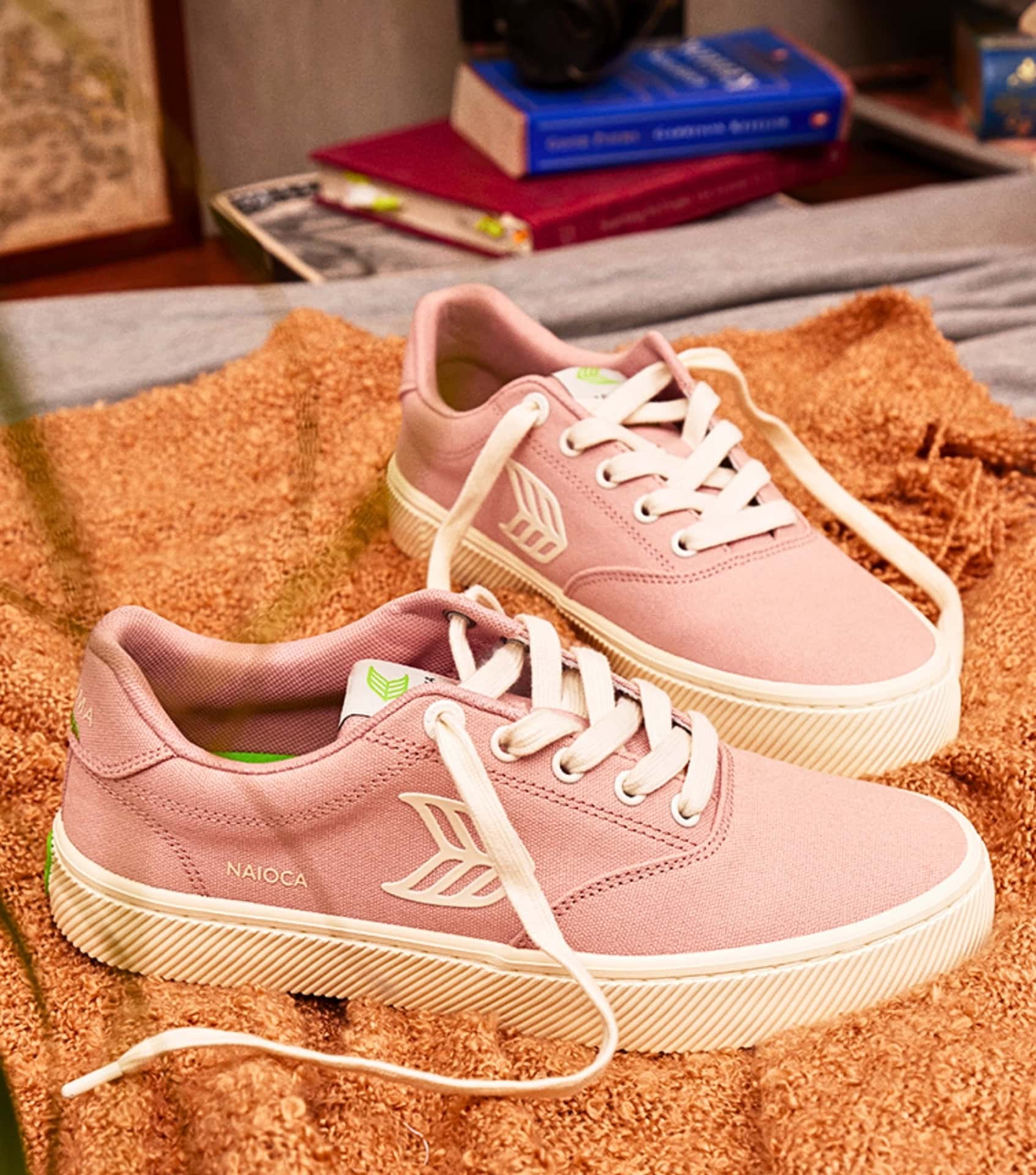
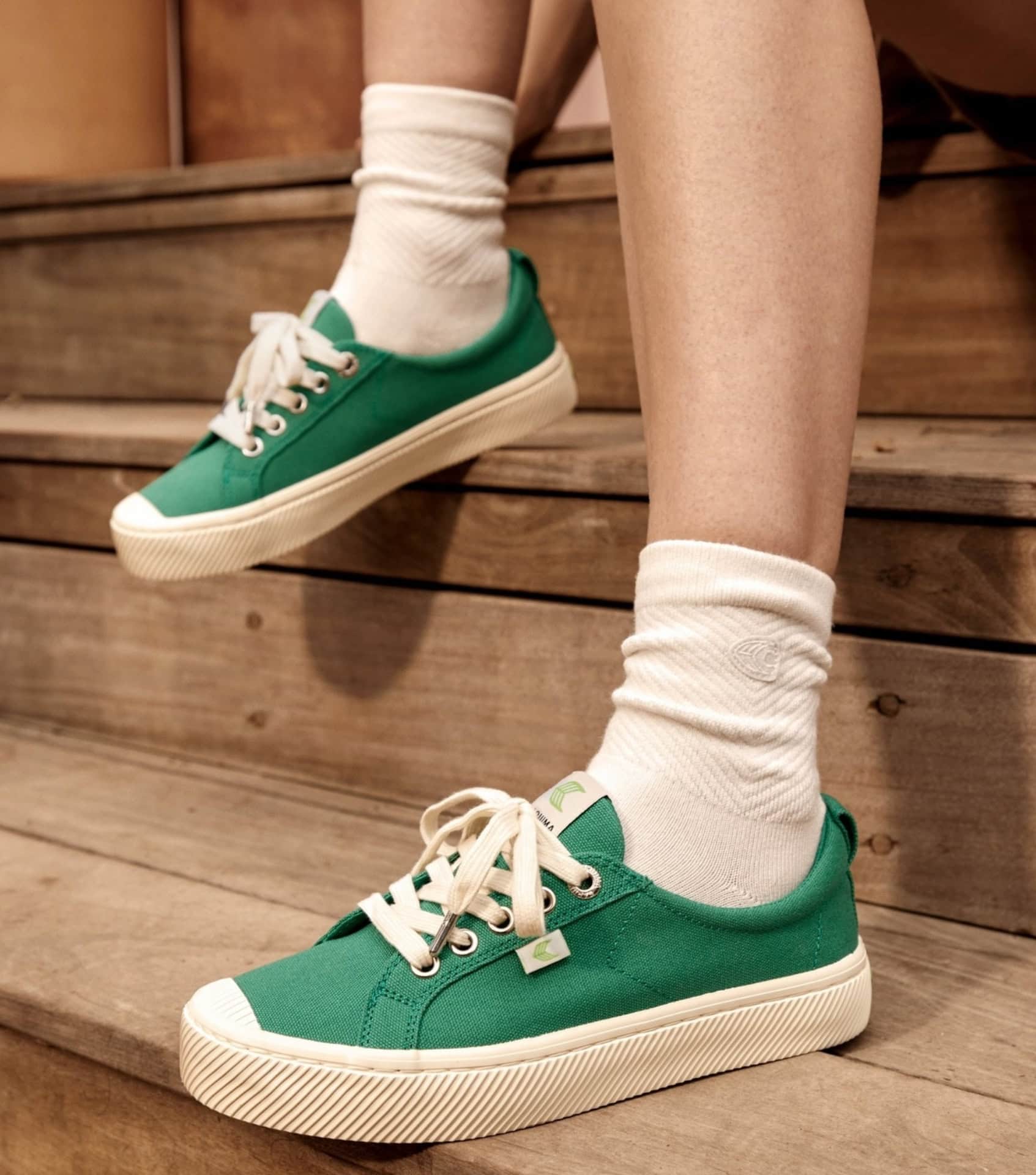
Cariuma brings a retro flair to sustainability with its recycled plastic sneakers, including high-tops, low-tops, and slip-ons like the classic OCA Low. The brand’s GRS-certified recycled PET makes up the uppers, laces, labels, and threads, ensuring every pair contains a verified percentage of recycled content.
Complementary materials include bamboo, natural rubber, GOTS-certified organic cotton, sugarcane, mamona oil, and LWG Gold-certified vegetable-tanned leather. About 65% of Cariuma’s styles are vegan, and all use bluesign®-approved dyes.
As a Certified B Corp, Cariuma maintains 100% traceability of Tier 1 suppliers, 85% of Tier 2, and 59% of Tier 3, with all manufacturing partners WRAP-certified and wages averaging 79% above legal minimums. Their LWG-Gold leather suppliers use chrome- and chemical-free tanning and water recycling systems to minimize impact.
Their LEED Gold and ISO 14001:2015 certified warehouse meets high environmental standards, and all shoes are boxed in recycled cardboard and shipped carbon-neutral—a fitting finish for one of the world’s most sustainably designed sneaker brands.
My Personal Review of Cariuma Catiba Pros:
“I worn my paid of Catiba Pros for the last 3 years. While they’re built for skateboarding, they’re great for everyday urban adventures. Compared to Cariuma’s standard line, like the OCA Low, which is more of a retro-inspired casual sneaker, the Catiba Pro has added padding, better grip, and reinforced rubber protection. This added durability does come at the cost of weight, making these shoes a bit heavier and not my top choice for long walks or all-day activities, as they tend to make my feet a bit tired. Having said that their cork insole does provide nice cushioning.
But if you want robust sneakers with reinforced support (and cool suede accents), I’d say these are a good choice. My money’s on these having the longest lifespan out of all my sneakers.”
Review by Lyall Mabin, SJ’s Co-founder
Thousand Fell
Price Range: $125–$135
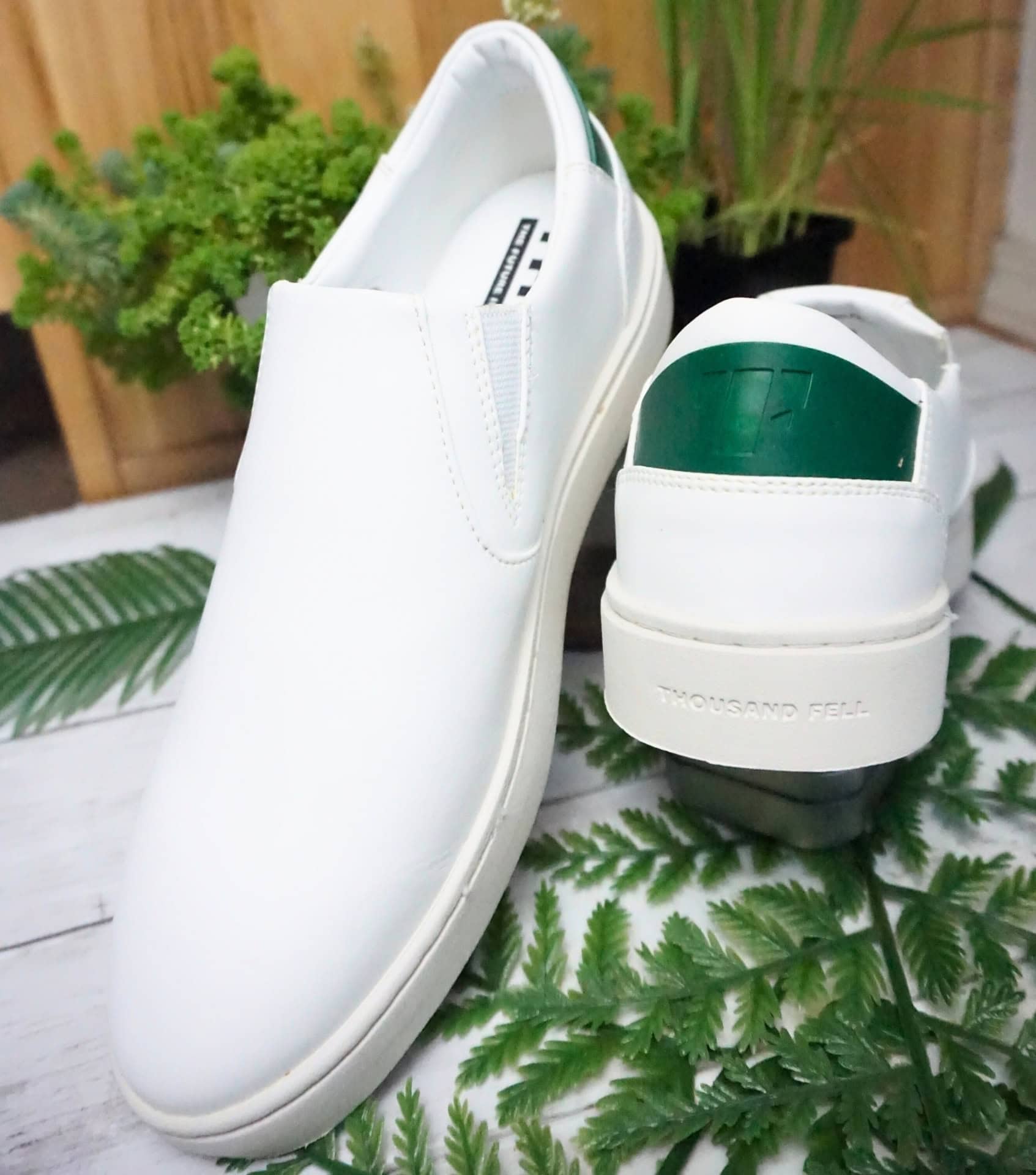
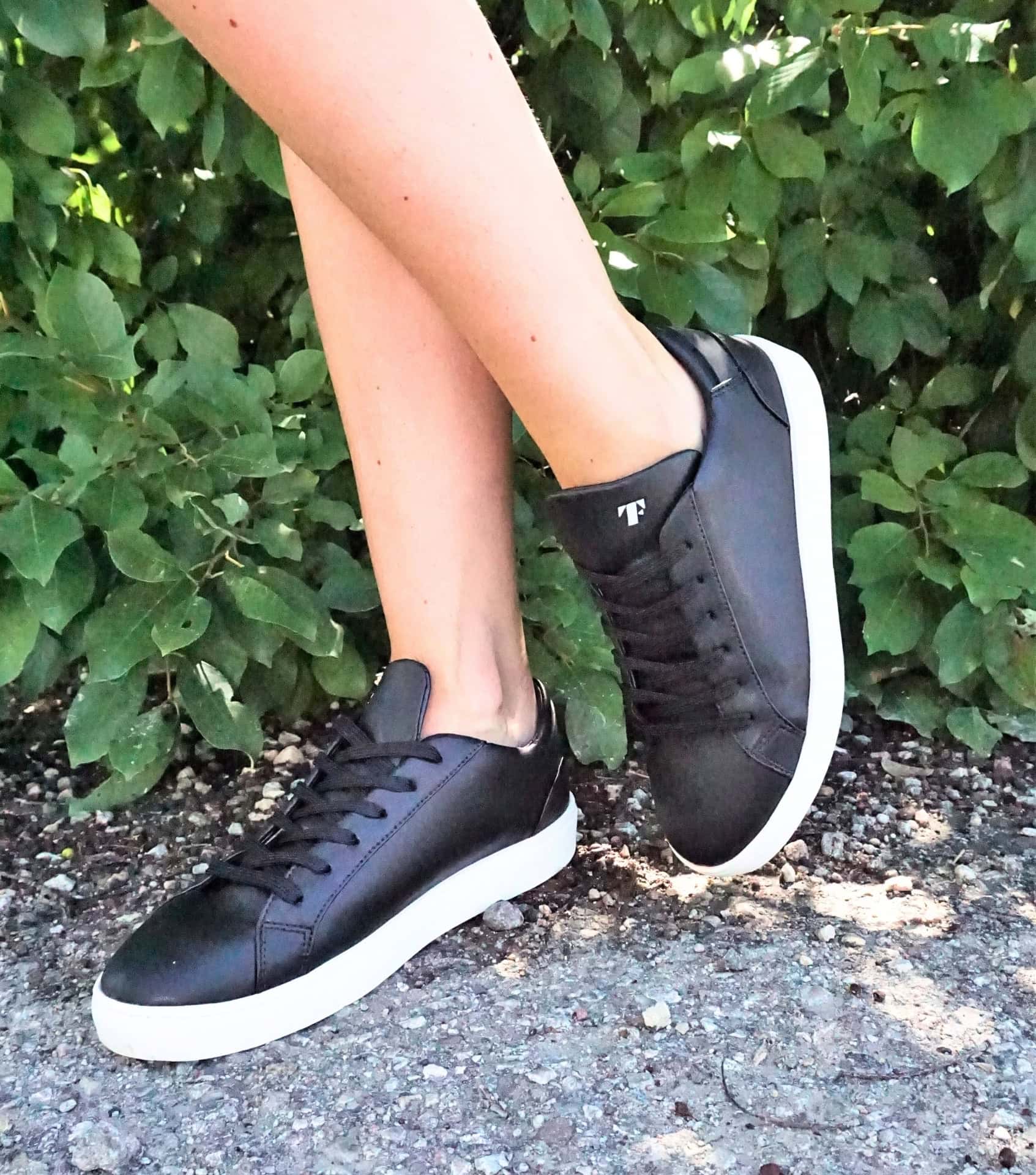
Thousand Fell has created the first fully recyclable, closed-loop sneaker, designed to keep shoes out of landfills and in circulation. Their vegan, water-resistant, and stain-proof sneakers are built to last up to 2.4 million steps while maintaining comfort and durability.
The leather-like uppers are made from recycled plastic bottles, complemented by mesh liners and laces crafted from the same material. A quartz coating repels liquids, while the outsoles use recycled rubber and the midsoles and insoles incorporate castor beans, coconut husk, sugarcane, and palm leaf fibers—many sourced from food waste.
All sustainable sneakers are ethically made in a family-owned factory in Brazil, prioritizing locally sourced materials wherever possible. Customers can send back worn pairs for a $20 credit—Thousand Fell will refurbish and donate them, or break them down to create new sneakers. Any unrecyclable materials are upcycled through partner programs.
The company offsets its carbon and water footprint, ships in FSC-certified packaging, and includes an organic tote bag with every order. A proud 1% for the Planet member, Thousand Fell also partners with Soles4Souls to donate refurbished shoes to those in need.
My Personal Review of Thousand Fells’ Slip-On & Lace-Up:
“Though I can’t speak for a 2.4 million step test (yet) after trying the Women’s Slip-On and Women’s Lace-Up, I can say that they live up to the brand’s claim of being “comfy AF”. What I’m most impressed about regarding the Slip-On style is how secure it fits. It isn’t like other slip-on skate shoes that sometimes slide off the heel when you least expect it. These ones fit like a glove but stretch comfortably around the foot. Likewise, the Lace-Ups fit soft and snug, with a bit more support than the Slip-ons, making them ideal for longer wear and greater mileage.”
Review by Amber McDaniel, SJ’s Head of Content
My Personal Review of Thousand Fells’ Slip-Ons:
“I tried the Men’s Slip-Ons and I have to say, I’m impressed. Despite my initial concerns about the all-white material, the shoes are super easy to keep clean with just a quick wipeover. But most impressive is how comfortable they are. They’re well-cushioned and hug the foot securely, without any annoying slipping around when I walk.”
Review by Christopher Ryan, SJ’s Menswear Tester
Dooeys
Price Range: $130–$140
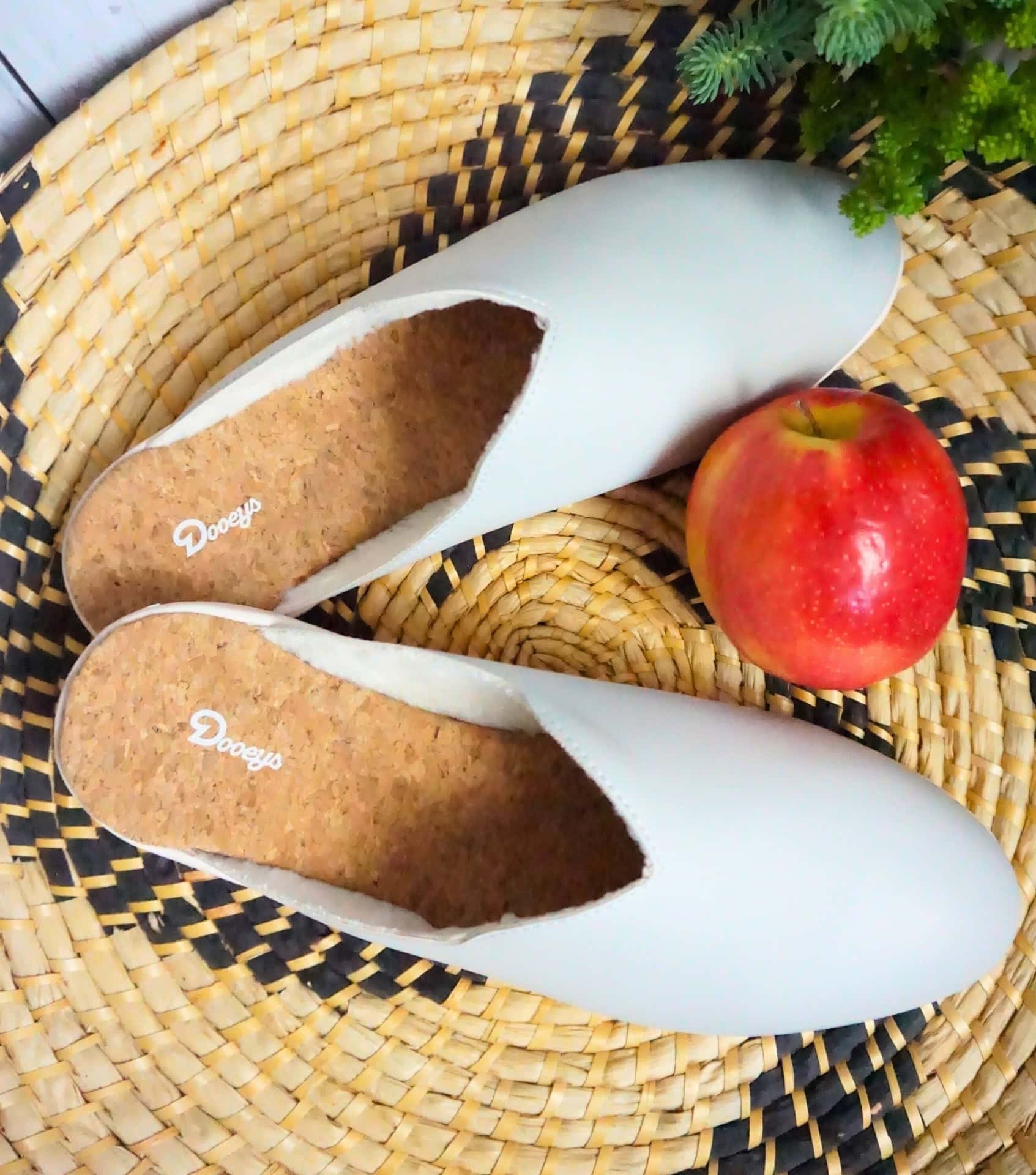
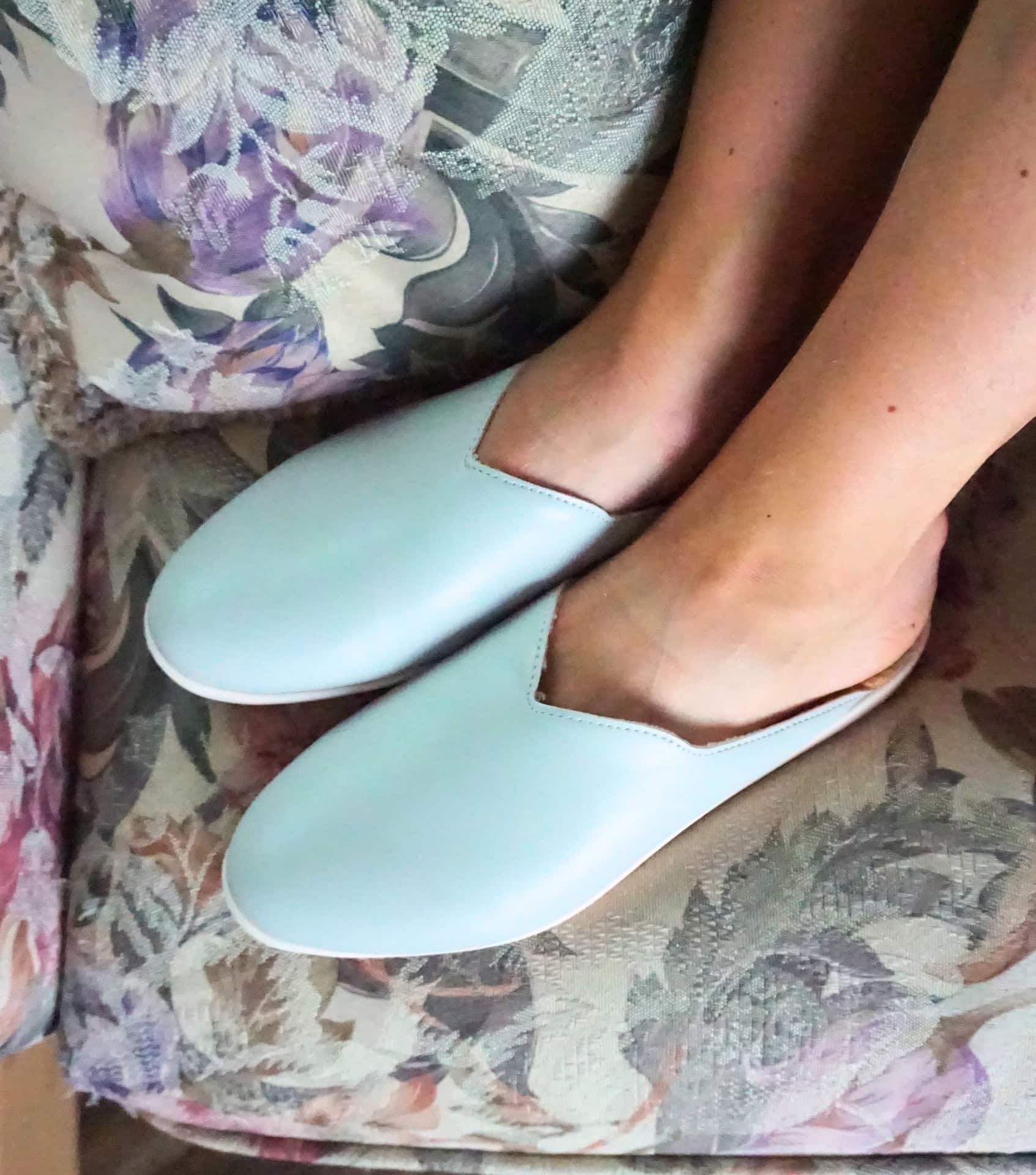
Dooeys is a female-founded footwear brand specializing in recycled house shoes—including loafers, mules, and sandals—designed for comfort, versatility, and effortless style. Their popular House Mules feature a cozy open-back design perfect for indoor wear.
Each pair is made from upcycled apple scrap vegan leather uppers, recycled rubber soles, recycled plastic bottle sherpa fleece lining, sugarcane midsoles, and cork and recycled foam insoles. The contoured cork insoles offer exceptional arch support and cushioning for all-day comfort.
All Dooeys shoes are ethically made in Portugal, where factories uphold high labor and environmental standards. The brand also ensures carbon-neutral shipping, small-batch production to reduce waste, and a strong focus on plant-based and recycled materials to lower its overall footprint.
My Personal Review of Dooey’s House Shoes:
“I tested out the House Mules, and what I love about these sustainable house shoes is that they can actually be used for much more than that. With a durable hard outsole and cork-moulded footbed, these surprisingly supportive minimalist indoor/ outdoor slides are also perfect for padding around the garden or even making a quick trip to the grocery store. They don’t even look like you’re wearing slippers due to the sleek, apple leather outer that really makes them look like any old pair of mules.”
Review by Amber McDaniel, SJ’s Head of Content
VIVAIA
Price Range: $97–$199
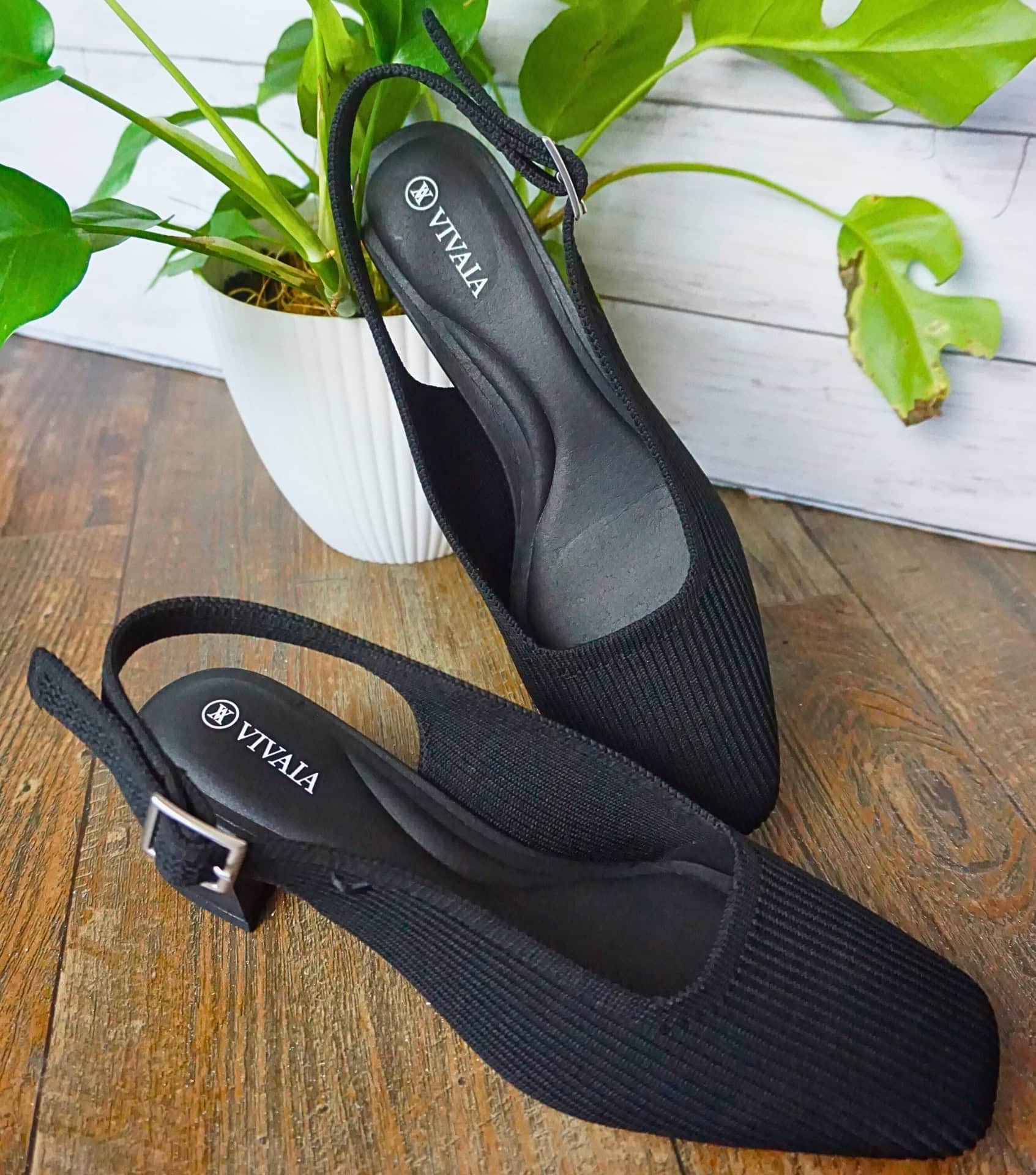
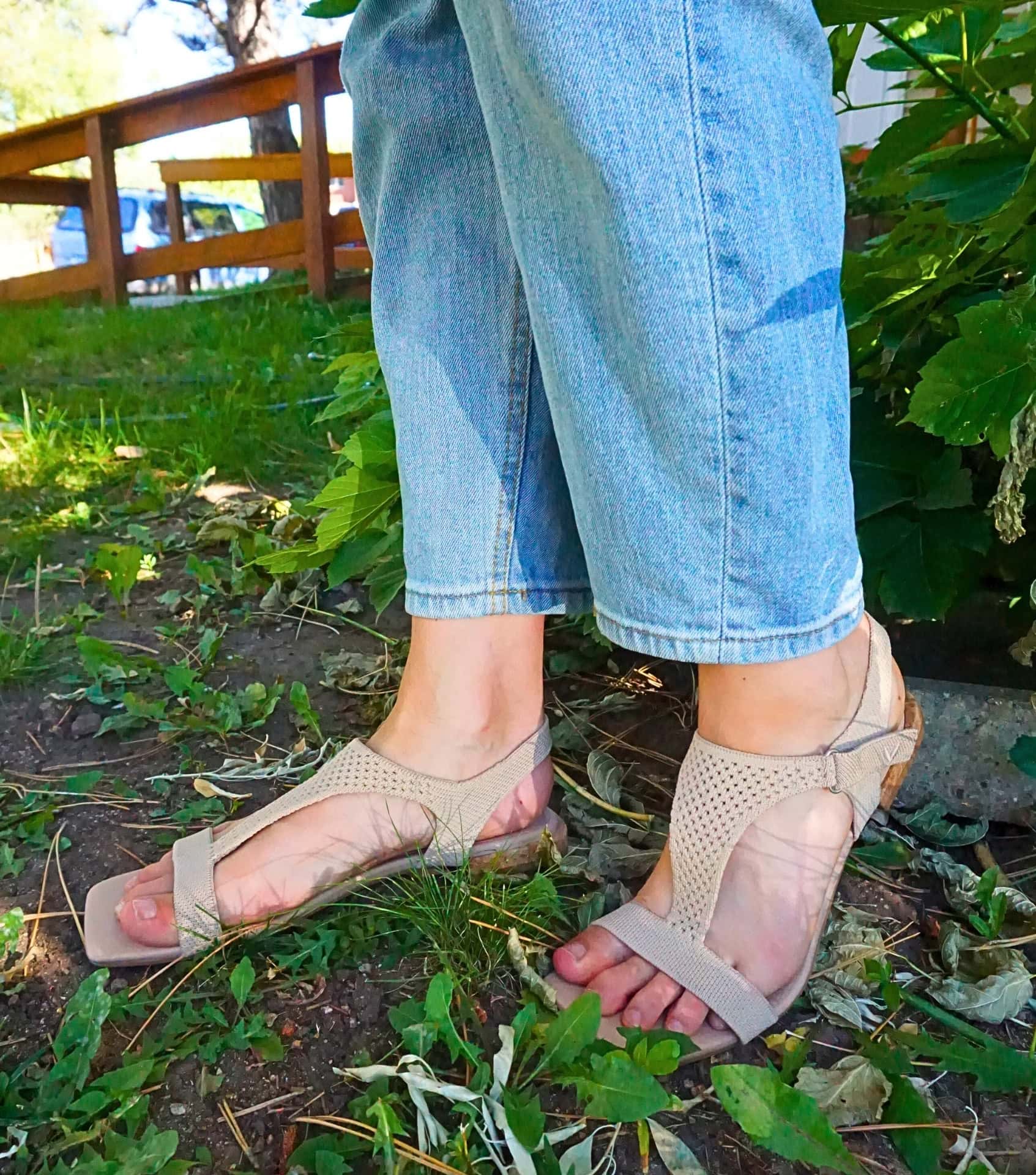
Vivaia crafts stylish, washable shoes—from heels and loafers to sneakers and boots—using recycled and responsibly sourced materials. While primarily focused on women’s shoes, they also offer a small line of men’s sneakers.
Each pair is made from around six recycled ocean plastic bottles, spun into Vivaia’s signature thread for the knitted uppers. Additional materials include herbal PU foam insoles, carbon-free rubber outsoles, and natural latex or recyclable TPE yoga mat midsoles. Many designs are vegan, though some incorporate wool.
Vivaia manufactures in a regularly audited factory in China, maintaining fair labor and safe working conditions. The facility is partly powered by renewable energy, follows a low-waste process that cuts production waste by 30%, and uses 100% recycled cardboard packaging.
My Personal Review of VIVAIA’s Melody Slingback Heels:
“I’ve always loved the elegant look of slingbacks, but I’ve never been a fan of heels—until now. The Melody Slingbacks are the perfect balance, offering the chic, classy look of heels in a comfortable, low-rise design that doesn’t make me worry about rolling my ankle with every step. And, just like all the other VIVAIA shoes I’ve tried, the recycled stretch knit uppers are incredibly soft and gentle on my feet.”
Reviews by Amber McDaniel, SJ’s Head of Content
Saola
Price Range: $45–$120
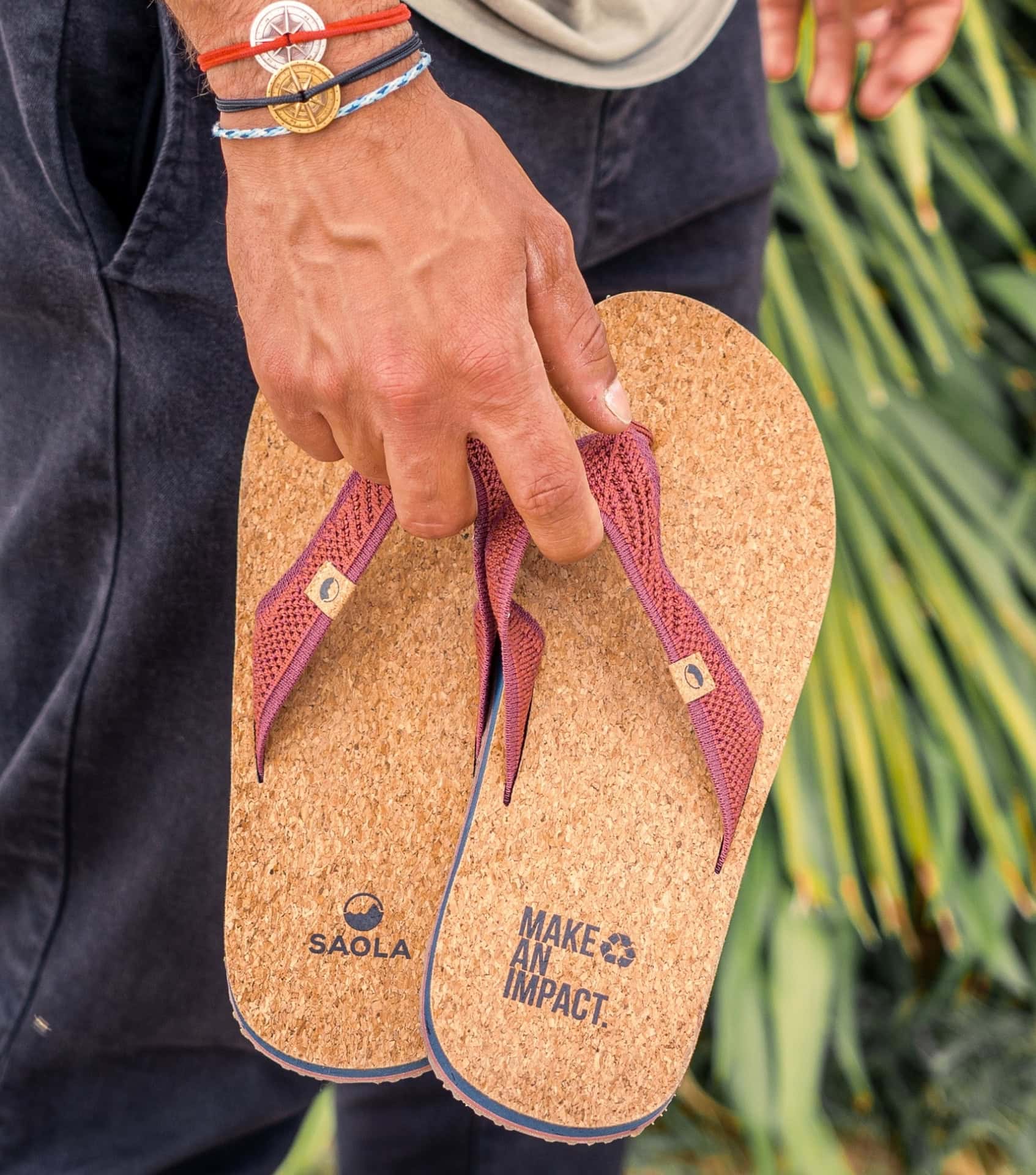
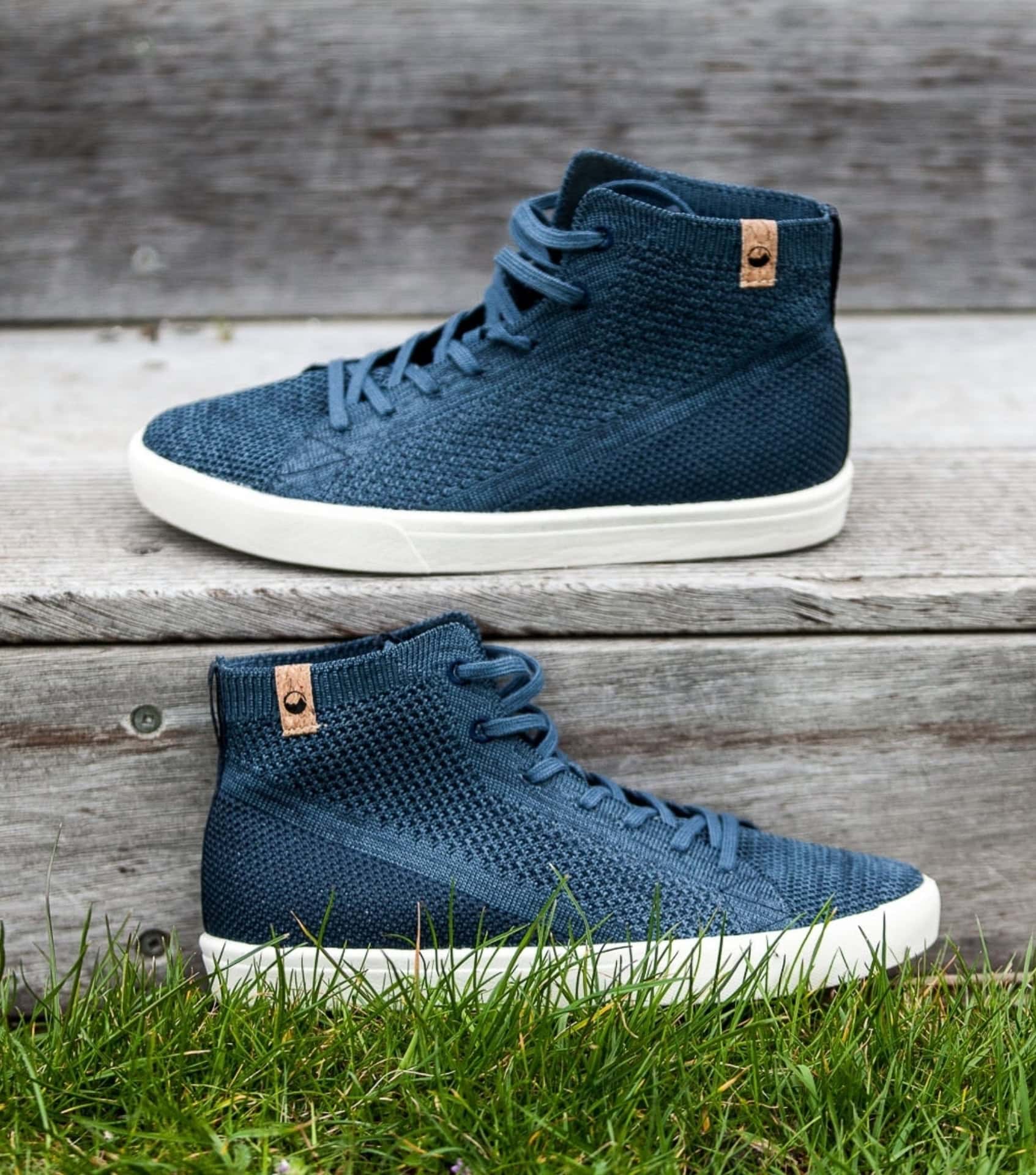
Named after an endangered Southeast Asian bovine, SAOLA is a French footwear brand creating lightweight, machine-washable sneakers, slip-ons, and sandals made from recycled and natural materials.
Their standout Alta Vibram shoes feature 90% recycled Ecostep Vibram soles, fully recycled linings, partially recycled uppers (blended with organic cotton), and midsoles made with 25% recycled EVA foam—which gives them their signature speckled look.
Each pair of SAOLA shoes incorporates 3–7 recycled plastic bottles, turned into GRS-certified rPET yarn, along with recycled algae foam insoles (BLOOM Foam), partially recycled EVA midsoles, organic cotton laces, and natural cork insoles.
Production takes place in a responsible Vietnamese factory known for strong social and environmental standards, with regular on-site visits to ensure ethical and transparent practices.
Native Shoes
Price Range: $32–$110
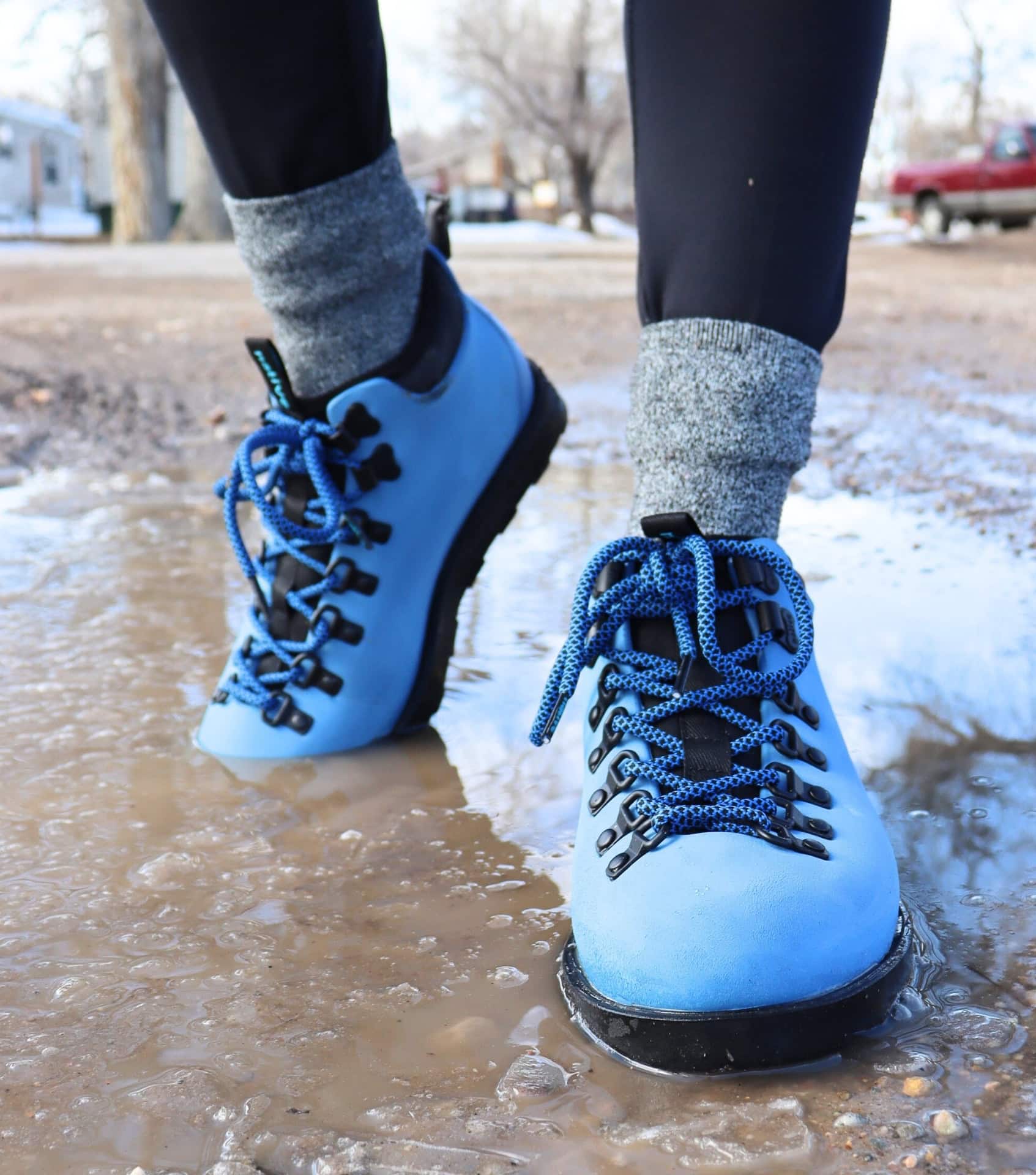
Native Shoes is a Canadian footwear brand known for its lightweight, low-impact shoes made from recycled and bio-based materials. As a PETA-approved vegan shoe brand, all products are free from animal byproducts—including the rugged Fitzsimmons Citylite Bloom boots, which blend adventure-ready style with sustainability.
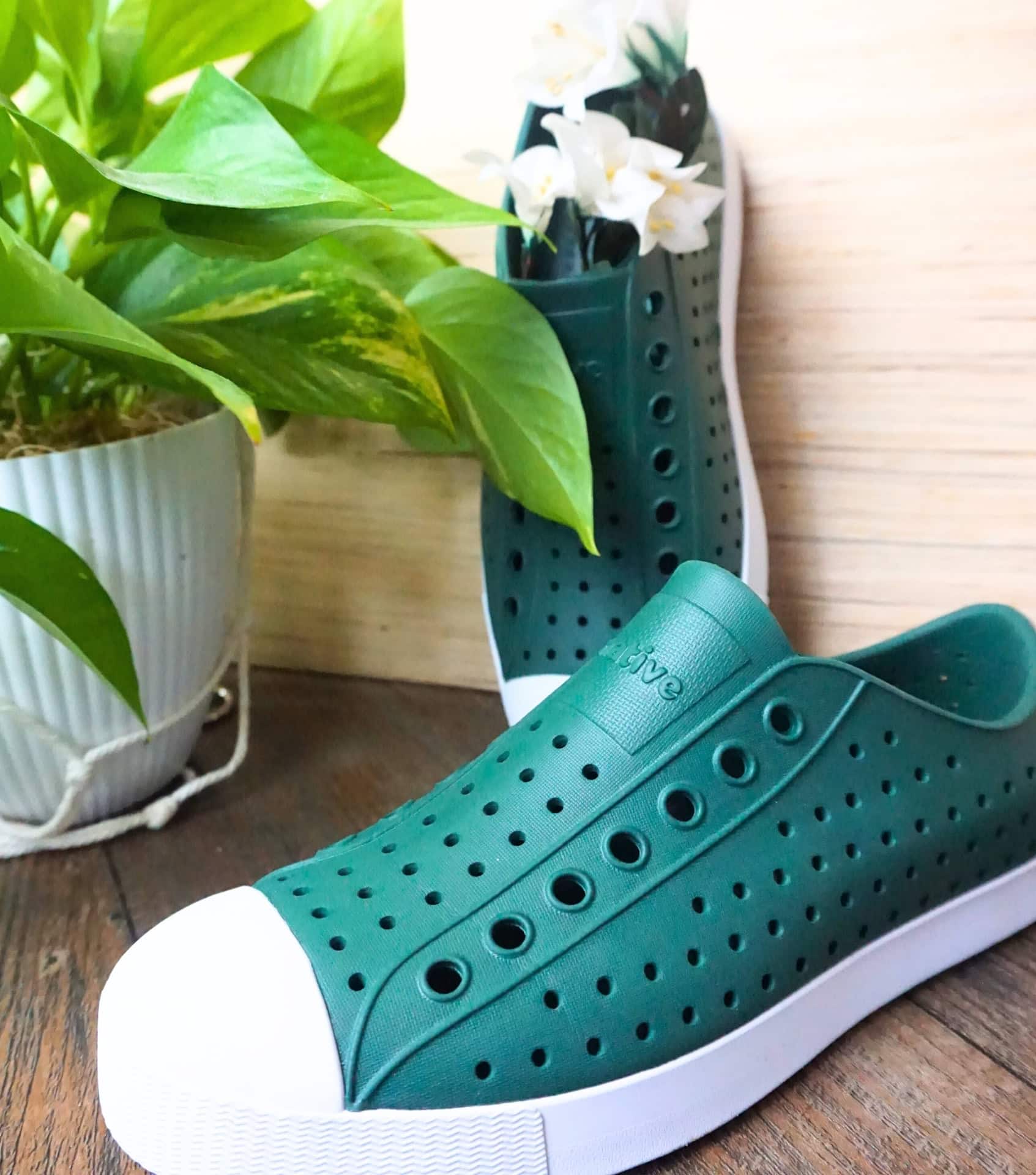
Their shoes feature innovative materials like Injection Molded bio-based EVA foam, recycled PET uppers, upcycled algae foam, solvent-free vegan suede, corn-based PU, sugarcane, organic cotton, and cork.
Native Shoes ensures ethical labor practices in its Vietnam and China factories and incorporates renewable energy, water conservation, and sustainable transport methods in its operations.
Through the Remix Project, customers can return worn shoes to be recycled into new footwear, playground surfaces, insulation, or seating—supporting a truly circular model.
My Personal Review of Native Shoes’ Fitzsimmons Citylite Bloom:
“I love Native Shoes’ lace-up ankle boots! They’re way more comfy than the stiff, sweaty rubber boots I used to wear. They mix fun, bold colors with solid performance, and the laces help them fit much more snugly than slip-on wellies. My feet don’t sweat nearly as much in these compared to rubber boots, but they’re still plenty warm, thanks to the neoprene sock liner. Plus, the extra padding around the heel makes them so comfy that I can wear them all day without worrying about blisters.”
My Personal Review of Native Shoes’ Jefferson Sugarlite™:
“The Jefferson Sugarlite™ has quickly become my favorite all-purpose summer shoe, especially for water-based activities. This impressive water shoe dries incredibly fast once I’m out of the water, making it effortless to transition from the beach to the street without compromising on style or comfort. No more soggy shoes!”
Reviews by Amber McDaniel, SJ’s Head of Content
Icebug
Price Range: $139–$239
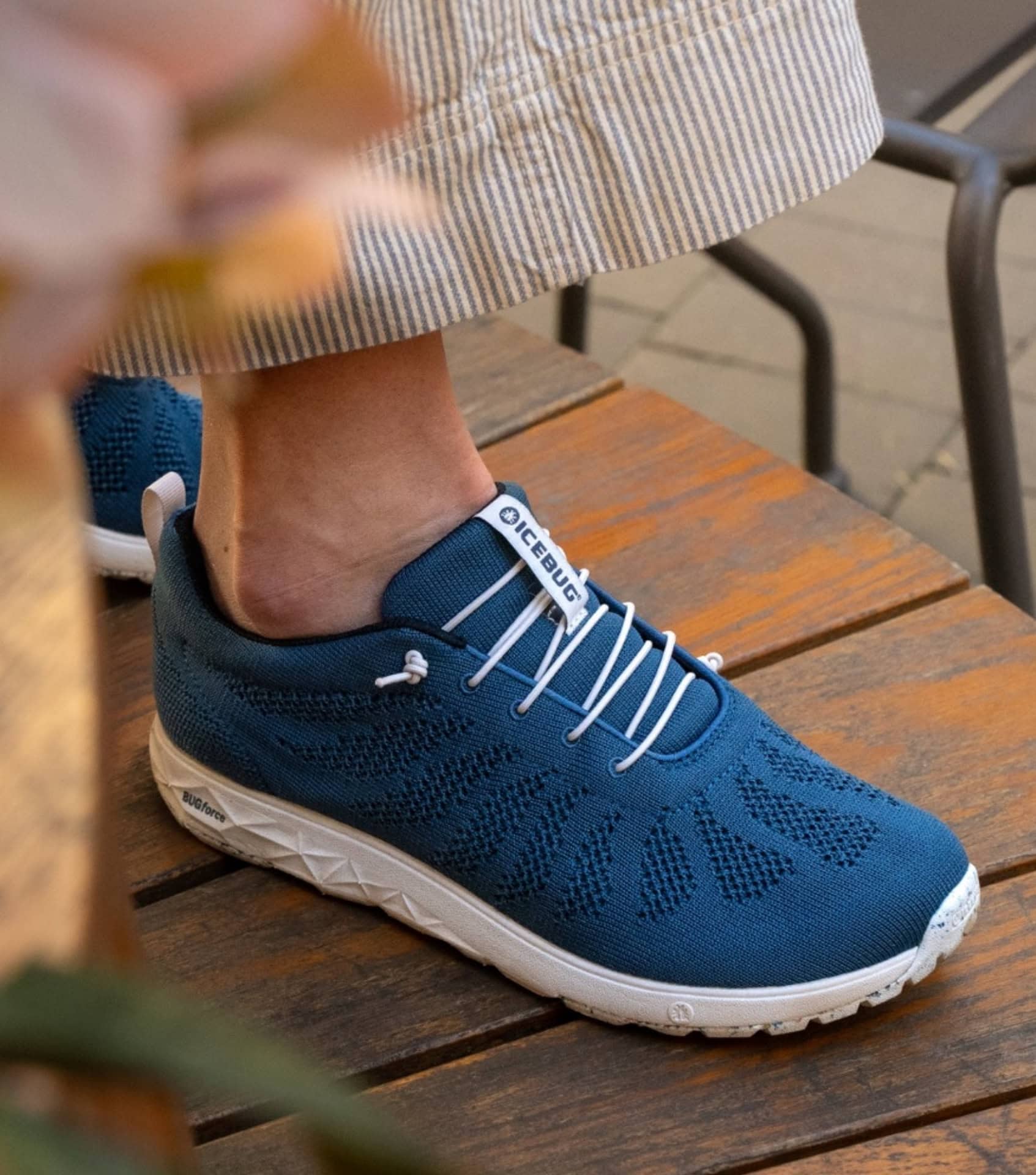
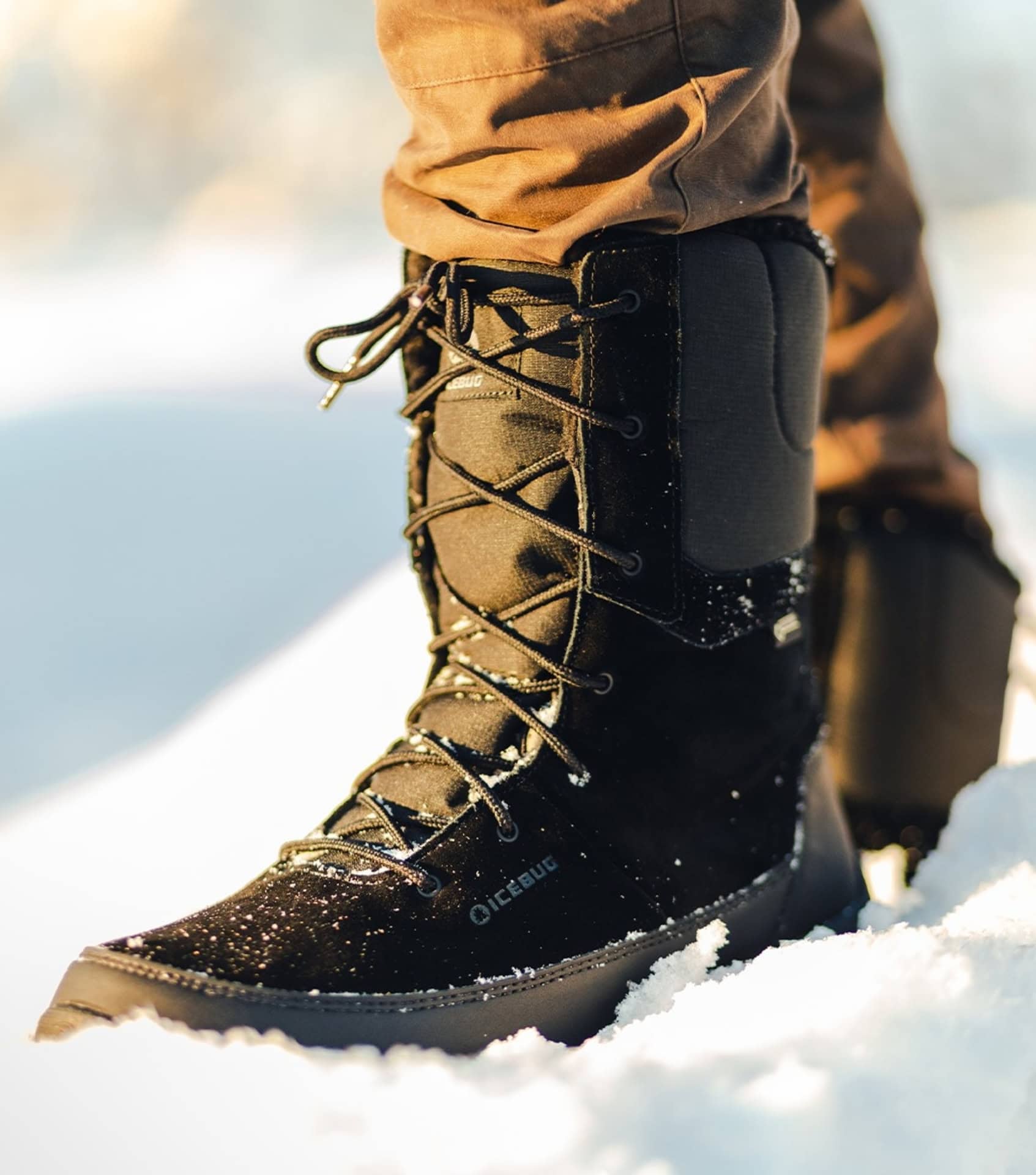
Icebug is a Swedish footwear brand specializing in outdoor shoes, including sustainable hiking boots, trail runners, and studded winter shoes designed for grip, comfort, and durability.
A standout style is the Eli RB9X, made primarily from recycled materials—including a removable recycled foam insole—and praised for its breathability and performance.
Key materials across Icebug’s collection include RWS wool, BLOOM™ algae foam, LWG Gold-certified leather, natural rubber, recycled polyester, and recycled wool sourced from another Swedish company. They also prioritize bluesign®-approved and OEKO-TEX® certified fabrics to ensure material safety and sustainability.
As a Certified B Corp and Fair Wear Foundation member, Icebug upholds fair labor standards in its Vietnamese and Chinese factories, ensuring living wages and ethical working conditions. Each product features a QR code linking to its full production and impact story through the Follow the Footprints initiative.
Icebug aims to halve its carbon footprint, using renewable energy, water-based adhesives, waste reduction measures, and replacement parts to extend product life.
VEJA
Price Range: $70–$120
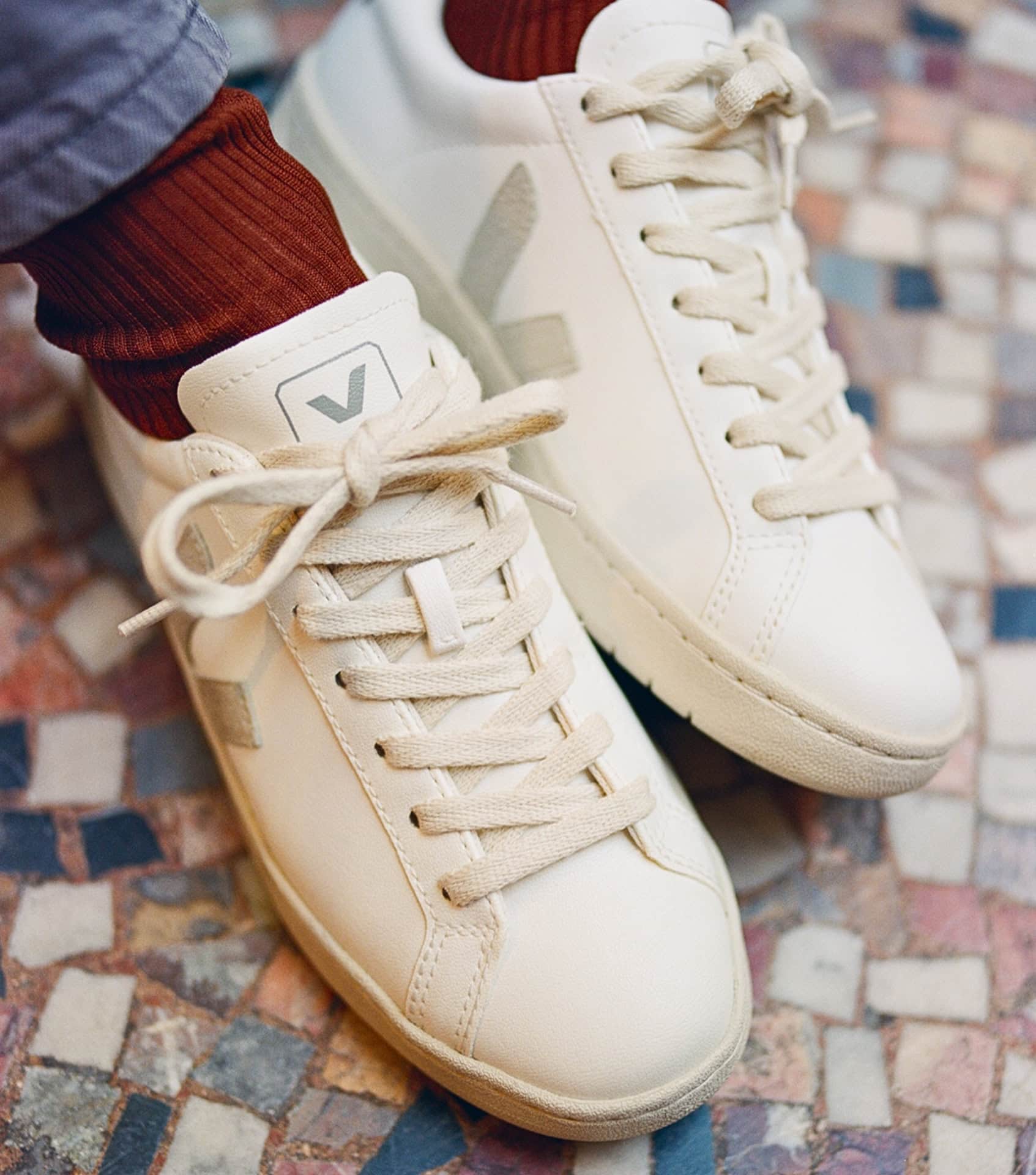
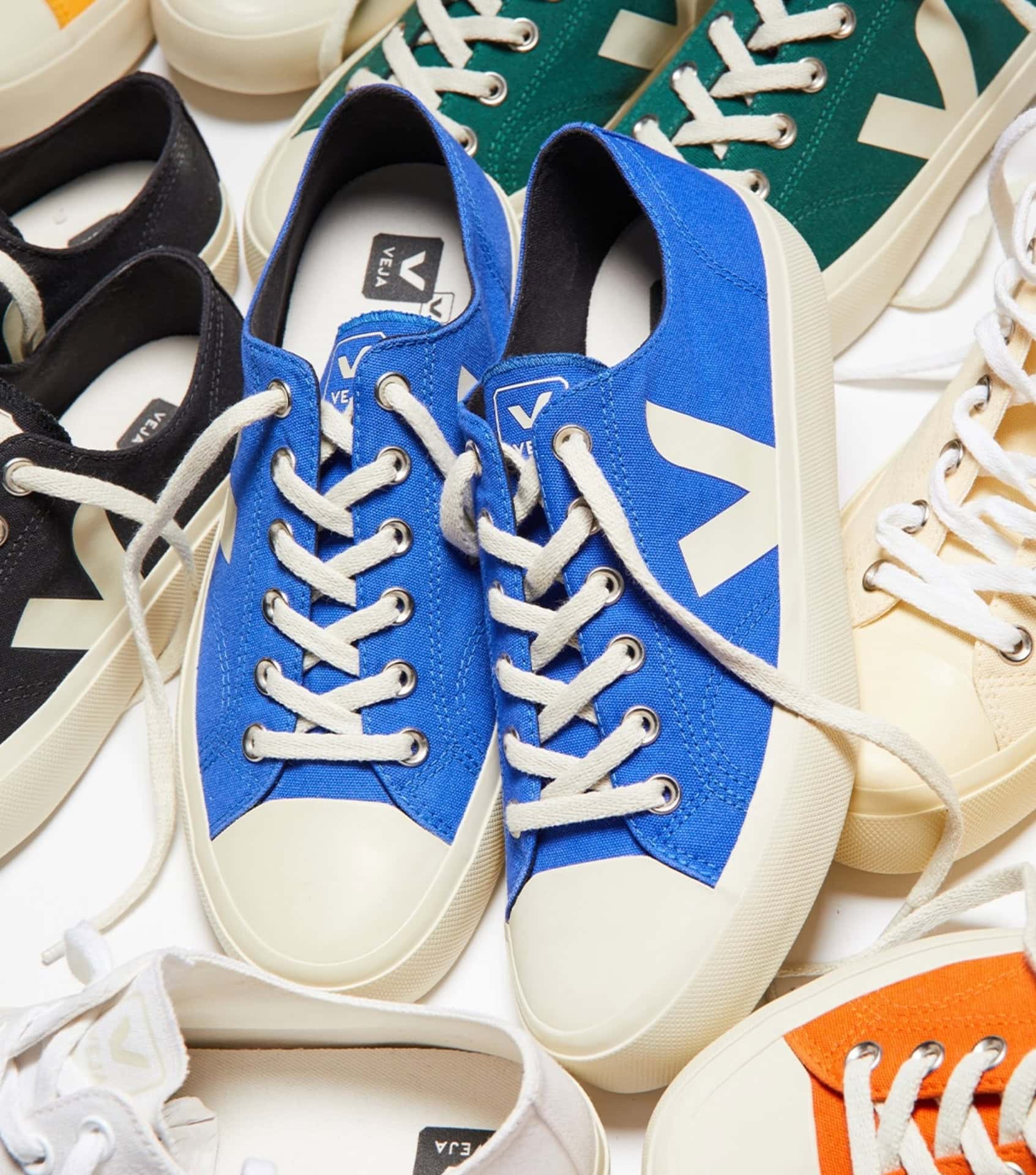
VEJA is a French footwear brand creating stylish and sustainable sneakers from recycled and responsibly sourced materials. Their designs—ranging from active trainers to casual skate shoes—are available for women, men, and kids.
One of their most sustainable styles, the Alveomesh Sneaker, features a recycled polyester upper and lining with a rubber and recycled rice waste outsole. A key material across VEJA’s range is B-mesh, made entirely from recycled plastic bottles. Other materials include organic cotton, rPET Hexamesh, corn-based vegan leather, Amazonian rubber soles, and castor bean or sugar cane midsoles and inserts.
Not all styles are vegan; some use LWG- and REACH-certified leather tanned via vegetable or chrome-free methods.
VEJA’s sneakers are designed in Paris and ethically made in Porto Alegre, Brazil, with most raw materials also sourced locally (except Peruvian cotton). As a Certified B Corp, VEJA ensures fair wages, safe working conditions, and pays small-scale farmers up to double the market price for their raw materials.
The brand uses renewable energy and a closed-loop water system in production, monitors Scope 1–3 emissions, and plans to use 100% organic cotton by 2025. Customers can also send back old VEJA shoes for repair or recycling.
How We Found The Best Recycled Shoes
So what are recycled shoes?
Well, at the risk of sounding obvious, they’re shoes made of recycled materials—at least partially—but that wasn’t our sole consideration.
Just like when we sussed out the sustainable rain boots, repairable shoes and ethical heels, we considered our sustainable and ethical fashion criteria.
Materials:
Footwear is a notoriously finicky subject due to the many components required to make a sturdy pair of shoes.
For this list, we prioritized shoes made from recycled plastic bottles, recycled tires, or any other manner of recycled material, especially anything recycled to replace the EVA foam that makes shoes cushioned—like recycled algae.
Many still struggle adopting sustainable materials here, because when it comes to recycled materials, shoes may require certain performance components that recycled substances can’t match yet.
Shoes made out of recycled plastic are synthetic fabrics, so they’re not compostable, which is okay because shoes rarely are, and they’re diverting sustainable materials from landfills.
- Certifications: Global Recycled Standard (GRS), bluesign®, Global Organic Textile Standard (GOTS), ZQ Merino, Responsible Wool Standard (RWS), Leather Working Group (LWG), Forest Stewardship Council (FSC), Registration, Evaluation, Authorisation, and Restriction of Chemicals (REACH)
Supply chain & labor practices:
Being an ethical shoe brand also means being mindful of the people behind the shoes, as well as the planet under them.
Regular independent audits carried out by third-party organizations are the best way to seek reassurance of high social and environmental standards.
- Certifications: B Corporation, Fair Labor Association (FLA), Worldwide Responsible Accredited Production (WRAP), fair trade
Carbon commitments & green practices:
Shoes made out of recycled materials are the first steps on a path toward sustainable footwear. But it’s a long and winding road that starts with creating durable and washable shoes so that they can cover a lot of ground before needing to be recycled again.
Other things top recycled shoe brands are doing include offering repair and recycling services, counteracting emissions by supporting carbon offset programs, and using renewable energy.
Community & charitable giving:
Shoe brands that use recycled materials AND go the extra mile to circulate the wealth by supporting community events and donating of products or proceeds put an extra spring in our step.
FAQ: Recycled Plastic Shoes
What’s the main focus of the article?
We’re spotlighting nine footwear brands using recycled materials in their shoes, emphasising eco-innovation, ethical supply chains and sustainable manufacturing practices.
What does “recycled shoes” mean in this context?
It refers to shoes made with significant proportions of recycled content (like plastic bottles, rubber, food-waste derived materials) and designed with circular-economy principles (reduced waste, longer life, closed-loop reuse).
Why is recycled material important in shoe production?
Because shoes typically combine many materials (rubber, plastics, textiles, glues) each with its own supply chain and waste impact; using recycled materials helps reduce virgin raw material use, landfill waste, and overall environmental footprint.
What criteria do the featured brands meet for sustainability?
The brands we’ve featured not only use recycled materials but also engage in ethical labour practices, supply-chain transparency, take-back or recycling programmes, and other sustainability pillars such as reduced chemical use and traceability.
How can a consumer evaluate if a shoe brand is truly “recycled” and sustainable?
Check the percentage of recycled content, what specific materials (e.g., “recycled PET bottles”, “recycled rubber outsoles”) are used, evidence of closed-loop design or recycling programs, ethical audits/credentials, and transparency around supply chain.
Final Thoughts On Recycled Shoe Brands
With over 22 billion pairs of shoes ending up in landfill every single year, the footwear industry has to reduce the size of its colossal footprint.
Brands offering shoes made from recycled ocean plastic, recycled plastic bottles, tires, or old shoes is a huge step in the right direction. Let’s just make sure we don’t buy shoes made of recycled plastic if we don’t need them or send them to landfill after one lifetime.
Brands offering circular recycling services are lending a hand (err, foot) in this matter, but it’s important we do our part. If you’re replacing a worn-out pair of shoes, try to recycle them, too.
Have any friends or family that could use some sustainability in their step? Share this list so they too can support recycled shoes brands supporting our planet.
Editor’s note: This article was originally published in July 2022 and updated in November 2025 to include new images, refreshed copy, and an expanded FAQ section.

Jenny is a UK-based sustainability writer and tea-drinker extraordinaire who has a Masters in Social Anthropology from the University of Edinburgh. Her travels have taken her to organic permaculture farms in the UK and Nepal but you’ll mostly find her working on the veg patch with a garden fork in one hand and a cup of tea in the other. Jenny writes for ethical brands and purpose-powered publications on a broad range of sustainable living and conscious consumerism topics. She is passionate about organic and regenerative farming, nature reconnection, and the small things we can do each day to better care for our planet.