













What’s the first thing that comes to mind when you think of investing?
You’d be forgiven for conjuring The Wolf of Wall Street, but we’d venture a guess that “ethics” probably isn’t it. While the industry as a whole is light years away from adopting a true triple-bottom-line approach, some financial institutions, ethical investing apps, and socially responsible investment firms are doing much more than increasing just your ROI.
Apps for impact investing instead put your hard-earned money into companies that avoid or have minimal involvement in “sin sectors” or stigmatized activities that include firearms, fossil fuels, tobacco, alcohol, and gambling.
And that’s what we’ve curated in this list for you, ethical apps that give you transparent access to environmental and social impact-related investments.
We independently research all featured brands, and we ask them to confirm their claims. In many cases we personally review recommended products. This post contains affiliate links which means we may earn a commission if you buy something. We explain this further in our Terms of Use.
Green Investment Apps Financing A Positive Future
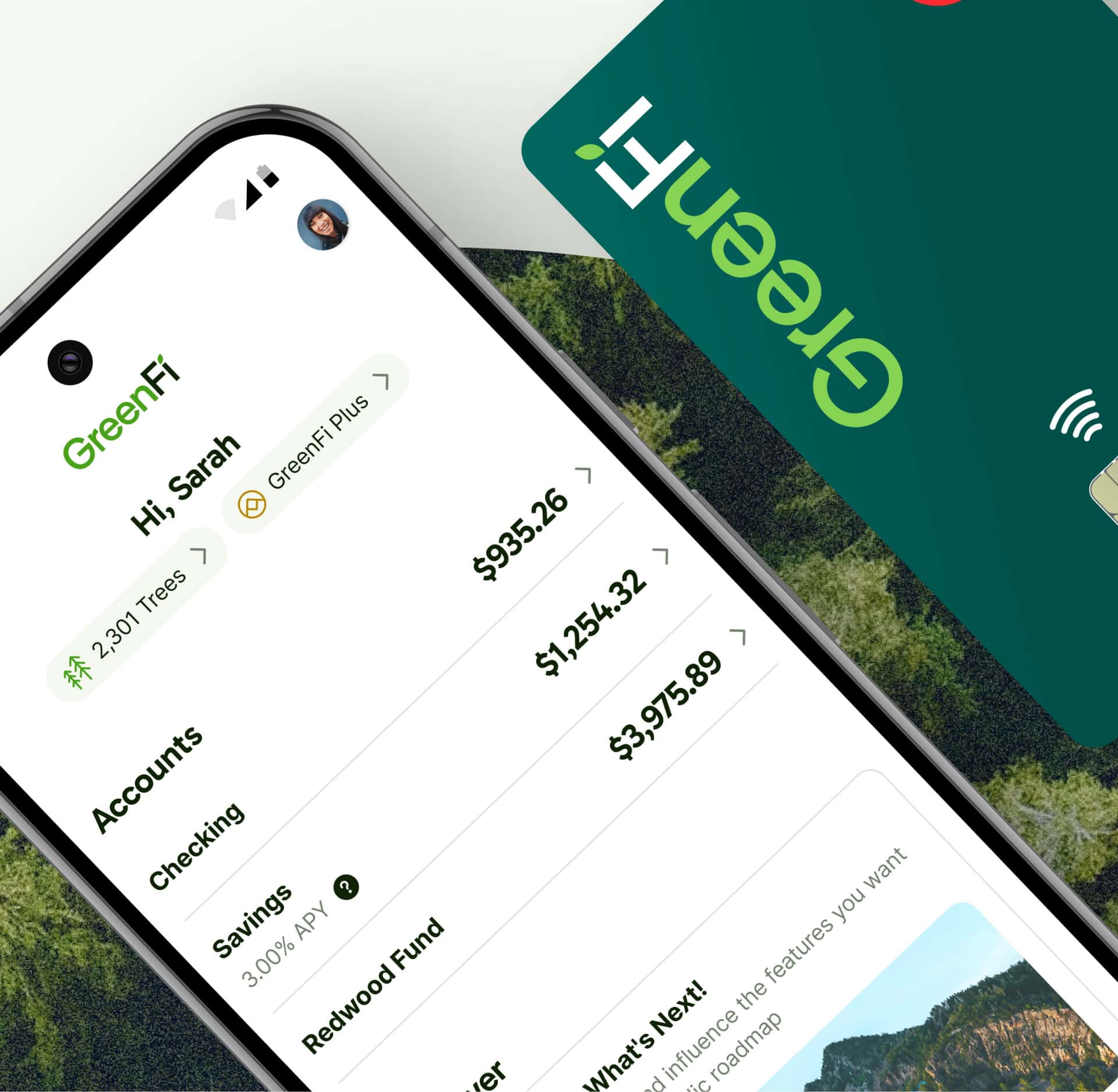
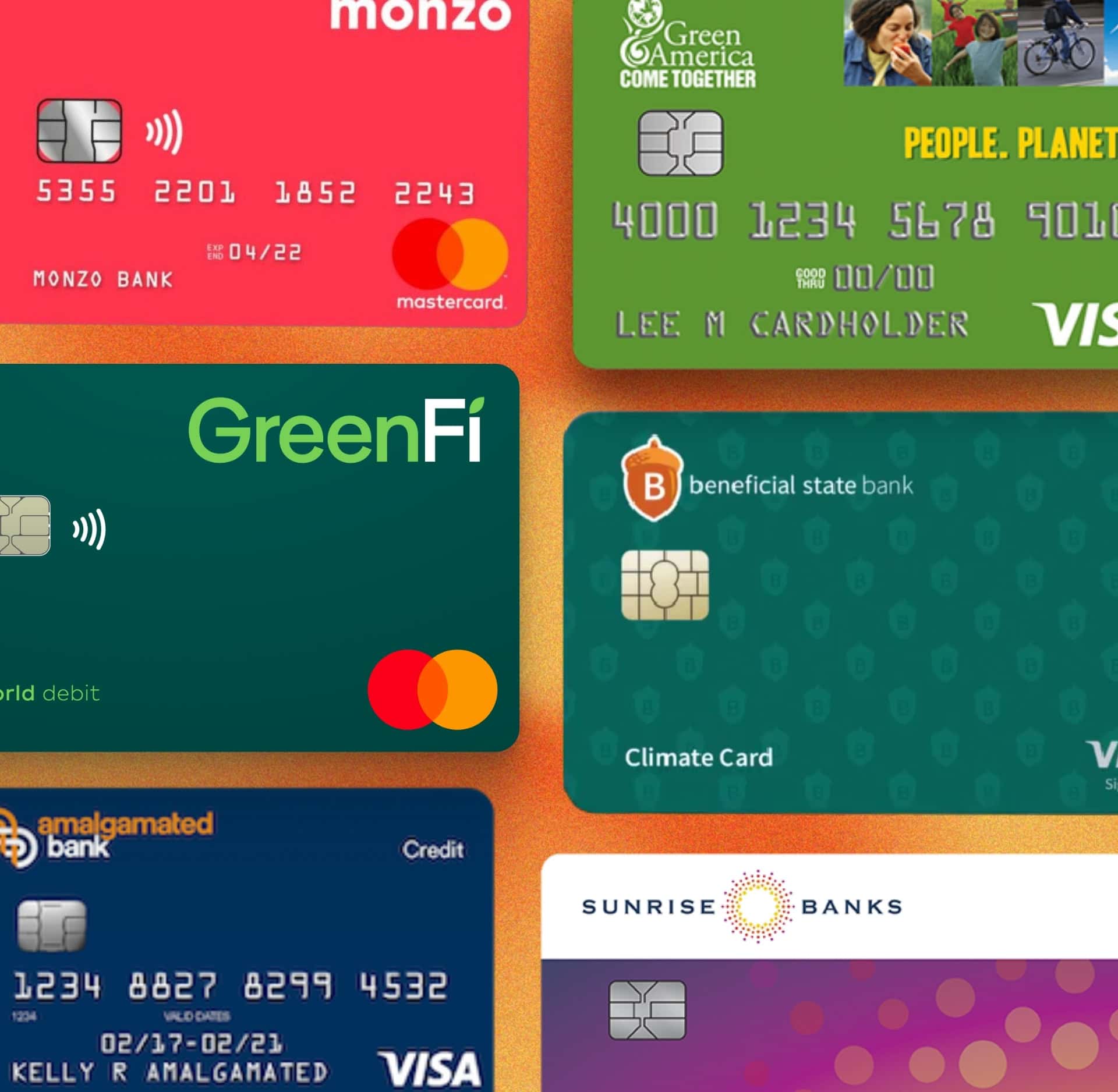
Aspire to invest better with GreenFi (formally Aspiration), whose top-tier transparency lets you see exactly which companies and by what percentage your funds are supporting.
Empower’s responsible investment strategy uses inclusive and exclusive filters to help ensure that your money is only invested in companies that score highly for environmental, social, and governance (ESG).
Wealthify supports ethical stock investing by excluding “sin sectors’ and supporting organizations committed to creating a positive environmental and social impact.
Index: Ethical Investment Apps & Platforms
- GreenFi Jump to section
- Ellevest Jump to section
- Betterment Jump to section
- EarthFolio Jump to section
- Empower Jump to section
- IMPACT Jump to section
- Wealthsimple Jump to section
- Wealthify Jump to section
GreenFi

*See parenthetical hyperlinks for disclosures
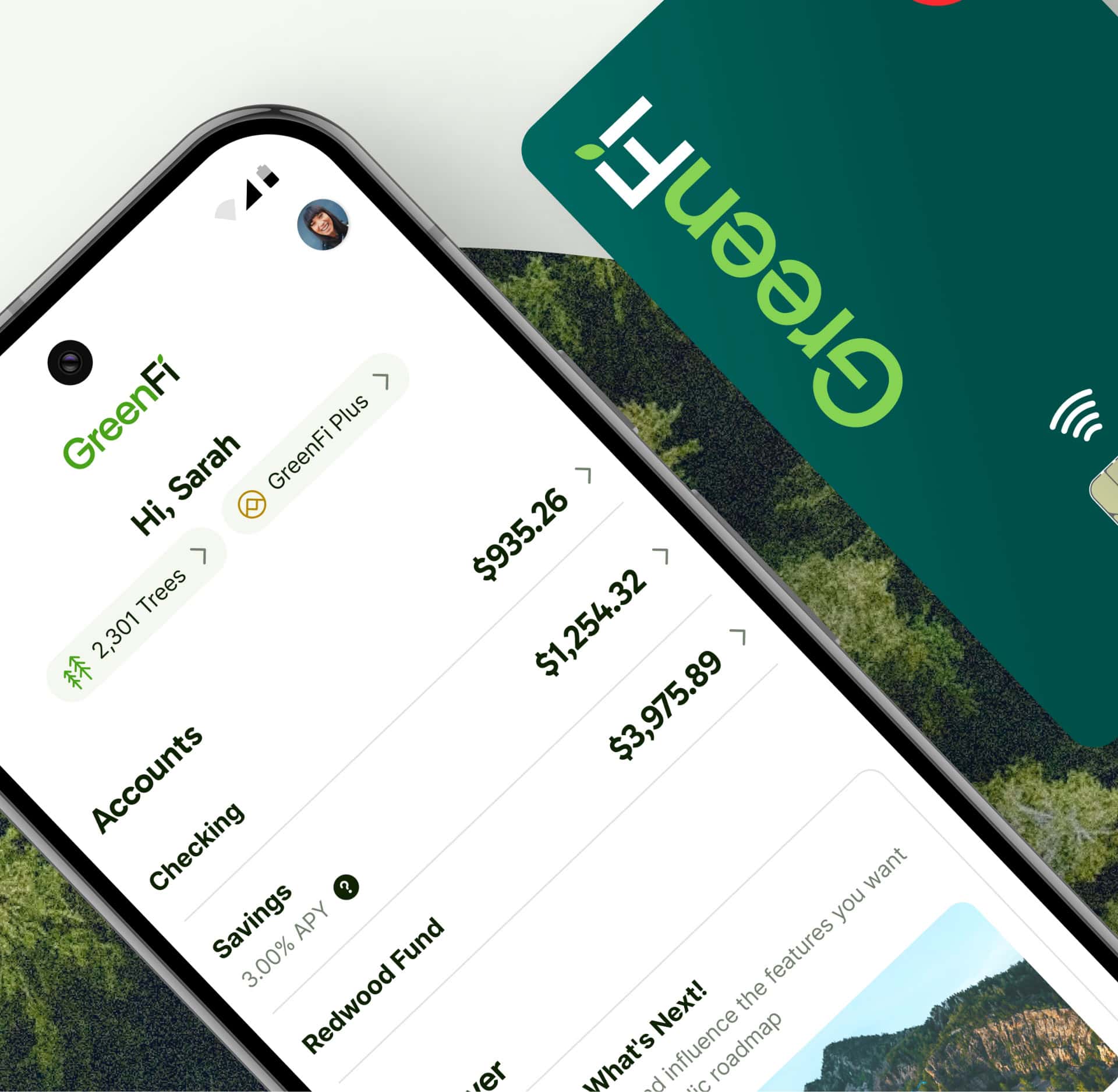
Ethical Investments: Redwood fund can be invested in either as a regular taxable investment account or Traditional IRA.
Fees & Minimum Amounts: $10 account minimum (+$1 for subsequent investments in the IRA); $0 custodial fee on taxable accounts and $15 for IRAs;
Risk & Returns: No tax-loss harvesting.
Investing in GreenFi (1) through the Redwood Fund means you can support rigorously vetted companies that are leading their respective industries in ESP performance and innovation, each one selected not only for their ethics, but for their performance and growth potential.
Not only do these funds not contribute to sin sectors like fossil fuels, but you can double check yourself who your dollars are backing thanks to GreenFi’s transparent breakdown of how much your investment funds what industries and which companies within each one. Track and manage it all through their user-friendly ethical investment app that allows you to manage both your bank account and/or investment fund.
Each fund requires you to set Pay What Is Fair fees, but a portion of these are donated to nonprofits like American Forests’ REPLANT program.
Ellevest


Ethical Investments: Ellevest’s investment strategy of low-cost ETFs and mutual funds includes a mix of stocks, bonds, and alternative funds. With an Ellevest Impact fund, up to 53% is invested in ESG and impact funds that support women-led companies, affordable housing, community services, and sustainability.
Fees & Minimum Amounts: Membership costs $12 a month. There is no minimum investment deposit or balance, but some portfolios have a minimum requirement ranging from $1 to $240. A Private Wealth Management account is available for members with $1M or more.
Risk & Returns: They don’t offer tax-loss harvesting but do provide tax minimization strategies.
Ellevest is one of the best social investing apps built by women, for women. Membership includes online investing, educational resources, and a 50% discount on 1:1 financial planning sessions. Viewing investment through a gender-conscious lens, they factor the gender pay gap and lifespan estimates into portfolio projections.
Note that Ellevest primarily uses ETFs provided by Vanguard, some of which have fossil fuel exposure, and we are unsure if these are included in the Impact Portfolio.
Betterment

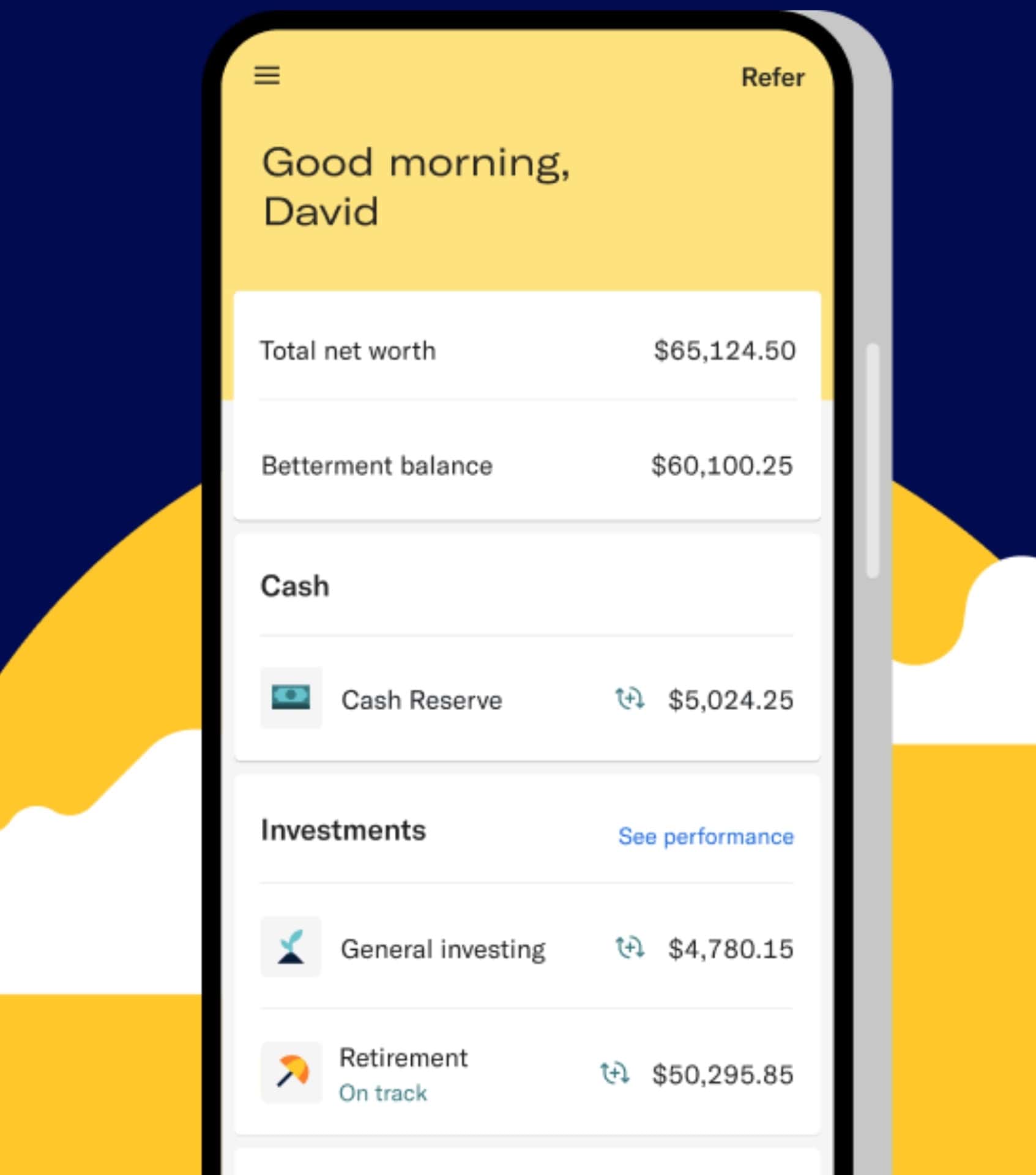
Ethical Investments: Betterment’s portfolios are custom-built with low-cost, diversified EFTs that support Climate Impact, Social Impact, or Broad Impact (both).
Fees & Minimum Amounts: There is no minimum investment amount, and Betterment charges a relatively low annual management fee: 0.25% of assets under management or $4 per month (based on investment amounts and deposits). The Premium plan requires a minimum investment amount of $100,000, charges 0.65% annually, and gives you unlimited access to certified financial planners for investing advice (also available for a fee).
Risk & Returns: Free tax-loss harvesting is available.
If you’re looking to invest specifically in climate or social impact, Betterment can help your money be better. Their green investment app’s portfolios make it easy to support socially conscious companies that share your values—from promoting gender diversity to funding green projects.
While technically a robo-advisor, Betterment is equipped with a team of economists, PhDs, and industry experts, and they clearly share their methodology for their SRI-focused funds.
However, Betterment’s Broad Impact portfolio primarily utilizes the ESGU (the largest ETF in the sphere)—of which ExxonMobil, Chevron, and Hess hold large shares. Several of the ETFs in their Climate Impact portfolio have ties with companies that hold fossil fuel reserves, so it’s important to be aware that it may not eliminate fossil fuel investments completely.
EarthFolio

Ethical Investments: Earthfolio offers tailor-made diversified ESG portfolios based on a broad range of sustainable mutual funds and ETFs.
Fees & Minimum Amounts: The minimum investment is $25,000, and the annual management fee is 0.50%. Additional charges from the underlying mutual funds range from 0.25% to 0.78% per year.
Risk & Returns: They do not offer tax-loss harvesting.
The world’s first sustainable robo-advisor, Earthfolio is the only ethical investment platform that invests exclusively in “Sustainable” or “Responsible” funds. Setting up an account is quick and easy, and Eartholio will design your portfolio based on your financial goals and risk tolerance.
Funds are assessed using multiple ESG criteria, including Animal Welfare, Clean Tech, Community Development, Corporate Governance, Conservation, Equality & Diversity, Fair Labor, Fossil Fuel-Free, Healthy Living, Human Rights, Non-Violence, and Shareholder Advocacy. Earthfolio is managed by Blue Marble Investments, an ethical funding specialist.
Empower

Ethical Investments: Empower’s Socially Responsible Personal Strategy supports companies committed to ESG performance. It uses a range of mutual funds, low-cost ETFs, individual equities, and fixed-income securities. Note that its other investment offerings aren’t ethically aligned.
Fees & Minimum Amounts: Wealth management fees are 0.89% up to the first $1 million (decreasing after that).
Risk & Returns: Empower uses Smart Weighting™, ongoing rebalancing, and tax-loss harvesting to maximize return and reduce risk.
Empower’s ethical investing app uses a Socially Responsible Investment (SRI) strategy to prioritize companies managing ESG. Using a blend of inclusive and exclusive filters, they create portfolios that avoid companies engaged in controversial categories (e.g., the fossil fuel energy sector, adult entertainment, and small arms), while supporting those with high ESG scores. They’re best-in-class in managing carbon intensity, GHG reduction, diversity programs, bribery and corruption programs, whistleblower programs, and other social and environmental metrics.
The FDIC-insured company is taking steps towards a more diverse and inclusive future and provides its employees with equitable benefits like LGBTQ-inclusive healthcare benefits, paternity and maternity benefits, and paid volunteer hours.
IMPACT

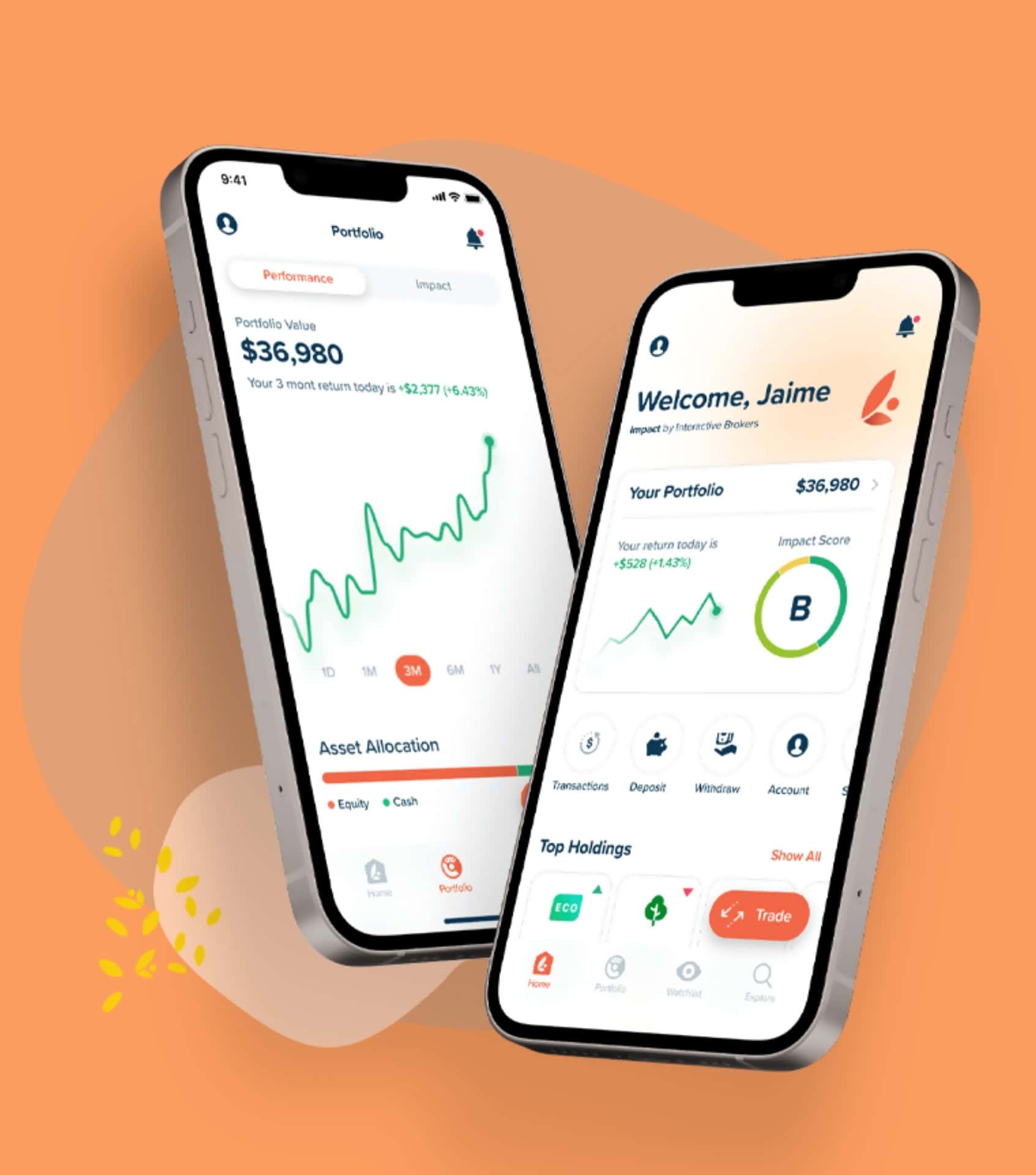
Ethical Investments: IMPACT’s socially responsible portfolios are made up of US stocks and ETFs. With every $1,000 added to an IMPACT account, 25 trees are planted.
Fees & Minimum Amounts: There are no minimum investment amounts or platform fees and $0 commissions on US stocks, ETFs, and free mutual funds. Other mutual funds are charged at 3% or $14.95 per trade (whichever is lower). Expensive stocks can be purchased via a fractional share (meaning investments as little as $1).
Designed exclusively for socially responsible investing, InteractiveBrokers’ IMPACT ethical investing app makes it easy to find—and invest in—socially conscious companies that align with your values. Choose between 13 values that you find important or very important (e.g., land health, LGBTQ inclusion, and ocean life). Then, select the business practices you’d like to avoid, such as greenhouse emissions and animal testing.
The app can be used to trade stock, purchase carbon offsets, and make direct donations to charity. For those new to investing, it offers simulated trading before a full brokerage account is opened.
IMPACT was designed and managed by Interactive Brokers LLC, a highly-rated global brokerage firm based in Canada that focuses on market access and low-cost investing.
Wealthsimple


Ethical Investments: Professionally managed personalized portfolios comprising a mix of equities and bonds to suit your financial goals.
Fees & Minimum Amounts: The Core Plan has 0.5% management fees and a minimum investment of $1. If you have $100,000 in assets, the Premium Plan costs 0.4% in management fees and comes with complimentary USD accounts, advisor check-ins, and tax-loss harvesting.
Risk & Returns: Wealthsimple will design your portfolio to be risk-appropriate for your needs. Portfolios are automatically rebalanced and tax-optimized.
Canadian fintech Wealthsimple offers investors a simple way to get started with their ethical investing app and globally diversified portfolio of low-cost index funds. Their portfolio ensures you don’t compromise on your values. Bonds are certified by the Climate Bond Initiative, and they eliminate the top 25% of carbon emitters in each industry. They also only include companies whose board of directors includes 25% (or at least 3) women.
Wealthsimple’s own socially responsible EFTs (WSRI and WSRD) exclude companies involved in fossil fuel extraction, human rights controversies, weapon manufacturing, adult entertainment, gambling, alcohol, and tobacco.
Wealthify
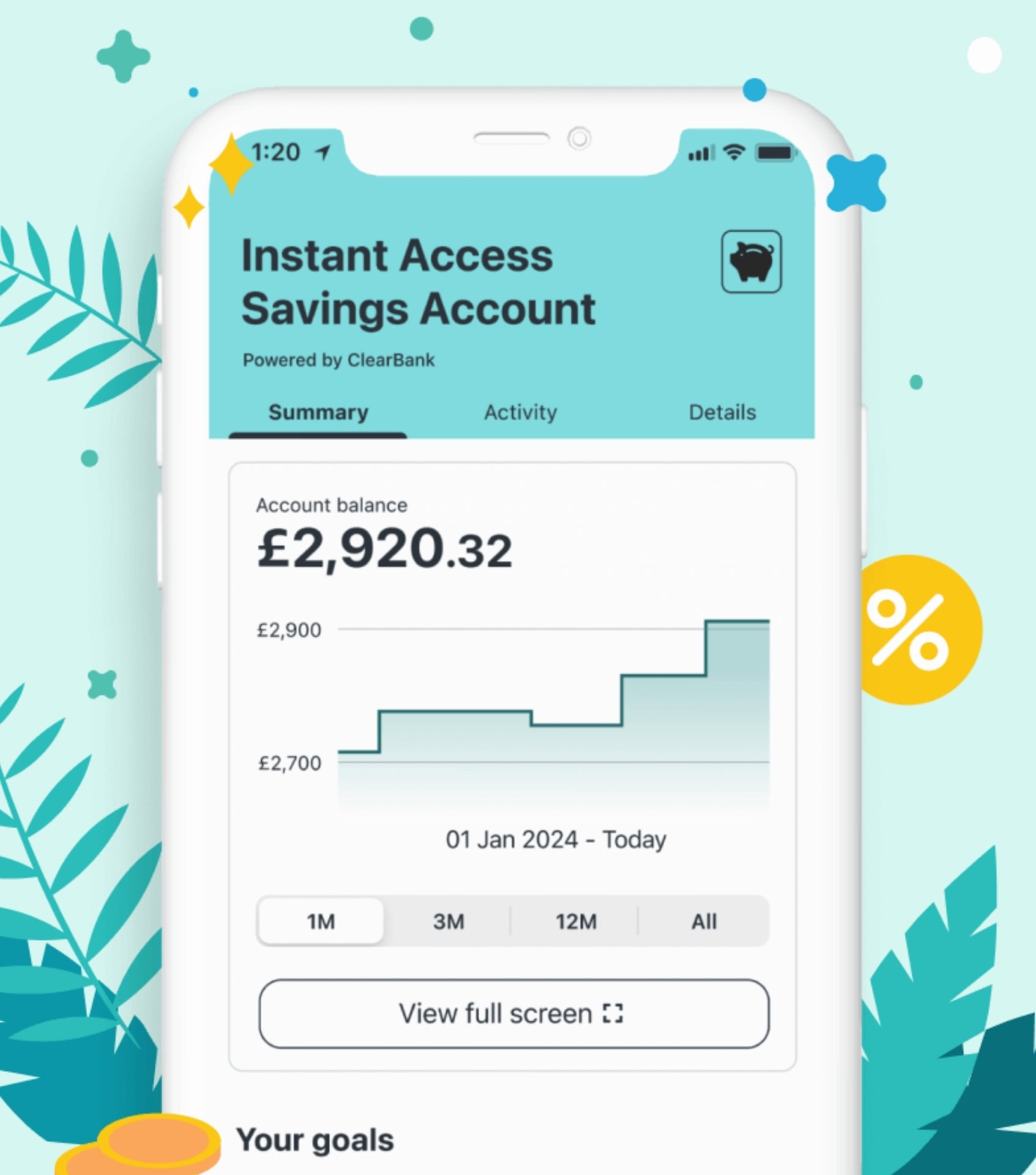
Ethical Investments: Wealthify blends actively managed mutual funds and ETFs, providing a balance of shares, bonds, and some thematic investments.
Fees & Minimum Amounts: You can kick-start your investment account with £1. An ethical plan has an annual 0.6% management fee and additional investment costs of 0.7%.
Risk & Returns: The investment plans are available across five risk tolerance levels: cautious, tentative, confident, ambitious, and adventurous.
In the UK, Wealthify’s impact investing app is centered around five ethical plans that support organizations committed to positive environmental and social impacts. The plans aim to exclude “sin sectors’ (weapons, tobacco, gambling, and adult entertainment) as well as genetic engineering, intensive farming, deforestation, oppressive regimes, unfair labor practices, excessive political donations, and human rights issues.
All fund providers are signatories of the Principles of Responsible Investing (PRI), the world’s leading authority on responsible investing. However, they may still receive up to 10% of their overall profits from excluded activities.
What Is Ethical Investing?
According to the Cambridge Dictionary, ethical investment is “the practice of investing in companies whose business is not considered harmful to society or the environment”.
Pro-social or environmental investing works by either including positive-impact investments, avoiding negative-impact investments, or ideally doing both.
ESG Investing
Ethical investing is used interchangeably with another term: ESG investing, which assesses a company’s operations based on environmental, social, and governance criteria.
However, there’s no standardized definition for ESG and ethical investing apps have unfortunately been associated with subsequent greenwashing and “woke-washing.” Investors may experience higher fees on ESG products, hard-to-trace investments, and bogus sustainability claims.
It’s no wonder the former chief investment officer for sustainable investing at BlackRock (Tariq Fancy), warned that sustainable investing is often nothing more than a “placebo.”
ETFs
ETF’s (exchange-traded funds) are curated collections of securities, or financial assets that can be bought, sold, and traded.
They can contain several different types of investments, including commodities, stocks, bonds, or a mixture of investment types. A single ETF can own hundreds—or thousands—of stocks across various industries or could be concentrated in just a single sector. EFTs are traded like stocks, and as such, the price of shares will fluctuate throughout the trading day (unlike mutual funds, which only trade once after the markets close).
Robo Advisory
Many green investing apps are considered to be “robo-advisors,” an investment management system that relies on AI instead of human financial advisors.
The process begins with you, the interested investor filling out a quick survey or questionnaire on things like desired growth and risk. Then the impact app suggests services that will help you achieve your financial goals. Unlike traditional portfolios, robo-advisors generally keep costs down and have low or no account minimum requirements.
They also make the process less intimidating, making it more accessible for those who don’t have access to financial advisors or the time to learn the ins and outs of investing.
Tax-loss Harvesting
Many of these impact investing apps mentioned “tax-loss harvesting”—but what exactly is that?
While it’s not related to ethical investing per se, it is an appealing option if you have investments subject to capital gains tax. The process involves selling an investment that has lost value and replacing it with a similar investment. The loss on the first investment can offset the gains made from the new investment.
Essentially, it minimizes the taxes that arise from capital gains, thus helping you keep more of your money. Thanks to robo-advisories, many ethical investment apps offer free, automatic tax-loss harvesting.
Why Build A Responsible Investment Portfolio
What’s the best long-term investment strategy? Put money in a fund and forget about it.
But since your investment is doing more than paying a dividend, you should consider where you’re investing before logging off for the next 10 years. As You Sow has several online tools to help you find out exactly what your retirement and mutual funds are investing in—but you may not like what you find.
Traditional investment has financially backed so many of society’s ills: oil, weapons, unethical working conditions, animal testing, nuclear power, gender inequality, climate change, etc. Ethical investing apps can help you divest from these “sin industries,” and instead support organizations that are making our world a better place.
Thanks to an increase in ethical investment options, your money can not only work for you, but also for good. According to The Guardian, the average annual return for a sustainable fund has been 6.9% a year, while traditionally invested funds average around 6.3% a year.
As millennials—who now make up the largest share of US investors—continue to amass more of the global investment pie, it’s likely that environmentally and socially responsible investment apps will continue to grow in popularity and performance.
What To Look For In A Social Investing App
While the U.S. Securities and Exchange Commission (SEC) is working to define ESG, we should continue to be wary of where our money is going, especially since greenwashing is rife. So if you’re wondering how to build an ethical investment portfolio the right way, consider the following:
Legitimacy:
Choosing a trustworthy investment platform is step one.
In the United States, FINRA allows you to search for an investment firm to confirm they’re licensed and check for any serious complaints or regulatory issues filed.
Alternatively, these third parties can also help you identify lemons:
- SEC: When a US investment-oriented firm registers with the Securities and Exchange Commission, they become legally entitled to sell securities.
- SIPC: SIPC is a non-profit corporation that protects investors and is based on the Securities Investor Protection Act.
- PRI: The Principles for Responsible Investment is the world’s leading proponent of responsible investment and a UN-supported network of investors.
- FCA: In the UK, the Financial Conduct Authority regulates financial services firms.
It’s also helpful to look for ethical investment platforms that are fiduciaries, as this legally requires them to act in the investor’s best interests.
Certifications:
Look for a socially responsible investment firm or app that is a public benefit corporation—a for-profit entity that has a legally-defined mission to create a positive impact on the environment or society at large.
Certified B Corp have taken it a step further by meeting rigorous social and environmental criteria. Many sustainable clothing brands, socially conscious investing firms, B Corp banks, and other businesses from a variety of sectors have achieved B-Corp status.
However, some recent accusations of B Corp greenwashing mean we should not implicitly trust the B-badge completely.
Customizations:
In addition to choosing an investment option that suits your budget and financial goals, some ethical investing platforms allow you to fine-tune your investments so that they better align with your values or level of risk (i.e. automated investing vs something more hands-on).
Transparency:
Many ethical funds aren’t as ethical as they appear to be. Similarly, what is “ethical” is up to you, so be concrete on the values you’re looking for in an impact investing app and be sure to check the platform’s list of holdings to see if they fit the bill.
The best impact investing apps will provide a concrete breakdown of what positive impact your funds have (i.e. amount of CO2 offset, trees planted, and other measurable metrics of ethical practices).
ESG/Sustainability Scoring:
As with personal sustainability apps, there are several questions we can ask when looking for an ethical investment app:
- Does the app have a thoughtful process behind sustainability scoring using reasoned metrics?
- How thoroughly are the companies and funds they support vetted?
- Is there data demonstrating a commitment to affordable housing, gender equality, emissions reductions, and other social/sustainability metrics?
When an investment platform has a detailed process, or partners with third-party agencies to obtain additional data, it’s a good assurance that their ethical fund is legitimate.
Ethics:
Look for the fine print regarding ethical vs unethical funding. Some funds make it clear that a percentage of your investment can still be invested in the “sin sector” while others only invest roughly half in ethical companies.
Investing platforms are far from perfect, but it’s a start. Progress over perfection, right?
Inclusivity and Accessibility:
Some funds are clearly more budget-inclusive than others. Not everyone has a spare $100,000 lying around. It’s good to see that many have tried to make investing more approachable, not just by having a low minimum investment amount, but by eliminating jargon and making the application process far easier than it used to be.
Final Thoughts On Social Investing Apps & Platforms
So, can you ethically invest?
Absolutely! You can (and should), as more people are realizing. In 2022, the impact investing market hit $1 trillion. That’s a lot of money that can do a lot of good. Besides, investing is a privilege—not everyone has the means to do so. So for those of us with extra cash (who don’t exclusively rely on ethical credit cards), let’s use our investments as a force for good.
And while ethical investment portfolios are rarely 100% ethical, they are getting better and the process of investing via impact investment apps means it is also becoming easier. Progress over perfection…because let’s be honest, anything is better than the default ethics of Big Finance.
Do you have any friends or family with too much green in unsustainable sectors and sin industries? Share this guide with them so they too can make their money support more than just a comfy retirement.

Jenny is a UK-based sustainability writer and tea-drinker extraordinaire who has a Masters in Social Anthropology from the University of Edinburgh. Her travels have taken her to organic permaculture farms in the UK and Nepal but you’ll mostly find her working on the veg patch with a garden fork in one hand and a cup of tea in the other. Jenny writes for ethical brands and purpose-powered publications on a broad range of sustainable living and conscious consumerism topics. She is passionate about organic and regenerative farming, nature reconnection, and the small things we can do each day to better care for our planet.