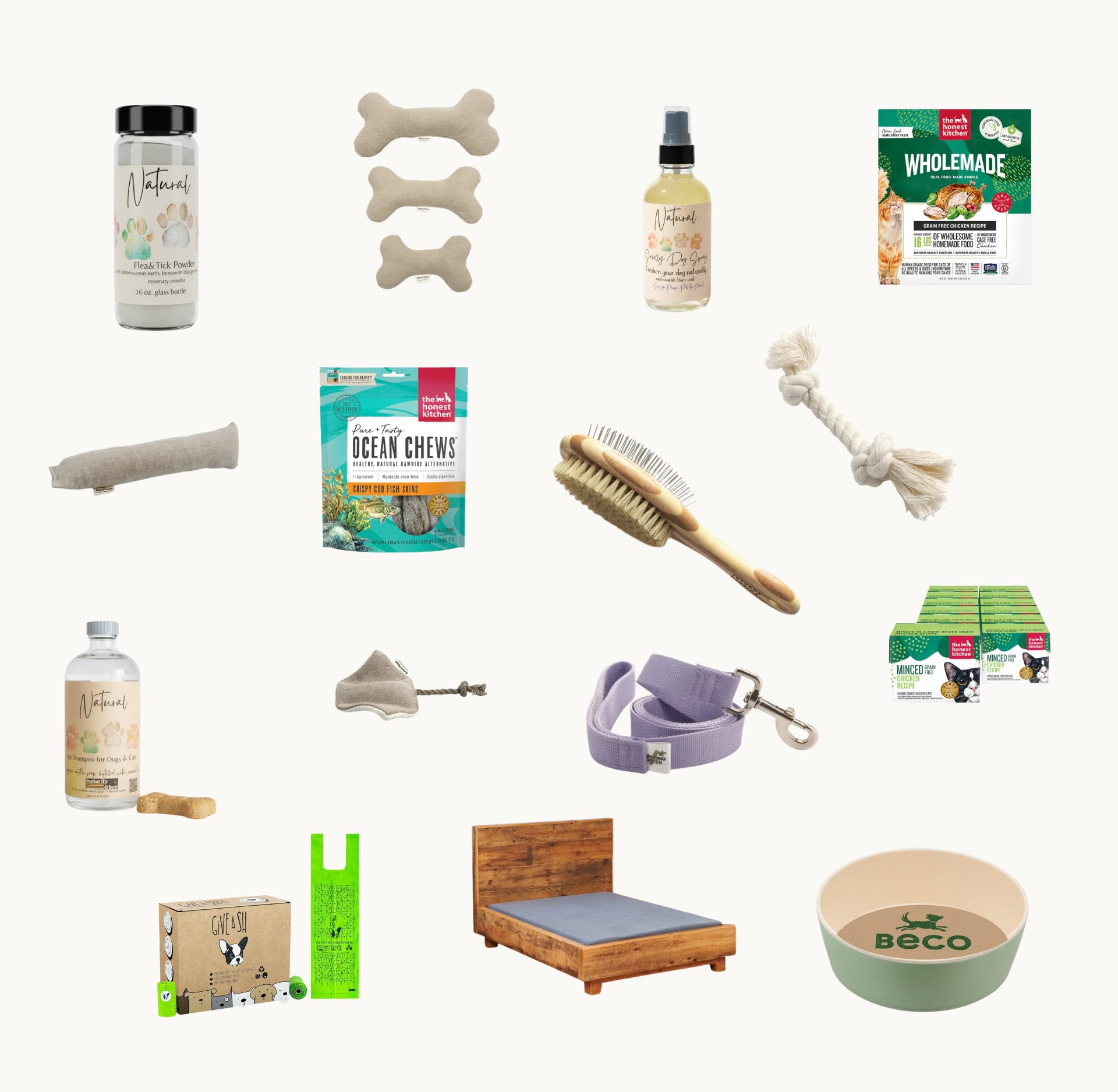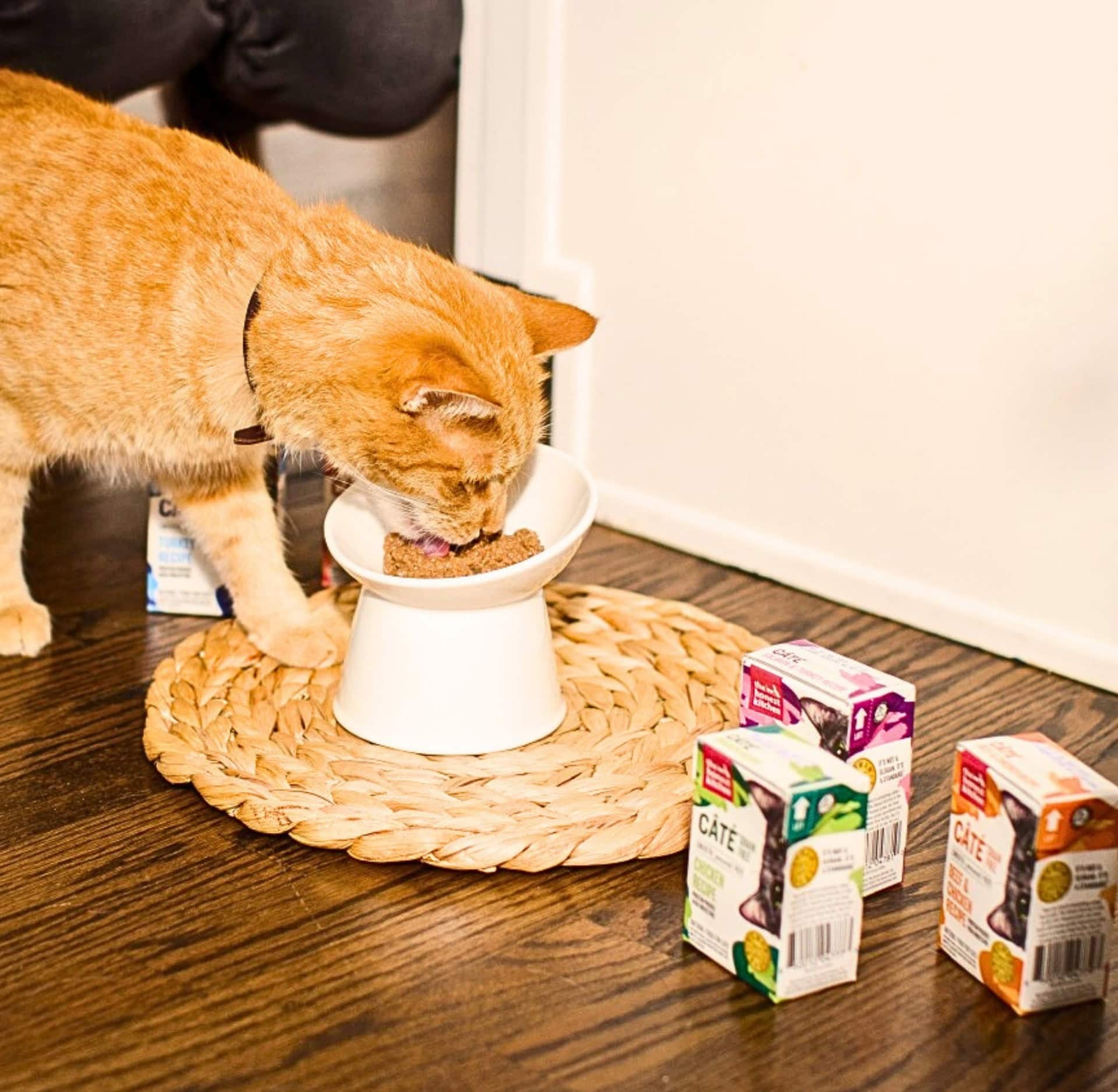













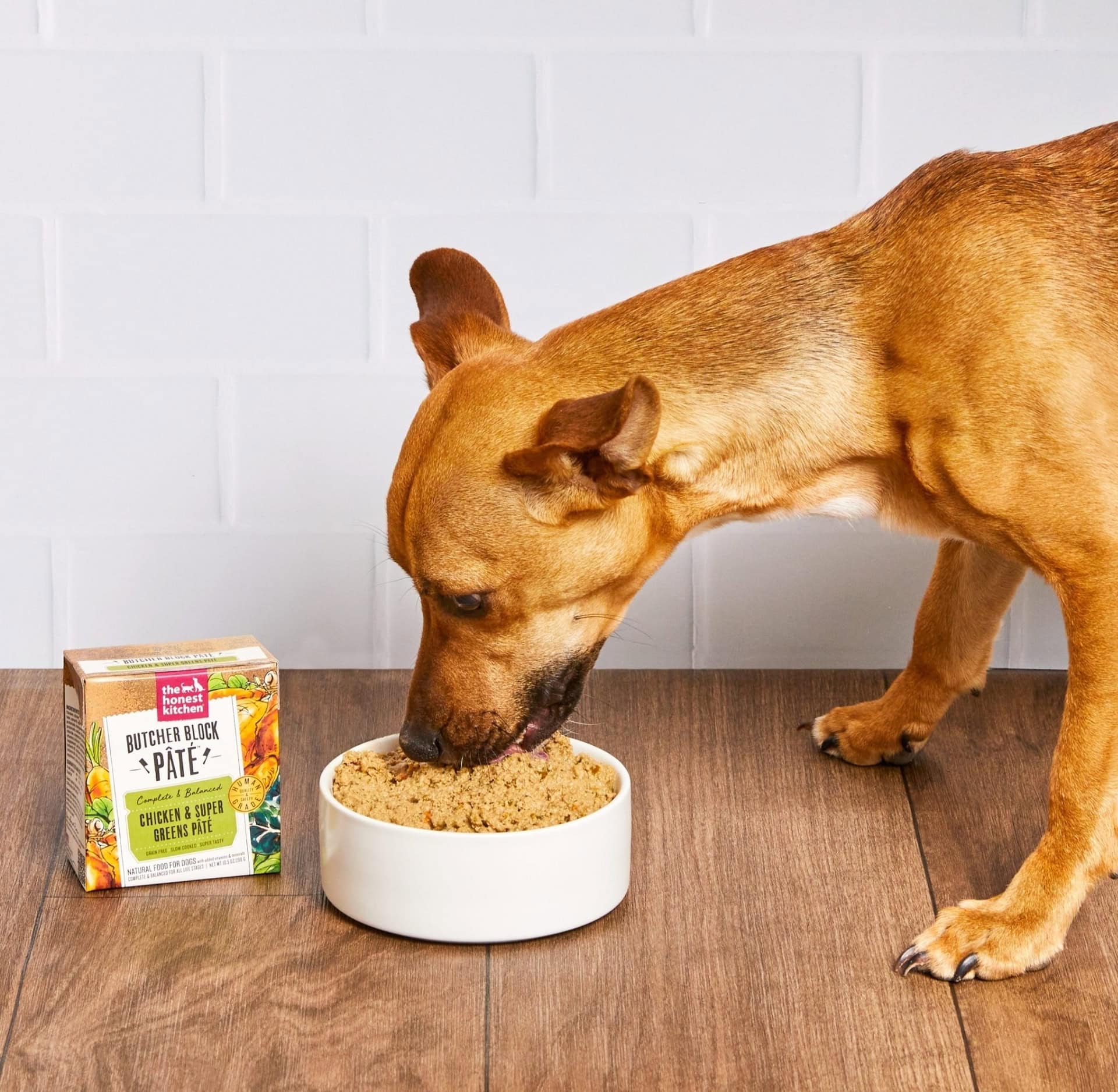
The Honest Kitchen is a female-founded pet food brand dedicated to producing healthy, human-grade, minimally processed products. Alongside its focus on product quality and sustainable ingredient sourcing, the Certified B Corp brand invests in its employee team and local communities through paid volunteer hours. It also supports various nonprofits via employee donation matching and charitable giving. The Honest Kitchen has been awarded our top rating in the pet food category.
About The Honest Kitchen
The Honest Kitchen was founded in 2002 by canine and equine nutritionist Lucy Postins while searching for a solution for her Rhodesian Ridgeback Mosi’s chronic ear infections and skin issues. Frustrated by the lack of healthy pet food options, she began preparing whole-food meals in her San Diego kitchen. After seeing a dramatic improvement in Mosi’s health, she realized other pets—and their owners—could benefit too.
Pioneering the human-grade pet food category, the company overcame significant regulatory challenges to set a new industry standard. In 2022, it became one of the first U.S. pet food brands to earn B Corp certification. Today, The Honest Kitchen offers a wide range of dry, wet, and dehydrated foods, toppers, treats, and supplements—all made in human food facilities and held to rigorous quality and safety standards.
Product Categories
Pet Food & SupplementsPets
Attributes

Ethical Sourcing
Raw materials have been sourced ethically with people and planet in mind.
Non-toxic
All products are made with ingredients or materials that are currently considered non-toxic
Sustainable Materials or Ingredients
Either all or most products are made with sustainable materials or ingredients.
Thoughtful packaging
Product packaging has been designed and created with the end of life outcome in mind and can be easily recycled or composted.
Woman Owned
This brand is owned by a woman or a group of women.Certifications / Memberships
American Humane Certified
B Corp
FSC®
MSC Certified
Non-GMO Verified
SFI
American Humane Certified
American Humane Certified™ ensures farm animals receive humane care through science-based welfare standards and independent audits.B Corp
The B Corp Certification, administered by the nonprofit B Lab, recognizes companies that meet high standards of verified social and environmental performance, transparency, and accountability. Certified B Corps balance profit with purpose, committing to responsible practices that benefit workers, communities, customers, and the planet while embedding sustainability into their business model.FSC®
The FSC® (Forest Stewardship Council) certification ensures that wood, paper, and other forest-based materials come from responsibly managed forests that provide environmental, social, and economic benefits. Products bearing the FSC® label support biodiversity, protect the rights of forest communities and workers, and promote sustainable forestry practices.MSC Certified
The MSC blue fish label means the product carrying it is made with wild-caught and certified sustainable seafood that meets the MSC Fisheries Standard, a set of requirements for sustainability that a fishery must prove they meet.Non-GMO Verified
The Non-GMO Project Verified mark appears on products that have been evaluated by third party technical administrators to ensure they meet North America's most rigorous standard for GMO avoidance.SFI
SFI (Sustainable Forestry Initiative) certification signifies that a forest or organization managing forests meets specific, rigorous standards for sustainable forest management.Location
United States
Pricing
Ships from
United States
Ships to
United States
Rating Summary

Nature & Animals

Communities & Wellbeing

Values & Governance

Product Performance
Review Summary From Other Customers
Pros
- Many pet owners report noticeable improvements in their pets' digestion, energy levels, and coat quality after switching to the brand’s products.
- Customers note that the variety of recipes and the quality of ingredients make the food appealing to picky eaters and suitable for pets with food sensitivities or allergies.
Cons
- Some customers find The Honest Kitchen products more expensive than other pet food options, which may be a consideration for those on a budget.
- The dehydrated food options require rehydration before serving, which some users find less convenient compared to traditional kibble.